By Gene Frieda
July 10, 2026
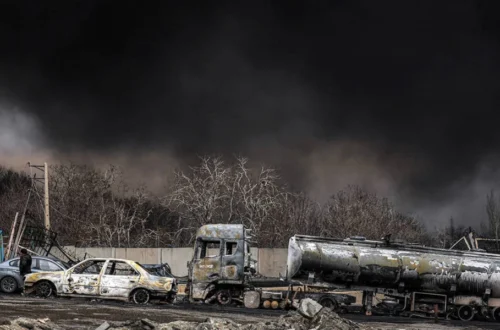
The fragile peace in the Persian Gulf has shattered. Barely three weeks after the ink dried on a ceasefire agreement, the Strait of Hormuz—the world’s most critical maritime chokepoint—has once again become the epicenter of a global energy crisis. Following a series of targeted Iranian attacks on three commercial vessels, the United States launched a retaliatory campaign against more than 80 strategic targets, effectively nullifying the previous memorandum of understanding (MoU).
While the geopolitical stakes are higher than ever, the market’s reaction has been strangely muted. Brent crude, which surged to a staggering $120 per barrel during the total blockade in April, currently hovers around $79. This divergence between escalating military conflict and relatively restrained energy prices suggests that we are witnessing a fundamental shift in how global markets perceive, price, and prepare for supply-side shocks.
The Chronology of Collapse
To understand the current impasse, one must look back at the rapid deterioration of diplomatic efforts in the region.
- Mid-March 2026: Tensions reach a boiling point as the "April Blockade" begins, sending global oil prices into a tailspin.
- Late April 2026: Diplomatic channels facilitate a temporary ceasefire, providing a brief respite for international shipping and stabilizing global energy markets.
- June 20, 2026: The ceasefire agreement is signed, offering a fragile roadmap for de-escalation and the lifting of certain maritime restrictions.
- July 5, 2026: Three commercial vessels are struck in the Strait of Hormuz, marking the definitive end of the ceasefire.
- July 7–8, 2026: The United States executes a massive retaliatory strike, targeting over 80 Iranian military and logistics assets. The U.S. State Department officially declares the memorandum of understanding "over."
- July 10, 2026: International markets react with cautious volatility, questioning whether this is a localized conflict or the precursor to a long-term, structural supply disruption.
Supporting Data: The Anatomy of a Supply Shock
Unlike the energy crises of the last decade, which were primarily characterized by the rerouting of supply lines, today’s geopolitical shock is fundamentally different: it is an act of supply destruction.
The Market Gap
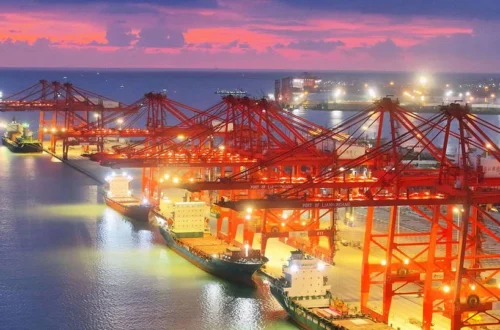
When the Strait of Hormuz was closed in April, the world witnessed the consequences of a total physical blockade. The $120/barrel price point reflected a market panic based on the total cessation of transit for approximately 20% of the world’s daily oil consumption.
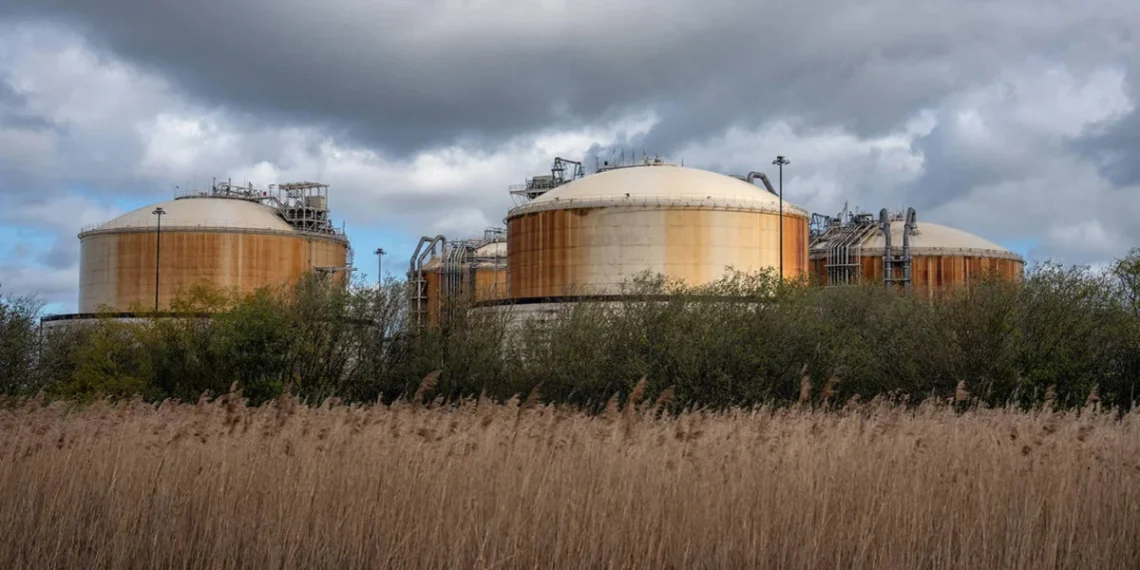
Today’s price of $79 suggests that market participants believe the current conflict is a "violent renegotiation" rather than a permanent closure. However, this optimism may be misplaced. The destruction of physical infrastructure—as opposed to mere interference—permanently removes capacity from the global grid. If the U.S. continues to revoke oil-sanctions waivers, the loss of Iranian supply, combined with the risks to shipping through the Strait, could create a supply-demand gap that current global strategic reserves may struggle to bridge.
Macroeconomic Vulnerabilities
The current crisis hits a global economy already weakened by high interest rates and slowing growth in the Eurozone and China. The "Standard Policy Toolkit"—which relies on central banks to manage inflation through demand suppression—is increasingly ineffective when the underlying issue is a systemic failure of supply. If energy prices continue to rise, central banks will be forced to choose between fighting inflation (which risks recession) or supporting growth (which risks inflationary spirals).
Official Responses and Diplomatic Fallout
The international response has been characterized by deep fragmentation.
The United States: The White House has adopted a posture of "calculated retaliation." By targeting 80+ locations, the U.S. has signaled that it will no longer tolerate the "gray zone" tactics utilized by Iran. The revocation of the sanctions waiver is a clear signal that the era of diplomatic leniency is over.
The Islamic Republic of Iran: Tehran maintains that the U.S. strikes are an act of aggression that violates the sovereignty of the region. They have threatened "unprecedented" consequences for any further involvement of Western powers in the Gulf, though they have yet to escalate to a full-scale closure of the strait.
The Gulf Cooperation Council (GCC): Member states remain in a state of high alert. While they publicly support the freedom of navigation, there is a palpable fear that their own infrastructure could become collateral damage in an escalating tit-for-tat between Washington and Tehran.
The European Union: Brussels has called for an immediate return to the negotiating table, fearing that a protracted conflict will lead to a new wave of energy poverty across the continent, which is still recovering from the shocks of the mid-2020s.
Implications: The Limits of Policy
We are entering a new, precarious era of economic statecraft. The traditional belief that monetary policy can offset supply-side volatility is being tested to its breaking point.
Fiscal vs. Monetary Policy
To mitigate the impact of this crisis, governments can no longer rely solely on central banks. Monetary policy, which operates by cooling demand, is a blunt instrument that does little to fix a broken supply chain. Instead, policymakers must pivot to a integrated fiscal and monetary strategy:
- Targeted Fiscal Support: Governments must focus on protecting the most vulnerable sectors and households from energy price spikes without fueling aggregate demand, which would force central banks to hike rates further.
- Strategic Energy Diversification: The reliance on the Strait of Hormuz is a structural vulnerability. Countries must accelerate the development of alternative transit routes and energy sources, though this is a long-term solution that offers no immediate relief for the current crisis.
- Diplomatic De-escalation: The "violent renegotiation" of terms is a dangerous game. If the parties do not return to a framework that secures maritime passage, the global economy faces a sustained period of stagflation.
The Road Ahead
Is this the road back to a total blockade? The markets currently bet that it is not. However, the data suggests that the resilience of the global energy supply is far lower than it was in April. Every ship that is damaged is a brick pulled from the foundation of global trade.
If this conflict continues to escalate, the "standard toolkit" of the last thirty years will be revealed as a relic of a more stable, predictable world. The world is moving toward a system where geopolitics—not just central bank mandates—dictates the cost of living. For investors and policymakers alike, the lesson of July 2026 is clear: when supply is being destroyed rather than merely rerouted, the traditional rules of the game no longer apply.
We are not just looking at a price correction; we are looking at a fundamental change in the geopolitical landscape of energy. Whether this leads to a new, albeit colder, status quo or a broader regional conflagration remains the defining question of the year. For now, the world holds its breath, waiting to see if the next strike will be the one that forces the world to confront the reality of a sustained, long-term supply shortage.