In an era defined by mass production, algorithmic design, and the inevitable shift toward electrification, the coachbuilding tradition remains a defiant bastion of human ingenuity. While the Netherlands is not traditionally hailed as the epicenter of automotive haute couture, it has become the home of some of the most daring bespoke craftsmanship in the world. From the precision-engineered rally icons of Maturo to the raw, visceral speed of Donkervoort, Dutch artisans are punching well above their weight.
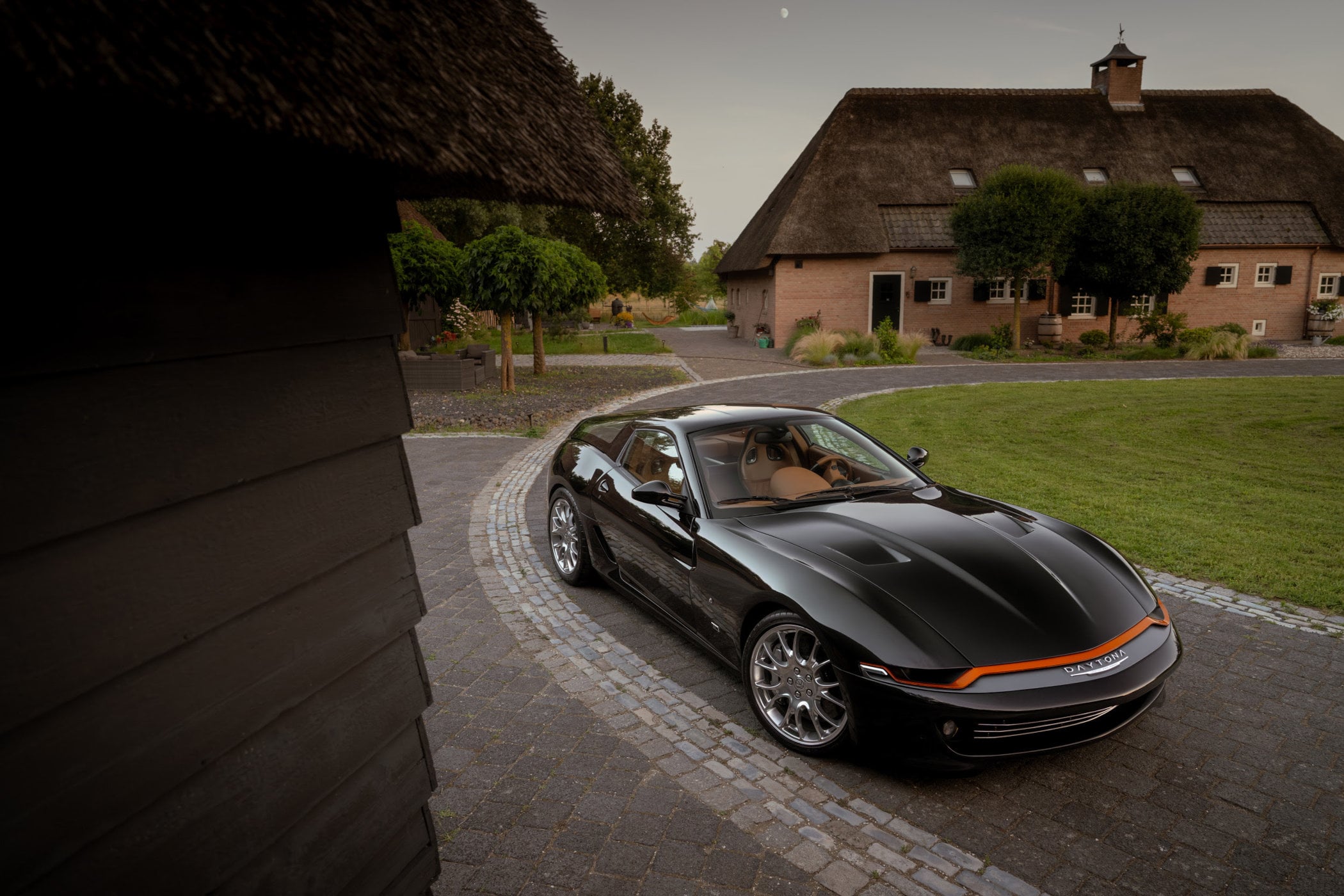
At the forefront of this movement is Niels van Roij, a visionary designer whose portfolio reads like a love letter to automotive history. Having previously captivated the world with his reimagining of the Volvo P1800 ES—the "Autoforma Norrsken"—Van Roij has now unveiled his most ambitious project to date: the Niels van Roij Daytona Shooting Brake Hommage. This one-off masterpiece is more than a car; it is a profound tribute to one of the most eccentric, controversial, and captivating Ferraris ever to grace the tarmac.
Main Facts: A Modern Reinterpretation of a 1970s Legend
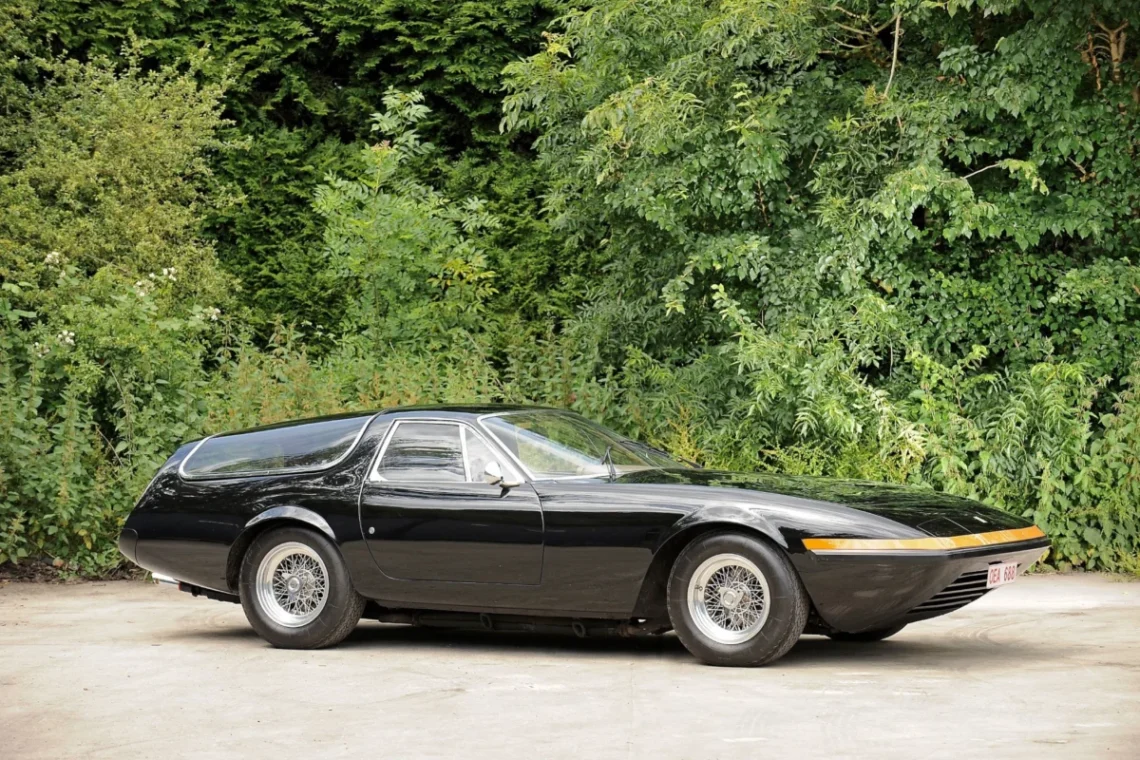
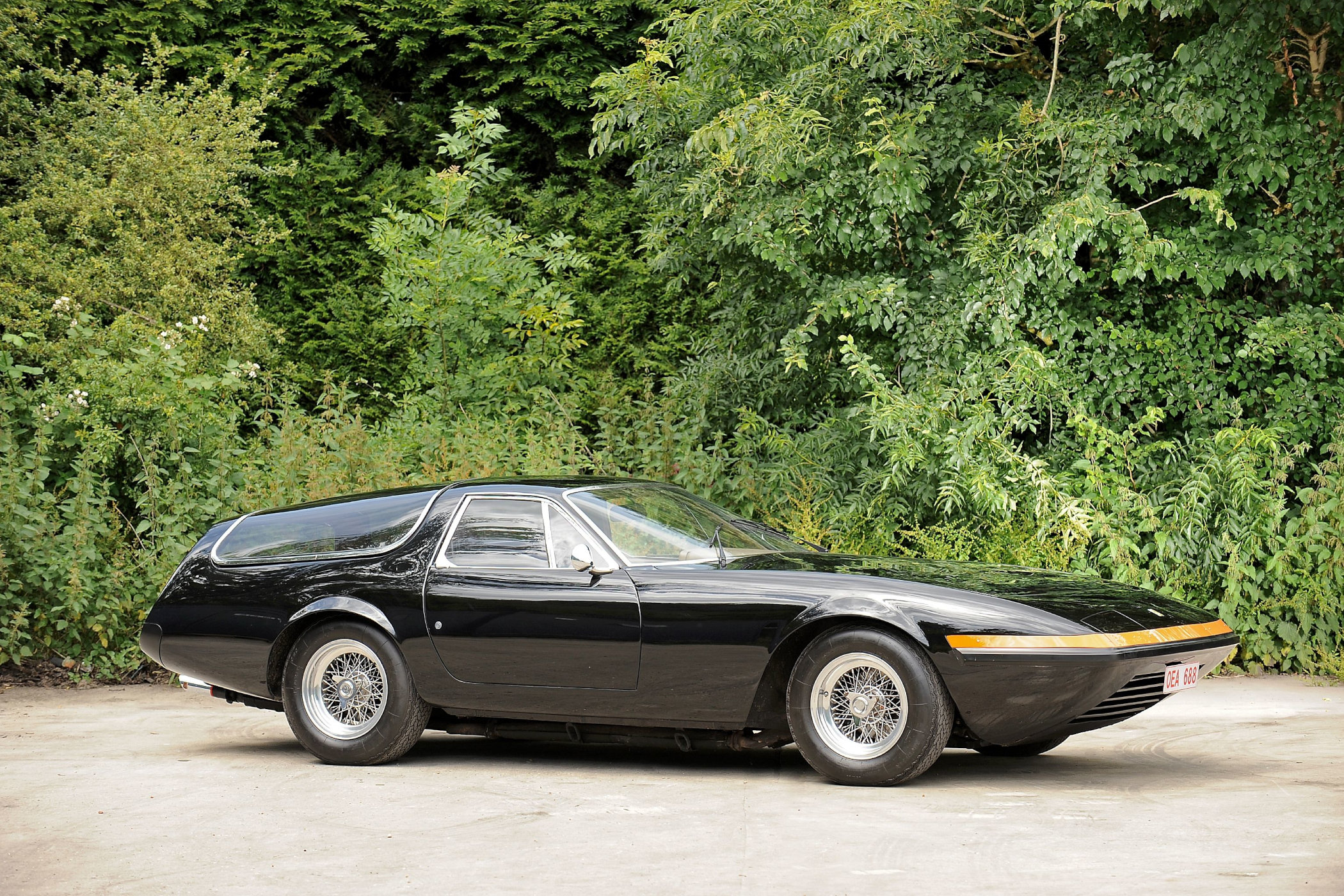
The Daytona Shooting Brake Hommage is a masterclass in balance, blending the soul of a 1972 icon with the performance architecture of a 21st-century grand tourer. Commissioned as a private one-off project, the vehicle serves as a direct descendant—in spirit and aesthetic—to the famous "Chinetti" Daytona Shooting Brake.
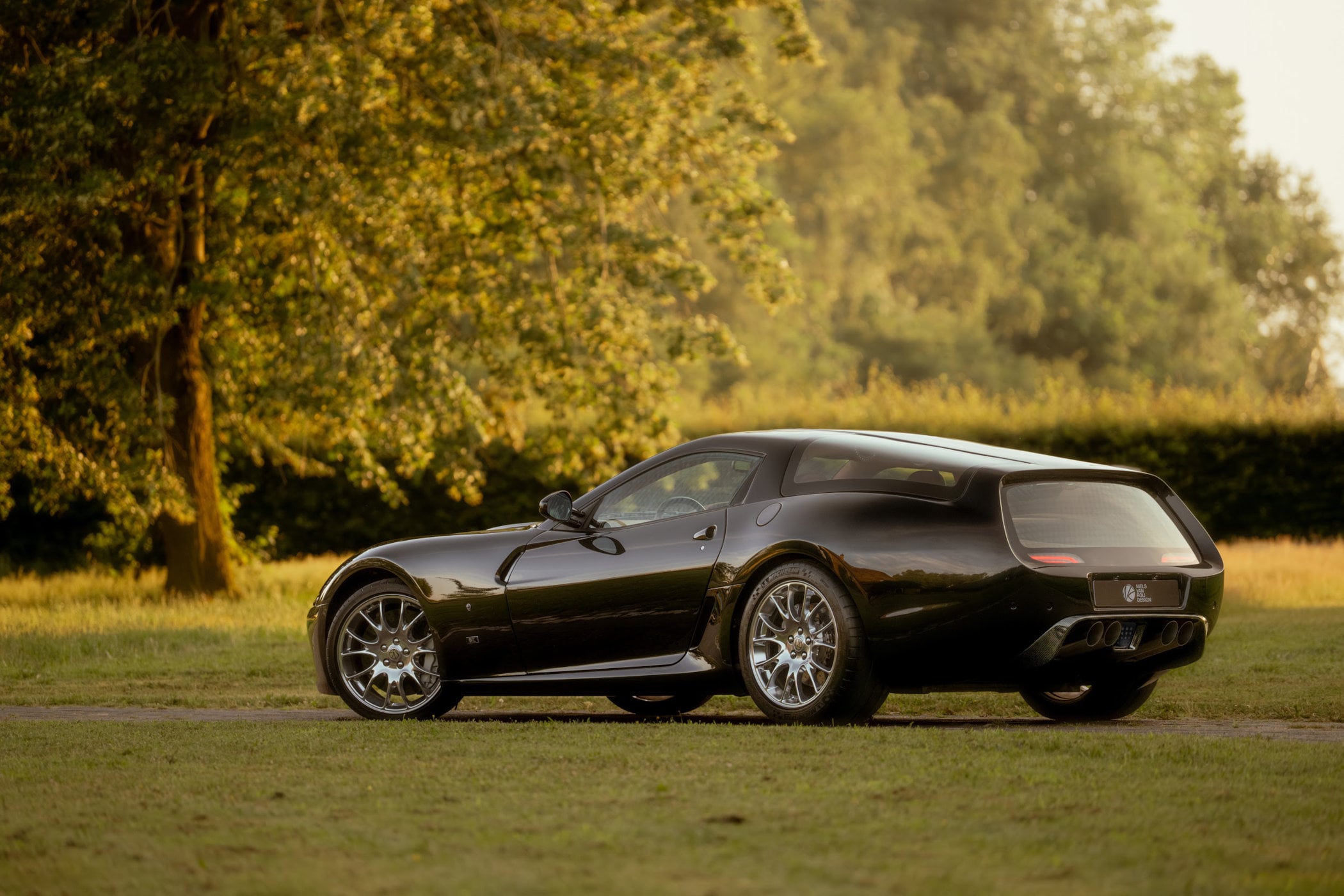
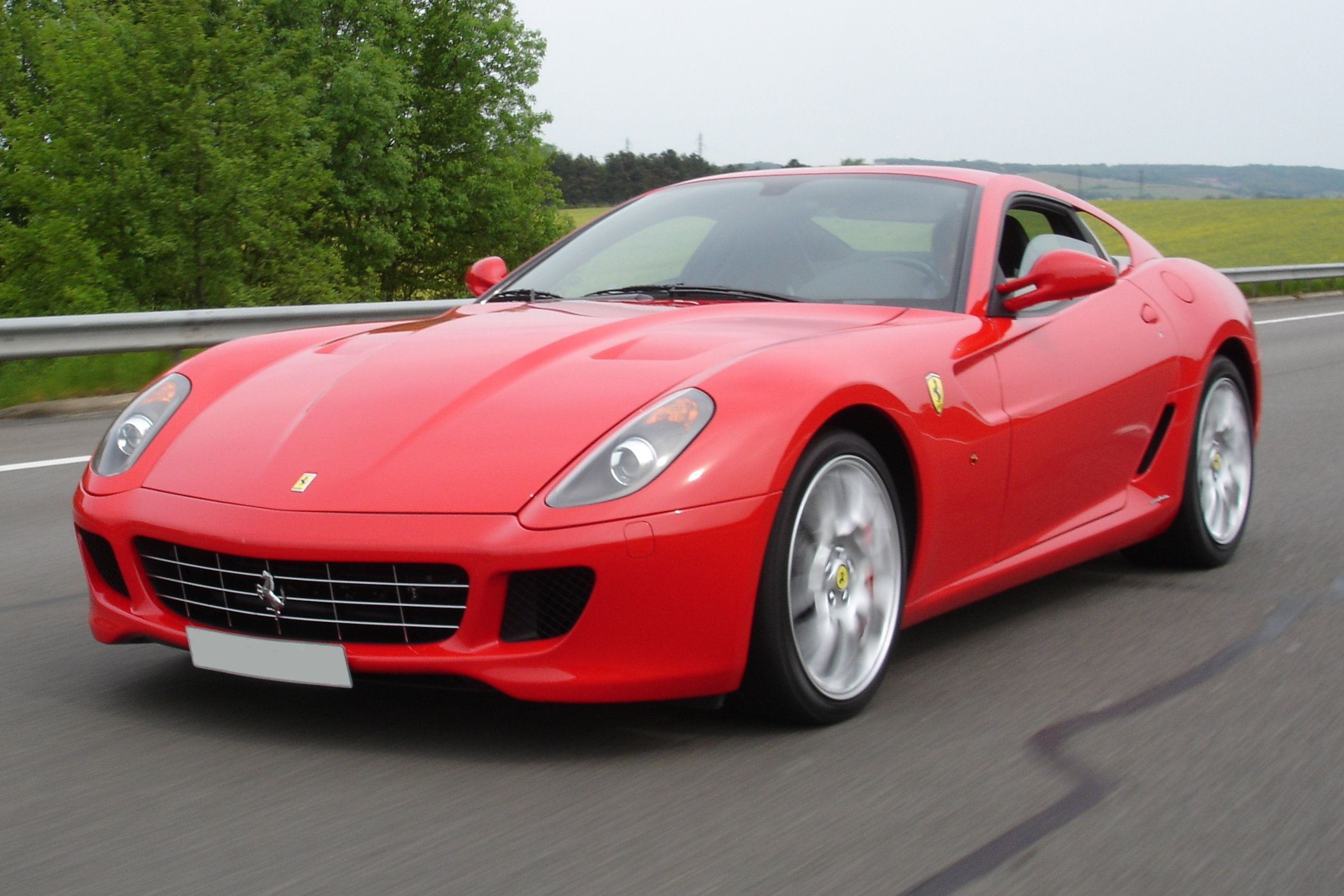
Underneath the bespoke, hand-formed aluminum and carbon-fiber bodywork lies the formidable chassis and powertrain of a Ferrari 599 GTB Fiorano (2006–2012). This selection of donor hardware is inspired: the 599’s long-hood, rear-biased proportions provide the perfect canvas for the transformation into a "Shooting Brake"—a term describing a vehicle that bridges the gap between a sleek two-door sports car and a functional estate.
The heart of the beast remains the 6.0-liter naturally aspirated V12 engine, capable of churning out 620 horsepower and 608 Nm of torque. In its original form, this powerplant propelled the 599 GTB to 100 kph in a blistering 3.7 seconds, reaching a top speed of 330 kph. While the mechanicals remain largely faithful to the donor car, the exterior and interior have undergone a total metamorphosis, requiring over 15,000 hours of labor to ensure every panel, vent, and stitch honors the lineage of its predecessor.
The Chronology of an Icon
To understand the significance of Van Roij’s project, one must travel back to the late 1960s. The Ferrari 365 GTB/4, famously dubbed the "Daytona" by the press following Ferrari’s historic 1-2-3 finish at the 1967 24 Hours of Daytona, was a departure from the rounded, sensual forms of the early 60s. Pininfarina’s design was sharp, aggressive, and distinctly wedge-like.
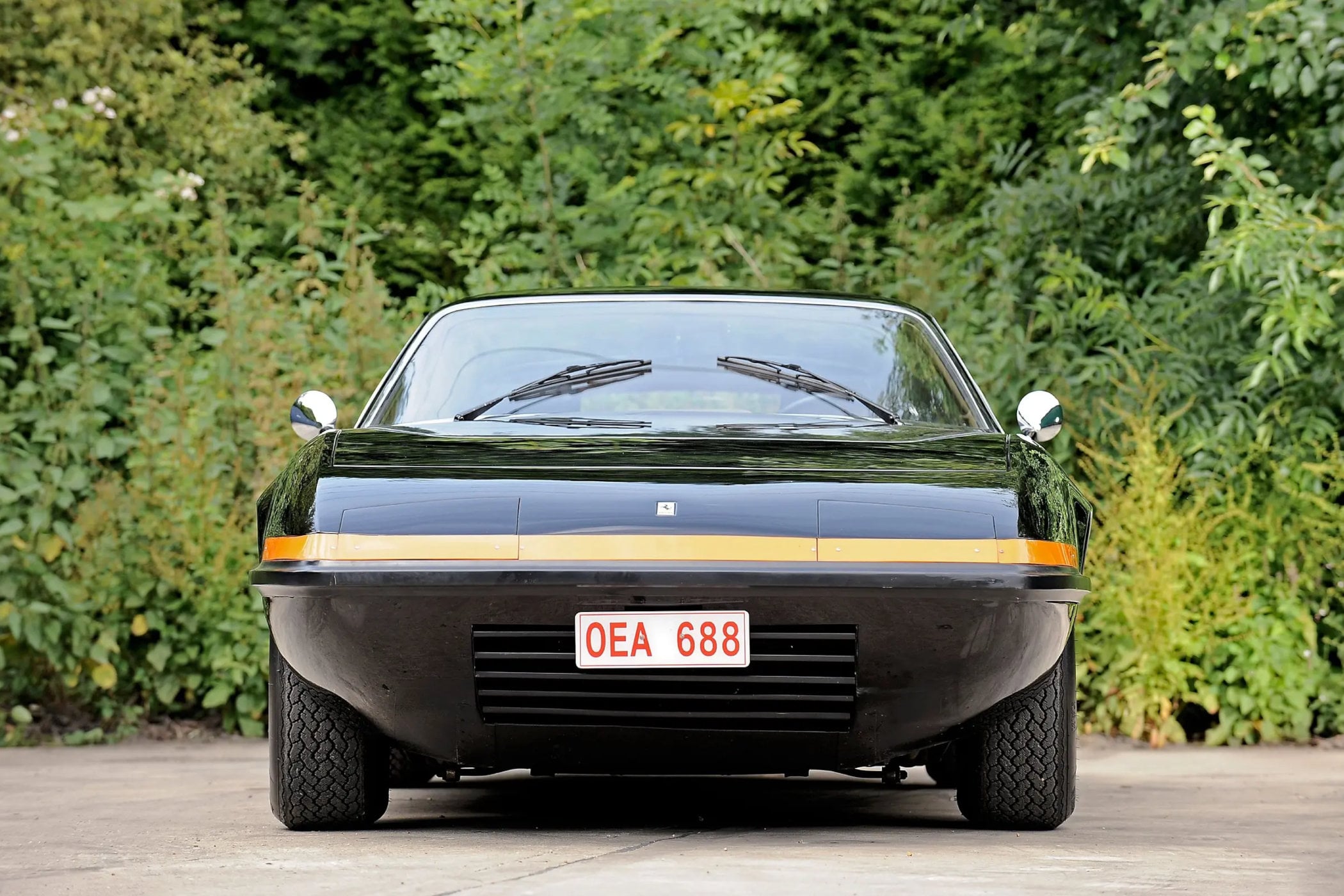
The original Shooting Brake iteration, however, was born from a different necessity. In 1972, Luigi Chinetti Jr.—son of the legendary Ferrari importer for North America—sought to create a Ferrari that combined supercar performance with the utility of a luxury wagon. Working with the British coachbuilder Panther Westwinds, Chinetti commissioned a conversion that saw the Daytona’s rear roofline extended, fitted with distinctive gullwing-style rear windows and a vertical tailgate. It was a polarizing creation that defied the rigid expectations of the tifosi, yet it cemented its place in automotive history as a symbol of mid-century excess and individualism.
Niels van Roij’s journey to create the Hommage began years ago. It was a project defined by research, historical reverence, and an obsessive attention to detail. By selecting the 599 GTB as the base, Van Roij capitalized on the modern equivalent of the Daytona’s front-engined V12 layout, ensuring that the silhouette remained authentic while meeting the comfort and performance standards of a modern driver.
Supporting Data: Engineering the Hommage
The transformation of the 599 GTB into the Daytona Shooting Brake Hommage is not merely a cosmetic exercise; it is an extensive structural recalibration.
Exterior Refinements
The nose of the car has been entirely remodeled to mirror the sharp, low-slung aesthetic of the 1972 original. The most striking update is the implementation of a full-width light bar that pays homage to the amber signal line of the original Daytona, integrated seamlessly with bespoke LED headlights housed in matte black surrounds. The iconic Ferrari V12 engine cover has been painstakingly sculpted to feature the signature dual vents, facilitating thermal management while providing a visual link to the 1970s design.
The rear, of course, is the defining feature. The aluminum and carbon fiber roof extension flows into a vertical glass hatch, flanked by custom LED taillights. The integration of these elements into the 599’s chassis required extensive structural reinforcement to maintain rigidity while allowing for the unique rear aperture.
Interior Craftsmanship
Inside the cabin, the evolution is equally dramatic. While the 599’s functional controls remain for reliability, the cabin environment has been completely reupholstered in quilted leather. The gauge cluster, a centerpiece of the original 1972 design, has been relocated to the center of the dash, eschewing traditional walnut trim for high-grade carbon fiber. The cargo area, accessible via the gullwing rear doors, is finished with CNC-machined aluminum runners, turning a "trunk" into a high-art storage space.
Official Responses and Public Debut
The project made its long-awaited public debut at the Royal Automobile Club, followed by a prestigious appearance at the Goodwood Festival of Speed. The response from the automotive community has been one of awe, particularly regarding the sheer labor hours involved.
"The goal was never to simply replicate, but to re-imagine the spirit of Chinetti’s original through the lens of modern engineering," stated the team at Niels van Roij Design. By bridging the gap between a 1970s dream and a 21st-century reality, the design house has successfully navigated the precarious balance between homage and pastiche. The car is intended to be a functional, road-going vehicle, capable of drawing stares at the Casino de Monte Carlo or the lawns of Pebble Beach with equal ease.
Implications: The Future of Coachbuilding
The existence of the Daytona Shooting Brake Hommage raises important questions about the future of the automotive industry. As major manufacturers pivot toward standardized electric platforms, the scope for unique, personalized coachbuilding is narrowing. However, projects like this demonstrate that there is a thriving, albeit niche, market for those who view the car as a medium for artistic expression rather than just a tool for transportation.
By utilizing a "modern classic" like the 599 GTB as a donor, Van Roij is essentially creating a bridge. He is proving that we do not need to abandon the internal combustion engine or the analog joy of a V12 to innovate. Instead, we can use the heritage of the past to refine the capabilities of the present.
Furthermore, the 15,000-hour development cycle highlights the sustainability of "bespoke" culture. This is a car built to last—a car that will be maintained, cherished, and preserved long after the mass-market vehicles of today have been recycled. It is an argument for quality over quantity, a testament to the fact that when you give a master craftsman the time and the resources, the result is something that transcends the sum of its parts.
In the final analysis, the Niels van Roij Daytona Shooting Brake Hommage is more than just a tribute to an obscure Ferrari. It is a declaration of independence for the automotive designer. It proves that even in a world obsessed with efficiency, there is still room for the unnecessary, the beautiful, and the truly unique. As the automotive landscape continues to change, one hopes that there will always be a place for the coachbuilders—the dreamers who look at a masterpiece and ask, "What if?"