While the past decade of horological design has been dominated by a kaleidoscope of vibrant tones—from electric turquoise and smoking green to fiery gradients that routinely push classical codes into the background—the foundational pillars of watchmaking style remain stubbornly resilient. A deep midnight blue, a stark black, or a polished silver dial will never fall out of favor. Yet, there is a hue even more fundamental, tracing its lineage back to the earliest days of portable timekeeping and pocket-watch mastery: white.
On paper, white appears to be the ultimate minimalist canvas. In reality, it is a vast, complex spectrum. The nuance of a dial’s tone—whether it leans toward a sterile optical white, a warm vintage cream, a silvery galvanic sheen, or an icy translucent frost—defines the character of a timepiece. Coupled with the varied manufacturing techniques required to achieve these distinct shades, the canvas broadens exponentially. To explore this nuance, we examine six contemporary timepieces that approach the classical white dial through radically different lenses, ranging from haute horlogerie traditionalism to high-tech avant-garde sports design.
Main Facts: The White Dial Renaissance
The modern appreciation for white dials is rooted in legibility, historical reverence, and architectural purity. However, contemporary watchmakers are proving that white is far from a uniform or safe choice.
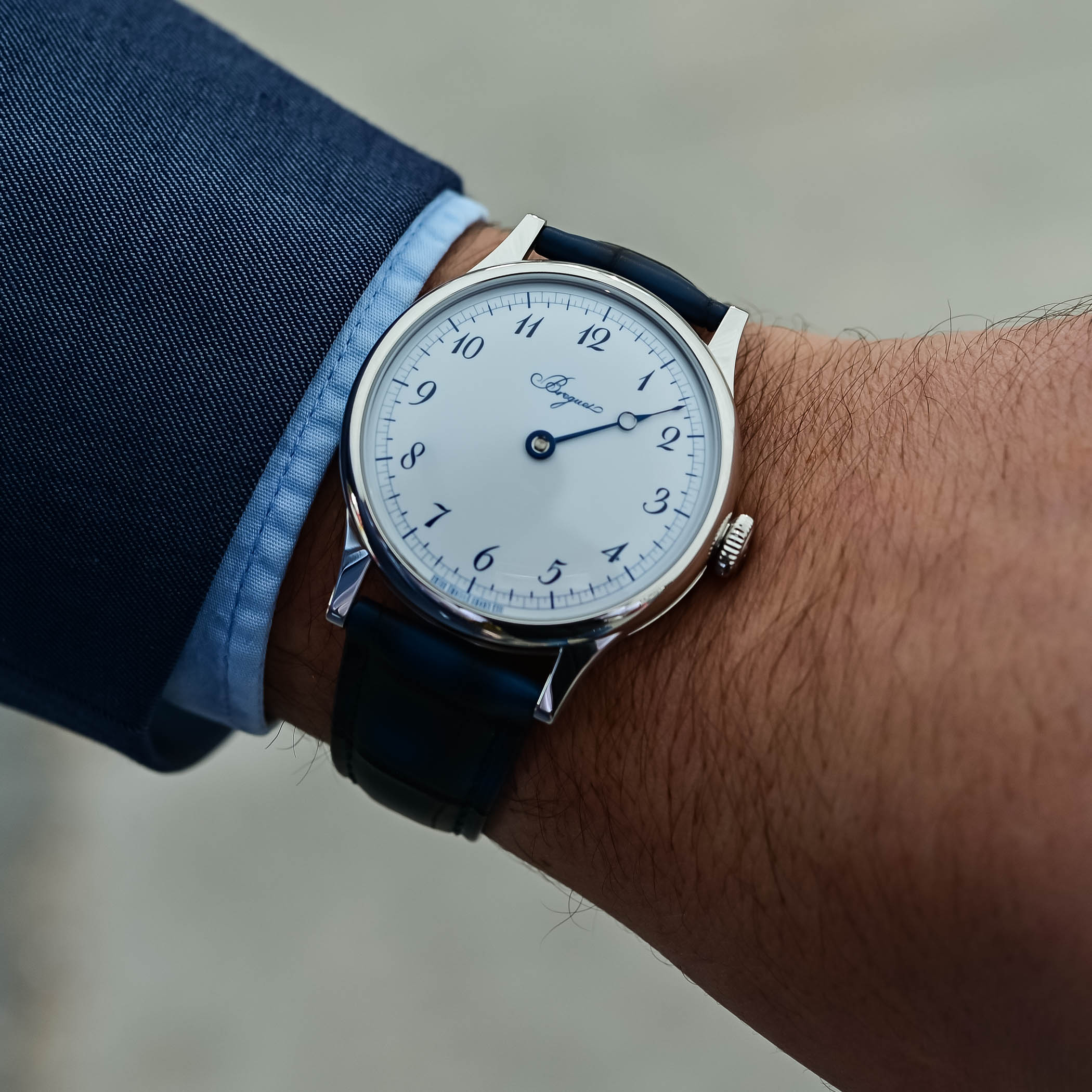
- Breguet Classique Souscription Platinum: A 40mm platinum tribute to Abraham-Louis Breguet’s 1796 pocket watch, featuring a pristine white Grand Feu enamel dial, a single flame-blued steel hand, and Petit Feu enamel blue details. Priced at EUR 68,000.
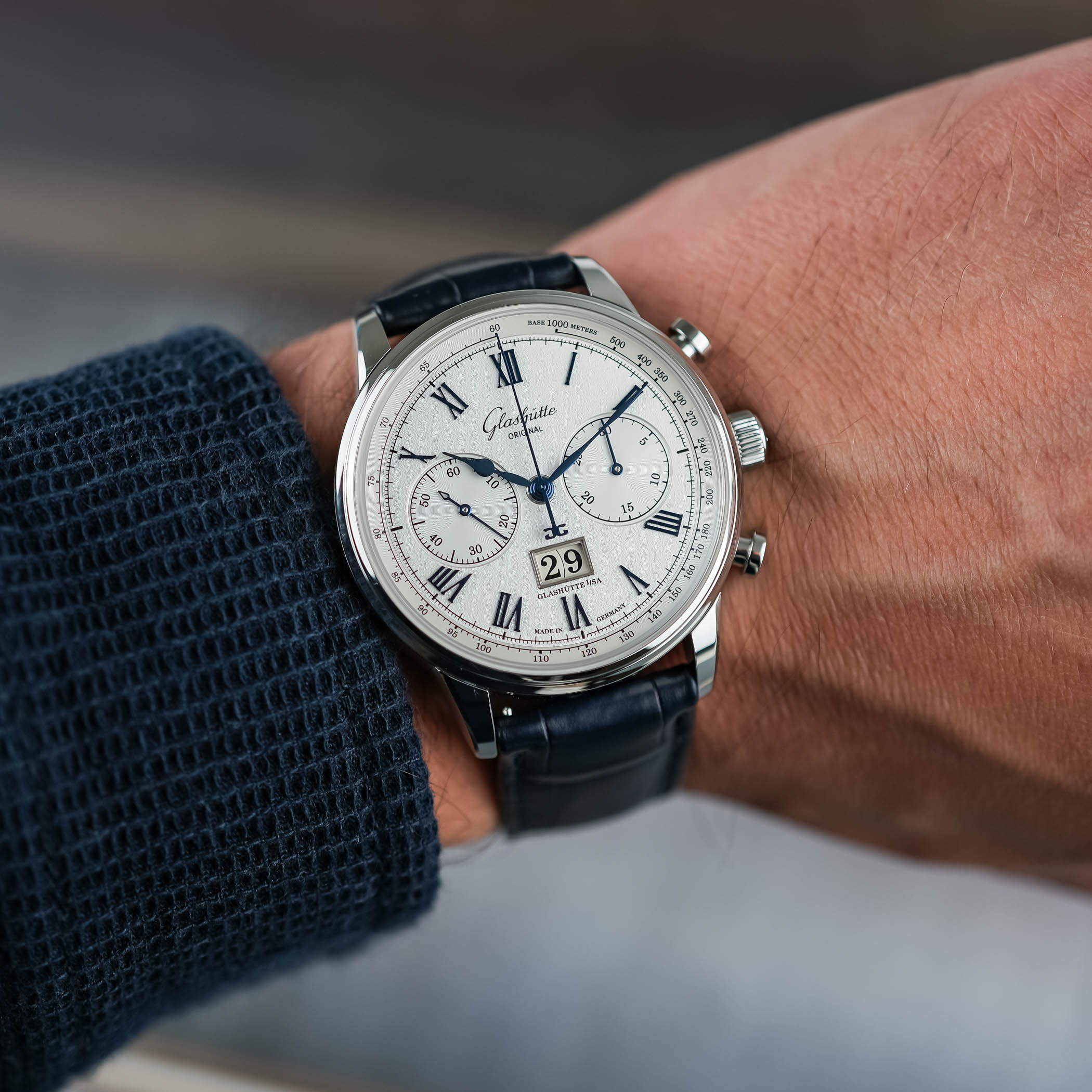
- Glashütte Original Senator Chronograph: A refined 41mm stainless steel flyback chronograph featuring a finely grained galvanic silvery-white dial, blued gold-applied markers, and the brand’s signature Panorama Date. Priced at EUR 15,900 (strap) or EUR 16,800 (bracelet).
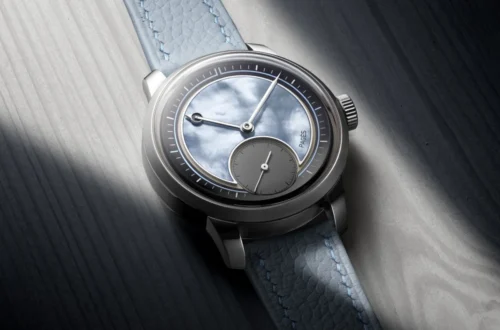
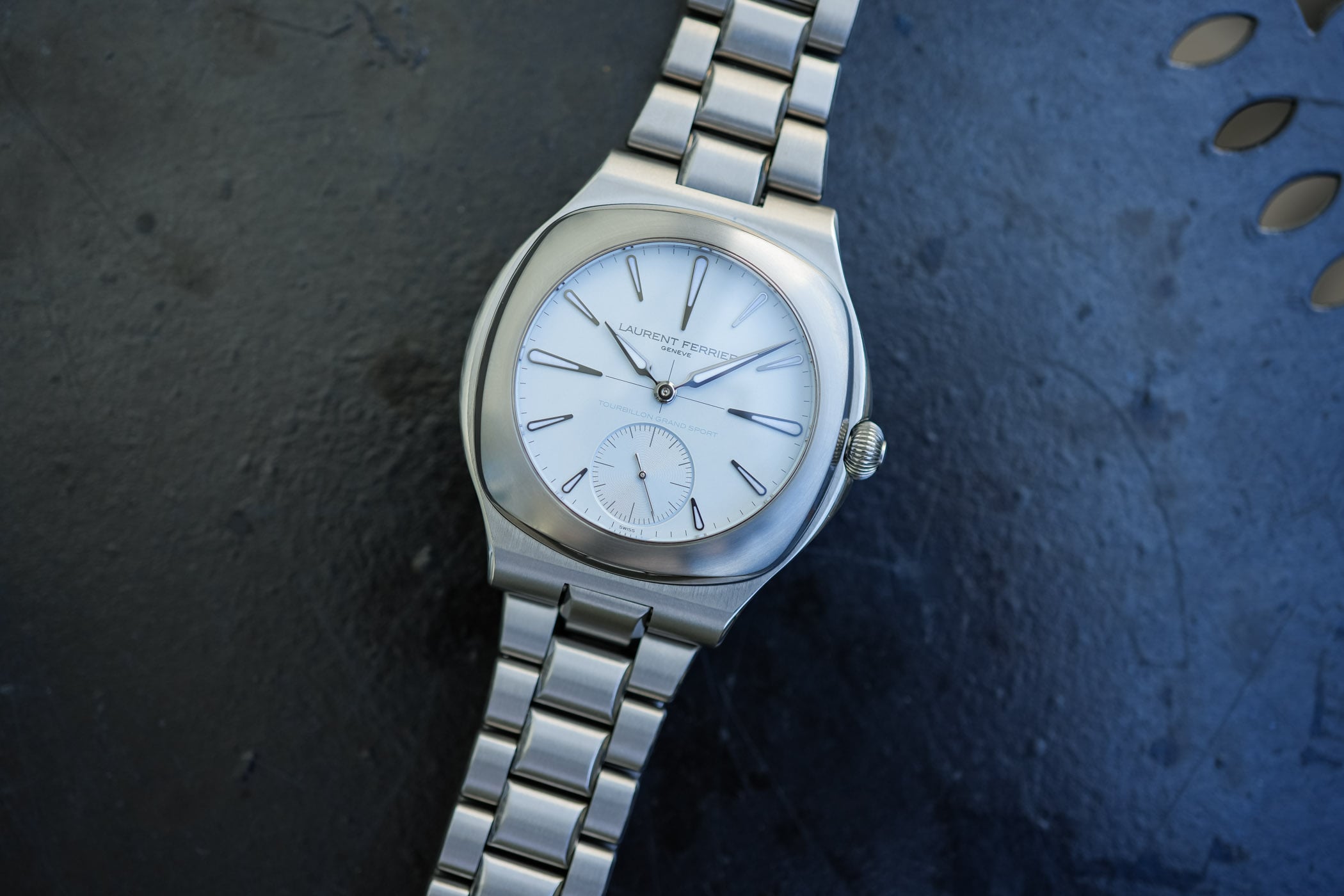
- Laurent Ferrier Grand Sport Tourbillon Iceberg: A 44mm grade 5 titanium sports watch boasting an opaline white-blue dial with subtle icy shifts in the light, housing a double-spiral tourbillon movement. Priced at CHF 175,000 (excl. VAT).
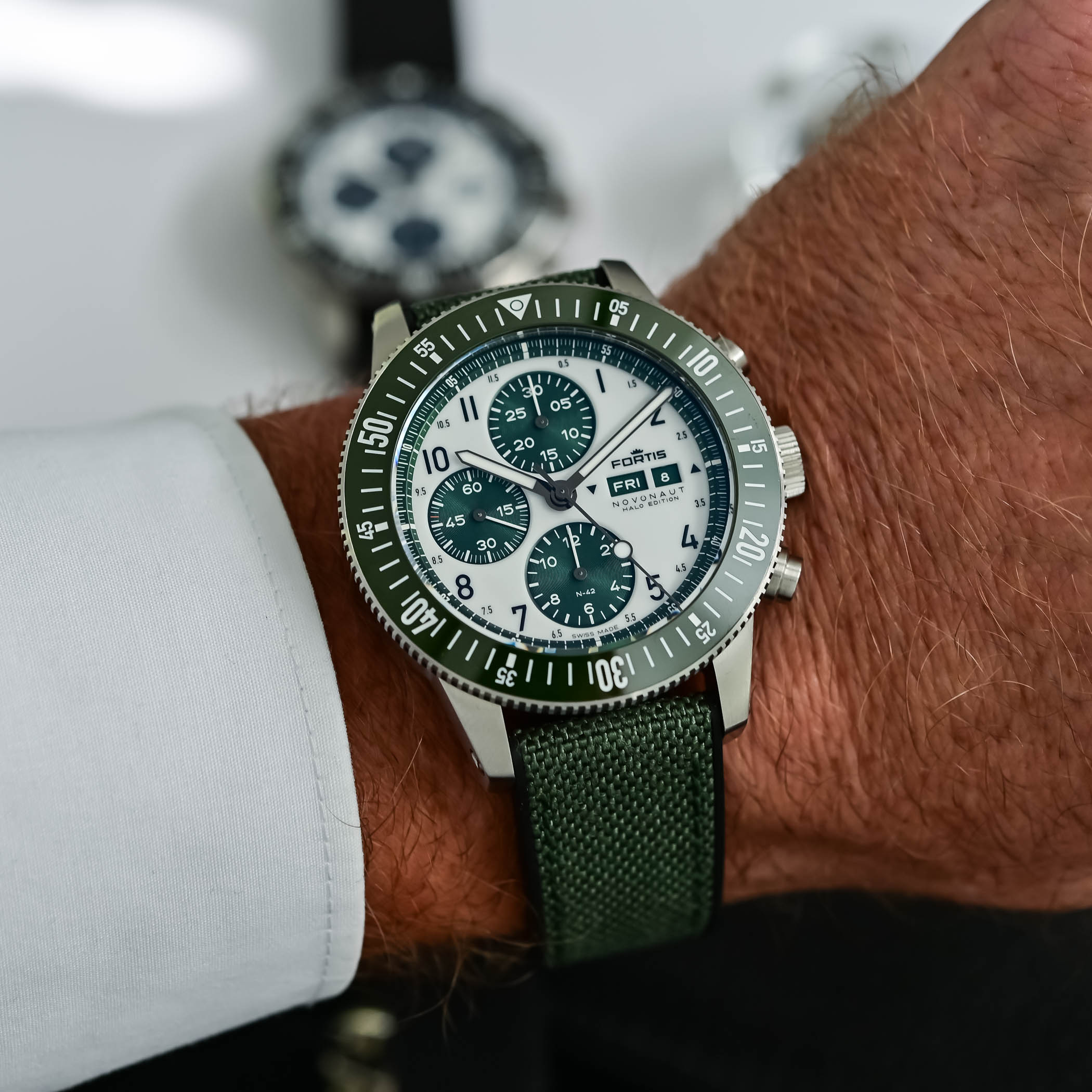
- Fortis Novonaut N-42 Halo: A robust 42mm space chronograph featuring a fully luminous Lumicast X1 white base dial that transforms into a glowing blue aura in low light, paired with contrasting subdials. Priced at EUR 5,950.
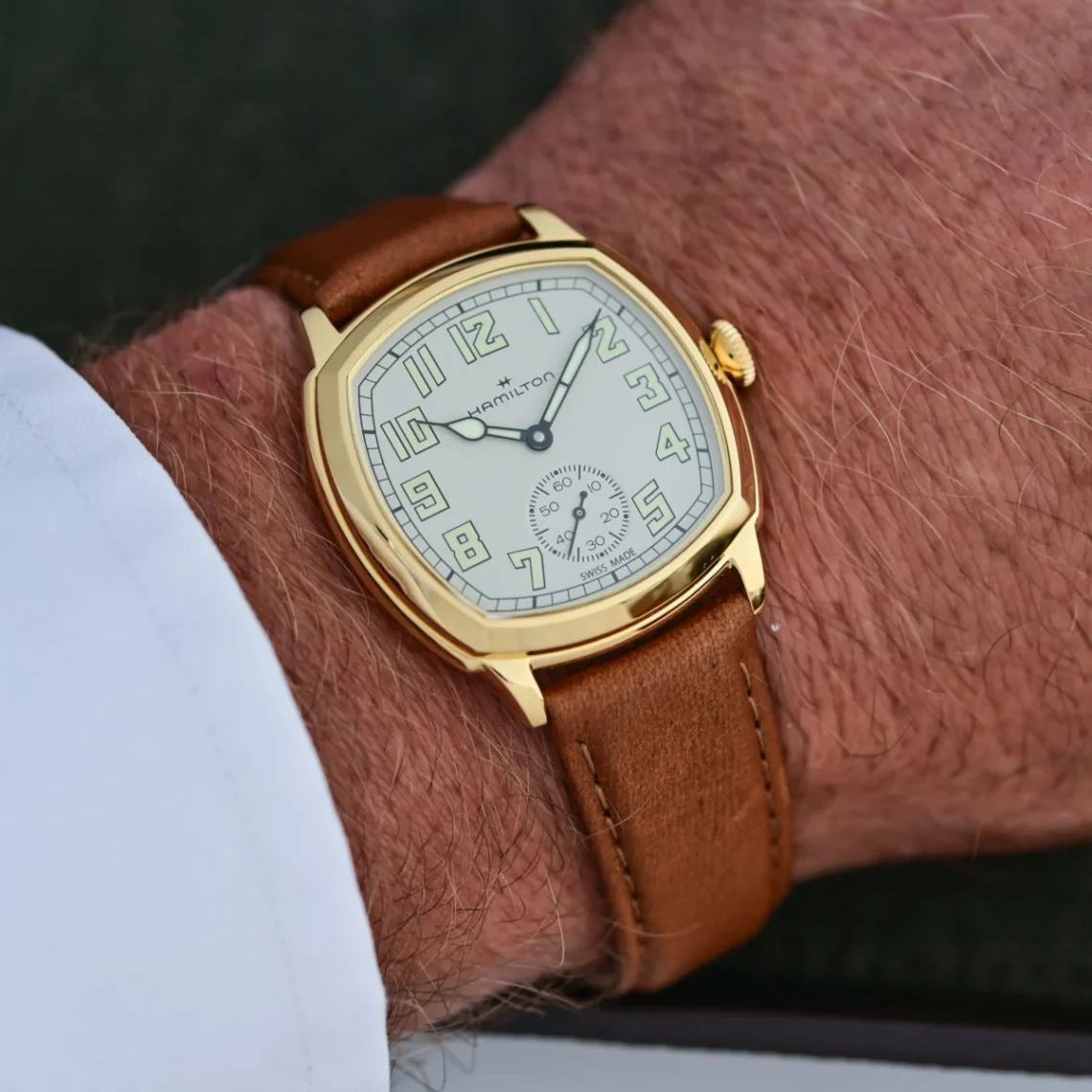
- Hamilton American Classic Cushion Mechanical: A direct descendant of 1926 archives, offering a compact 30mm or 34mm cushion-shaped case in steel or gold PVD, featuring a classic white dial with historical numerals. Priced from EUR 995 to EUR 1,095.
- Hermès H08 Blanc Chantilly: An urban sports watch combining a braided glass-fibre composite case, a white ceramic bezel, and a bright white lacquered dial with darkened architectural numerals. Priced at EUR 8,150.
Chronology of Craft: From Pocket Watches to High-Tech Composites
The journey of the white dial spans centuries, evolving from functional legibility tools into high-art expressions.
1796 to Present: The Enamel Tradition of Breguet
The historical roots of the white dial are deeply intertwined with enamel craftsmanship. Abraham-Louis Breguet revolutionized watchmaking by introducing the "Souscription" watch in 1796, a subscription-based system that relied on a simple, highly legible layout. Following last year’s gold iteration celebrating the brand’s 250th anniversary, the Breguet Classique Souscription Platinum pays homage to this exact lineage.
The dial is crafted using traditional Grand Feu enamel—a painstaking process of fusing glass powder to a metal base under extreme kiln temperatures—resulting in a stark, timeless white surface that will never degrade or fade. Accented with Petit Feu enamel markings and a solitary blued-steel hand, the watch operates on the hand-wound calibre VS00, featuring a central barrel and hand-applied engravings visible through the sapphire caseback.
Mid-Century Revival: Glashütte Original and Hamilton
Moving into the 20th century, white and silvery tones became the standard for functional chronographs and dress watches. Glashütte Original channels this mid-century elegance with the Senator Chronograph. Utilizing a galvanic treatment, the brand achieves a silvery-white finish that straddles the line between a warm silver and an optical white.
Conversely, Hamilton looks back to its roaring twenties archives with the Cushion Mechanical. Drawing inspiration from the 1926 Cushion Plain and Engraved models, Hamilton revives the geometric charm of the era. Utilizing an upgraded ETA 7001 architecture (calibre H-42), the brand proves that historical white-dial dress watch codes remain universally appealing at an accessible price point.
The Modern Avant-Garde: Laurent Ferrier, Fortis, and Hermès
In the 21st century, white has escaped the confines of traditional dress watches and entered the realm of high-end sports design. Laurent Ferrier’s Grand Sport Tourbillon Iceberg introduces a dial that appears stark white at first glance, but reveals an ephemeral icy blue glow under shifting light conditions.
Similarly, Fortis and Hermès redefine white through material science. Fortis infuses its Novonaut N-42 Halo with a fully luminous Lumicast X1 white base, turning tactical space instrumentation into a glowing nocturnal spectacle. Hermès, meanwhile, pairs a brilliant white lacquered dial with a braided glass-fibre composite case and white ceramic bezel in the H08 Blanc Chantilly, proving that white can feel remarkably organic and modern when matched with technical textures.
Supporting Data & Technical Specifications
| Model | Case Material & Dimensions | Dial Type / Finish | Movement | Power Reserve | Price |
|---|---|---|---|---|---|
| Breguet Classique Souscription | 950 Platinum, 40mm x 10.8mm | White Grand Feu Enamel | Calibre VS00 (Manual) | 96 hours | EUR 68,000 |
| Glashütte Original Senator Chronograph | Stainless Steel, 41mm x 12.9mm | Galvanic Silvery-White | Calibre 37-24 (Automatic) | 70 hours | EUR 15,900 – 16,800 |
| Laurent Ferrier Grand Sport Iceberg | Grade 5 Titanium, 44mm x 13.4mm | Opaline White-Blue | Calibre LF619.01 (Manual) | 80 hours | CHF 175,000 (ex. VAT) |
| Fortis Novonaut N-42 Halo | Stainless Steel, 42mm x 15mm | Luminous Lumicast X1 White | Calibre Werk TR 17 (Auto) | 70 hours | EUR 5,950 |
| Hamilton Cushion Mechanical | Steel / Gold PVD, 30mm or 34mm | White / Black (Historic) | Calibre H-42 (Manual) | 57 hours | EUR 995 – 1,095 |
| Hermès H08 Blanc Chantilly | Glass-Fibre Composite, 39mm x 10.6mm | White Lacquered | Calibre Hermès H1837 (Auto) | 50 hours | EUR 8,150 |
Official Responses and Industry Perspectives
The resurgence of white-dial dominance—not merely as a default choice, but as a deliberate aesthetic statement—has sparked significant commentary from manufacturing houses and master watchmakers alike.
Representatives from Breguet emphasized that the decision to house a Grand Feu enamel dial within a modern platinum case bridges the gap between museum-tier preservation and contemporary wearability. "The 1796 Souscription was a radical exercise in simplicity," notes the brand’s product development division. "By translating that purity into platinum and flawless enamel today, we are reminding collectors that true luxury lies in unadorned legibility and centuries-old craftsmanship."
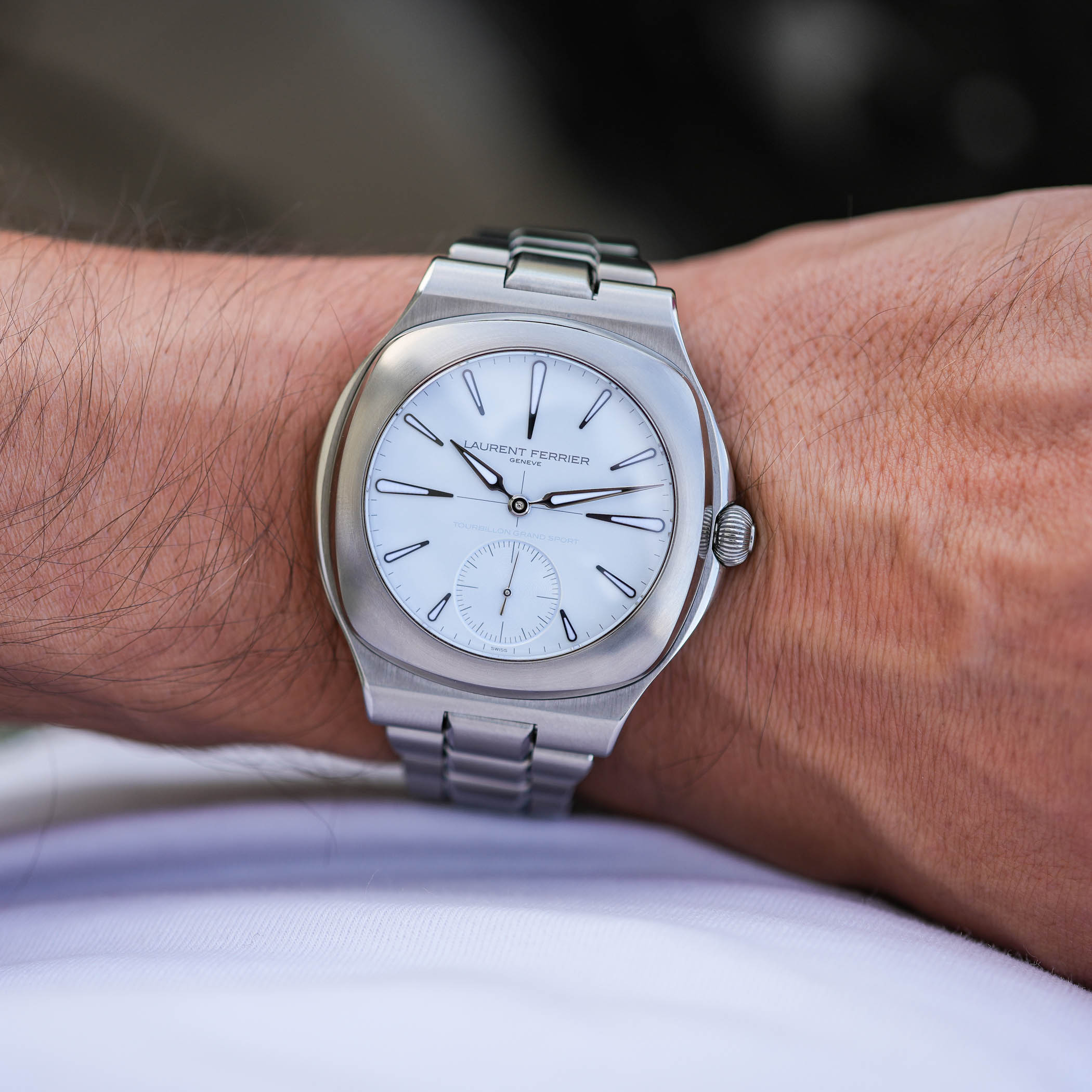
From the independent watchmaking sector, Laurent Ferrier’s design philosophy highlights the emotional resonance of subtle color transitions. The interplay between the opaline white-blue dial of the Iceberg and its integrated titanium architecture was engineered to evoke glacial landscapes. "White is never just white," brand artisans have noted. "When interacted with natural light, it breathes. It transforms from a clinical laboratory tone into something organic, fluid, and alive."
In the realm of functional tool watches, Fortis approaches the white dial through an engineering lens. By transforming the entire dial base of the Novonaut N-42 Halo into a high-performance luminous plane, the brand challenges the traditional dark-dial convention of aviation and space chronographs. "Legibility in extreme environments requires maximum contrast," Fortis engineers state. "By turning the negative space into a light source itself, we offer a completely new way to read time in the dark without sacrificing clean daytime aesthetics."
Implications for the Collector Market
The shifting landscape of dial design carries profound implications for collectors and market trends over the coming years.
- Fatigue of the "Color Craze": After a decade defined by hyper-saturated dials (salmon, turquoise, mustard yellow, and gradient fume effects), the market is experiencing a correction toward understated sophistication. Collectors are increasingly seeking versatile daily wearers that will not feel dated as micro-trends fade.
- The Premium on Traditional Craft: The high cost associated with timepieces like the Breguet Souscription (EUR 68,000) and Laurent Ferrier Iceberg (CHF 175,000) highlights a growing appreciation for artisanal dial-making. Grand Feu enamel and complex opaline finishing require master-level execution with high scrap rates, driving demand among connoisseurs who value immutable craft over fleeting novelties.
- Material Hybridization: Brands like Hermès and Fortis demonstrate that white dials are no longer restricted to classic dress watch parameters. By pairing bright white surfaces with high-tech composites, ceramic bezels, and advanced luminous materials, manufacturers are successfully appealing to younger, sport-oriented demographics who previously overlooked traditional white-dial aesthetics.
Ultimately, while color will always have a vital place in modern horology, these six timepieces prove that mastering the spectrum of white is the ultimate test of a watchmaker’s maturity, restraint, and artistic vision.