Published: October 14, 2026 Source:Robb Report Editorial Preview
Main Facts
Delta Air Lines has officially pulled back the curtain on the next generation of its premier business-class product, Delta One. Building upon the introduction of its newly redesigned seats earlier this year, the carrier is rolling out a comprehensive, high-end overhaul focusing on gastronomy, curated beverage selections, designer collaborations, and passenger personalization.
The multi-faceted enhancement touches nearly every touchpoint of the premium travel experience. Culinary offerings have been revamped under the direction of Michelin-starred chef Simon Hulstone, introducing region-specific menus featuring gourmet burgers, braised lamb, and seasonal risottos. The beverage program now boasts rare allocations like Blanton’s Single Barrel Bourbon, a restructured wine curation process, craft cocktails, and destination-specific spirits such as Dassai sake for Tokyo-bound flights. Furthermore, Delta is elevating its comfort amenities through an exclusive partnership with legendary Italian fashion house Missoni, alongside performance-focused sleep and relaxation gear.
Operational improvements accompany these physical upgrades. Delta is shortening its meal pre-selection window to just 18 hours prior to departure, setting a new benchmark as the only U.S. carrier to offer pre-ordering this close to take-off. The reimagined experience debuts this fall on transoceanic flights originating from the airline’s Los Angeles International Airport (LAX) hub, with a full fleet-wide rollout scheduled for early 2027.
Chronology of the Transformation
The evolution of the modern Delta One experience has been a carefully orchestrated, multi-year strategy designed to reposition the legacy carrier at the absolute pinnacle of global aviation luxury.
Early 2026: Delta introduces its cutting-edge, next-generation Delta One seats, garnering widespread industry praise for privacy, ergonomics, and advanced cabin integration.
Mid-2026: Strategic partnerships are finalized. Chef Simon Hulstone—famed for leading the Michelin-starred Elephant restaurant in the United Kingdom—begins overhauling the global culinary program, while high-fashion house Missoni signs on to design exclusive amenity kits and cabin textiles.
October 2026: Delta formally previews the complete Delta One overhaul to select aviation and lifestyle media, including Robb Report, detailing the sweeping changes to dining, spirits, wine rotations, and passenger logistics.
Fall 2026: The newly reimagined Delta One experience officially takes flight, launching on key transoceanic routes departing from Delta’s premier hub at Los Angeles International Airport (LAX).
Early 2027 (Projected): The comprehensive Delta One service, dining, and amenity program is slated to expand across the remainder of the airline’s international widebody fleet.
Supporting Data & Experience Breakdown
1. The Culinary Renaissance
Led by Chef Simon Hulstone, the new Delta One menu shifts away from generic airline catering toward regionally inspired, restaurant-quality dining.
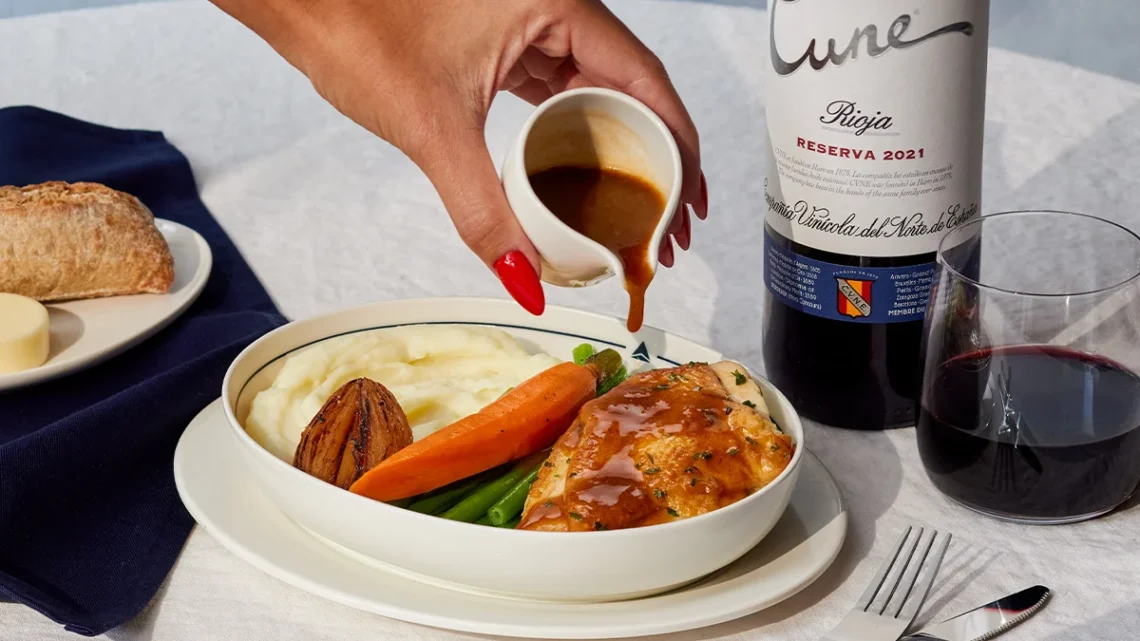
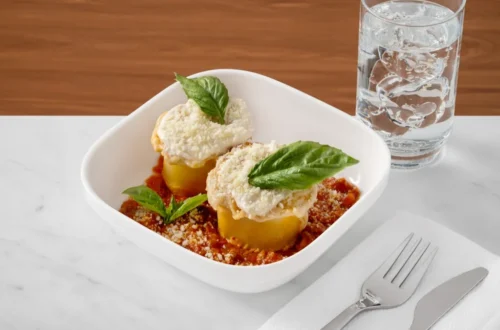
Signature Entrées: Highlights include the Delta One Wagyu Beef Burger—complete with caramelized onions, cheddar cheese, and cornichons served on a lightly toasted brioche bun—alongside a seasonally rotating artisan risotto, slow-braised lamb with rich red-wine demi-glace, Lyonnaise potatoes, and grilled asparagus, plus a refined classic chicken Caesar salad.
Dessert Innovations: The beloved customizable Delta One ice cream sundae remains a staple, now enhanced with a richer, premium chocolate sauce. New additions include a dairy-free sorbet that can be elevated into an indulgent Champagne Taittinger float, and a Napa Valley–inspired artisanal fruit and cheese plate.
Enhanced Pre-Ordering: Passengers can now select their preferred meals up to 18 hours before departure. This shrinks the previous 24-hour window, making Delta the sole U.S. carrier to offer such a flexible, late-stage ordering timeline.
2. A Refined Beverage Program
The bar in the sky has been raised significantly, balancing rare spirits with thoughtful mixology and a restructured wine program.
Top-Shelf Bourbons: Delta One now pours Blanton’s Single Barrel Bourbon—widely celebrated as one of the 21st century’s premier bourbons. Bottled at 93 proof, the spirit offers passengers dry vanilla notes paired with subtle hints of honey at 35,000 feet.
Curated Wine Selections: Moving away from quarterly rotations, Delta will now refresh its wine menu biannually. This deliberate six-month cycle allows the airline to showcase approximately 13 meticulously chosen wines culled from an initial blind tasting pool of over 1,600 global entries.
Cocktails and Regional Specialties: Craft mixology makes a strong appearance with onboard Hugo spritzes, Palomas, and sophisticated mocktail options. Additionally, travelers flying to Tokyo’s Haneda Airport will be treated to premium Dassai sake.
3. Design, Comfort, and Amenity Upgrades
Cabin aesthetics and personal comfort have been overhauled via strategic luxury partnerships.
Missoni Collaboration: Passengers will receive an exclusive Missoni-designed amenity kit featuring a nature-inspired aesthetic and a functional wrist strap meant for post-flight utility. Inside, travelers find high-end Grown Alchemist skincare products, a Marvis dental kit, and other travel essentials.
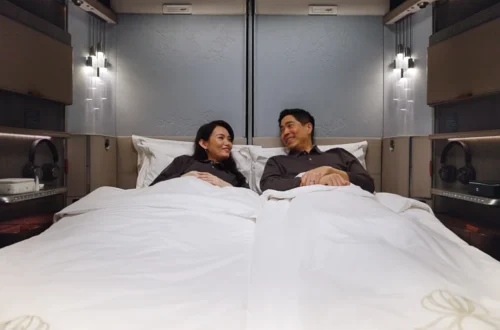
Sleep and Relaxation: The signature Delta One bed now features a second Missoni decorative pillow, supplementing the classic slippers, premium mattress pad, eye mask, and newly introduced Bombas compression and lounge socks.
Official Responses and Executive Perspective
Delta’s leadership emphasizes that these upgrades are not merely cosmetic, but rather a direct response to the evolving demands of today’s high-end global traveler.
"Delta’s fully reimagined experience is rooted in solving real customer needs and desires, with intentionality behind every detail," stated Ranjan Goswami, Delta’s Chief Marketing and Product Officer, in an official press release.
He added: "Every investment we make is deliberate and designed to deliver the industry’s most premium end-to-end travel experience. This elevated dining and hospitality experience reflects our relentless focus on raising the bar while giving customers greater control throughout their journey."
By pairing structural enhancements like shorter pre-order windows with tactile luxuries like Blanton’s bourbon and Missoni textiles, Delta is positioning itself as a dominant force in transoceanic luxury travel.
Implications for the Aviation and Luxury Travel Sectors
The unveiling of Delta’s fully realized Delta One product has significant ramifications for the fiercely competitive international business-class market:
Raising the Bar for U.S. Carriers: Historically, major U.S. airlines have often lagged behind their European and Asian counterparts (such as Singapore Airlines, Emirates, and Qatar Airways) in soft-product luxury. By integrating Michelin-starred culinary direction, rare single-barrel bourbons, and high-fashion collaborations, Delta is aggressively closing this gap.
The Power of Strategic Co-Branding: Aligning with luxury lifestyle brands like Missoni and culinary heavyweights like Chef Simon Hulstone allows Delta to capture the attention of affluent consumers who value design and gastronomy as much as flight punctuality.
Operational Agility as a Differentiator: By pushing meal pre-selection windows down to 18 hours prior to departure, Delta is setting a new logistical standard. In the premium travel sector, flexibility and personalization are paramount; reducing friction in the booking and pre-trip phase directly enhances passenger satisfaction.
Fleet-Wide Expectations: As the roll-out expands from LAX transoceanic routes this fall to the broader international fleet by early 2027, competitor airlines—particularly United and American Airlines—will likely be forced to reevaluate their own business-class soft products to maintain market share among corporate and luxury leisure flyers.