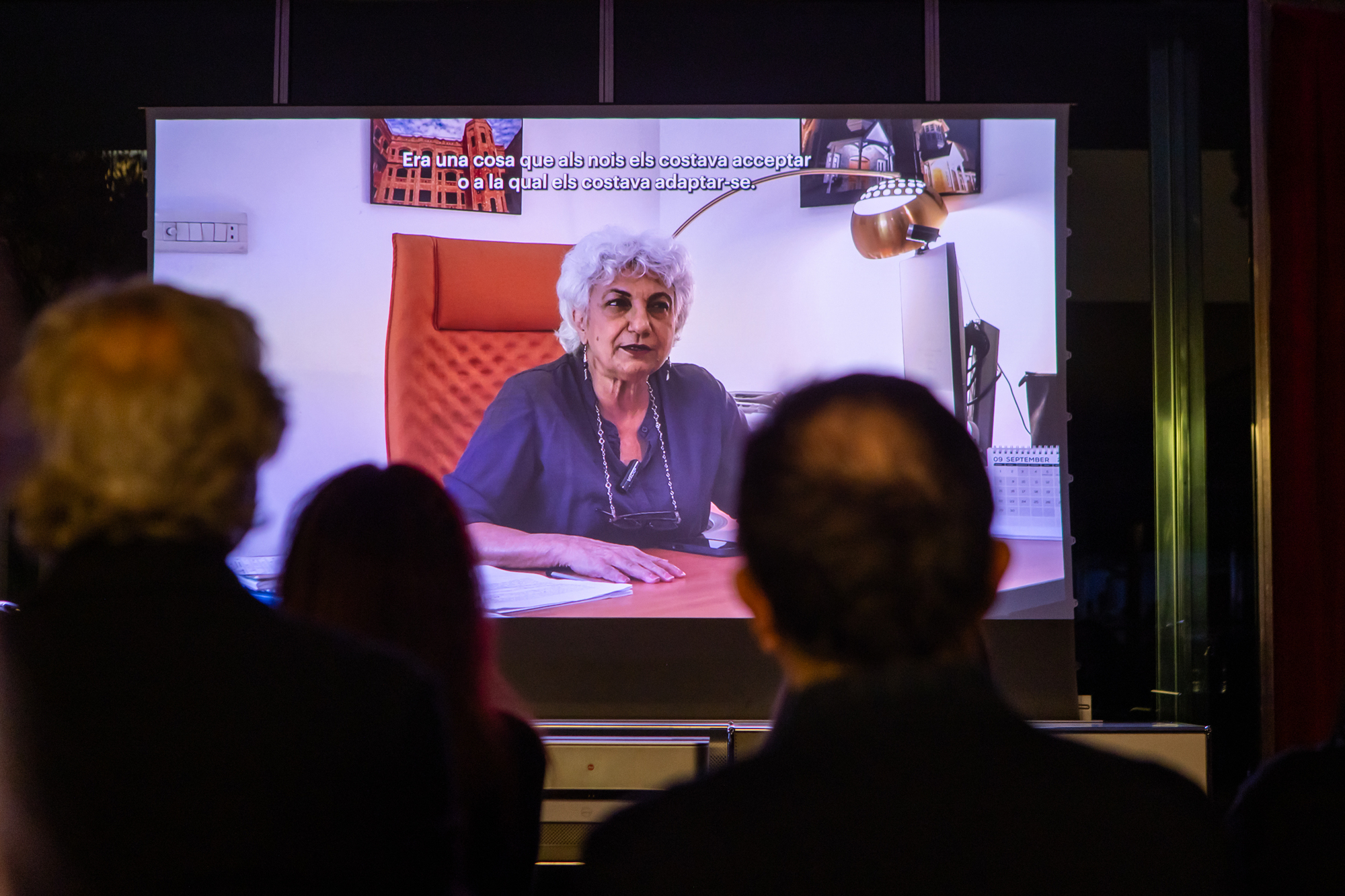
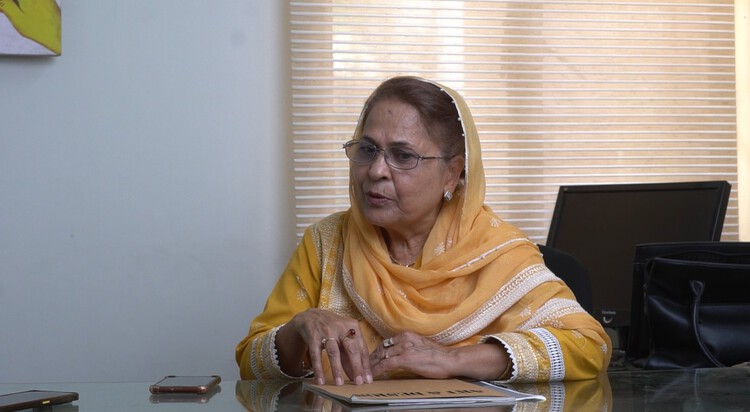
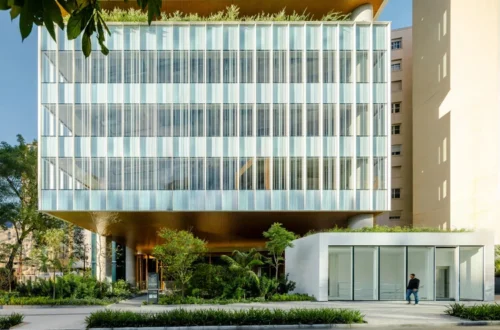
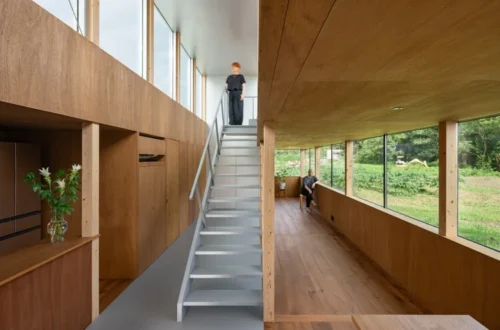
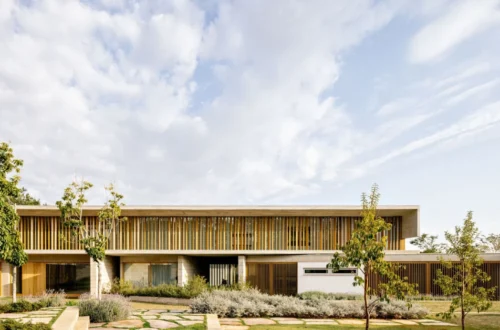
The architectural profession has long been characterized by a stark gender imbalance, a reality that persists despite decades of advocacy and shifting social norms. Globally, women represent approximately one-third or less of the registered architectural workforce, a statistic that underscores a systemic "leaky pipeline" where talented female graduates often disappear before reaching senior leadership or international recognition. In response to this enduring disparity, the Fundació Mies van der Rohe has unveiled a seminal documentary project titled Transnational Narratives: A Documentary Celebrating South Asian Women in Architecture.
Born from the 4th Lilly Reich Grant for Equality in Architecture, this documentary serves as both a historical record and a call to action. By focusing on the lived experiences of six pioneering architects of South Asian origin, the project seeks to dismantle the "invisibility" that has historically plagued women in the field, particularly those practicing outside the traditional Western canon.
Main Facts: A Transnational Lens on Architectural Equity
Transnational Narratives is not merely a film; it is the culmination of rigorous academic research and artistic collaboration. The project was spearheaded by a multidisciplinary team including Dr. Igea Troiani (London South Bank University), Dr. Mamuna Iqbal (University of Engineering and Technology Lahore), artist Paula Roush, and filmmaker Rime Tsujino.
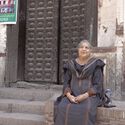
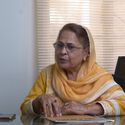
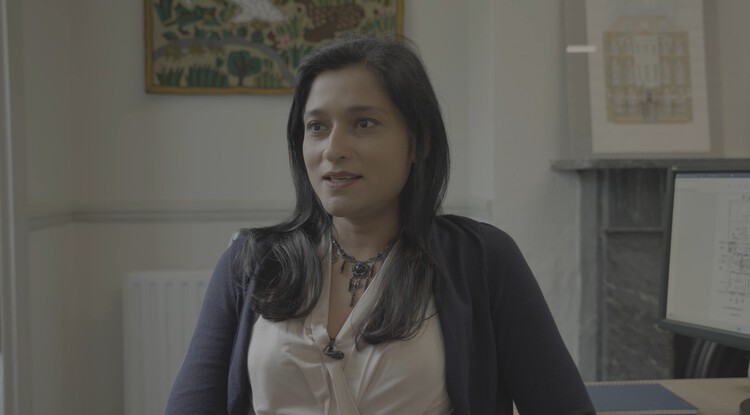
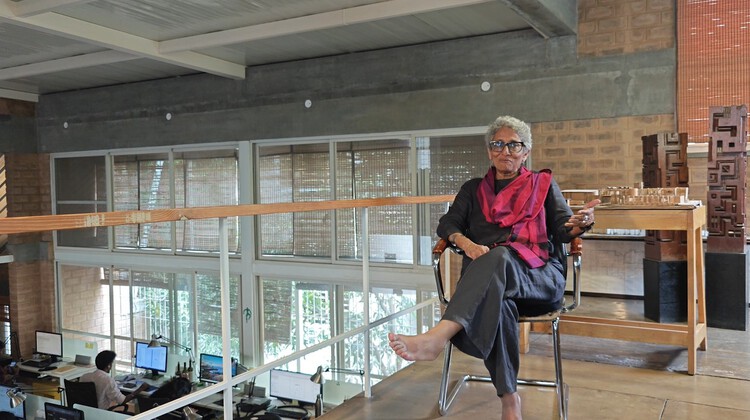
The documentary highlights the professional trajectories of six women:
Sumita Singha (UK/India)
Chitra Vishwanath (India)
Sara Khan (Pakistan/International)
Fauzia Qureshi (Pakistan)
Sajida Vandal (Pakistan)
Neelum Naz (Pakistan)
These women represent a diverse cross-section of architectural practice, ranging from sustainable mud-earth construction and urban heritage conservation to academic leadership and social activism. Their careers span the United Kingdom, India, and Pakistan, offering a unique "transnational" perspective on how architectural identity is shaped by migration, cultural heritage, and the navigation of patriarchal professional structures.
The film operates on a fundamental premise: that architecture is not a monolithic discipline of "starchitects" and iconic monuments, but a multifaceted practice deeply rooted in empathy, ethics, and social responsibility. By centering these narratives, the Fundació Mies van der Rohe aims to broaden the definition of architectural excellence and provide tangible role models for the next generation of practitioners.
Chronology: From Grant to Global Premiere
The development of Transnational Narratives followed a structured timeline that reflects the Fundació Mies van der Rohe’s commitment to deep-dive research.
September 2024 – Announcement of the 4th Lilly Reich Grant: The Fundació Mies van der Rohe opened applications for the grant, named in honor of Lilly Reich, the pioneering designer and collaborator of Ludwig Mies van der Rohe. Reich’s own contributions were overlooked for decades, making the grant’s mission to support "invisible" contributions particularly poignant.
Early 2025 – Project Selection: The proposal by Dr. Troiani and Dr. Iqbal was selected for its innovative use of film as a research medium and its focus on the intersection of gender and the South Asian diaspora.
Mid-2025 – Fieldwork and Interviews: Dr. Troiani and Dr. Iqbal conducted extensive interviews and site visits across Pakistan and the United Kingdom. This phase involved not just documenting buildings, but capturing the "bodily responses," accents, and cultural nuances of the architects in their working environments.
Late 2025 – Post-Production: Filmmaker Rime Tsujino and researcher Paula Roush worked to weave the interviews into a cohesive narrative, focusing on three core thematic pillars: the definition of an architect, the challenges of practicing in home countries, and the evolution of a feminist, transnational practice.
March 10, 2026 – Official Premiere: The documentary was officially presented at the Mies van der Rohe Pavilion in Barcelona. The event featured a presentation by the authors and served as a focal point for discussions on gender equality in the lead-up to International Women’s Day.
July 24, 2026 – Global Publication and Dissemination: The project was made available for wider architectural discourse, accompanied by academic reflections on its impact on the profession.
Supporting Data: The Statistics of Invisibility
The opening statement of the documentary—that women comprise roughly one-third of the profession—is supported by various industry reports. According to data from the American Institute of Architects (AIA) and the Architects’ Council of Europe (ACE), while gender parity is often achieved in architecture schools (where 50% or more of students are female), the numbers drop significantly at the licensure and principal levels.
In South Asian contexts, the challenges are compounded by sociocultural expectations and the historical lack of institutional support for women in technical fields. However, the six architects featured in the film have defied these trends:
Chitra Vishwanath, for instance, has overseen the completion of over 500 buildings through her firm, BIOME Solutions, focusing on ecological sensitivity and local materials.
Sumita Singha has been a vocal advocate for ethics and diversity within the Royal Institute of British Architects (RIBA), founding the group ‘Women in Architecture.’
Sajida Vandal and Fauzia Qureshi have been instrumental in Pakistani heritage conservation, proving that women can lead high-stakes urban interventions in traditionally male-dominated sectors.
The research conducted by Dr. Troiani and Dr. Iqbal suggests that women in these regions often adopt "collective" models of practice. Unlike the "lone genius" trope often associated with male architects, these women frequently operate through partnerships, community engagement, and multidisciplinary teams, which the documentary argues is a more sustainable model for the future of the profession.
Official Responses: Insights from the Authors
The creators of the documentary have been vocal about why film was the chosen medium for this research. In a joint statement, Dr. Igea Troiani, Dr. Mamuna Iqbal, Paula Roush, and Rime Tsujino explained:
"Film is a medium that has the ability to reach the widest possible audience, both within and beyond the architectural audience. It also allows us to record the audiovisual and body responses and behaviors of the six women architects… It allowed us to show how they dress and how they move, their accents and the multiple languages they speak, thus showing their role as transnational agents within the architectural landscape."
This focus on the "transnational agent" is crucial. The authors argue that an architect’s identity is not fixed but is an "internal sense of self" that evolves as they move between cultures. By showing these women in their various roles—as mothers, educators, activists, and designers—the film humanizes the profession in a way that static photography or academic papers cannot.
The Fundació Mies van der Rohe also emphasized that the Lilly Reich Grant is about more than just "celebrating" women; it is about "correcting the record." By funding projects like Transnational Narratives, the Foundation acknowledges that the history of modern architecture is incomplete without the inclusion of diverse voices and non-Western perspectives.
Implications: Redefining the Future of Architecture
The release of Transnational Narratives occurs during a broader cultural shift within the architectural world. The film’s focus on empathy, environmental responsibility, and social action mirrors other major recognitions in 2026:
Lesley Lokko, the Ghanaian-Scottish architect and educator, recently received the African Cultural Icon Award for her work in decolonizing architectural education.
Barbara Buser was awarded the 2026 Jane Drew Prize for her pioneering work in circular construction and the adaptive reuse of materials in Switzerland.
Xu Tiantian received the Le Prix Charlotte Perriand for her "architectural acupuncture" approach to rural revitalization in China.
Collectively, these milestones—and the Transnational Narratives documentary—suggest that the industry is moving away from the "Starchitect" era and toward an era of "Social Architecture."
The Feminist Practice
One of the most significant implications of the documentary is its exploration of what "feminist architecture" actually looks like. The participants suggest that feminism in architecture is not necessarily about the gender of the designer, but about a "way of thinking rooted in collaboration and empathy." This involves:
Inclusive Design: Prioritizing the needs of marginalized users, including women, children, and the elderly, in urban planning.
Environmental Stewardship: Acknowledging that the climate crisis disproportionately affects women in the Global South and responding with resilient, localized building techniques.
Impact on Education and Mentorship
For younger generations of architects, particularly those of South Asian descent, the documentary provides a vital sense of representation. The stories of resilience—of being the "only woman in the room" or fighting for the right to education—resonate with current students who still face systemic barriers. By showcasing these women as successful "transnational agents," the film provides a roadmap for how to balance cultural heritage with global professional ambitions.
Conclusion
Transnational Narratives: A Documentary Celebrating South Asian Women in Architecture is a landmark project that transcends the boundaries of film and architecture. It challenges the profession to look beyond the facade of buildings and into the lives of those who create them. By documenting the honesty, empathy, and resilience of Sumita Singha, Chitra Vishwanath, and their peers, the Fundació Mies van der Rohe has contributed a vital chapter to the ongoing story of gender equality in the built environment. As the architectural landscape continues to evolve, these narratives will serve as a reminder that the most enduring structures are not made of glass and steel, but of the courage and vision of those who dare to build a more equitable world.