The global quest to achieve net-zero emissions has hit a persistent, complex bottleneck: Scope 3 emissions. Representing the indirect emissions that occur in a company’s value chain—ranging from the raw materials sourced from distant farms to the energy-intensive manufacturing processes of third-party suppliers—these emissions often account for the vast majority of a corporation’s total carbon footprint. Because companies lack direct operational control over these tiers, progress has been agonizingly slow.
In a significant market development, Verra, the world’s largest issuer of voluntary carbon market (VCM) credits, is launching a dedicated registry for "Scope 3 Units," also known as Environmental Attribute Certificates (EACs). This move signals a seismic shift in how multinational corporations may account for their climate progress, offering a flexible, standardized mechanism to claim emissions savings generated by supply-chain investments.
The Mechanism: How Scope 3 Units Operate
At its core, the Scope 3 Unit acts as a bridge between a company’s financial investment and a project’s environmental impact. Unlike traditional carbon offsets, which are often criticized for allowing companies to "buy their way out" of internal emission reductions, EACs are designed to encourage deeper investment within a company’s specific sphere of influence.
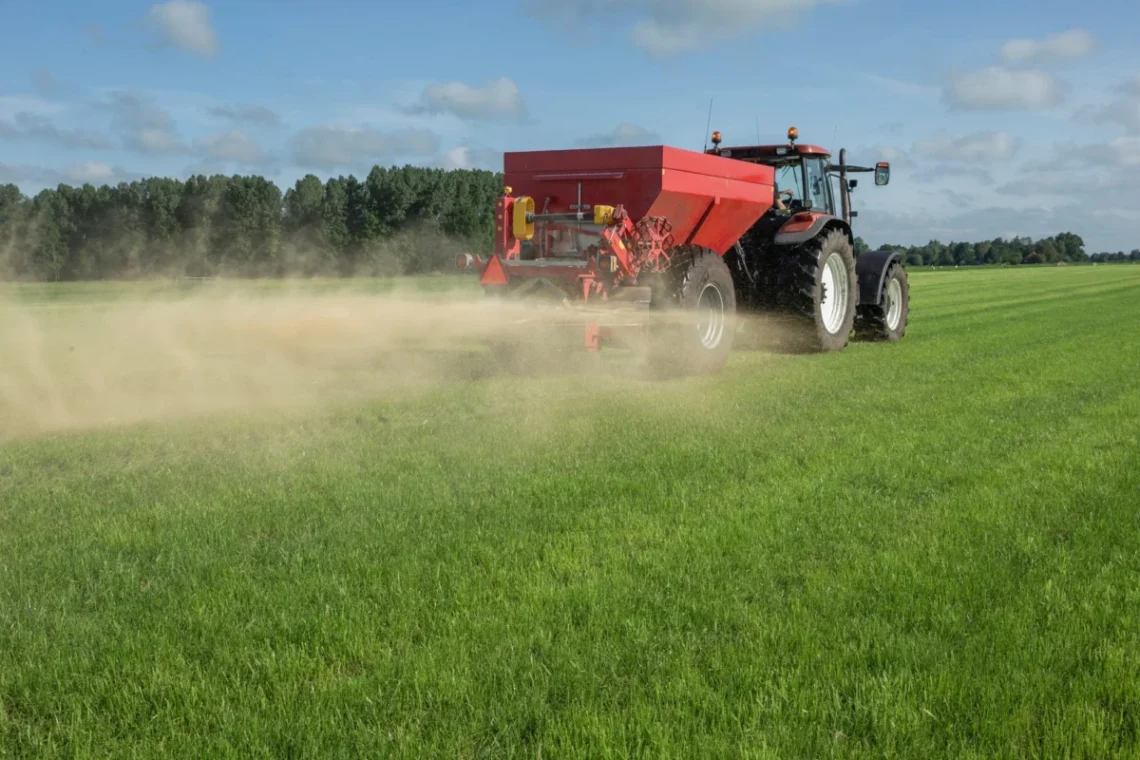
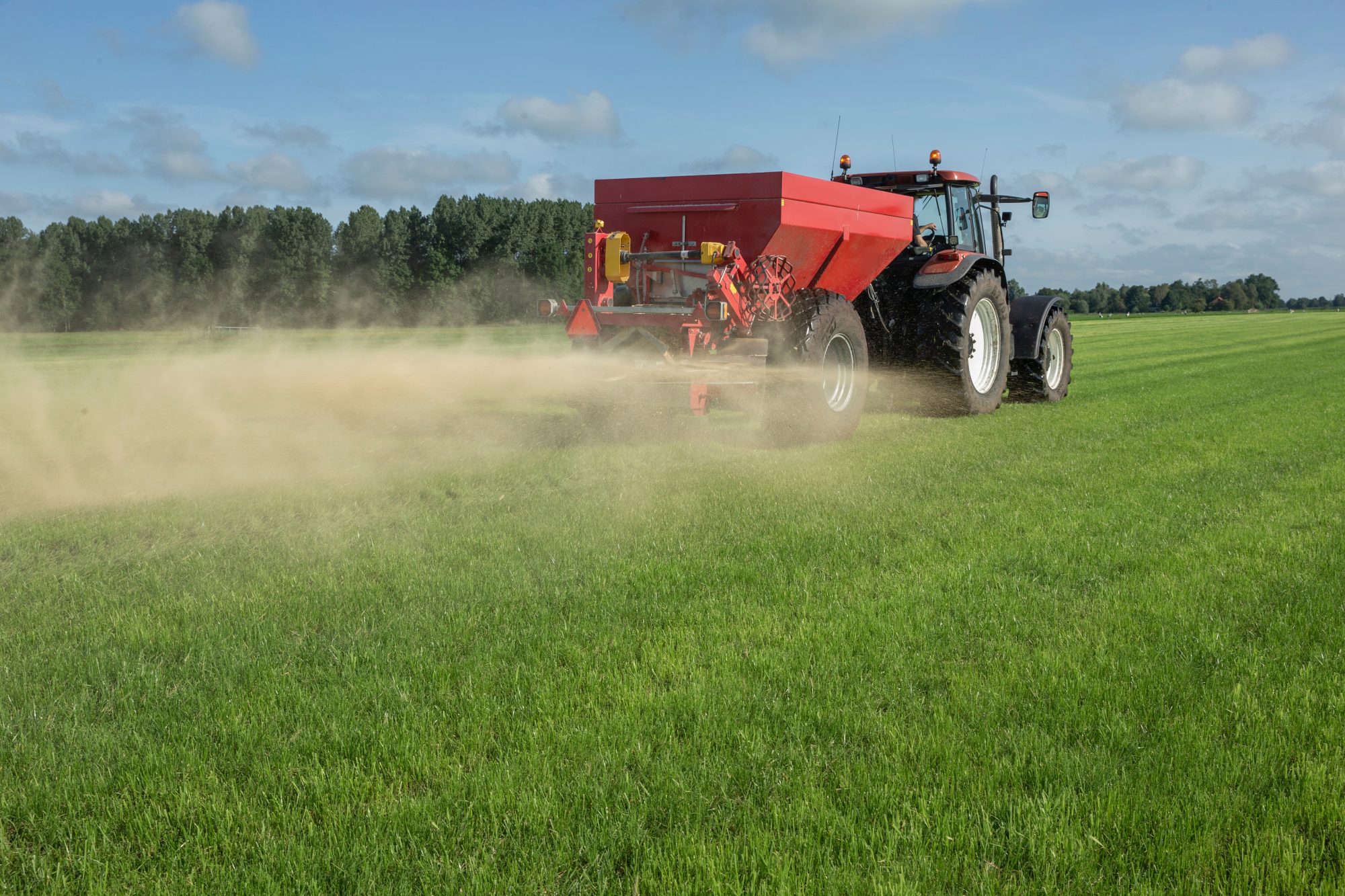
When a company invests in a sustainable practice—such as regenerative agriculture for a commodity crop or the transition to low-carbon concrete—it can generate these units. The key distinction is the "association test." Under current guidelines, a buyer does not necessarily need a direct, transactional link to the specific farm or factory where the project occurred. Instead, they must meet a threshold of association, such as sourcing from the same geographic region. This flexibility allows companies to support high-impact projects that they might otherwise be unable to claim due to the fragmented nature of global supply chains.
A Chronology of the Shift
The emergence of Scope 3 Units is not a sudden invention but the result of years of mounting pressure and regulatory evolution:
- 2020–2022: The Scope 3 Recognition Gap. As corporations set net-zero targets, they realized their Scope 1 and 2 emissions were dwarfed by their Scope 3 footprint. However, a lack of clear accounting standards left them hesitant to invest in external value-chain projects, fearing accusations of greenwashing.
- June 2024: The SBTi Catalyst. The Science Based Targets initiative (SBTi)—the gold standard for corporate climate target verification—released an update to its Corporate Net-Zero Standard. By officially acknowledging the role of environmental attribute certificates, the SBTi provided the "green light" the market had been waiting for.
- Late 2024: Corporate Adoption. Emboldened by the SBTi’s stance, industry giants began moving. PepsiCo became a bellwether for the industry, explicitly including EACs in its 2025 emissions statement, proving that the mechanism is not just theoretical but ready for financial reporting.
- 2025–2026: Verra’s Registry Launch. Verra officially announced the application process for developers to issue Scope 3 Units, with plans for the first issuances in 2026 and a target of scaling to "dozens, if not hundreds" of projects within three years.
Supporting Data: The Scale of the Opportunity
The potential volume of these units is immense. Verra currently manages over 2,500 projects under its existing voluntary carbon market standards. By adapting existing methodologies—specifically those governing agricultural land management and industrial production—the organization is effectively repurposing a massive existing infrastructure to service the Scope 3 market.
Stefan Jirka, Verra’s director for agriculture and supply chain innovation, notes that the goal is to generate "millions of units" within three years. This volume is necessary to meet the insatiable demand from the corporate sector. With multinational companies under increasing pressure from investors (such as those represented by the Climate Action 100+ coalition) to report transparently on value-chain decarbonization, the demand for a standardized, high-integrity unit is projected to grow exponentially.
However, the market remains fragmented. While Verra is establishing a registry, other entities like Athian are already operating in the livestock sector, and platforms like S3 Markets are building their own registries. This proliferation of "overlapping projects" presents both an opportunity for innovation and a risk of market confusion.
Official Responses and Strategic Implications
The industry response to Verra’s initiative has been a mixture of cautious optimism and intense scrutiny. The primary concern among climate advocates is that the introduction of EACs might dilute the focus on absolute emissions reductions.
"The integrity of these units is paramount," says one industry consultant familiar with the rollout. "If companies use EACs as a substitute for changing their own procurement practices, the climate benefits will be marginal at best."
Verra has acknowledged these concerns, emphasizing that it is currently drafting rigorous rules to govern which companies can purchase specific units. The organization is also expanding its scope beyond agriculture and concrete, with upcoming methodologies slated for:
- Forestry and land use: Targeting the emissions associated with raw material extraction.
- Industrial fuels: Addressing the energy intensity of heavy manufacturing.
- Superpollutants and refrigeration: Tackling high-GWP (Global Warming Potential) gases often leaked in cold-chain logistics.
Furthermore, the Greenhouse Gas Protocol—the global standard for measuring emissions—is currently developing its official position on the use of these credits. This development is arguably the most important "watch this space" element of the coming year. If the GHG Protocol aligns with the SBTi, it will essentially codify EACs as a legitimate, standard component of corporate carbon accounting.
Implications for the Future of Decarbonization
The shift toward Scope 3 Units represents a maturation of the carbon market. By moving away from generic offsets toward targeted supply-chain interventions, corporations are being asked to engage more deeply with their suppliers.
1. The End of the "Arms-Length" Relationship
Historically, supply chain management was purely transactional: price, quality, and delivery speed. EACs incentivize a new type of relationship where the buyer actively subsidizes the transition of their supplier’s operations. This could lead to a wave of "insetting" projects where companies provide the capital for local farmers or manufacturers to install solar panels or adopt low-carbon fertilizers, reaping the benefits in their own sustainability reports.
2. A New Tier of Transparency
Verra’s registry will bring much-needed visibility to these activities. In the past, supply-chain improvements were often buried in corporate social responsibility (CSR) reports, lacking third-party verification. By centralizing these claims on a registry, Verra is forcing a level of transparency that will allow NGOs and stakeholders to track exactly where capital is flowing and what emissions reductions are being claimed.
3. The Risk of Regulatory Fragmentation
The biggest risk to this model is the lack of a "single set of rules." If the EU, the SEC in the United States, and international standard-setters adopt different definitions of what constitutes a valid EAC, companies could face a fragmented landscape that hampers global adoption. The current "multiple players" ecosystem—while currently fostering innovation—will eventually need to converge on a unified set of principles to ensure that a Scope 3 Unit generated in Brazil is considered equal to one generated in Vietnam.
Conclusion: A Critical Tool in a Larger Toolkit
As companies navigate the "net-zero" era, the focus is shifting from simple goal-setting to the hard labor of implementation. The Scope 3 problem is, by all accounts, the final frontier of corporate decarbonization. Verra’s initiative, while not a silver bullet, provides a functional, scalable, and increasingly credible mechanism for companies to address the emissions that have long remained outside their reach.
The success of these units will ultimately depend on the integrity of the underlying methodologies and the willingness of corporations to use them as a supplement to—not a replacement for—aggressive internal emissions reduction. As the registry begins its operations, the corporate world will be watching closely, waiting to see if these certificates can truly deliver on their promise of accelerating the transition to a low-carbon global economy. With PepsiCo and other early adopters already testing the waters, the precedent is set. The challenge now is to ensure that as this market scales, it does so with the rigor and transparency required to survive the inevitable scrutiny of a climate-conscious global market.