By Robb Report Insider
From The Oeno Files, a weekly newsletter dedicated to the world of fine wine.
Main Facts
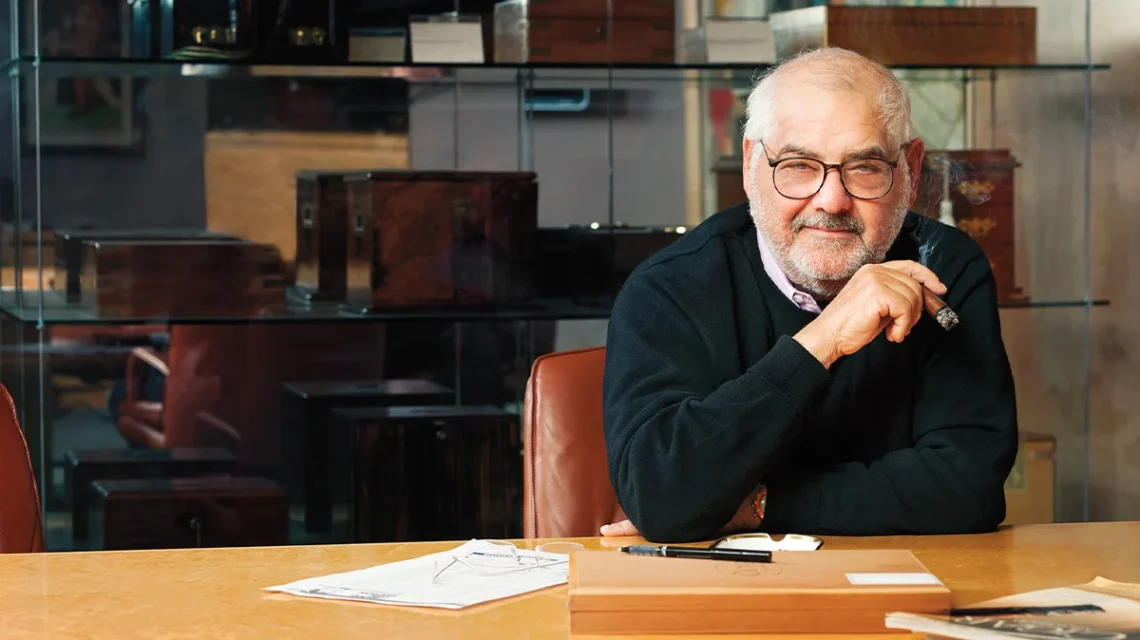
The global wine and spirits community lost a titan on October 29, with the passing of Marvin Shanken at the age of 83. To picture Shanken today is to imagine him in a timeless dimension, luxuriating in a pristine glass of 1961 Pétrus while occasionally drawing on a Cohiba Siglo cigar, surrounded by the overwhelming chorus of global admiration that has poured forth online since his passing.
If the name Marvin Shanken does not immediately ring a bell for the uninitiated, his legacy is impossible to escape. He is the visionary force behind Wine Spectator, the premier publication that he transformed from a modest, California-based tabloid newsletter into a glossy, authoritative international lifestyle magazine in the 1980s. Even for those who have never held a subscription, the publication has touched millions. It is conservatively estimated that upwards of three million people each year have handled a physical copy of Wine Spectator, if only for half an hour in a waiting room while anticipating an appointment with a dentist, chiropractor, or corporate executive.
Shanken’s M. Shanken Communications empire reshaped specialty publishing. Beyond Wine Spectator, he launched or reconfigured powerhouse titles including Cigar Aficionado, Whisky Advocate, and essential trade publications such as Market Watch, Shanken News Daily, and Impact Newsletter. Yet, of all his journalistic ventures, Wine Spectator remains the most profoundly influential on the industry it chronicled. Simply put, Marvin Shanken changed the way Americans think about, talk about, and consume wine.
Chronology: The Evolution of an Empire
To understand the scope of Shanken’s impact, one must trace the historical timeline of American wine journalism and how Wine Spectator carved out an entirely new cultural space.
- Mid-19th to Mid-20th Century: Trade-focused wine journals existed in America as early as the mid-19th century, catering strictly to importers, distributors, and merchants. Meanwhile, major metropolitan newspapers in cities like New York and San Francisco began featuring regular wine columns through the 1960s and 1970s, introducing basic tasting notes to the post-war middle class. However, these columns were localized and episodic.
- The Early 1980s: Marvin Shanken acquired Wine Spectator when it was still a small, regional California newsletter with a limited subscriber base. He recognized that wine was transitioning from an elitist European luxury into an aspirational American lifestyle choice. He relocated its operational heart and shifted its format into a glossy, consumer-friendly magazine.
- 1981: Shanken launched the Wine Spectator New York Wine Experience. This annual extravaganza radically altered how Americans tasted and interacted with wine, bringing hundreds of winemakers and winery owners together under one roof to pour their top-tier, high-scoring selections for everyday connoisseurs.
- The 1980s–1990s: As Robert Parker popularized the 100-point rating scale through The Wine Advocate, Shanken’s Wine Spectator took a different, more expansive approach. While it doled out critical scores and comprehensive tasting notes, it pioneered deep, long-form journalism. It offered readers immersive cover stories on historic wine regions, iconic châteaus, and the colorful, often eccentric personalities driving the production behind every bottle. It was the first American magazine dedicated solely to wine and its surrounding lifestyle.
- 1992: Shanken expanded his cultural reach beyond the vine by launching Cigar Aficionado, successfully defending and celebrating cigar culture amid shifting public health trends and cementing his reputation as a publisher who championed lifestyle autonomy.
- The 2000s and Beyond: The magazine continued to expand its digital footprint while stubbornly defending print culture. It served as a critical launchpad for a new generation of wine and travel writers, cementing a standard where wine was no longer viewed merely as an alcoholic beverage, but as art, history, and agriculture combined.
Supporting Data and Industry Influence
While Robert Parker is widely credited with establishing the dominance of the 100-point scoring system, Shanken’s Wine Spectator weaponized accessibility and storytelling. It turned numerical ratings into cultural currency while simultaneously ensuring that the human element—the terroir, the family dynasties, and the sweat equity of the winemaker—was never lost behind a score.
The statistics of Shanken’s influence are staggering. At its peak, Wine Spectator commanded a readership in the millions, reaching affluent households, upscale restaurants, and luxury hotels across the globe. Its annual "Restaurant Awards," launched to recognize destinations with extraordinary wine lists, fundamentally upgraded the quality of wine programs in dining establishments across North America.

Furthermore, the New York Wine Experience grew from an intimate gathering into the world’s premier oenological convention. Today, it features more than 250 of the globe’s finest winemakers pouring rare vintages. This format birthed an entire experiential tasting industry. Prior to Shanken’s innovations, the idea of a casual consumer rubbing shoulders with legendary vintners—such as the iconic Angelo Gaja—was virtually unheard of. Shanken’s platforms democratized access, creating a cult of personality around winemaking that elevated practitioners to the status of rock stars.
Official Responses and Tributes
In the wake of Shanken’s passing, titans of the wine world took to social media and public forums to express their grief and gratitude, highlighting a man whose intensity as a publisher was matched only by his passion for the people he covered.
Vintner Jean-Charles Boisset, who was first featured on the cover of Wine Spectator in 2003 for a seminal profile titled "France’s New Faces," shared an emotional tribute on Instagram:
"Marvin gave wine a voice. He celebrated not only the wines, but the dreamers, the pioneers, and the passionate souls behind every bottle. Marvin had that extraordinary gift: he believed in people, championed dreams, and inspired generations to dare to achieve the impossible."
Winemaker Adam Lee echoed these sentiments, pointing to Shanken’s fierce dedication to print media in a digital age:
"In a world increasingly willing to give up on print, Marvin kept making magazines. He started them, improved them, and put beautiful photographs and compelling stories into people’s hands. Into their homes. Onto their coffee tables, where someone might pick one up and discover something they hadn’t known they were interested in."
Former editors and contemporary journalists alike shared personal anecdotes of Shanken’s demanding yet deeply rewarding management style. He was famously hands-on, reviewing major cover stories, demanding rigorous journalistic integrity, and insisting that aesthetics—from cover photography to paper stock—meet the highest standards of luxury publishing.

Implications for the Future of Wine Culture
The passing of Marvin Shanken marks the end of an era for specialized print journalism, yet his structural imprint on modern culture remains indelible.
Without Wine Spectator blazing the trail, it is doubtful that contemporary food and wine journalism would enjoy the diverse ecosystem it does today. Publications like Robb Report—which integrates fine wine coverage into the broader tapestry of luxury living, high-end travel, and material culture—owe an immense debt to the blueprint Shanken drafted.
Moreover, it is nearly inconceivable that wine would occupy the central, glamorous place it currently holds in popular culture, from Hollywood films and television series to social media content creators. Shanken taught generations of consumers that understanding a bottle of wine was an act of cultural exploration. He fostered an inquisitive audience that cares deeply about the story, the soil, and the hands that harvested the fruit.
As wine enthusiasts around the world continue to uncork treasured bottles in memory of this publishing legend, the mandate he left behind remains clear: wine is meant to be studied, shared, and celebrated.
The next time you pull a cork—whether from your tried-and-true favorite Bordeaux or an obscure, newly discovered regional pour—raise a glass to Marvin Shanken for everything he did to enrich the world of wine.