Published: November 21, 2026 Source: TechCrunch / Industry Reports
Main Facts
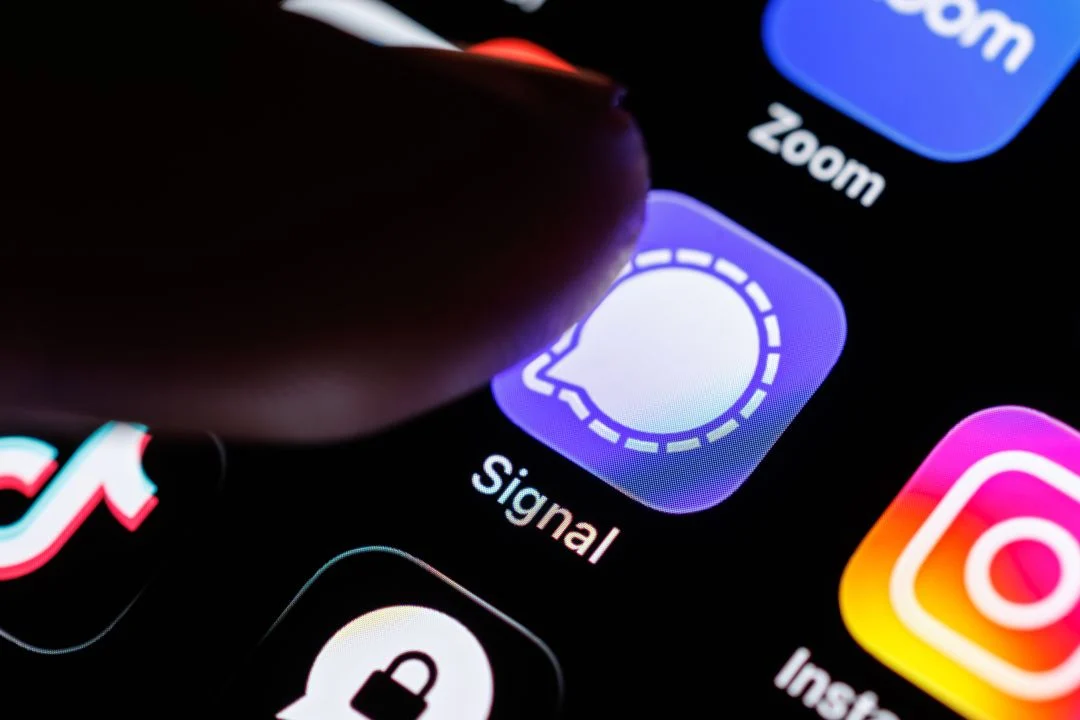
In a decisive move to safeguard user privacy against the rapid proliferation of artificial intelligence, the encrypted messaging platform Signal announced strict new limitations on screen capture capabilities across its mobile and desktop applications. Effective immediately, the platform is rolling out expanded restrictions on taking screenshots, a measure designed to counter what Signal President Meredith Whittaker has branded an "existential threat" to digital confidentiality: operating system-level agentic AI.
Modern operating systems—including Windows, Android, macOS, and iOS—are increasingly embedding agentic AI features designed to continuously monitor, scan, and catalog everything displayed on a user’s screen. According to Signal leadership, this operating system-level surveillance fundamentally compromises the end-to-end encryption architecture that has long made Signal the gold standard for secure communications.
While Signal previously blocked screenshots by default on its Windows desktop application, the new updates extend similar safeguards to mobile ecosystems on Android and iOS. However, recognizing the friction this may cause for certain users, the platform has left a toggle in the settings allowing individuals to disable the restriction—albeit with a stark warning from Whittaker that doing so shatters the app’s foundational privacy guarantees.
Chronology of Events
To understand how the messaging industry arrived at this unprecedented clash between privacy-first applications and tech conglomerates, it is necessary to trace the timeline of OS-level AI integration and Signal’s defensive maneuvers:
Late 2023 to 2024: Major technology ecosystems begin pivoting toward generative AI. Microsoft introduces concepts like Windows Recall, while Apple and Google lay the groundwork for system-wide AI assistants capable of parsing on-screen context to assist users proactively.
June 2026: Signal President Meredith Whittaker sounds early alarms during public addresses, cautioning the tech community that consumer-facing AI chatbots and system agents "are not your friends" and possess predatory appetites for unencrypted personal data.
Early Fall 2026: Privacy researchers demonstrate how background OS features can harvest sensitive text, images, and chat logs straight from the graphical user interface (GUI) before encryption layers can properly mask them or after decryption occurs locally on the device.
November 21, 2026: Signal formally publishes its policy update and technical blog post, announcing the broad rollout of anti-screenshot and anti-capture restrictions across Android, iOS, and desktop platforms. Whittaker explicitly names OS-level agentic AI as the catalyst for these emergency measures.
Supporting Data and Technical Context
The tension between Signal and modern operating systems boils down to a fundamental paradigm shift in how computing devices handle user data. Historically, operating systems acted as neutral conduits—managing hardware resources, memory, and rendering windows while allowing individual applications to maintain their own security boundaries.
End-to-end encryption (E2EE) ensures that messages are encrypted on the sender’s device and can only be decrypted on the recipient’s device. However, once a message is decrypted and rendered onto a smartphone or computer screen so the user can read it, it exists in plaintext within the device’s display buffer.
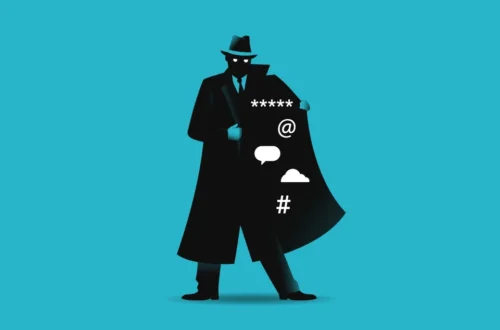
The Vulnerability Window: Agentic AI tools are engineered to have "eyes" everywhere across the operating system. They capture periodic snapshots, optical character recognition (OCR) data, and metadata from the screen buffer to build local context databases.
Data Exfiltration Pathways: Once an OS-level AI agent captures conversational data from a Signal chat window, that data is frequently indexed into local databases or routed to remote cloud servers managed by operating system vendors (such as Microsoft, Google, or Apple).
Control Disconnect: Signal developers have zero administrative control over what happens to data once a third-party operating system captures it from the display buffer. This creates a massive loophole that bypasses the secure enclave of the messaging app entirely.
Official Responses and Stakeholder Perspectives
The announcement has ignited fierce debate across the cybersecurity and software engineering communities, drawing sharp lines between privacy advocates and platform operators.
Signal Leadership: A Defiant Yet Flawed Defense
Meredith Whittaker did not mince words when explaining the necessity of the update. In official statements released alongside the patch, she highlighted the unilateral nature of the threat:
"Now, in service of AI agentic capabilities, your sensitive data is being captured, stored, and made accessible to whatever local database or remote server an OS-level AI agent is using at that moment. All of this is outside of Signal’s control once the data has been captured, and imperils the privacy of all the participants in a conversation."
At the same time, Whittaker was refreshingly transparent about the limitations of Signal’s response. She conceded that blocking screenshots is an "incomplete solution." While it deters blunt-force screen scraping by active AI daemons, it cannot completely guard against more sophisticated, subterranean methods that clever AI agents might employ to siphon application data directly from memory or accessibility APIs.
Furthermore, by allowing users to toggle off the screenshot restriction, Signal acknowledges the usability friction inherent in blocking basic device functions. Whittaker warned users that disabling the feature intentionally "breaks our privacy guarantees," shifting the ultimate burden of risk management back onto the individual.
Big Tech and Operating System Vendors
While major operating system providers—including Apple, Google, and Microsoft—have frequently marketed their AI integrations (such as Apple Intelligence or Windows Copilot features) under heavy banners of user privacy, local processing, and opt-in frameworks, they have largely remained silent on Signal’s direct accusations.
Industry analysts note that tech giants are caught in a strategic paradox: they are racing to deliver "intelligent" operating systems that anticipate user needs by consuming every pixel of screen data, yet they are increasingly colliding with specialized privacy apps whose entire business model relies on absolute data isolation.
Broader Implications for the Future of Digital Privacy
Signal’s aggressive stance against OS-level AI agents marks a critical turning point for the software industry, raising profound questions about the future of digital communications, regulatory oversight, and user autonomy.
1. The Death of End-to-End Privacy Illusions?
For years, consumers have operated under the assumption that if they use an app featuring end-to-end encryption, their conversations are safe from prying eyes. Signal’s recent warnings shatter this comforting illusion. If an operating system is fundamentally designed to watch, record, and index everything visible on the screen, then true cryptographic privacy at the application layer becomes nearly impossible to guarantee.
2. A Fragmented Software Ecosystem
As apps like Signal throw up digital barricades against OS-level AI, a technological cold war is brewing. We may soon see a fractured ecosystem where users must choose between modern, AI-integrated operating system conveniences and hardened, privacy-first communication silos. If platforms continue locking down their interfaces, operating system developers may retaliate by restricting how apps can alter system-level behaviors like screen capturing.
3. Regulatory and Antitrust Scrutiny
The conflict also highlights emerging antitrust and platform-abuse concerns. When dominant operating system vendors (who also build their own productivity and communication tools) bake invasive AI surveillance capabilities directly into the core OS, they create an uneven playing field. Independent messaging apps are forced to expend immense engineering resources playing defense against the very operating systems their users rely on. Regulators in the European Union and the United States are likely to eye these developments closely as part of ongoing investigations into platform gatekeepers.
4. What Lies Ahead for Users
For the average Signal user, the landscape is becoming increasingly complex. Total digital privacy no longer requires just choosing the right messaging app; it now demands active vigilance over operating system settings, AI feature permissions, and hardware behaviors. As artificial intelligence continues its aggressive integration into our daily digital tools, Signal’s standoff serves as an early, sobering warning that the battle for the privacy of our screens has only just begun.