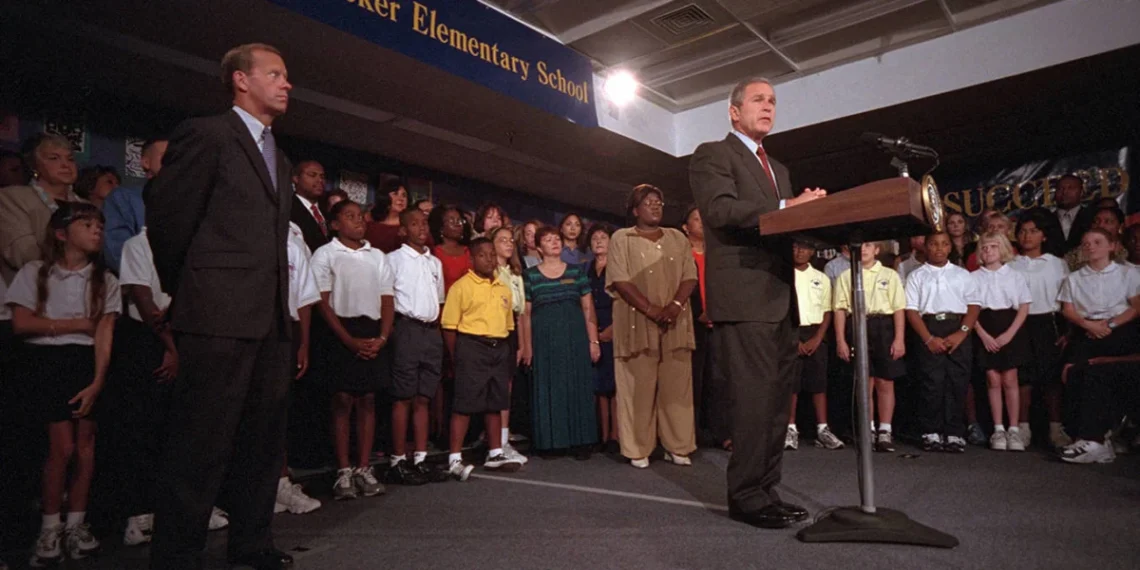
By Global Affairs Desk Published: September 10, 2026 Main Facts As the world marks a quarter-century since the tragic events of September 11, 2001, historians, political scientists, and strategists are increasingly arriving at a sobering consensus: while the terrorist attacks themselves altered the physical and emotional landscape of the United…
-
-
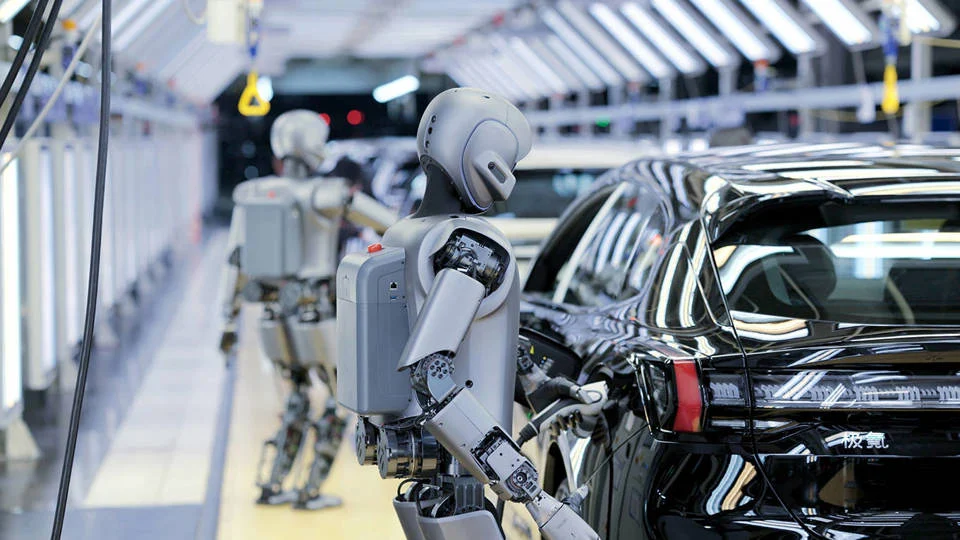
LONDON — China’s formidable trade surplus, which has now surged past the staggering threshold of $1 trillion per year, has ignited fierce debates across Western capitals. It has prompted urgent warnings from protectionist lawmakers, spurred new tariffs in Washington and Brussels, and driven a profound rethinking of globalization. These immediate…
-
By Javier Solana and Angel Saz-Carranza Published: September 9, 2026 Section: Politics & World Affairs MADRID — A quarter-century ago, the world changed course in an instant. The dawn of the new millennium had roughly coincided with the arrival of new leadership in the United States and Russia—then the world’s…
-
By Mariana Mazzucato July 24, 2026 The transition from the Mayoralty of Greater Manchester to 10 Downing Street is, for Andy Burnham, more than a change in office; it is a fundamental shift in the philosophy of British governance. As his first 100 days as Prime Minister begin, the central…
-
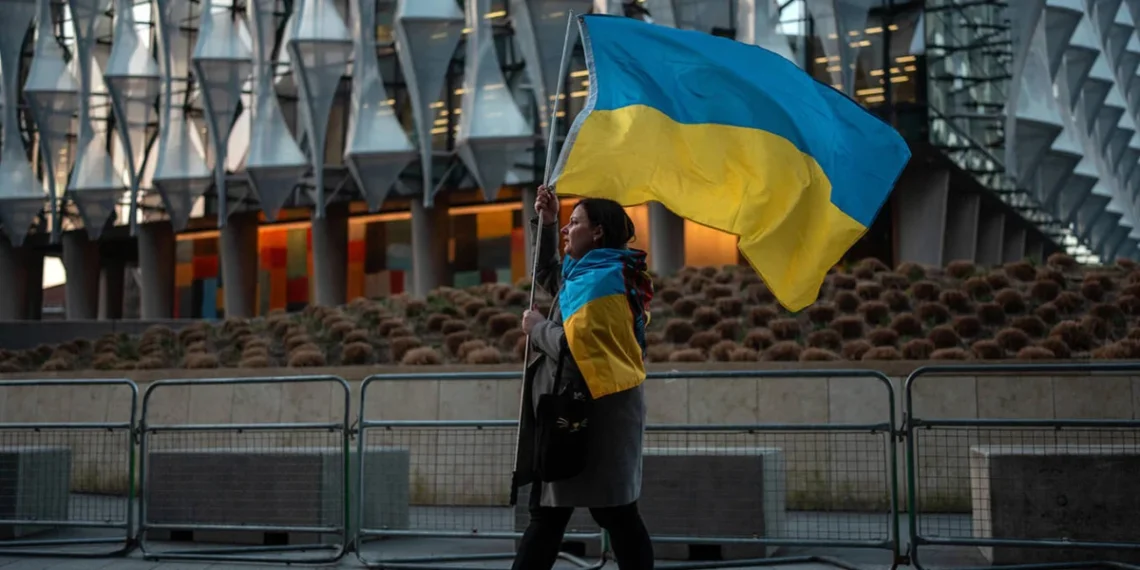
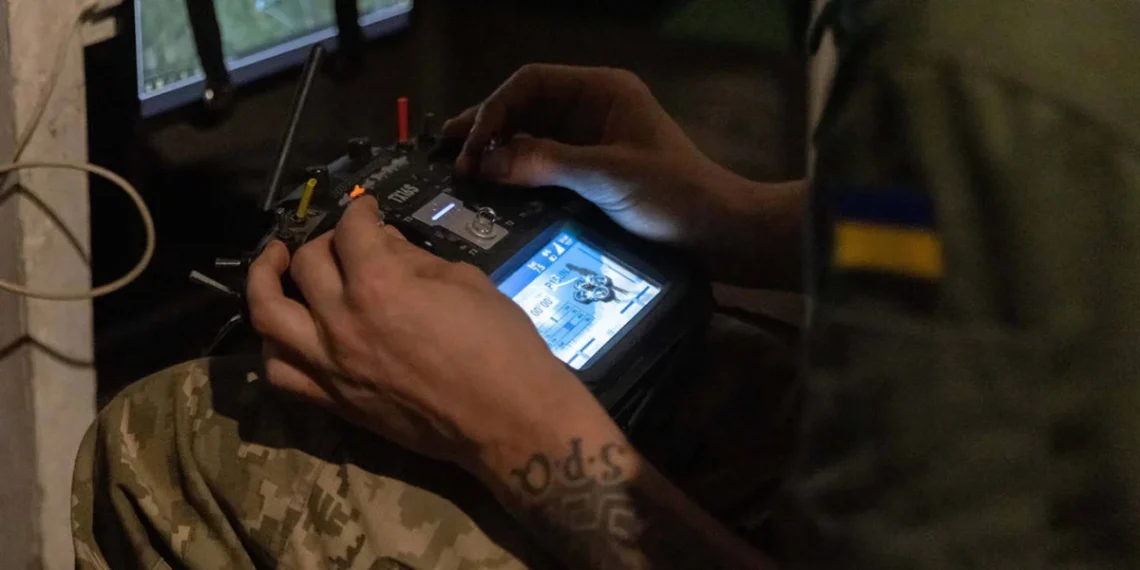
By Chrystia Freeland July 24, 2026 OXFORD — The prevailing narrative surrounding the Russo-Ukrainian war has shifted seismically over the past few months. For years, geopolitical analysts and military planners operated under the assumption that a prolonged conflict would inevitably favor the Russian Federation, a state bolstered by vast reserves…
-
By Harold James Princeton, July 23, 2026 The traditional architecture of global hegemony is undergoing a seismic, perhaps irreversible, shift. For decades, the international order was defined by the binary logic of great powers—nations whose economic might, military reach, and diplomatic influence dictated the tides of history. Today, however, that…
-
For decades, the global climate conversation was defined by the vocabulary of cooperation: emissions targets, carbon credits, and mutual aid. It was a diplomatic landscape where climate-driven disasters—like the catastrophic flooding in Mozambique in early 2026—were framed as "collective failures." In these instances, the victims were often the world’s most…