
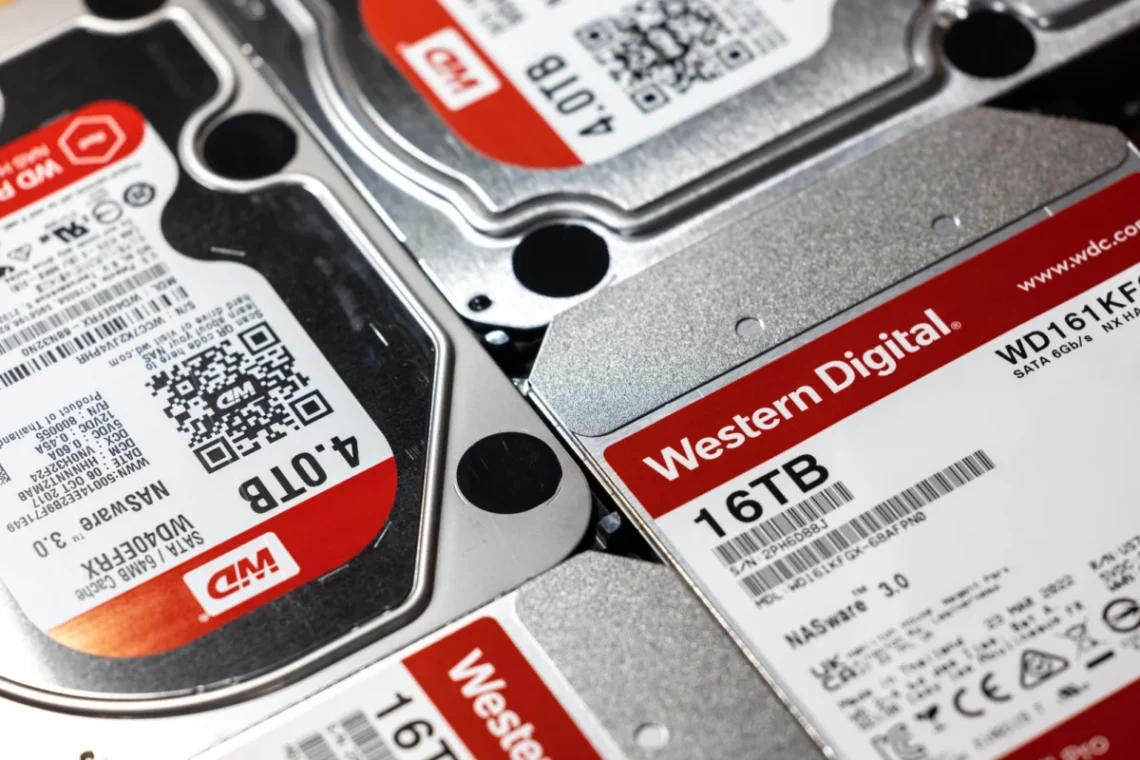
In the complex ecosystem of global manufacturing, the most significant hurdle to achieving net-zero goals is often not internal operations, but the "Scope 3" challenge—the opaque, difficult-to-track emissions generated by an organization’s vast network of suppliers. For data storage giant Western Digital, the process of collecting this carbon data had long been a bottleneck, characterized by manual email drudgery, slow response rates, and fragmented reporting.
However, a recent technological pivot has fundamentally altered this landscape. By deploying an AI-powered email workflow, Western Digital has successfully streamlined its data collection, scaling its primary carbon data coverage from 30% to 90% for its top-tier suppliers in a matter of months. This transformation, highlighted at the recent Trellis Impact 26 event in San Francisco, offers a blueprint for how multinational corporations can leverage artificial intelligence to solve one of the most persistent problems in corporate sustainability.
The Bottleneck: Why Manual Data Collection Failed
For years, Western Digital, like many of its peers in the electronics industry, relied on labor-intensive methods to gather environmental data. Sustainability teams would send out spreadsheets via email, wait for supplier responses, follow up repeatedly, and manually reconcile conflicting data formats.
This process was inefficient for both parties. Suppliers—often busy with their own operational demands—viewed these requests as a burden, leading to low engagement and incomplete datasets. For the Western Digital sustainability team, the time required to collect and process this data stretched between five and six months annually, diverting highly skilled staff from strategic initiatives toward clerical data wrangling.
The disconnect was clear: as corporations face increasing pressure from regulators, investors, and consumers to provide transparent, defensible carbon reporting, the old manual methods were no longer viable.
A Chronology of the AI Pilot
The shift toward an automated solution began in earnest last year, when Western Digital partnered with Sluicebox, a specialized startup focused on carbon data intelligence for the electronics sector. The goal was to replace the "manual chase" with an intelligent, autonomous agent.
- Late 2023: Western Digital initiates a pilot program involving key suppliers of critical components, including device housings, baseplates, and motors.
- The Integration Phase: Instead of forcing suppliers to learn new software or log into cumbersome vendor portals, the Sluicebox AI agent was designed to operate within the existing email flow.
- The Execution: The AI began reaching out to suppliers, responding to their queries in real-time, and guiding them through the submission process.
- Early 2024: Results from the pilot became clear. The data collection window, previously a half-year slog, was compressed into just four weeks.
- Mid-2024: Following the pilot’s success, Western Digital presented its findings at the Trellis AI x Sustainability Showcase, demonstrating a jump in primary carbon data coverage from 30% to 90% for their biggest suppliers.
Supporting Data: The Impact of Automation
The quantitative results of the pilot program serve as a compelling case study for AI’s efficacy in supply chain management.
- Efficiency Gains: By reducing the time-to-collection from six months to four weeks, the company gained nearly five months of operational capacity. This shift allows the sustainability team to transition from being "data collectors" to "data analysts."
- Increased Coverage: The jump from 30% to 90% primary data coverage represents a massive improvement in the accuracy of the company’s product carbon footprint (PCF) reporting. By relying on primary data rather than industry averages, Western Digital can now identify specific carbon hotspots in their supply chain with unprecedented precision.
- Standardization: The Sluicebox agent doesn’t just collect data; it synthesizes it. By aligning all incoming information with the rigorous rules set by the International Organization for Standardization (ISO), the system ensures that the resulting reports are audit-ready and defensible.
Official Responses and the "Human in the Loop" Philosophy
The introduction of an AI agent to handle partner communications is not without its critics. Many sustainability professionals express valid concerns regarding the loss of human relationships—the "soft power" required to negotiate environmental targets with suppliers. Furthermore, there is the lingering corporate anxiety that management might view these efficiencies as an excuse to downsize sustainability departments.
Mrinalini Iyer, Western Digital’s program manager for sustainability operations, addressed these concerns directly at the Trellis Impact 26 event. She emphasized that the primary goal of the initiative was the redistribution of labor, not the elimination of human oversight.
"Keeping people at the center is an important part of Western Digital’s AI approach," Iyer stated. She argued that the AI serves as a force multiplier rather than a replacement. By automating the repetitive, low-value tasks, the human team is freed to focus on high-value functions such as methodology development, supplier engagement, and strategic validation.
"This changes the role of sustainability teams," Iyer noted. "Instead of spending most of the effort on manual chasing and data wrangling, teams can spend more time on quality review, supplier engagement, methodology, validation, and decision-making."
This "Human-in-the-Loop" model is central to maintaining trust. Because sustainability data is subject to increasing scrutiny from financial regulators, the ability to trace data back to its source—and to have a human expert verify the logic behind that data—remains a non-negotiable requirement.
Implications for the Future of Corporate Sustainability
Western Digital’s success with the Sluicebox pilot has significant implications for how companies approach the broader challenges of Scope 3 emissions.
1. The Shift to "System of Engagement"
The project is already evolving beyond simple collection. Western Digital is now utilizing the system to estimate data gaps for non-responders using secondary inputs like bills of materials (BOMs). The AI is also being configured to cross-check supplier disclosures against industry baselines, automatically flagging outliers for human review. This transition marks the shift from a passive collection workflow to an active, intelligent "system of engagement."
2. Scalability Across Industries
The electronics industry, with its complex, multi-tiered supply chains, is often considered one of the hardest to track. If an AI agent can successfully navigate these complexities, the model is highly replicable across other sectors, including fashion, automotive, and heavy manufacturing.
3. The Future of Supplier Relationships
By reducing the administrative burden on suppliers, Western Digital has potentially improved the health of its vendor relationships. Suppliers are no longer bogged down by repetitive, unclear email requests. Instead, they receive clear, automated prompts that make it easier for them to comply with reporting requirements, which in turn helps Western Digital reach its sustainability goals faster.
4. A New Standard for Defensibility
As carbon reporting becomes a standard component of financial disclosures, companies will need to prove that their data is not just estimated, but verified. The integration of ISO-aligned AI synthesis ensures that companies can provide the level of rigor required by auditors, while the human-in-the-loop oversight provides the final layer of accountability.
Conclusion: The New Frontier of Sustainability
Western Digital’s experiment demonstrates that the barrier to sustainability is often procedural rather than technical. By removing the friction from data collection, the company has proven that even the most complex supply chains can be made transparent.
However, the real lesson lies in the nuance of their approach. By refusing to let AI operate in a silo and ensuring that human experts remain the final arbiter of data quality, Western Digital is setting a standard for how corporations should integrate machine learning into their sustainability strategies. The future of sustainability, it seems, will not be driven by AI alone, but by a symbiotic relationship between advanced algorithmic speed and the critical judgment of the human workforce. As the project evolves into a broader system of validation and exception management, Western Digital is positioning itself not just to track its emissions, but to proactively manage and reduce them at scale.