It has been five years since the final Volkswagen Beetle rolled off the assembly line in Puebla, Mexico, signaling the end of an automotive icon that spanned over eight decades. For American enthusiasts, the "New Beetle" revival, which concluded in 2019 with the Final Edition, remains a bittersweet memory. However, while the original creator has pivoted entirely toward modular electric platforms and crossover-heavy lineups, the silhouette of the iconic Type 1 has found an unlikely, yet persistent, afterlife in the People’s Republic of China.
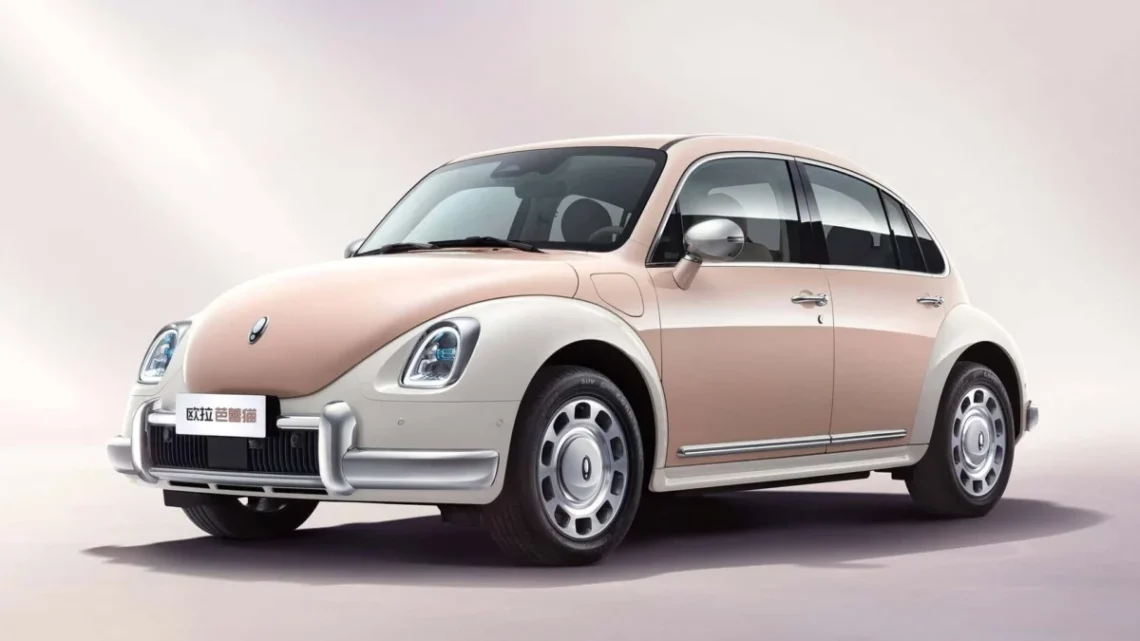
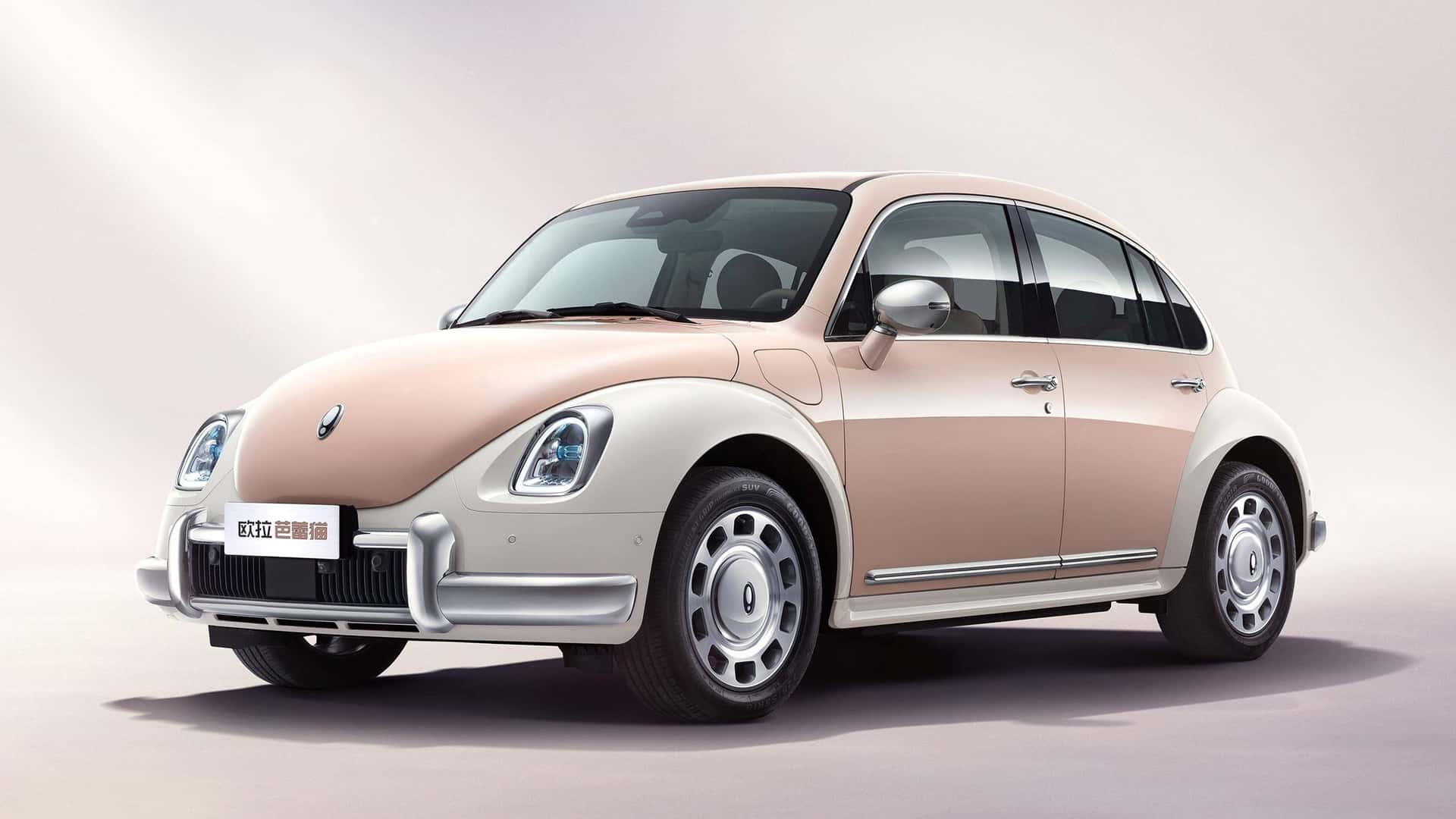
Enter the Ora Ballet Cat. Produced by Great Wall Motor’s (GWM) electric-only sub-brand, the Ballet Cat is a polarizing, unabashed, and technically capable homage to the classic Beetle. Far from being a static museum piece, the vehicle is evolving. According to recent filings from China’s Ministry of Industry and Information Technology (MIIT), the 2026 model year is set to introduce significant mechanical upgrades, proving that the "Beetle spirit" isn’t just a design study—it’s an evolving piece of engineering.
The Evolution of an Icon: Main Facts and Technical Upgrades
The Ora Ballet Cat first captured global attention upon its 2022 debut. Its aesthetic is a love letter to the rounded fenders, chrome-accented bumpers, and sweeping roofline of the original Type 1. Yet, beneath the nostalgic sheet metal lies a modern, battery-electric architecture.
For the 2026 model year, GWM is addressing one of the primary criticisms leveled at the initial launch: performance. While the original iteration was criticized for its modest output, the updated model features a substantial powertrain overhaul. The previous electric motor, which produced a lackluster 169 horsepower, is being replaced by a more robust unit capable of delivering 201 horsepower.
This power boost is not merely for marketing brochures; it translates into tangible real-world improvements. The top speed, previously governed at a rather pedestrian 96 mph, has been increased to a more highway-capable 112 mph. Furthermore, the vehicle now utilizes a new-generation lithium-iron phosphate (LFP) battery pack, which is expected to offer better thermal management and improved charging efficiency compared to its predecessor. These changes solidify the Ballet Cat’s position as a functional daily driver rather than just a design-forward novelty.
A Chronology of the Modern "Bug"
The journey of the Ora Ballet Cat is inextricably linked to the broader trend of retro-modernism in the Chinese automotive sector.
- 2021 (The Prototype Phase): GWM teased the concept of a retro-styled electric vehicle, sparking immediate international comparisons to the classic Volkswagen Beetle. The design language was distinct, focusing on "feminine-first" marketing that emphasized comfort and convenience.
- 2022 (Market Launch): The production version, dubbed the Ballet Cat, officially hit the Chinese market. It arrived with a base price of approximately ¥193,000 (roughly $28,000 USD). Despite the buzz, sales remained niche, with only a few thousand units moving annually.
- 2023–2024 (Market Reception): The vehicle became a darling of social media, particularly for its idiosyncratic features. Critics and owners alike pointed to its unique cabin amenities, which were designed specifically with a demographic focus on female drivers, setting it apart from the sea of aggressive, angular SUVs dominating the EV landscape.
- 2025–2026 (The Performance Pivot): The announcement of the 2026 technical updates marks the first major mid-cycle refresh. By upgrading the motor and battery, GWM is signaling a long-term commitment to the platform, attempting to expand its appeal beyond the niche fashion-forward crowd.
The "Woman-Centric" Philosophy: Features Beyond the Specs
What makes the Ballet Cat truly unique—and perhaps somewhat controversial—is its feature set. GWM has leaned heavily into the idea of a "car as a living space."
The interior is not merely a collection of screens; it is a specialized environment. The vehicle includes a massive vanity mirror designed to assist with makeup application, complete with specialized LED lighting. A built-in "selfie camera" is integrated into the dashboard, allowing users to capture moments and upload them directly to social media platforms via the car’s infotainment system.
Perhaps the most talked-about feature is the "Warm Man Mode." Activated by a physical button, this feature adjusts the climate control, seat heating, and steering wheel temperature to create a cozy environment, specifically marketed toward providing comfort during the colder months. While Western markets might view these features through a lens of gendered marketing, they represent a distinct shift in Chinese automotive strategy: tailoring vehicles to the specific lifestyle needs of a targeted consumer base rather than adhering to a "one-size-fits-all" engineering philosophy.
Supporting Data and Market Positioning
To understand the Ballet Cat, one must look at the data. With a price point sitting near $28,000, the Ballet Cat competes in a crowded segment. However, it does not attempt to compete with the likes of the Tesla Model 3 or the BYD Seal on the basis of raw acceleration or range. Instead, it positions itself as a "lifestyle accessory."
The transition to a 201-hp motor and the adoption of high-efficiency LFP chemistry indicate that GWM is listening to the data provided by early adopters. The LFP battery, in particular, is a strategic choice. As global demand for cobalt-free batteries increases, the Ballet Cat benefits from lower production costs and enhanced safety profiles compared to traditional nickel-manganese-cobalt (NMC) batteries.
Despite its charm, the Ballet Cat remains a low-volume vehicle. The thousands of units sold annually represent a fraction of the millions of EVs sold in China. However, for GWM, the value of the Ballet Cat lies in brand differentiation. In a market flooded with generic, jelly-bean-shaped electric crossovers, the Ballet Cat is instantly recognizable. It serves as a "halo car" that draws traffic to the Ora showrooms, even if the eventual buyers end up driving home in a more conventional Ora Good Cat.
Implications for the Future of Retro Design
The existence of the Ora Ballet Cat poses a fascinating question for Volkswagen and the global automotive industry: Is there a future for the "People’s Car" in an all-electric era?
Volkswagen has flirted with this concept for years. The ID. Buzz successfully re-envisioned the classic Type 2 Microbus, proving that heritage designs can be updated for the 21st century without losing their soul. Yet, the Beetle remains in limbo. Rumors of an electric Beetle have circulated since the launch of the MEB (Modular Electric Drive Matrix) platform, but Volkswagen has consistently prioritized the expansion of its ID. series of crossovers and sedans.
The success—or lack thereof—of the Ballet Cat in China provides a blueprint for what a modern, electric Beetle might look like. It proves that the demand for iconic, heritage-inspired design is real, but it also highlights the risks. A car that leans too heavily on nostalgia may struggle to compete with the sheer utility of modern, purpose-built electric vehicles. The Ballet Cat survives by being a niche, character-driven vehicle. If Volkswagen were to revive the Beetle, they would face the same dilemma: create a high-volume, functional EV, or create a design-led, emotional experience that appeals to a narrower, more passionate audience.
Motor1’s Take: The Lasting Charm of the "Faux-Bug"
It is easy to dismiss the Ora Ballet Cat as a mere "knockoff." After all, the resemblance to the Type 1 is unmistakable, and the lack of a formal partnership with Volkswagen makes its existence a point of legal and ethical debate. Yet, when we look past the controversy, we see a vehicle that is, fundamentally, quite fun.
In an automotive landscape that has become increasingly sterile, the Ballet Cat stands out. It possesses a personality. It is not afraid to be quirky, nor is it afraid to prioritize style over aerodynamics. The 2026 performance upgrades are a welcome addition, suggesting that the car is not just a pretty face but a machine that can actually keep up with modern traffic.
While it is highly unlikely that the Ballet Cat will ever see a release in the United States—owing to both the complex nature of its design origins and the saturated state of the US EV market—it serves as a compelling reminder of why we fell in love with cars in the first place. Whether it’s a sincere tribute or a clever bit of market positioning, the Ora Ballet Cat proves that there is still a place for the rounded, friendly, and utterly impractical design of the original Beetle in the electric age.
For now, the spirit of the Beetle lives on in China, updated with 201 horsepower and a selfie camera, continuing its long, strange journey through automotive history.