By Stephen Holmes
Published: November 9, 2026
Section: Politics & World Affairs
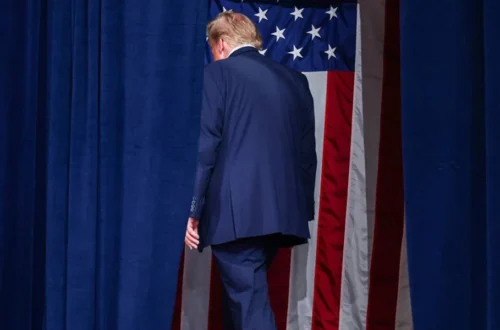
NEW YORK — In the wake of a bruising electoral rebuke, a besieged American president is traditionally presented with two paths: he can bend to the shifting political winds of the electorate, or he can dig in his heels to signal unyielding defiance. Following decisive midterm losses that upended the balance of power in Washington, U.S. President Donald Trump has decisively chosen the latter path.
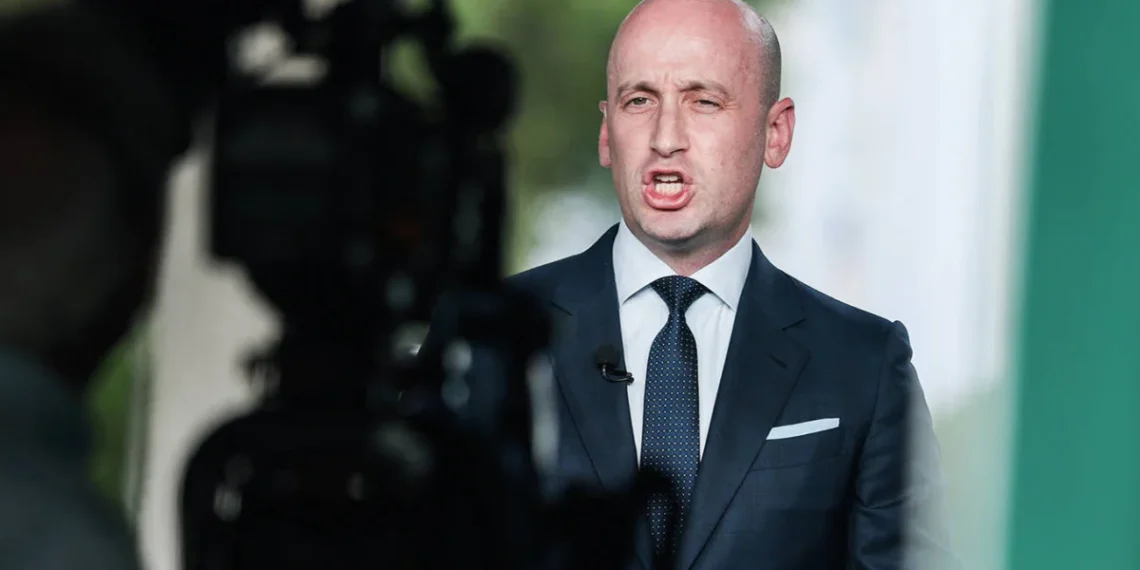
In doing so, he has laid bare a reality that two chaotic years of turbulent governance had previously left obscured. By elevating Stephen Miller—one of the most polarizing and widely reviled architects of his administration’s hardline agenda—to the pivotal role of White House Chief of Staff, Trump has signaled his ultimate priority. The uncompromising, aggressive ethos represented by Miller is not merely a policy preference; it is the final citadel the president intends to defend until the bitter end, regardless of the political cost.
Main Facts
The appointment of Stephen Miller as White House Chief of Staff marks a dramatic escalation in the standoff between a weakened executive branch and a newly empowered legislative opposition. Coming immediately on the heels of the 2026 midterm elections—which saw the ruling party lose crucial majorities amid widespread voter dissatisfaction—the move is interpreted by political analysts as an intentional rejection of moderation.
Rather than offering an olive branch to a divided nation or pivoting toward the political center to salvage the remainder of his term, Trump has doubled down on the grievance politics and draconian policy frameworks that have defined his political movement. Miller, whose career has been defined by hardline immigration restrictions, nationalist rhetoric, and institutional confrontation, now occupies the nerve center of the West Wing.
This appointment confirms that the administration’s core identity remains tethered to its most confrontational elements. For Trump, parting ways with the architects of his most controversial policies is viewed as an intolerable concession. By entrusting the administration’s day-to-day operations to Miller, the president has chosen ideological purity and combativeness over legislative pragmatism and national reconciliation.
Chronology of Events
To understand the weight of this political pivot, one must trace the trajectory of the administration leading up to the 2026 midterms and the subsequent leadership overhaul:
- January 2025: President Donald Trump commences his second term following a fiercely contested election cycle, promising sweeping federal overhauls and aggressive executive actions centered on border security, economic nationalism, and judicial restructuring.
- Late 2025 – Mid 2026: Throughout eighteen months of volatile governance, legislative friction mounts. Key domestic initiatives stall amid intra-party squabbles and widespread public pushback against inflation, institutional friction, and polarizing executive directives.
- September 2026: As the midterm campaign season enters its final stretch, polling data indicates a massive surge in voter fatigue. Independent and suburban voters signal profound disapproval of the administration’s trajectory, setting the stage for an impending electoral wave.
- November 3, 2026: Midterm Election Day. The opposition party secures decisive majorities in both chambers of Congress, fueled by a referendum-style turnout against the administration’s polarizing agenda.
- November 5–8, 2026: Internal turmoil grips the West Wing as advisors debate the appropriate response to the electoral defeat. Calls for a moderate pivot and personnel changes clash with demands from the administration’s populist base for unyielding resistance.
- November 9, 2026: President Trump shatters expectations of a moderate reset by announcing the appointment of Stephen Miller as White House Chief of Staff, effectively slamming the door on bipartisan cooperation and signaling an era of total political warfare.
Supporting Data and Context
The decision to install Miller at the helm of the executive staff arrives against a backdrop of historic electoral shifts and stark demographic realities:
- Midterm Margins: Exit polls from the November 2026 midterms revealed that suburban districts, which had served as swing territories in prior cycles, decisively broke away from the administration, citing cultural polarization and economic anxiety as primary concerns.
- Approval Ratings: Presidential approval plummeted to historic lows in the final quarter leading up to the midterms, driven primarily by independent voters who consistently rejected the administration’s handling of civil institutions and immigration enforcement.
- Policy Track Record: Stephen Miller’s historical portfolio—spanning executive actions on border closures, family separations, and sweeping federal employment purges—has faced intense legal scrutiny. Despite numerous setbacks in federal courts, Miller has remained the ideological engine behind the administration’s most restrictive legal strategies.
- Staff Turnover: The Chief of Staff position has experienced notable volatility throughout Trump’s tenure. The elevation of Miller—a policy ideologue rather than a traditional legislative operator or institutional manager—represents a departure from historical norms where chiefs of staff typically act as bridges to Capitol Hill.
Official Responses and Reactions
The announcement has elicited swift, polarized reactions from across the American political landscape, drawing sharp condemnation from opponents and defiant praise from the administration’s loyalists.
The Administration’s Defense
Defenders of the president argue that the appointment of Miller is a necessary assertion of strength in the face of what they characterize as an obstructionist opposition. Administration spokespersons maintain that the American electorate voted for disruption, and that Miller possesses the administrative discipline required to execute the president’s mandate without compromise.
"President Trump was elected to fight for the American worker and secure our borders," said a senior administration official speaking on condition of anonymity. "Stephen Miller is uniquely qualified to ensure that the president’s agenda is implemented efficiently and without hesitation. This is not a time for retreat; it is a time for execution."
Congressional Opposition
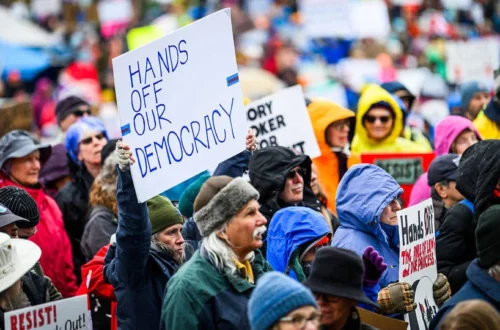
On Capitol Hill, the reaction was immediate and severe. Newly empowered congressional leaders from the opposition party viewed the appointment as a direct declaration of war, warning that it precludes any possibility of bipartisan governance or legislative compromise over the remaining two years of the presidential term.
"By naming Stephen Miller as Chief of Staff, the president has slammed the door in the face of the American people," stated the incoming Senate Majority Leader during an emergency press conference. "The voters spoke clearly on Tuesday, demanding an end to division and chaos. Instead of listening, the White House has chosen to double down on the very extremism that was just repudiated at the ballot box. We will meet this obstruction with rigorous oversight and an unwavering defense of democratic norms."
Civil Rights and Advocacy Groups
Civil society organizations and human rights advocates expressed profound alarm, noting that Miller’s ascension places one of the nation’s most controversial figures at the very center of executive decision-making. Legal defense funds immediately announced plans to ramp up monitoring of executive branch directives, anticipating a surge in contentious administrative actions targeting immigration and civil liberties.
Implications for the Future
The installation of Stephen Miller as White House Chief of Staff carries profound implications for the remainder of Trump’s term, the future of the American party system, and the resilience of democratic institutions.
1. The Death of Bipartisanship
With Miller running the West Wing, prospects for legislative compromise on critical issues such as the federal budget, infrastructure, and national security are virtually nonexistent. The administration is expected to rely almost exclusively on executive orders, regulatory maneuvers, and legal battles to advance its goals, deepening the constitutional friction between the executive and legislative branches.
2. Escalating Institutional Strain
Miller’s administrative philosophy prioritizes the radical transformation of federal agencies through the replacement of career civil servants with loyal partisans. His new authority as Chief of Staff provides him with the organizational leverage to accelerate these efforts, likely precipitating intense legal showdowns and plunging the federal bureaucracy into a state of permanent crisis.
3. The 2028 Political Landscape
For the political opposition, Miller serves as a potent rallying cry. His prominent positioning ensures that the upcoming presidential primary cycle will center squarely on a referendum against the administration’s brand of nationalist politics. Conversely, for Trump’s base, Miller is a martyr to the populist cause—a symbol of unyielding resistance against the Washington establishment.
Conclusion
Donald Trump’s choice to elevate Stephen Miller following a stinging electoral defeat is a defining moment of his presidency. It demonstrates that when cornered, the president will not moderate, pivot, or seek consensus. Instead, he retreats deeper into the ideological trench, fortifying the citadel around his most loyal and uncompromising lieutenants. As Washington braces for two years of gridlock and confrontation, the nation is left to navigate the consequences of a presidency that has chosen perpetual defiance over reconciliation.