By Global Economic Correspondent
Published: November 2, 2026
Dateline: BANGKOK
For seven decades, the architecture of international finance has tilted heavily in favor of creditors. Whenever developing economies stumbled into insolvency, a monolithic, coordinated bloc of wealthy lending nations sat across the negotiating table.
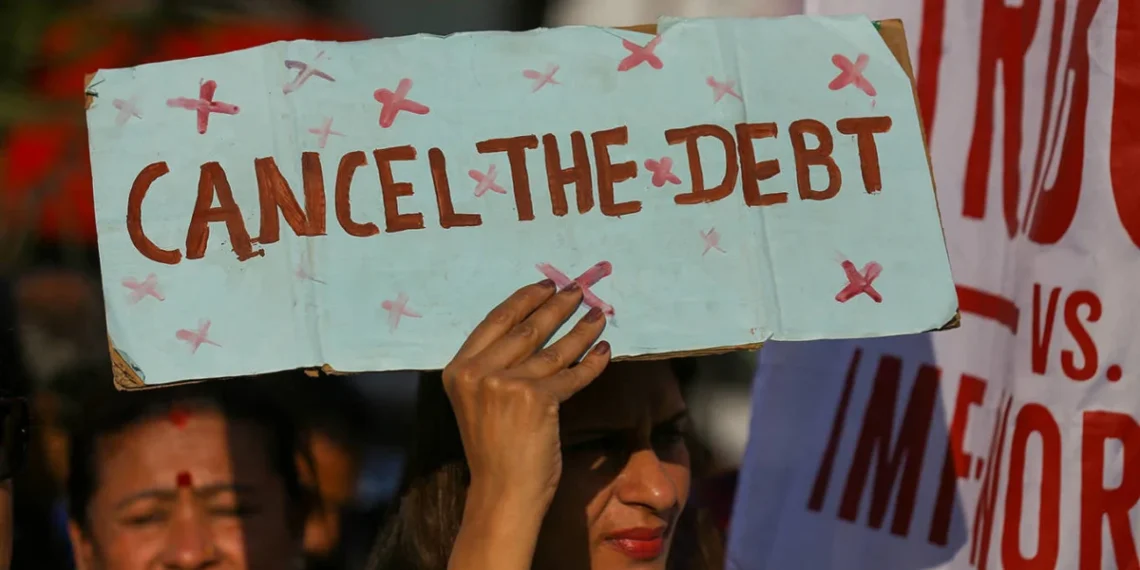
Now, the world’s most indebted nations are finally turning the tables. The newly established Borrowers’ Platform has officially launched, designed to facilitate cross-border knowledge-sharing, strengthen technical capacity, and—crucially—amplify the voices of debtor nations in high-stakes global financial circles.
Yet, as this new coalition takes its first steps in Bangkok, financial experts and policymakers are asking a pressing question: In an era when traditional creditor coalitions like the Paris Club are fracturing, are the ambitions of the Borrowers’ Platform high enough to meet the systemic crises of the 21st century?
Main Facts: The Anatomy of the Borrowers’ Platform
The unveiling of the Borrowers’ Platform marks a monumental shift in sovereign debt management. Historically, developing and emerging-market economies navigated debt distress in isolation, making them vulnerable to asymmetric information, aggressive creditor conditionality, and protracted restructuring cycles.
The core objectives of the Borrowers’ Platform are structured around three pillars:
- Knowledge-Sharing and Technical Assistance: Developing nations often lack the specialized legal, financial, and macroeconomic resources required to audit complex debt portfolios, negotiate with private bondholders, and withstand International Monetary Fund (IMF) pressures. The platform provides a shared repository of expertise.
- Collective Bargaining Power: By pooling their collective leverage, member countries aim to shift from reactive petitioners to proactive rule-makers in international debt forums.
- Systemic Advocacy: The platform seeks to reform the foundational rules governing sovereign bailouts, transparency standards, and the integration of climate-resilient debt clauses.
However, the launch of this debtor’s club happens against a backdrop of institutional decay among traditional creditors. The Paris Club—for 70 years the preeminent coordinator for official bilateral debt treatments—is increasingly struggling to act collectively. With new systemic lenders like China operating outside traditional Western frameworks, and private creditors holding a massive share of emerging market debt, the global debt architecture is more fragmented, chaotic, and dangerous than ever.
Chronology: From Paris Club Monopoly to the Rise of the Debtor’s Club
To understand the revolutionary nature of the Borrowers’ Platform, one must trace the historical evolution of sovereign debt negotiations over the past century:
- 1956 (The Genesis of Creditor Coordination): The Paris Club is established informally when Argentina meets with its public creditors in the French capital. For decades, it evolves into a tightly knit group of 22 permanent official creditors, dictating the terms of debt relief and leveraging immense influence within the IMF.
- The 1980s–1990s (The Washington Consensus Era): Sovereign debt crises in Latin America and Sub-Saharan Africa are met with rigid structural adjustment programs. Debtor nations negotiate strictly on an individual basis, ensuring that creditors retain the upper hand through "divide and rule" dynamics.
- The 2000s–2010s (The Rise of Private and Non-Traditional Creditors): Sovereign bond issuances surge across the Global South. Simultaneously, China emerges as the world’s largest bilateral creditor, frequently operating outside Paris Club transparency and burden-sharing norms.
- 2020–2024 (The Post-Pandemic Debt Wave): Global inflation, tightening U.S. monetary policy, and post-pandemic recovery costs push dozens of developing nations to the brink of default. Frameworks like the G20’s Common Debt Treatment prove sluggish and inadequate, leaving nations like Zambia, Sri Lanka, and Ghana stranded in prolonged restructurings.
- November 2026 (The Launch of the Borrowers’ Platform): Convening in Bangkok, developing nations officially operationalize the Borrowers’ Platform. Modelled loosely on the coordination mechanisms long used by creditors, the platform seeks to level the playing field as the Paris Club’s institutional monopoly collapses.
Supporting Data: The Scale of Global Sovereign Distress
The urgency behind the creation of the Borrowers’ Platform is underscored by sobering macroeconomic data. According to recent reports from the World Bank and the IMF, public debt levels in developing countries have reached historic highs, severely crowding out expenditures on healthcare, education, and climate adaptation.
- The Debt Burden: As of late 2026, over 60 low- and middle-income countries are either in debt distress or at high risk of it. Total developing world debt exceeds $11 trillion, with debt-service payments consuming an average of 15% to 30% of government revenues in fragile economies.
- The Shift in Creditor Composition: Unlike the debt crises of the 1990s—where the vast majority of debt was owed to official multilateral institutions and Western governments—today’s debt is hyper-fragmented. Private bondholders (holding Eurobonds) and non-Paris Club bilateral lenders (most notably China) account for more than 60% of external debt in many African and Asian nations.
- The Cost of Delay: Prolonged restructurings under current mechanisms cost emerging markets billions in lost market access, depressed credit ratings, and stunted gross domestic product (GDP) growth. In nations like Sri Lanka and Zambia, restructuring processes have dragged on for upwards of four years, eroding social stability.
Official Responses: Cautious Optimism Meets Institutional Skepticism
The international community’s reaction to the birth of the Borrowers’ Platform has been a mix of cautious endorsement, defensive posturing, and institutional anxiety.
Developing Nations and Founders
Architects of the platform argue that solidarity is no longer optional. Speaking on condition of anonymity, a senior negotiator involved in the Bangkok launch noted:
"For decades, creditors have had their clubs, their secret meetings, and their unified playbooks. We were expected to show up divided and accept whatever terms were handed down from Washington or Paris. The Borrowers’ Platform ensures that debtor nations finally speak with one strategic, coordinated voice."
Traditional Creditors and the Paris Club
Official response from traditional Western creditors has been muted, though institutional insiders express private concern. Representatives from the Paris Club have historically maintained that standardized, rule-based restructuring is essential for global financial stability. However, with the Paris Club struggling to enforce cohesive terms—largely due to geopolitical friction between Western nations and China—some officials acknowledge that a more organized counterpart could theoretically streamline negotiations.
International Financial Institutions (IFIs)
The IMF and the World Bank have issued guarded welcome statements, emphasizing the need for transparency and constructive dialogue. Yet, behind closed doors, technocrats worry that a well-organized bloc of debtors could aggressively push for comprehensive principal write-downs (haircuts), challenging the preferred-creditor status traditionally enjoyed by multilateral institutions.
Implications: Can the Platform Shift Global Financial Power?
The launch of the Borrowers’ Platform is more than a logistical upgrade for developing nations; it represents a profound psychological and structural challenge to the post-Bretton Woods order.
1. Rebalancing Negotiation Leverage
By sharing legal strategies and financial data, member states can avoid predatory debt traps set by unscrupulous private lenders or opaque bilateral agreements. When a government sits down to restructure a Eurobond or negotiate an IMF program, it will do so backed by the collective intelligence and experience of dozens of other sovereign states that have faced identical pressures.
2. Filling the Void Left by a Weakened Paris Club
The Paris Club is a relic of a unipolar economic world. As geopolitical fragmentation deepens, Western creditors and non-Western lenders like China find it increasingly difficult to agree on burden-sharing. The Borrowers’ Platform can step into this institutional vacuum, setting baseline standards for what constitutes "fair and equitable" debt treatment, thereby forcing creditors to negotiate within transparent parameters.
3. The Need for Greater Ambition
Despite its promise, economists warn that the platform’s current mandate may be too modest. Merely focusing on technical capacity-building and knowledge-sharing will not suffice in an environment of systemic insolvency. To truly transform global finance, the Borrowers’ Platform must evolve into a militant negotiating bloc—capable of orchestrating synchronized debt standstills, pushing for statutory sovereign bankruptcy frameworks at the United Nations, and demanding sweeping reforms to the governance of the IMF and World Bank.
Looking Ahead
The path forward for the Borrowers’ Platform is fraught with political hurdles. Maintaining unity among debtor nations with wildly divergent economic structures—from resource-rich African economies to tourism-dependent Asian island states—will require extraordinary diplomatic skill.
Yet, as the cracks in the global financial architecture widen, the debut of the Borrowers’ Platform in Bangkok signals a historic turning point. For the first time in modern financial history, the debtors are organizing. Whether they possess the political will to reshape the global economic order remains the defining question of the decade.