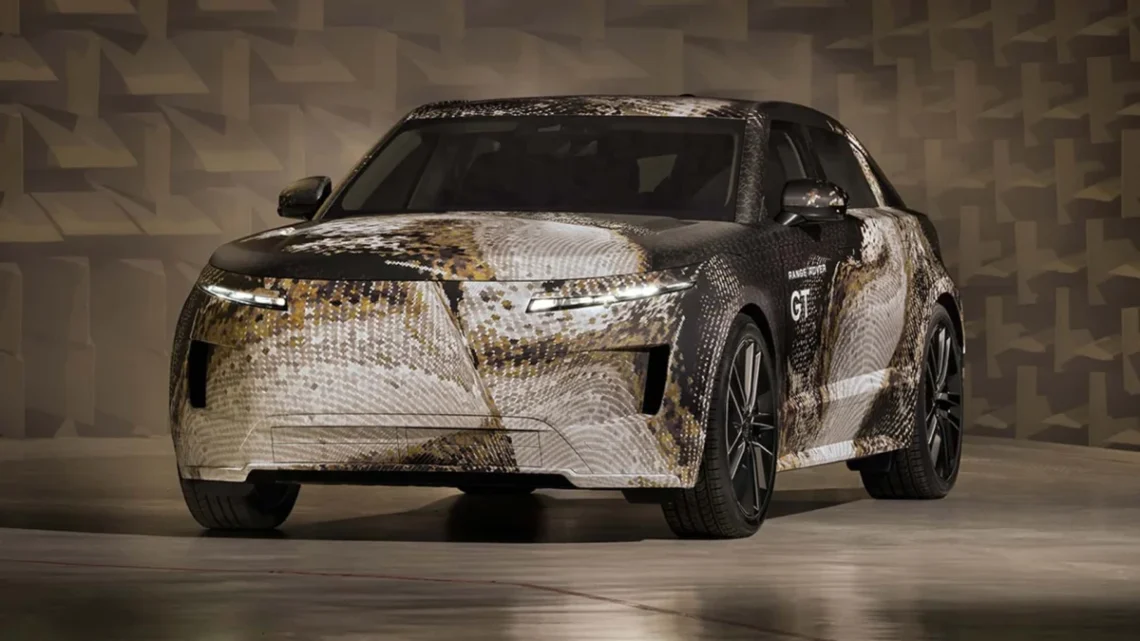
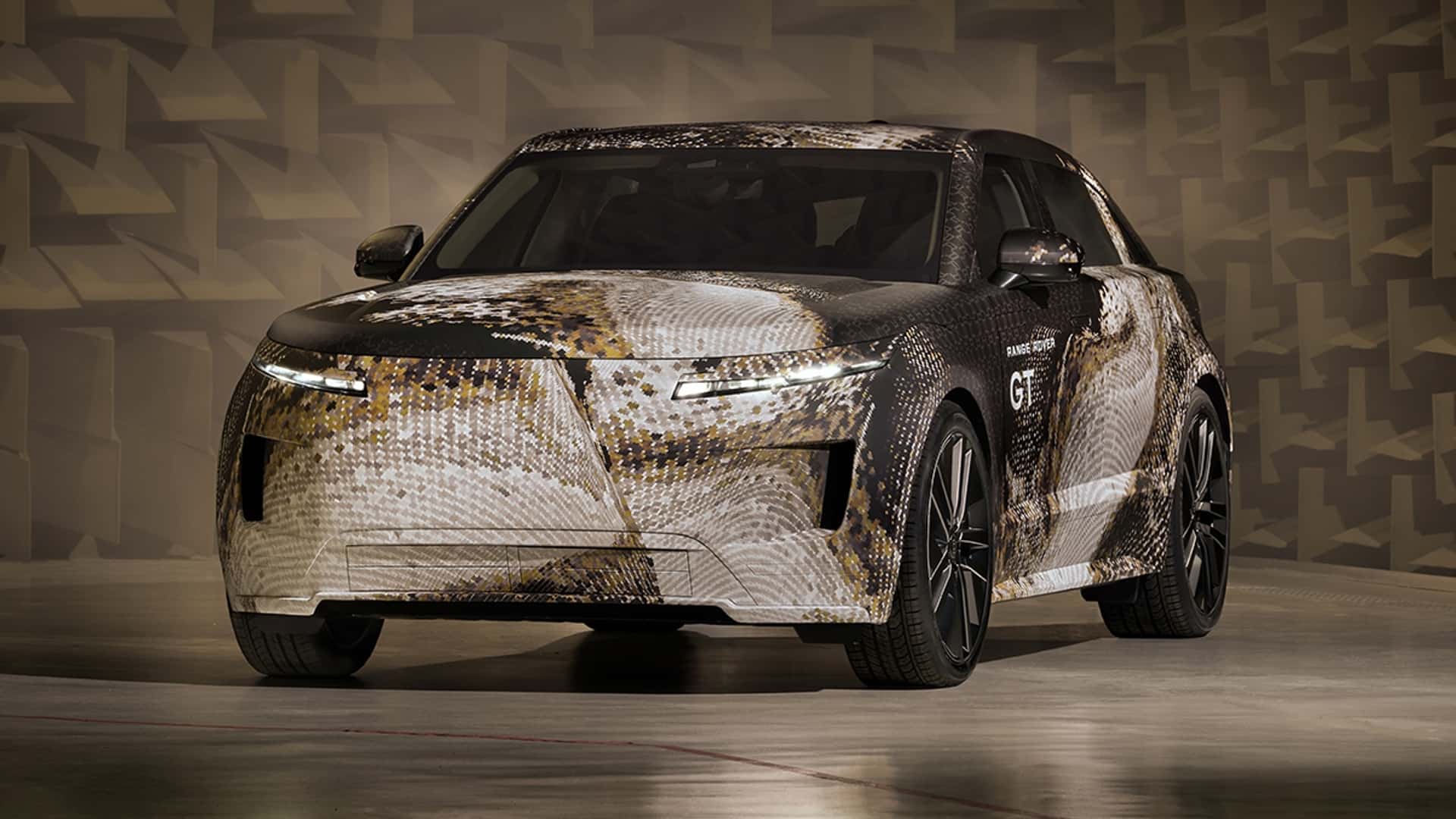
In a move that marks a radical departure from its storied lineage of rugged, boxy off-roaders, Land Rover has officially unveiled its fifth model pillar: the Range Rover GT. This new entry is not merely a different trim level or a replacement for the existing Velar, but a complete reimagining of what a Range Rover can be. By trading the high-clearance, upright profile of its siblings for a low-slung, wagon-inspired aesthetic, Land Rover is signaling a pivot toward luxury grand touring, challenging the traditional hierarchy of the luxury SUV market.
Main Facts: A New Paradigm for Land Rover
The Range Rover GT represents the most significant design shift for the brand in decades. Eschewing the utilitarian silhouette that defined the marque from its inception, the GT embraces a sleek, aerodynamic profile with a gently sloped roofline that leans closer to the world of high-end shooting brakes than traditional SUVs.
Despite being larger than the Velar, the GT occupies a unique space in the lineup. Its proportions feel closer to the Range Rover Sport, yet it possesses a singular character that defies easy categorization. Built upon Land Rover’s brand-new Electric Modular Architecture (EMA) platform, the GT is launching exclusively as a pure electric vehicle (EV). While the company has confirmed that full-hybrid variants are planned for later in the model’s lifecycle, the initial focus is squarely on the premium electric market.
The vehicle’s "Grand Tourer" moniker is earned through its refined focus on long-distance comfort and refined performance, intentionally stepping away from the extreme rock-crawling capabilities that have historically defined Range Rover branding.
A Chronological Shift in Design Strategy
To understand the significance of the GT, one must look at the trajectory of the Range Rover brand over the last decade.
- The SUV Era (2010–2020): During this decade, the brand solidified its dominance in the premium SUV space, introducing the Evoque and the Velar to bridge the gap between rugged utility and high-fashion urban mobility.
- The Modular Pivot (2021–2025): As the industry shifted toward electrification, Land Rover began developing its EMA platform, specifically designed to support flexible powertrains and lower floor profiles.
- The GT Announcement (2027 Model Year): The unveiling of the GT represents the culmination of this platform development. It marks the first time in the brand’s history that a vehicle carrying the Range Rover badge has been engineered with a primary focus on road-going dynamics rather than off-road versatility.
Supporting Data and Technical Specifications
While official performance metrics remain guarded, the pre-production details provide a glimpse into the engineering philosophy behind the GT.
The Cabin: A Sanctuary of Calm
The interior is arguably where the GT differentiates itself most from its predecessors. Land Rover has eschewed the industry-standard "wall of screens" approach, opting for a more minimalist, tactile experience. Frameless doors welcome occupants into a cabin designed specifically to be the "quietest Range Rover ever."
- Seating Layouts: The GT will launch with a 2+2 layout, featuring a rear cabin separated by a sophisticated center console equipped with wireless charging, climate control touchscreens, and integrated storage. A more conventional three-seat rear bench will follow to address family-oriented consumers.
- Glass Architecture: A full-length glass roof creates an airy, open atmosphere, emphasizing the vehicle’s role as a touring machine.
- Human-Machine Interface (HMI): While climate controls have been integrated into a central display—a decision that has drawn mixed reactions from purists—the retention of physical stalks and select buttons suggests that Land Rover is attempting to strike a balance between modern minimalism and driver-focused ergonomics.
Energy and Range
Initial instrumentation displays have hinted at a range of approximately 288 miles with 80 percent of the battery capacity remaining. While this figure is not class-leading, experts suggest that wait-and-see remains the best approach until EPA-certified numbers are released. The use of the EMA platform suggests high-density battery technology, potentially allowing for rapid charging capabilities that could redefine the "grand touring" experience by minimizing downtime on long-distance drives.
Official Stance and Market Positioning
Land Rover has been clear: the GT is not a replacement for the Velar. In fact, the company intends to let the two models coexist in the portfolio, targeting different consumer segments.
The "sanctuary of calm" design language suggests that the GT is aimed at the high-end luxury buyer who currently considers vehicles like the Porsche Panamera or the Mercedes-Benz EQS. By keeping the Velar in the lineup, Land Rover maintains its grip on the traditional luxury SUV market, while the GT acts as a vanguard for the brand’s electric-first future.
The company has confirmed that production will take place in the United Kingdom, keeping the GT firmly within the traditional manufacturing heritage of the Land Rover brand despite the futuristic nature of the vehicle.
Implications: A Risk or a Necessary Evolution?
The introduction of the GT has sparked significant debate within the automotive community. Some analysts question whether a Range Rover without "mud-slinging" capabilities can truly be considered a Range Rover. Others, however, see this as a necessary, long-overdue evolution.
The Jaguar Connection
Interestingly, some industry observers have noted that the GT’s profile and purpose seem to overlap with the upcoming Jaguar Type 01. The fact that Jaguar Land Rover (JLR) is launching both models raises questions about potential internal competition. However, JLR management appears unconcerned, banking on the idea that the "Range Rover" prestige carries a weight that creates its own demand, distinct from the sportier, more aggressive identity of the Jaguar brand.
The Shift in Brand Identity
The GT’s arrival signals that the "Range Rover" name is evolving from a specific vehicle body style into a broader sub-brand that denotes a level of luxury and refinement, regardless of the vehicle’s shape. This is a critical strategic move. If the GT succeeds, it paves the way for a more diverse, non-SUV portfolio, potentially including sedans or shooting brakes, which would allow the brand to compete in market segments that were previously closed off due to the rigid, tall-profile constraints of traditional off-roaders.
Market Outlook
The success of the GT will likely hinge on whether the market perceives it as a legitimate Range Rover. If the ride quality, material choices, and brand experience live up to the "sanctuary" promise, the GT could become a high-margin success story. If it feels too much like a standard electric sedan, it may struggle to justify its premium pricing against established European luxury rivals.
Conclusion
The 2027 Range Rover GT is more than just a new model; it is a declaration of independence from the company’s own history. By prioritizing comfort, aerodynamics, and silent, electric grand touring over wading depths and approach angles, Land Rover is daring to change the definition of its own brand.
As we look toward the official rollout and the subsequent introduction of hybrid powertrains, the automotive world will be watching closely. Whether this move proves to be a masterstroke of diversification or an identity crisis remains to be seen, but one thing is certain: the Range Rover lineup will never be the same again. With production set to commence in the UK, the next few months of detailed disclosures will be pivotal in determining if this "fifth member" of the family has the staying power to become a new icon.