The global diamond industry, once defined by the immutable prestige of the earth-mined stone, has undergone a radical, irreversible metamorphosis. As of late 2026, the sector is fractured, defined by a historic decoupling of price and prestige. Lab-grown diamonds, once dismissed as a transient technological curiosity, have surged to command over half of all diamond jewellery sales by value worldwide. In the United States, they now account for more than 50% of engagement ring volume.
The natural diamond industry, slow to recognize the existential nature of this shift, is now navigating a "correction" of unprecedented proportions. Mines are shuttering, producers are slashing output, and the long-held monopoly of the "natural" label is being tested by the unforgiving economics of a manufactured commodity.
A Chronology of the Shift
The transformation did not happen overnight, but rather through a steady erosion of the "mystique" that historically shielded the natural diamond trade.
- 2019-2021: The Emergence. The first high-quality lab-grown diamonds appeared in mainstream retail. Initial resistance focused on the definition of a "real" diamond, with industry incumbents attempting to frame them as mere synthetics or fakes.
- 2023: The Price Pivot. The cost of production plummeted as technology matured. De Beers attempted to mitigate the threat through its "Lightbox" strategy—offering lower-cost lab-grown fashion jewelry to establish a price ceiling—but the market responded by embracing the value proposition of lab-grown engagement rings.
- 2025: The Crisis Deepens. As retail prices for lab-grown stones continued their downward trajectory, mining giants began to report significant losses. The industry faced a "sectoral crisis" as the cost of mining versus the falling market value of ordinary stones became unsustainable.
- 2026: The New Normal. Today, we see a bifurcated market. Lab-grown diamonds have reached near-commodity status, while the natural diamond industry is aggressively pivoting toward a "luxury-only" model, abandoning the mid-market to focus on rarity and heritage.
The Economics of Abundance vs. The Discipline of Scarcity
The fundamental tension in the market today is driven by the divergence between lab-grown economics and the high cost of extraction.
The Lab-Grown Race to the Bottom
The economics of a manufactured product are inherently unforgiving. Once the science was perfected, the costs of production plummeted. A 1-carat, E-color, VVS clarity lab-grown diamond now retails for between £800 and £2,000, whereas an equivalent natural stone fetches between £4,500 and £8,500.

Dr. Ulrika D’Haenens-Johansson of the Gemological Institute of America (GIA) notes that 95% of lab-grown diamonds now occupy the high-quality D-F color and Flawless-VVS clarity bands. By achieving perfection as a standard, the lab-grown industry has effectively rendered the traditional GIA grading vocabulary—developed in the 1940s to quantify the rarity of mine outputs—largely obsolete for the mass market.
Mining’s Strategic Withdrawal
In contrast, the natural diamond sector is actively pursuing a strategy of scarcity. The "casualty list" of 2026 includes the closure of Rio Tinto’s iconic Diavik mine in Canada and the insolvency of the Ekati mine. Alrosa, the world’s largest producer by volume, has reported staggering losses, with leadership describing the current climate as the deepest crisis in the history of the trade.
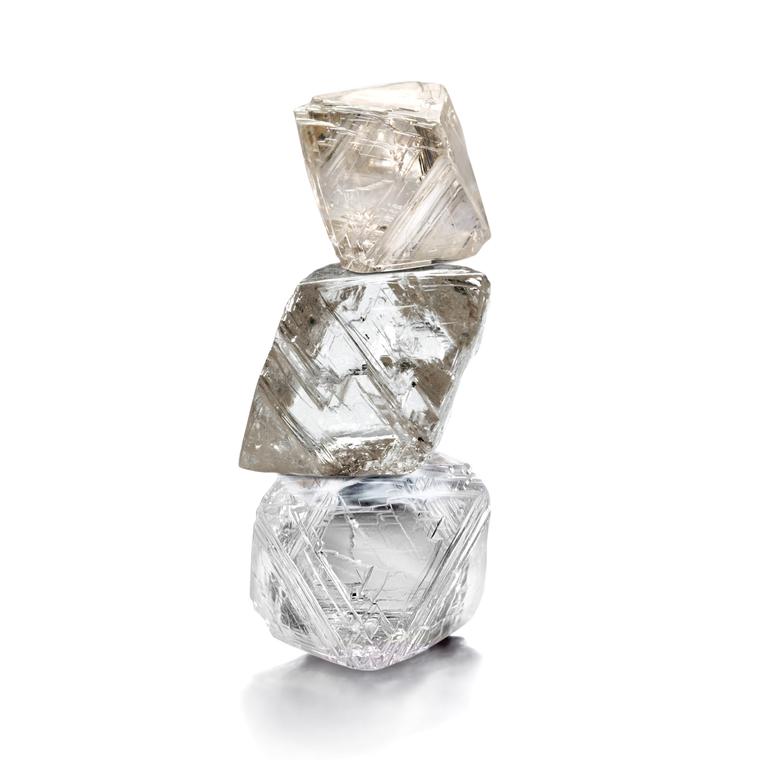
Yet, this "discipline of scarcity" is yielding results. Analysts observe that supply cuts have successfully placed a floor under rough diamond prices. The "big and rare" continue to appreciate, while the "ordinary" mined diamond—the mid-market stone—is being systematically cannibalized by the lab-grown sector.
The Failure of Ethics as a Selling Point
Perhaps the most startling revelation for the industry has been the consumer’s indifference to the "ethical" marketing narrative. When the Grown Diamond Trade Organization (GDTO) was founded in 2024, it operated under the assumption that buyers would prioritize sustainability ratings, carbon-neutral manufacturing, and provenance data.
Data from the last two years proves otherwise. Consumers prioritize design, appearance, quality, and price—in that order. Sustainability, while a nice-to-have, rarely dictates the final purchase decision. This has forced both sectors to move away from "ethical crusading" and toward "brand building." The lesson is clear: in the modern jewelry market, consumers are buying an aesthetic and a social signal, not a production report.
The Three Pillars of the New Market
As the dust settles, the industry is realigning into three distinct sectors:
1. The Luxury Heritage Model
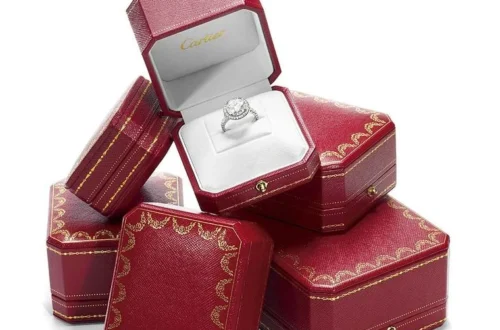
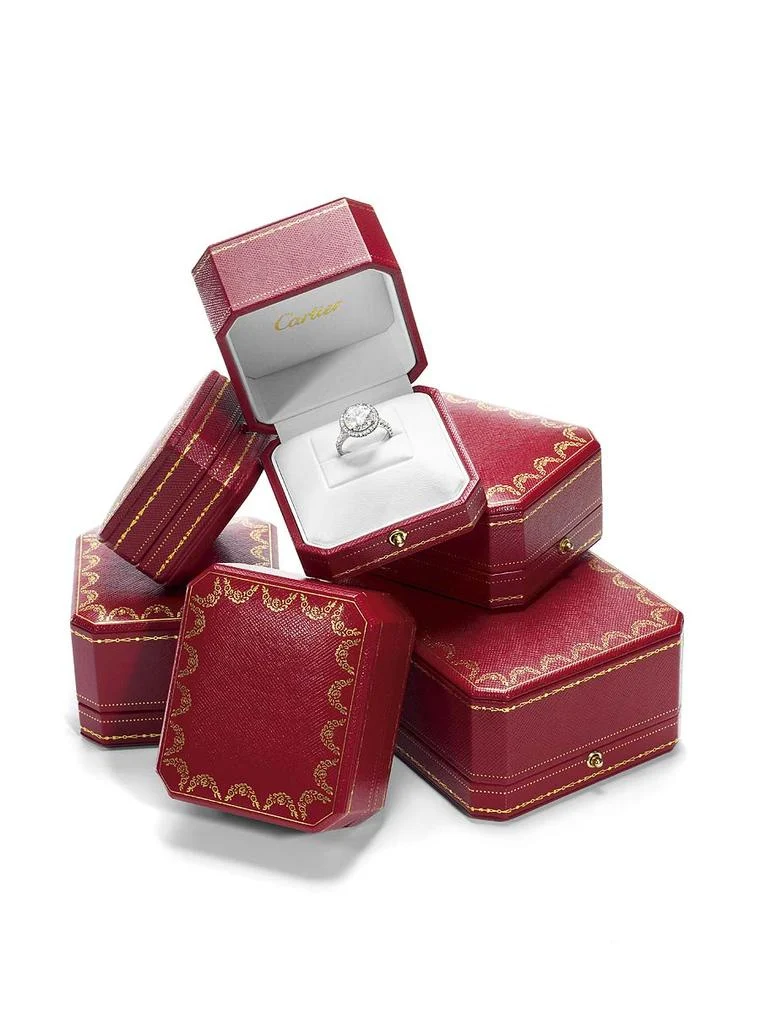
Houses like Cartier, Van Cleef & Arpels, and Tiffany & Co. remain the bastions of the natural diamond. By refusing to adopt lab-grown stones, they create an immediate, visual differentiator. Their strength lies in the brand: a solitaire engagement ring from a legacy house is a signal of status that cannot be replicated by a generic, mass-produced stone.
2. The Design-Led Lab-Grown Sector
Forward-thinking firms are moving away from selling "loose stones" and toward selling "maisons." Brands like the Miami-based Aurelia and the UK’s Astrea London are focusing on high-concept design. By utilizing lab-grown diamonds as a medium for artistic expression rather than a substitute for "real" diamonds, they are capturing a younger, fashion-forward demographic that never previously engaged with the traditional, stuffy jewelry retail experience.
3. The Vintage Resurgence
Perhaps the most elegant solution to the diamond debate is the "third way": vintage jewelry. Searches for vintage engagement rings have increased tenfold, as they offer the ultimate synthesis of values. They are natural and old, possess a unique character that modern production cannot replicate, and represent the most sustainable choice—no new energy, no new mining, and no new chemicals.
Expert Perspectives and Implications
Marty Hurwitz, executive director of the GDTO, remains unfazed by the collapse in lab-grown prices. "The strongest companies will not depend indefinitely on earning extraordinary margins from a loose stone," he asserts. His view is that the natural diamond industry’s attempt to brand lab-grown diamonds as "synthetic" is a defensive, outdated tactic. "A Mercedes does not need to claim that a Toyota is not a car," he notes, suggesting that the industry must focus on what it does best rather than trying to diminish its competitors.
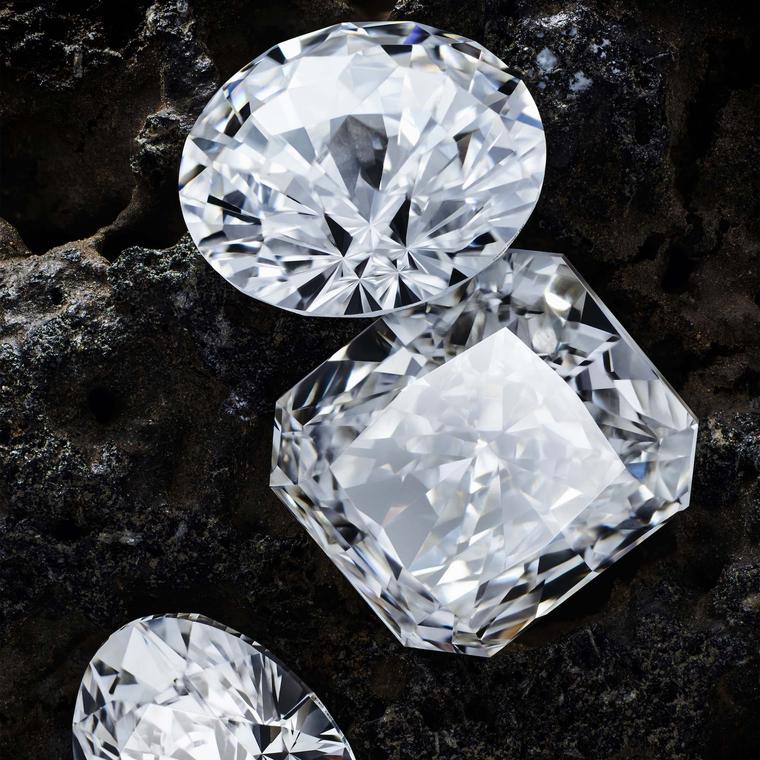
From the mining side, the consensus is that the "natural" label must be tied to tangible, visible provenance. Simply certifying a stone as natural is no longer enough when the consumer cannot distinguish it from a lab-grown alternative. The industry is currently experimenting with branded elements in settings and physical hallmarks to help the consumer recognize the difference before they even reach for a loupe.
What This Means for the Consumer
For the buyer at the jewelry counter, the landscape has never been clearer, yet more complex.
- For the Rational Buyer: If you are seeking the largest, most visually stunning stone for the lowest possible price, the lab-grown market is your clear destination. The prices are competitive, the quality is guaranteed, and the aesthetic is indistinguishable from the most expensive natural stones.
- For the Luxury Collector: If you are buying a natural diamond, do so for the reasons that only nature can provide: rarity, provenance, and the inherent value of a billion-year-old formation. Seek stones with documented history and avoid the mid-market "ordinary" stones that are currently caught in the price crossfire.
- For the Conscious Consumer: Look toward the vintage market. It offers a story, a history, and a level of craftsmanship that is increasingly difficult to source in the modern, mass-produced world.
The diamond has lost its status as a universal, singular symbol of value. Instead, it has become a multi-faceted category where the meaning of the object is no longer inherent in the carbon itself, but is earned through the narrative of the designer, the history of the house, and the integrity of the source. The era of the "standardized" diamond is over; the era of the "chosen" diamond has begun.