The landscape of luxury travel has fundamentally shifted, migrating from the confines of traditional resorts to the vast, shimmering horizons of the world’s oceans and inland waterways. What was once defined by buffet lines and crowded decks has been replaced by an era of "ultra-luxe" maritime experiences. Today’s travelers—those who demand the impeccable service of a five-star hotel—are increasingly looking to the water, where expedition vessels now penetrate the deepest reaches of the Arctic, river ships navigate the winding veins of the Amazon and the Mekong, and superyachts offer the exclusivity of a private estate.
This is no longer merely about transportation; it is about immersion. As the sector experiences a monumental boom, the lines between a high-end cruise and a curated, bespoke vacation have blurred.
The Paradigm Shift: From Cruise Ships to Floating Estates
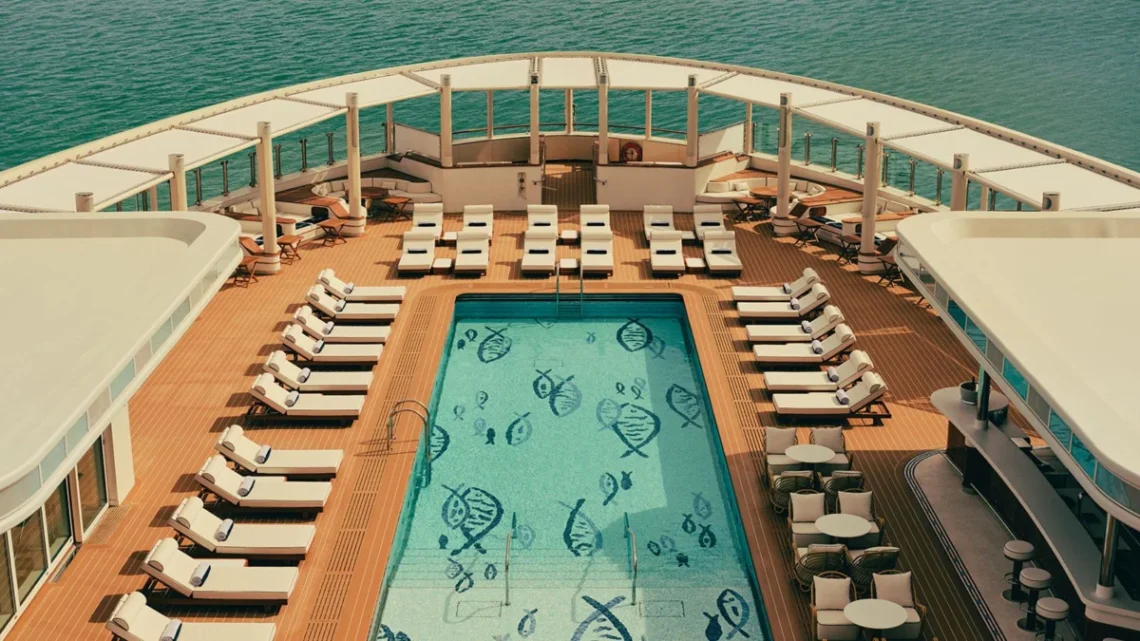
The most significant development in recent years is the entry of major hotel brands into the maritime space. Names synonymous with land-based opulence—Four Seasons, Aman, and The Ritz-Carlton—are moving into the sea, bringing with them a design philosophy that prioritizes intimacy and privacy. Unlike the sprawling behemoths of the mass-market cruise industry, these new vessels often carry fewer than 300 passengers, allowing for a personalized level of service that rivals the world’s most exclusive land-based resorts.
This shift in ownership has brought a dramatic change in the "vibe" of the voyage. These ships function less like transport vessels and more like floating boutique hotels. With low passenger-to-crew ratios, the focus has moved to architectural integrity, culinary excellence, and a "slow travel" approach. Furthermore, the traditional cruising calendar is evolving. Luxury lines are now aggressively expanding their Mediterranean itineraries into the shoulder seasons and even the winter months, providing travelers with year-round access to coastal gems without the stifling crowds of peak summer.

Chronology of Innovation: A Rapidly Evolving Fleet
The pace of development in the luxury cruise sector is accelerating. Here is a look at the milestones and upcoming launches shaping the market through 2029:
- 2026: Four Seasons I launches, introducing the concept of residential-leaning yachting with a one-to-one passenger-crew ratio.
- 2027: Aman at Sea debuts, focusing on Japanese-inspired serenity and extreme privacy, including two-deck spas and dedicated "host suites" for personal staff.
- 2027: Explora IV arrives, bringing high-end beach-club aesthetics to the open ocean.
- 2028: Crystal Grace joins the fleet, continuing the legendary brand’s evolution under the Abercrombie & Kent umbrella.
- 2028: Scenic Ikon sets sail, equipped with dual helicopters and submersibles for deep-sea exploration.
- 2029: Oceania Arietta and SeaDream III are slated for service, marking a continued expansion of high-end capacity.
Supporting Data: The Rise of the "Expedition-Luxury" Hybrid
Perhaps the most compelling trend is the "expedition-luxury" hybrid. Historically, visiting polar regions meant sacrificing comfort for access. Today, companies like Silversea and Ponant have inverted that model.
- Ponant’s Le Commandant Charcot: As the world’s only luxury icebreaker, it has turned the North Pole into a destination accessible via fine dining and butler service. Its inclusion of an Alain Ducasse restaurant signifies that even the most rugged frontiers are no longer devoid of Michelin-star quality.
- Seabourn’s Polar-Class Fleet: With Seabourn Venture and Seabourn Pursuit, the line has demonstrated that all-suite, high-design vessels can operate in the most remote corners of the globe, supported by advanced technology like onboard submarines.
- The "Discovery" Yachts: Scenic Luxury Cruises & Tours has pioneered the use of helicopters and submersibles on 270-passenger vessels, allowing guests to witness glaciers and marine life from perspectives that were previously impossible for the average traveler.
The Old Guard: Staying Relevant in a New Era
Established luxury stalwarts are not sitting idle. Brands like Regent Seven Seas, Seabourn, and Crystal are engaging in massive capital expenditures to ensure their existing fleets remain competitive against the influx of new hotel-branded yachts.
Regent Seven Seas, for example, is actively reducing passenger counts on its Explorer Class ships to expand the square footage of suites—a bold move in an industry typically obsessed with maximizing occupancy. Meanwhile, Seabourn is preparing a fleet-wide culinary overhaul, and Crystal has dropped the word "Cruises" from its branding to signify a shift toward more holistic, land-and-sea travel packages, particularly through its partnership with the luxury travel group Abercrombie & Kent.

Official Responses and Strategic Directions
Industry leaders emphasize that the current boom is not just about adding ships, but about changing the fundamental offering.
"We are moving toward a model of ‘residential cruising,’" says a representative for the Four Seasons Yacht division. "Our guests don’t want to feel like they are on a ship; they want to feel like they are in a private home that happens to move between the most beautiful ports in the world."
This philosophy is reflected in the pricing and inclusion structures. For the first time, we are seeing luxury lines experiment with "a la carte" luxury. Four Seasons, for instance, includes only breakfast in its base fare, allowing guests to curate their own dining experiences across 11 different onboard concepts. It is a departure from the "all-inclusive" norm, but it appeals to the high-net-worth demographic that prefers flexibility over fixed-package dining.
Implications: The Environmental and Social Footprint
With the expansion of these fleets comes a necessary conversation regarding sustainability. The luxury sector is leading the way in adopting new technologies to mitigate their footprint. The Orient Express Sailing Yachts, for instance, utilize fully automated, wind-powered rigs alongside LNG propulsion, setting a new standard for energy efficiency.

Furthermore, the shift toward smaller ships is inherently more sustainable for the ports of call. By avoiding the massive crowds associated with 5,000-passenger ships, these luxury vessels can access smaller, more fragile ecosystems—from the Galapagos to the Kimberly region of Australia—with a lighter touch. However, the pressure remains on these operators to ensure that their presence supports, rather than depletes, local economies.
The Future of the Voyage
As we look toward the end of the decade, the distinction between a "cruise" and a "sailing experience" will likely vanish entirely. The future of luxury maritime travel lies in the synthesis of the three pillars of the industry:
- The Vessel: Compact, technologically advanced, and designed with the intimacy of a private yacht.
- The Destination: Moving beyond the "tick-box" tourist path to deep, immersive, and often remote exploration.
- The Service: Personalized, intuitive, and driven by a hospitality-first mentality that mirrors the world’s most elite hotel chains.
For the modern traveler, the question is no longer "should I take a cruise?" but rather "which experience fits my lifestyle?" With the industry reaching unprecedented heights of sophistication, there has never been a better time to step aboard. Whether you are looking for the extreme isolation of the true North Pole or the refined comfort of an Mediterranean sunset from the deck of a boutique yacht, the options have never been more vast—or more luxurious.
In this new golden age, the sea has become the ultimate playground for the discerning traveler. It is a space where the boundaries of geography are challenged by the luxury of comfort, and where every sunrise brings a new, uncharted horizon.