
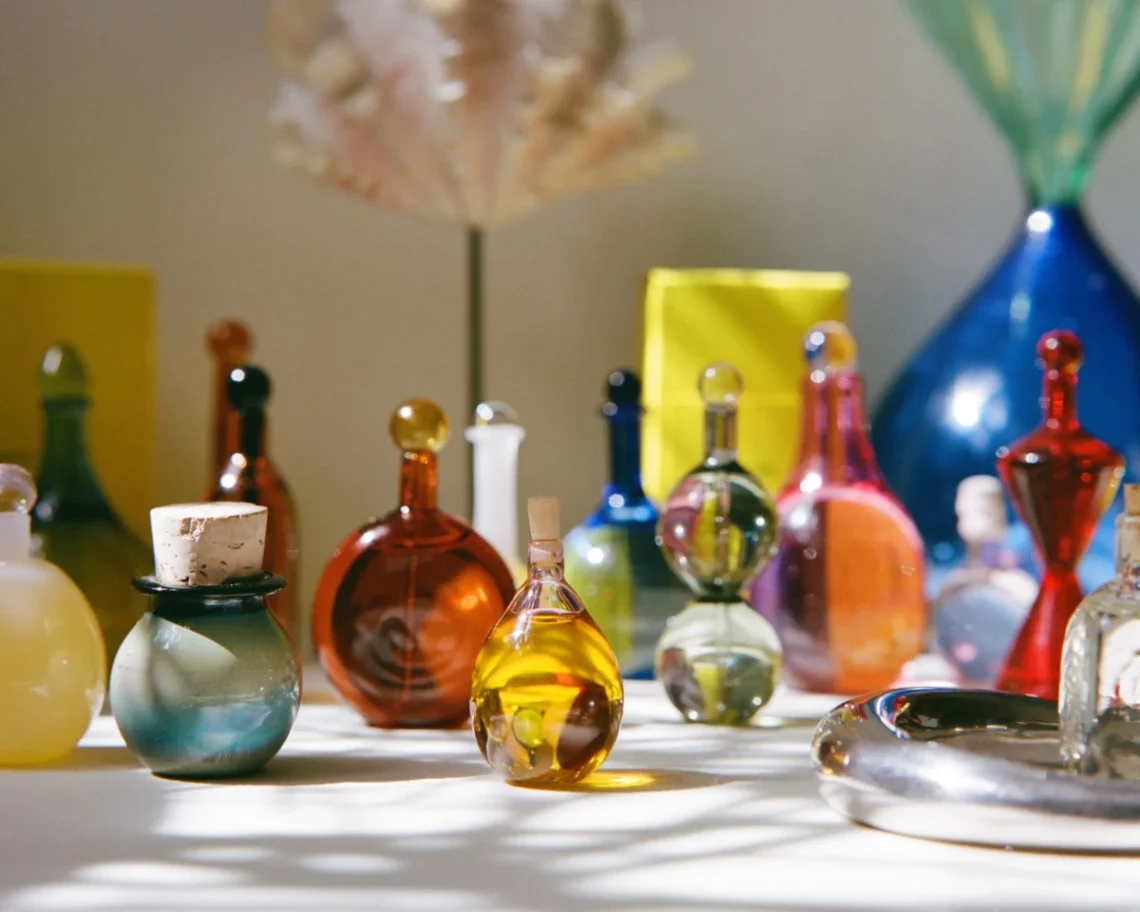
For decades, the global fragrance industry was anchored in the sterile laboratories of Grasse, France, or the corporate skyscrapers of Manhattan. But in the last fifteen years, a seismic shift has occurred. A new center of gravity for scent has emerged—not in a boardroom, but in the converted industrial lofts, sun-drenched brownstones, and gritty, transit-adjacent corners of Brooklyn.
From the aromatic, lived-in streets of Bedford-Stuyvesant to the raw, post-industrial studios of Bushwick and Gowanus, Brooklyn has become a crucible for a new breed of perfumer. These artisans, many of them self-taught and fueled by the borough’s distinct, unfiltered sensory landscape, are redefining what luxury fragrance means. They are moving away from mass-market homogenization and toward a model that prizes storytelling, ethical transparency, and the raw, unvarnished reality of urban life.

Main Facts: The Essence of the Borough
The modern Brooklyn perfume scene is defined by its refusal to sanitize the world. Where traditional perfumery seeks to mask the grit of the city with florals and synthetics, Brooklyn-based brands like Gamine, D.S. & Durga, and Kindred Black lean into the "rough edges."
Melanie Dir, founder of the recently launched Gamine, describes her brand as a distillation of a decade spent in Bed-Stuy. "Brooklyn shaped the brand’s DNA," she says. "It’s real, unfiltered, and impossible to manufacture." Her perfumes, such as Heroic Dose, capture the startling contradictions of the neighborhood: the fresh scent of jasmine mingling with the metallic tang of elevated subway tracks, or the warm, resinous notes of Nag Champa incense colliding with the scent of hot concrete and barbecue smoke.

This is not merely marketing; it is a movement. The borough’s unique aesthetic—a blend of historic brownstone charm and industrial decay—serves as both a laboratory and a muse. By embracing the tension between these elements, these perfumers are crafting products that feel inherently human, capturing moments in time rather than simply adhering to scent trends.
A Chronological Evolution: From DIY Beginnings to Global Influence
The rise of the "Brooklyn Scent" can be traced back to the creative explosion of the 2010s, a period when the borough became an incubator for artisanal, small-batch production.

- 2007: David Seth Moltz and Kavi Ahuja Moltz launch D.S. & Durga. Rooted in music, literature, and "cosplaying" the lifestyle of 1880s urban farmers, the couple turned their Bushwick apartment into a makeshift laboratory. Their success proved that a small, independent brand could scale without losing its soul.
- 2012: Tanaïs, an award-winning author and multidisciplinary artist, begins their journey into perfumery, eventually forming Studio Tanaïs. Inspired by the lack of South Asian representation in Western perfumery, they begin utilizing rare, traditional ingredients like mitti attar (the scent of rain on dry earth) to challenge Eurocentric norms.
- 2015–2018: The mid-decade saw the emergence of "clean" and ethical fragrance pioneers, such as Ellis Brooklyn, founded by journalist Bee Shapiro, and Kindred Black, which challenged the industry’s reliance on plastic and non-biodegradable waste.
- 2021–Present: Following the pandemic, the desire for "experiential" home and personal fragrance explodes, leading to the rise of brands like Hotel Lobby and the continued expansion of niche retail spaces like Stéle in Williamsburg, which acts as a cultural anchor for the community.
Supporting Data: The Anatomy of a Brooklyn Brand
What distinguishes these brands from their legacy counterparts is the deliberate, often slow-paced nature of their production.
Sustainability as a Foundation
For companies like Kindred Black, the business model is built on radical transparency. Founders Alice Kindred Wells and Jennifer Black Francis prioritize ethical sourcing over market saturation. Their bottles are hand-blown by artisans globally, and they eschew plastic in favor of recycled materials. This isn’t just an aesthetic choice; it’s a philosophical stance. "People want to be connected to the humanity in craft," says Wells. "We know the person blowing the glass, and we know the people picking the blossoms."

The Creative Cabal
The community aspect of Brooklyn perfumery is perhaps its most vital asset. In the case of Gamine, Melanie Dir’s studio became a rotating hub for local artists, musicians, and creatives. This "creative cabal" provided the necessary friction for product development. When testing a scent, Dir didn’t look for focus group data; she looked for reactions from people like the late graffiti legend Lance de Los Reyes or artist Sedrick Chisom. This collaborative environment ensures that the scents feel grounded in a lived experience rather than a sterile demographic study.
Official Responses and Industry Shifts
Legacy players and global fragrance distributors have taken notice. The "Brooklyn effect"—the ability to turn a niche, high-concept brand into a global success story—has changed how Sephora and other major retailers curate their shelves.

David Seth Moltz of D.S. & Durga, now sold in over 40 markets, reflects on the journey from a 500-square-foot studio under the F/G train to the Brooklyn Navy Yard. "We rubbed elbows with creatives, business owners, and chefs… it completely shaped our journey." The industry has moved to accommodate this, favoring brands that offer a "transportive" experience, whether through the scent itself or the detailed storytelling behind the brand’s origin.
However, some in the industry caution that the "Brooklyn brand" label risks becoming a trope. The challenge for these creators is to maintain their authentic, local ties as they scale. The success of The New Savant, which pushes against heteronormativity and Eurocentrism in candle-making, suggests that the market is still hungry for authentic, unconventional perspectives that a major conglomerate cannot replicate.

Implications: The Future of Scent
The success of Brooklyn’s perfumers carries profound implications for the future of the luxury market.
1. The Death of the "Generic" Scent
The industry is seeing a clear pivot away from mass-appeal scents that aim to offend no one. Consumers, particularly younger generations, are seeking "sillage" (the trail a perfume leaves behind) that identifies them as individuals. By utilizing notes like "rubber erasers," "blue hemp," or "salty tears," Brooklyn perfumers are proving that "weird" sells.

2. Perfumery as Transmutation
For many, like Tanaïs, perfume is not just a consumer product; it is a "practice of transmutation." By incorporating ingredients from their ancestral homelands—such as betel leaf or ceremonial incenses—these artists are reclaiming history. This trend suggests that the future of fragrance will be increasingly multicultural, moving away from the dominance of the French school of thought.
3. The Retail Experience
The rise of destination retail spaces like Stéle, Scent Bar, and Olfactory NYC proves that the future of fragrance is experiential. People are no longer just buying a bottle; they are buying an hour of education, a chance to mix their own scents, or a visit to a "temple of niche perfumery."

How to Chart Your Own Fragrant Trail Through Brooklyn
If you wish to immerse yourself in this sensory landscape, consider these essential stops:
- Stéle (Williamsburg): A must-visit for the architecture alone. Founded by a professional stone mason, the shop carries brands that are difficult to find anywhere else, such as Gabar and Neanderthal.
- Scent Bar (Williamsburg): The Brooklyn outpost of the legendary Luckyscent. It remains the gold standard for those dipping their toes into niche fragrance.
- Olfactory NYC (Williamsburg): The place to go if you want to play perfumer for a day. It offers a highly interactive experience where you can layer accords and walk away with a custom-labeled bottle.
- Apotheke (Red Hook): For those interested in the home fragrance side of the industry, their candle-pouring classes in their Red Hook studio provide a rare, hands-on look at the craft of blending oils.
Ultimately, Brooklyn has proven that when you combine a diverse, dense concentration of creative talent with the raw sensory stimuli of an urban environment, the result is a revolution. The borough is no longer just a place to live; it is a global landmark for the art of scent, proving that true luxury is often found in the most unfiltered, unexpected places.