
By Christine Pasquier | 06 May 2026
In a landmark announcement that redefines the synergy between high luxury and the international contemporary art scene, Bvlgari has been named the first-ever Exclusive Partner of La Biennale di Venezia. This strategic alliance, spanning until 2030, marks a transformative moment for both the Roman high-jewellery maison and one of the world’s most prestigious cultural institutions. By moving beyond traditional sponsorship models into a deeper, long-term commitment, Bvlgari is not merely supporting the arts; it is actively shaping the discourse of contemporary creativity on the global stage.

The Institutional Heart of Contemporary Art
Founded in 1895, La Biennale di Venezia is arguably the most significant recurring exhibition in the art world. For over 130 years, it has served as the ultimate barometer for artistic innovation, providing a platform where national identities, political ideologies, and avant-garde aesthetic movements intersect.
The Biennale is a sprawling, city-wide phenomenon, but its soul resides in two historic venues: the Giardini and the Arsenale. The Giardini, a sprawling parkland established by Napoleon, hosts the permanent national pavilions—architectural icons representing the artistic output of countries like Britain, France, and the United States. In contrast, the Arsenale—the former shipyard of the Venetian Republic—offers a stark, industrial contrast. Its cavernous brick halls provide the backdrop for the International Exhibition, where the guest curator of each edition brings together the most pressing voices of our time.
Beyond these pillars, the Biennale ripples across Venice, activating abandoned churches, forgotten palazzi, and contemporary foundations. It is within this rich, historic, and intellectually charged ecosystem that Bvlgari has now formally embedded its own cultural footprint.
A Chronology of Engagement: From Restoration to Partnership
Bvlgari’s ascent to the role of Exclusive Partner is the culmination of decades of quiet, consistent investment in heritage and creativity. The maison’s relationship with Italian culture is rooted in a sense of stewardship that transcends commercial interest.
- Early 2000s – 2010s: Bvlgari initiates a series of high-profile restoration projects, most notably the cleaning of the Spanish Steps in Rome and the meticulous preservation of the mosaics at the Baths of Caracalla. These projects established the brand as a primary guardian of Italy’s architectural legacy.
- 2015 – 2020: The maison pivots toward contemporary art, establishing partnerships with the MAXXI Museum in Rome and the Whitney Biennial in New York. These collaborations signaled an interest in the "living" arts, rather than just historical preservation.
- 2024: The Fondazione Bvlgari is officially launched. Designed to centralize the brand’s philanthropic and cultural activities, the Foundation provides the institutional framework required for a long-term, multi-year partnership with a body as complex as the Biennale.
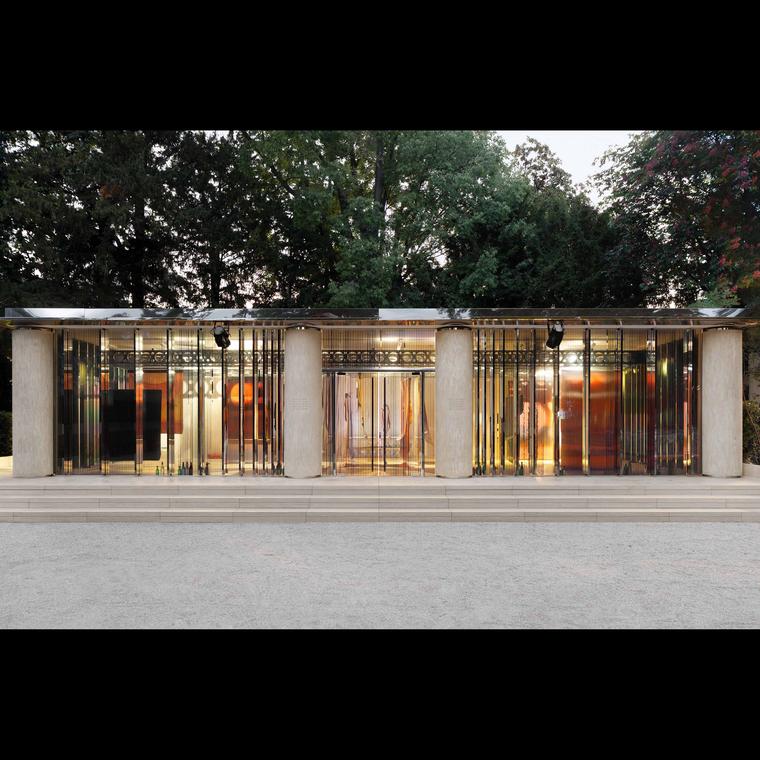
- 2026: The official announcement of the Exclusive Partnership until 2030. This edition of the Biennale marks the debut of the Bvlgari Pavilion in the Giardini, signaling a structural change in how private entities are integrated into the Biennale’s layout.
The 2026 Artistic Initiative: Bridging Tradition and Future
For the 61st International Art Exhibition, Bvlgari is hitting the ground running with two distinct, high-impact initiatives that showcase the brand’s curatorial ambition.
The Bvlgari Pavilion: Lotus L. Kang
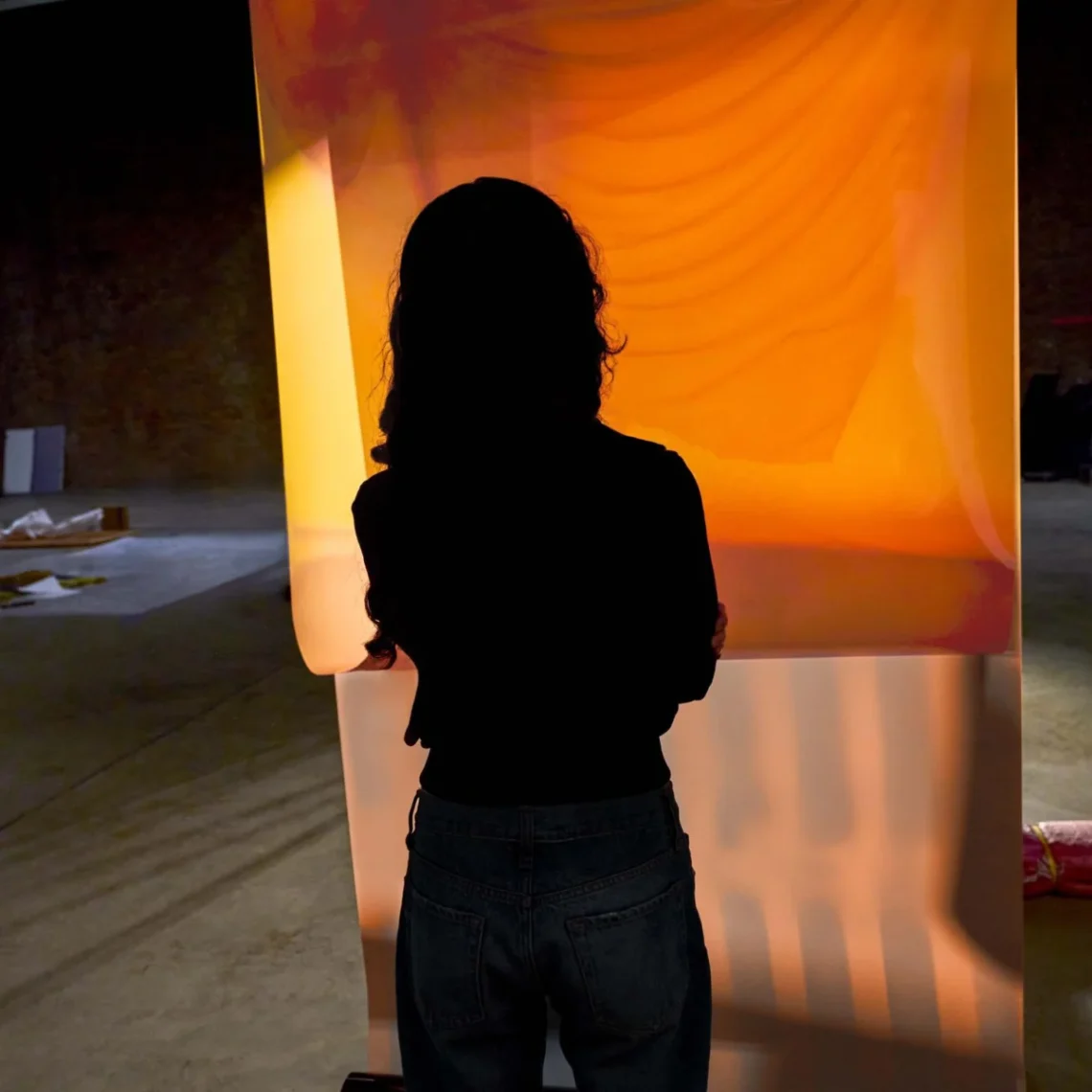
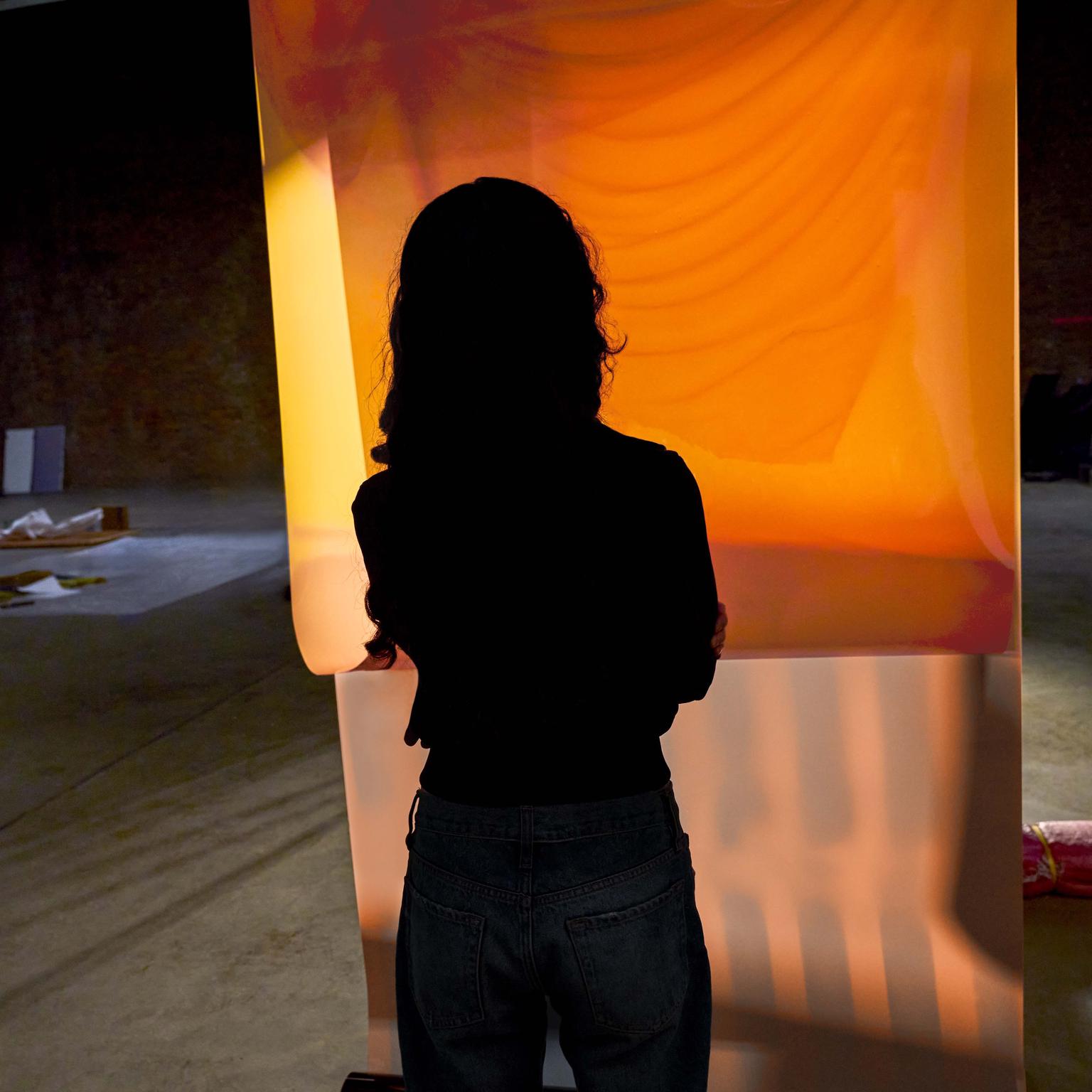
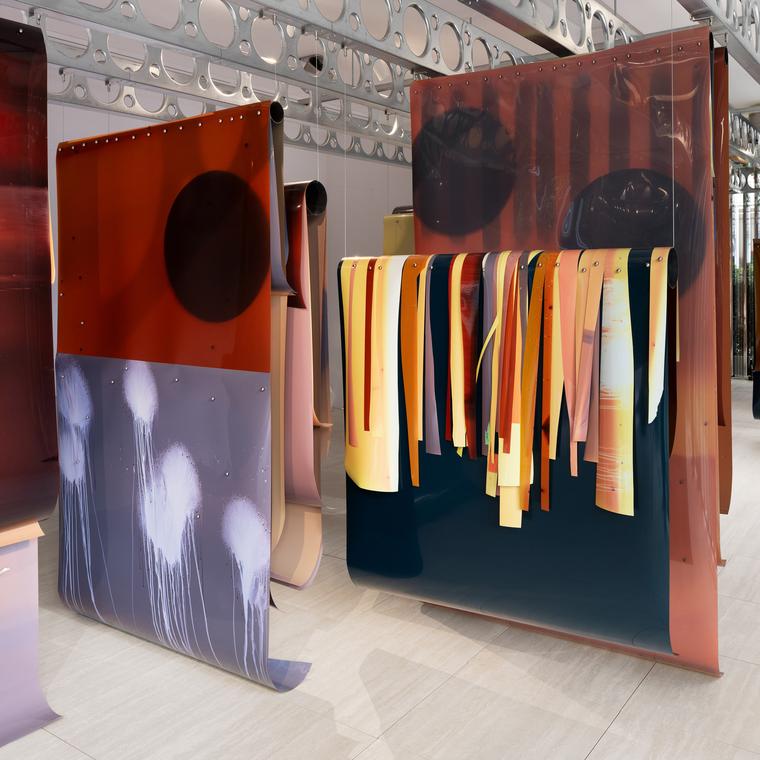
Situated within the prestigious Giardini, the newly inaugurated Bvlgari Pavilion is a physical testament to the brand’s commitment to cutting-edge discourse. For the 2026 edition, Bvlgari has commissioned the Canadian artist Lotus L. Kang. Her installation is a meditation on the fluidity of time and memory. Using light-sensitive film and sculptural forms that evolve throughout the duration of the exhibition, Kang’s work mirrors the jeweler’s own preoccupation with longevity and the "precious" nature of fleeting moments. The pavilion itself is designed to be a porous, experiential space that engages directly with the surrounding natural environment of the gardens.
Fondazione Bvlgari at the Biblioteca Nazionale Marciana
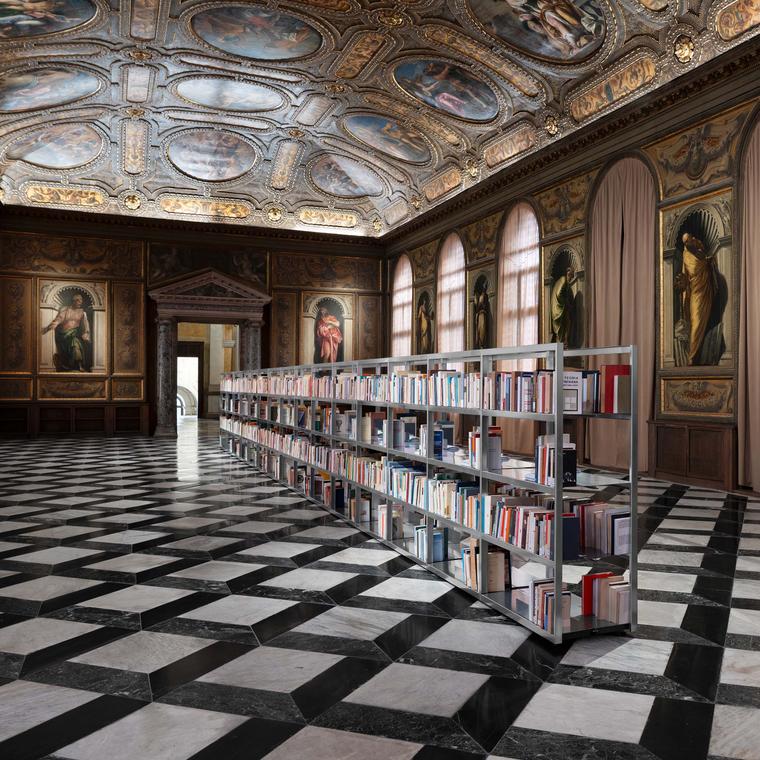
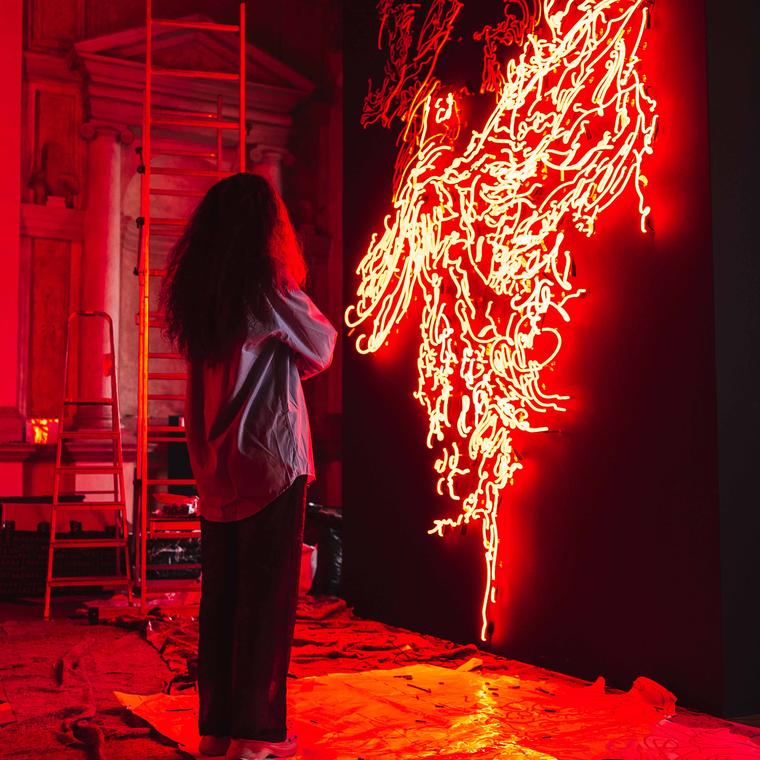
Parallel to the pavilion, the Fondazione Bvlgari has curated an exhibition at the historic Biblioteca Nazionale Marciana. This setting—a site of immense intellectual history—will host works by Lara Favaretto and Monia Ben Hamouda.
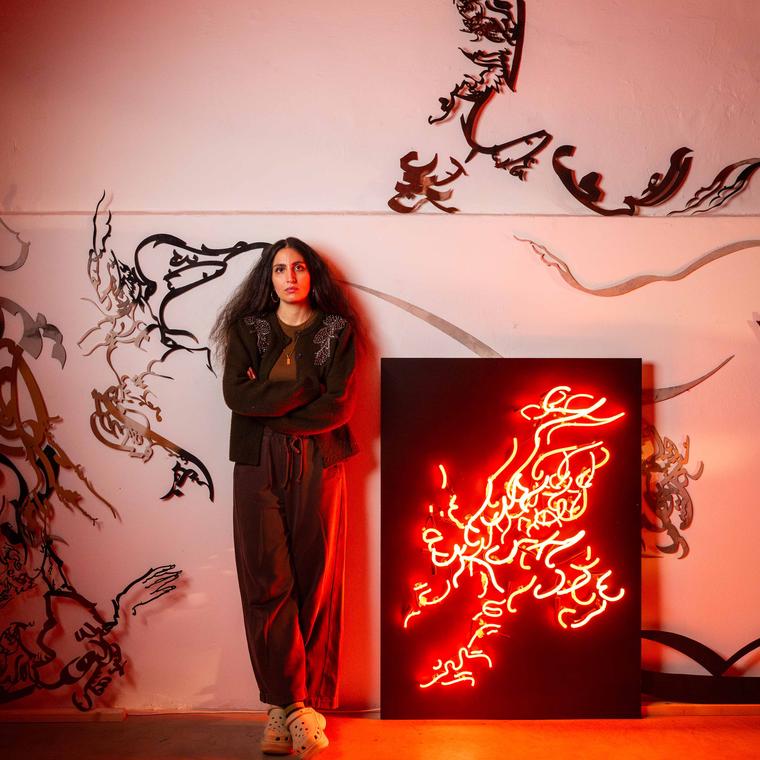
Lara Favaretto, a luminary in the Italian contemporary scene, is tasked with exploring the themes of "disappearance" and the fragility of monuments. Her inclusion underscores Bvlgari’s interest in the tension between permanence and decay. Conversely, the inclusion of the younger, Milan-born Tunisian-Italian artist Monia Ben Hamouda provides a vital counterpoint. Her installations, which weave together linguistic complexity, spiritual inquiry, and Mediterranean identity, represent the next generation of Italian art. By placing these two artists in the heart of Venice’s library, Bvlgari is engaging in a cross-generational dialogue that defines the current cultural moment.
Supporting Data: The Shift in Cultural Patronage
The financial and institutional shift represented by this partnership cannot be overstated. Traditionally, luxury houses have operated as "event-based" sponsors. They might underwrite a specific gala, fund the renovation of a single room in a museum, or provide the budget for a specific national pavilion.
However, the Bvlgari-Biennale model represents a "structural partnership." According to recent data from the cultural sector, private funding for major art exhibitions has seen an 18% increase over the last five years, as public funding becomes increasingly stretched. Bvlgari’s move is a response to this reality, but it also reflects a desire for "brand-art integration." By securing an exclusive position until 2030, Bvlgari ensures that its identity is permanently associated with the Biennale’s brand equity, moving far beyond the reach of standard marketing activations.
Official Perspectives and Implications
The partnership has been met with significant intrigue from art historians and luxury analysts alike.
"The Biennale is not just an art fair; it is a repository of global culture," says a spokesperson for the Biennale. "By entering into a long-term partnership with Bvlgari, we are creating a framework where private resources can be utilized to push the boundaries of what is possible in contemporary installation art. This is not about branding; it is about capacity building for artists."

For Bvlgari, the implications are equally profound. In the world of high jewelry, where the product is a synthesis of art, craftsmanship, and history, the Biennale offers the ultimate validation. It situates the Roman jeweler not as an outsider looking in, but as a core participant in the creation of cultural value.
However, this move also carries responsibilities. Critics of the "corporatization" of the art world often raise concerns about the independence of artistic curation when funded by large conglomerates. Bvlgari has attempted to mitigate this by funneling its efforts through the Fondazione Bvlgari, which emphasizes philanthropic and scholarly goals rather than direct product placement. The success of this partnership will ultimately depend on whether the Bvlgari Pavilion and the exhibitions at the Biblioteca continue to challenge audiences rather than simply providing a backdrop for corporate hospitality.

Looking Ahead: The Road to 2030
The 61st International Art Exhibition runs from 9 May to 22 November 2026. As the art world descends upon Venice, the Bvlgari Pavilion will undoubtedly be one of the most scrutinized spaces in the Giardini.
Beyond the current edition, the multi-year scope of the agreement suggests that we are witnessing the beginning of a larger trend. As luxury brands compete for the attention of the global elite, they are realizing that the most effective way to communicate value is through the support of deep-rooted, long-term intellectual projects.
Whether this shift toward deep, institutional integration will become the new standard for the luxury industry remains to be seen. But one thing is certain: by aligning itself with the historic grandeur of Venice and the radical spirit of the Biennale, Bvlgari has set a new, higher bar for what it means to be a corporate patron of the arts. The legacy of this partnership will be measured not in the jewels sold, but in the artistic careers launched, the installations preserved, and the cultural conversations sparked between now and 2030.