For decades, the global wine lexicon has been dominated by a singular, immovable truth: if you want world-class sparkling wine, you look to the chalky soils of Champagne, France. However, a quiet, effervescent revolution has been bubbling in the Pacific Northwest. Oregon, long lauded for its earth-driven Pinot Noir and elegant Chardonnay, is rapidly ascending to the status of the "Champagne of America."
What was once a boutique experiment by a handful of visionaries in the 1980s has matured into a sophisticated, multi-faceted industry. Today, with the backing of a rigorous trade organization and a generation of winemakers pushing the boundaries of traditional-method viticulture, Oregon is not just competing with the world’s best—it is redefining what domestic sparkling wine can be.
The Evolution of an Industry: From Pioneers to Powerhouses
The story of Oregon sparkling wine is one of deliberate patience. In the 1980s, industry pioneers like Rollin Soles, founder of Argyle Winery, saw the potential in the Willamette Valley’s cool, maritime-influenced climate. They recognized that the same acidity and phenolic ripeness that made the region’s still wines legendary could be harnessed for high-end bubbles.
"Oregon is increasingly recognized as the ‘Champagne of America,’" says Levi Seed, director of hospitality, head sommelier, and chef de cuisine at the Joel Palmer House Restaurant in Dayton, Oregon. "While there are distinct differences in soil and climate compared to France, the quality of Oregon sparkling wine has evolved significantly since Rollin Soles founded Argyle. Most modern producers are operating decades ahead of the original standards."
The sector has grown from a handful of experimental bottles to a robust industry represented by Method Oregon, a trade organization boasting 55 member wineries. This growth is not merely quantitative; it is a reflection of a deeper, technical mastery of the craft.
Chronology of a Bubbling Movement
- 1980s: The Foundation: Rollin Soles establishes Argyle, proving that the Willamette Valley’s cool climate could support the production of traditional-method sparkling wines.
- 2010s: The Modern Expansion: A wave of established wineries, including Rex Hill, begins diversifying their portfolios to include sparkling programs, recognizing consumer demand for high-end, domestic bubbles.
- 2015: Diversification: Rex Hill officially launches its sparkling program under executive winemaker Michael Davies, focusing on a range of styles including Blanc de Blancs and Blanc de Noirs.
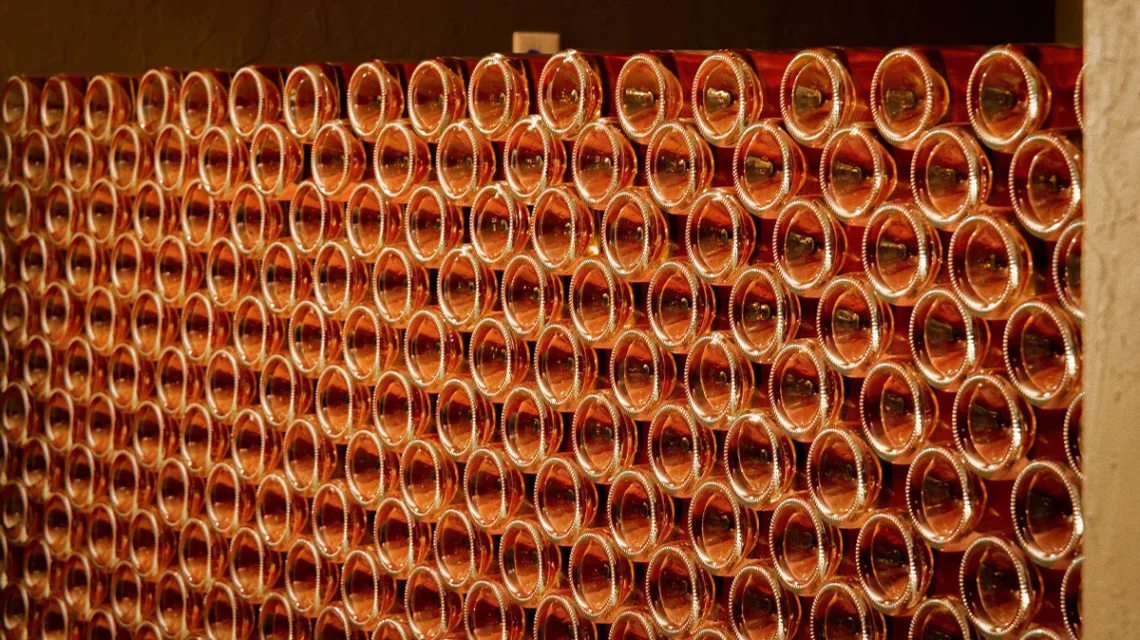
- 2020–Present: The Certification Era: The formation of Method Oregon marks a turning point, providing a unified standard for quality and a certification mark that guarantees traditional-method production and a minimum of 24 months of en tirage aging.
Supporting Data: Why the Willamette Valley Works
The secret to Oregon’s success lies in a unique convergence of geology and meteorology. Unlike the hot, sun-drenched regions of California, the Willamette Valley offers a cool, extended growing season.
"The Willamette Valley’s cooler climate creates ideal conditions for producing high-quality traditional method sparkling wines," explains Terry Culton, director of winemaking and vineyards at Domaine Willamette. "The cooler weather allows for an extended growing season and a slower ripening curve needed to pick fruit at the optimal maturity level."

This "slow-ripening" window is crucial. It allows the grapes to reach physiological maturity—developing the nuanced flavors required for base wines—without sacrificing the high acidity that provides the "backbone" of great sparkling wine.
Furthermore, the diversity of the region’s soil—ranging from volcanic Jory to sedimentary Willakenzie—allows winemakers to curate a "palate" of fruit. "The advantage of sourcing from multiple vineyard sites gives us the flexibility to respond to seasonal conditions and harvest during the peak weather window," Culton notes. By managing pH levels and sugar concentrations with surgical precision, producers are creating a foundation that rivals the most prestigious houses in Epernay and Reims.
Official Responses and Industry Insight
The commitment to quality is evident in the specific farming techniques now being deployed. At Erath Winery, head winemaker Leah Adint is intentional about the way she handles her fruit. "This fruit is intentionally farmed for sparkling wine; we keep a higher yield to slow down fruit ripening and encourage a bigger canopy to protect against sunburn," Adint says.
Adint highlights that the "tide of intention" in the valley is lifting all ships. This collaborative spirit is perhaps the region’s greatest asset. Unlike other wine regions that are defined by fierce, guarded competition, Oregon’s sparkling producers function more like a guild.
"We work together to find the right vineyards, the right techniques, and the right blend of varieties," Adint adds. "Our tide of intention and quality is raising all ships."
This collaborative spirit is formalized through Method Oregon. The organization’s seal is more than just a label; it is a promise to the consumer. As founding board member Jeanne Feldkamp—co-founder of the acclaimed Corollary Wines—notes, the seal acts as "visual shorthand" for one of the most rigorous standards in the world. By mandating secondary fermentation in the bottle and a two-year aging minimum, the organization ensures that no "shortcut" products reach the consumer under the Method Oregon banner.
Implications for the Future: A New Global Standard
As Oregon’s reputation grows, so does its influence on the global wine map. Sommeliers and wine directors across the country are moving beyond the "domestic novelty" phase and treating Oregon sparkling as a staple of world-class dining.

Alexandra Lanoue, wine director at the legendary Canlis in Seattle, serves Corollary’s 2021 Cuvée One Brut with enthusiasm. "They are pushing the industry forward in an inspiring way," she says, noting that the wine possesses a "length, freshness, and tension" that makes it a versatile partner for everything from caviar to fried chicken.
Similarly, at Jory at the Allison Inn & Spa, lead sommelier Tim Holst is witnessing a shift in how diners perceive these wines. "The depth of knowledge, research, and talent being invested suggests Oregon is poised to become one of the world’s premier sparkling wine regions," Holst observes.
The Path Forward
The implications for the consumer are clear: the search for elite sparkling wine no longer requires a plane ticket to France or an exorbitant markup for international prestige. The "Champagne of America" is not an imitation; it is an evolution.
As the industry continues to refine its techniques—experimenting with longer en tirage aging, utilizing diverse oak and stainless steel fermentation, and leaning into the specific micro-climates of the Willamette Valley’s varied AVAs—the gap between Oregon and the rest of the world continues to close.
The verdict from those in the industry is nearly unanimous: Oregon has graduated from a promising newcomer to a serious, high-caliber player. Whether you are a seasoned collector or a curious casual drinker, the bottles emerging from the Willamette Valley today offer a level of complexity, history, and craftsmanship that demands a seat at the table of the world’s finest wines. The bubbles in your glass are no longer just a celebration of the harvest; they are a celebration of a region that has successfully found its own, sparkling voice.