By Technology Desk
Published: July 18, 2026 | 12:30 PM PDT
Executive Summary: A City Briefly Halted
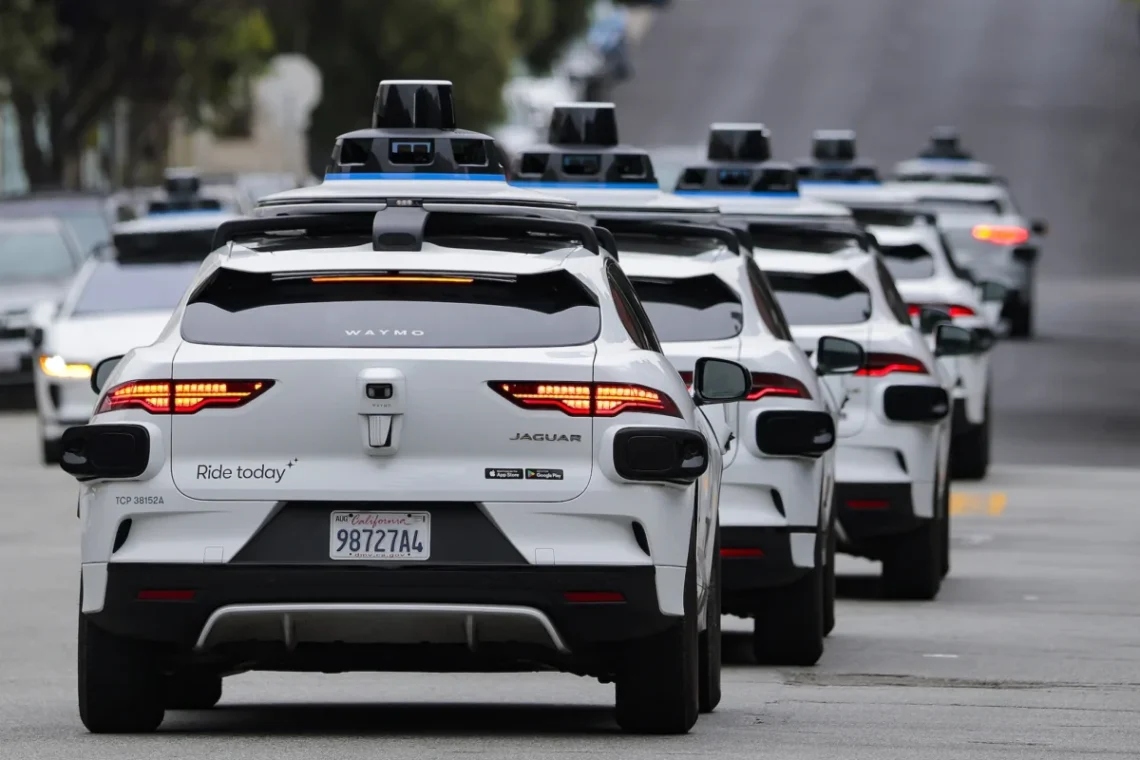
Waymo, the Alphabet-owned autonomous vehicle pioneer, has officially resumed its full robotaxi operations in San Francisco following a brief, precautionary suspension of service earlier today. The operational pause was triggered by a significant power outage that impacted the city’s electrical grid, leaving approximately 7,000 Pacific Gas and Electric (PG&E) customers without power.
While the disruption was short-lived—lasting roughly one hour—it highlights the persistent challenges facing autonomous vehicle (AV) deployment in dense urban environments. The incident serves as a stark reminder of the complex interplay between city infrastructure and the proprietary software stacks that guide driverless vehicles.
Chronology of the Event
The timeline of today’s disruption began shortly after midday, as reports of grid instability emerged across several San Francisco neighborhoods.
- 11:45 AM PDT: Reports of a widespread power outage began circulating, affecting traffic signaling and residential infrastructure.
- 12:00 PM PDT: Waymo’s internal monitoring systems detected the grid failure. In a proactive move to ensure safety, the company implemented "temporary adjustments" to its fleet.
- 12:15 PM PDT: San Francisco residents attempting to hail rides reported receiving in-app notifications stating that service was "temporarily paused" and explicitly noting that "freeway routes are unavailable."
- 12:30 PM PDT: The company officially confirmed the pause to the public, citing a need to "assess the scale of the power outage" and "coordinate with local officials."
- 1:15 PM PDT: Following a swift assessment of the local conditions and the stabilization of critical infrastructure, Waymo announced that normal operations had resumed across the city.
Supporting Data and Infrastructure Dependencies
The resilience of an autonomous fleet is inherently linked to the stability of the environment it navigates. Modern robotaxis rely on a constant stream of data, including high-definition mapping, real-time traffic updates, and cellular connectivity, all of which can be compromised during major utility failures.
The outage, which impacted roughly 7,000 customers, likely caused localized traffic signal malfunctions and connectivity "dead zones." For a fleet of vehicles that relies on precise sensor fusion—where LiDAR, cameras, and radar must reconcile with real-time digital maps—the loss of reliable cellular data or the chaos of unmanaged intersections presents a "worst-case scenario" for onboard AI algorithms.
Previous incidents underscore the sensitivity of these systems:
- December 2025: A widespread blackout forced a mass stall of Waymo vehicles on city streets, creating localized traffic congestion and raising alarms about the fleet’s ability to navigate "limp-home" modes during total power loss.
- July 2026 (Independence Day): A similar incident paralyzed traffic during the Fourth of July fireworks show, where the surge in pedestrian density and cell tower saturation led to navigation errors that effectively gridlocked several major thoroughfares.
Official Responses and Corporate Strategy
In the wake of today’s events, Waymo has moved to frame the pause as a standard safety protocol rather than a systemic failure.
"We are making temporary adjustments to our service while we monitor local conditions," a Waymo spokesperson stated in an initial comment. "We know riders depend on us, and we will return to normal operations as soon as possible."
Following the resumption of service, the company clarified the rationale behind the downtime. A spokesperson noted that the decision to pause was a calculated measure to "assess the scale of the power outage affecting a large portion of San Francisco and coordinate with local officials." This transparency is a marked shift from the company’s early years, reflecting a matured approach to PR and public safety oversight.
Implications: The Regulatory Pressure Cooker
The reoccurrence of these "traffic incidents" has brought the autonomous vehicle industry into the crosshairs of San Francisco’s political leadership. Mayor Daniel Lurie has been increasingly vocal about the need for a more rigid regulatory framework.
Following the Fourth of July traffic fiasco, Mayor Lurie formally requested that state regulators at the California Public Utilities Commission (CPUC) and the Department of Motor Vehicles (DMV) implement stricter oversight. "We need to adequately address how autonomous vehicles operate during major incidents, planned or not," Lurie said in a recent press conference.

The political argument is twofold:
- Public Safety: Can AVs function safely when traditional traffic signals go dark, or does their presence exacerbate the danger to pedestrians and emergency responders?
- Emergency Management: Do AVs block critical arteries during a disaster, preventing emergency vehicles from reaching those in need?
Industry experts suggest that as long as these incidents continue, the regulatory environment will likely transition from a "permission-to-operate" model to a more prescriptive, "operational-limitations" model. This could mean future mandates requiring AVs to have specific software protocols for power outages, or even the requirement for remote human operators to be "on standby" in a virtual cockpit whenever a major municipal alert is issued.
The Road Ahead: The Future of Urban Mobility
As San Francisco continues to serve as the global laboratory for autonomous transit, the friction between tech-forward infrastructure and aging electrical grids remains a critical bottleneck.
For Waymo, the goal is to prove that its vehicles are not merely "fair-weather" transit options but robust solutions that can handle the unpredictability of a modern city. However, the recurring nature of these "temporary pauses" suggests that the "Level 4" autonomy currently being deployed still requires a human-centric support system—both in terms of remote operations and municipal coordination.
As the industry moves toward 2027, the focus is expected to shift from scaling the number of vehicles on the road to improving the "behavioral intelligence" of the fleet during crises. For now, the residents of San Francisco have regained access to their autonomous rides, but the city’s political patience is visibly thinning.
Whether these pauses remain a minor inconvenience or become a catalyst for a permanent slowdown in the rollout of driverless technology depends on how quickly companies like Waymo can demonstrate that their algorithms are as resilient as the city they serve.
Frequently Asked Questions (FAQ)
Q: Did the outage cause any accidents involving Waymo vehicles?
A: No. Waymo proactively suspended service to prevent potential incidents, and there have been no reports of collisions or injuries related to today’s power outage.
Q: Are Waymo vehicles inherently unsafe during a blackout?
A: Autonomous vehicles are programmed to reach a "minimal risk condition" (stopping safely) if they detect sensor degradation or loss of connectivity. While this is safe, it often leads to the vehicle stopping in the middle of the road, which can cause traffic congestion.
Q: Will there be more regulation?
A: It is highly likely. Mayor Lurie and other officials are currently lobbying the state to grant the city more power to oversee how these fleets behave during municipal emergencies.
Q: Is the service currently back to normal?
A: Yes. Waymo confirmed that operations resumed as of early this afternoon, and the fleet is currently operating at full capacity.
Stay tuned to our Transportation vertical for further updates on the evolving regulatory landscape of autonomous transit in California.