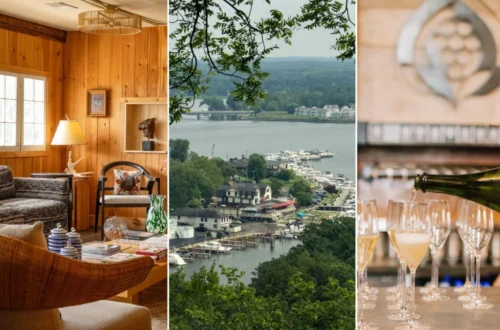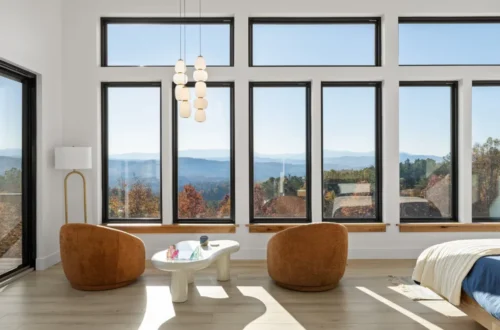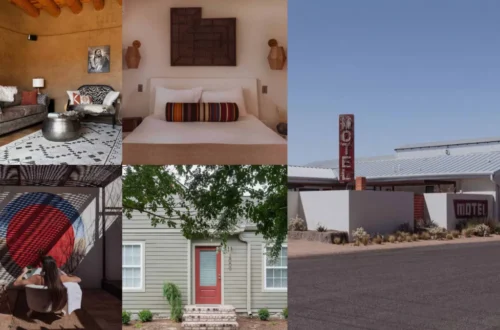
For decades, New Hampshire has occupied a curious position in the American travel psyche. Often overshadowed by the glitzy ski resorts of Vermont or the rugged, craggy coastline of Maine, the “Granite State” has long been viewed as a drive-through destination—a scenic corridor for leaf-peepers and weekend warriors bound for higher altitudes. However, for those who take the time to peel back the layers of its dense pine forests and historic mill towns, the rumors are undeniably true: New Hampshire is not just a passing waypoint; it is a profound, breathtakingly beautiful destination that is finally having its moment.
The Re-discovery of Home: A Personal Perspective
The evolution of New Hampshire’s tourism landscape is best viewed through the lens of those who have seen it change. Having grown up in the state before embarking on a twelve-year stint in the frantic, concrete-heavy corridors of New York City, the return to one’s roots in 2020—specifically to a grandfather’s home—offered a unique vantage point. The transition from the world’s most kinetic city to the quiet, rolling hills of the Granite State revealed what many travelers are now discovering: the value of stillness, access to untamed nature, and the charm of a state that refuses to succumb to the pressures of mass-market commercialization.
Over the past six years, the exploration of New Hampshire has moved beyond the clichéd postcard images of fall foliage and winter slopes. It has become an investigation into the pockets of innovation—culinary gems in renovated industrial spaces, boutique retail experiences in historic town squares, and a hospitality sector that has pivoted from generic motels to highly curated, immersive vacation rentals.
Chronology of a Tourism Shift
The transformation of New Hampshire’s travel sector didn’t happen overnight. It is the result of a multi-decade shift in how travelers interact with the state:
- The Traditional Era (1980–2010): Tourism was dominated by "big-box" ski resorts and seasonal camping. The state was a destination for specific activities rather than a holistic travel experience.
- The Renaissance of Infrastructure (2010–2019): Small towns began revitalizing their downtown cores. Historic mill buildings in places like Dover and Manchester were converted into tech hubs, restaurants, and upscale lodging, attracting a younger, more design-conscious demographic.
- The Great Migration (2020–2022): The pandemic triggered a mass exodus from major metropolitan areas. New Hampshire, with its vast wilderness and decentralized population, became a sanctuary. This period saw a surge in long-term rentals and a boom in local hospitality entrepreneurship.
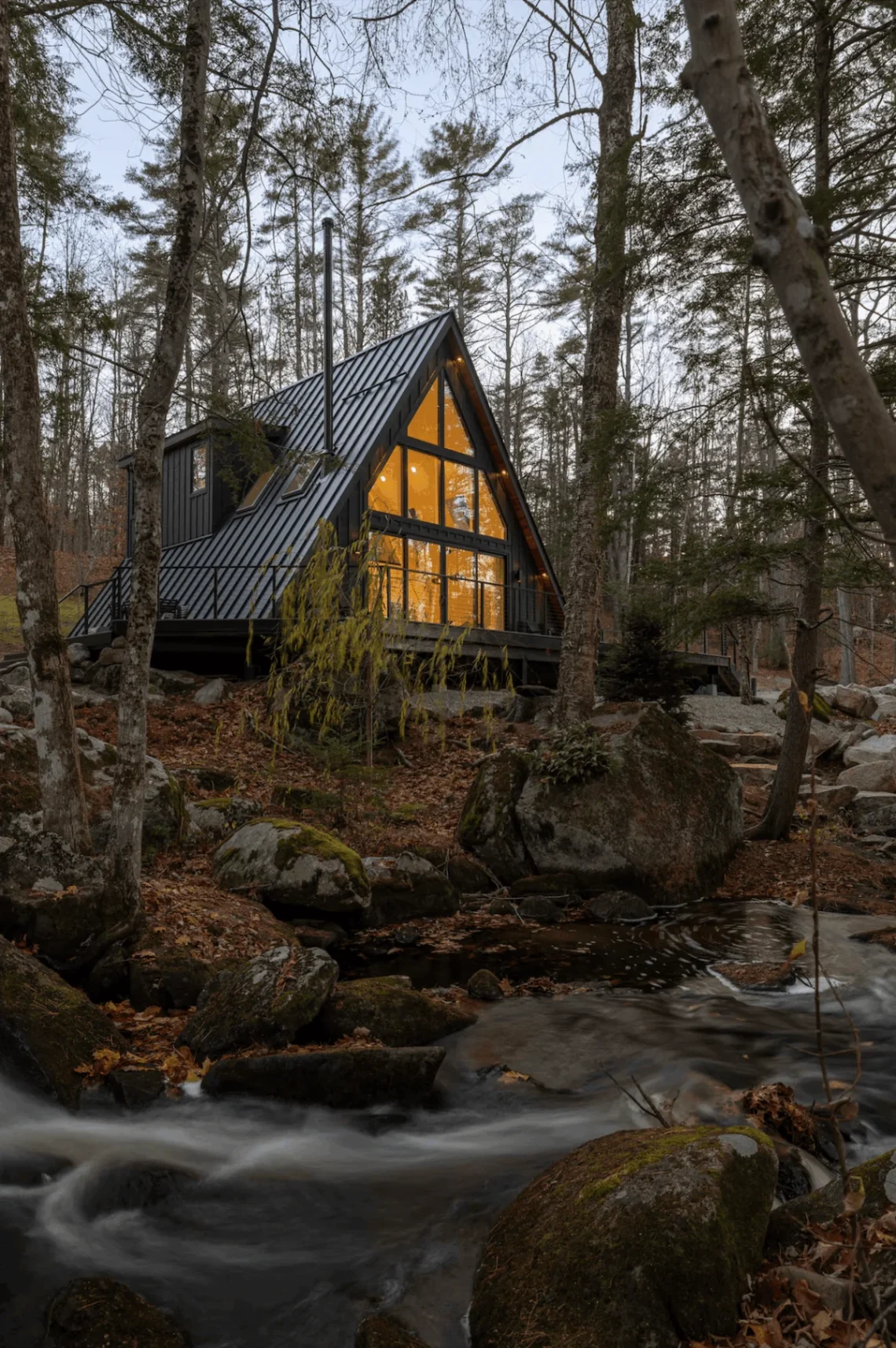
- The Boutique Evolution (2023–Present): Today, the focus has shifted toward high-end, experiential stays. Airbnb and Vrbo listings now prioritize architectural integrity—A-frames, waterfront cabins, and luxury studios—allowing visitors to inhabit the landscape rather than merely visit it.
Supporting Data: The Economic and Cultural Landscape
New Hampshire’s appeal is backed by more than just subjective beauty. Several key factors contribute to its growing prominence in the national travel market:
The "Tax-Free" Advantage
The absence of sales tax remains a significant draw for both visitors and residents. In an era of rising inflation, the ability to shop, dine, and explore without the added burden of state sales tax adds a layer of economic ease to a vacation. For the luxury traveler, this translates to more budget allocated toward unique local experiences, artisan goods, and high-end dining.
The Density of Experience
While New Hampshire may not offer the relentless, 24/7 action of a city like Las Vegas or New York, it offers a "density of experience" that is rare. Within a two-hour drive, one can transition from the Atlantic coastline in Portsmouth to the dramatic alpine terrain of the White Mountains. This compactness allows for a varied itinerary that is impossible in larger, more sprawling states.
Rental Market Performance
Data from major short-term rental platforms indicates a 22% increase in demand for "Superhost" and "Guest Favorite" properties in the White Mountains and Seacoast regions over the last three years. Properties that emphasize local history, sustainable design, and direct access to outdoor recreation are seeing the highest occupancy rates, signaling a shift in traveler preference toward authenticity over volume.
Official Perspectives: Balancing Preservation and Growth
The New Hampshire Division of Travel and Tourism Development has faced the challenge of balancing the influx of new visitors with the state’s deeply held values of conservation and quietude.
"We are not looking to become a mass-market destination," says a state tourism official. "Our goal is to attract the traveler who respects the environment. We are focused on the ‘leave no trace’ philosophy, ensuring that as our hospitality sector grows, the very wilderness that draws people here remains pristine. The rise of boutique rentals has been helpful in this regard, as it disperses visitors into smaller, more sustainable clusters rather than concentrating them in large hotels."
Local planning boards have also begun to implement stricter regulations on short-term rentals to ensure that the character of historic neighborhoods is preserved, preventing the "Disneyfication" of the state’s charming, small-town aesthetic.
Implications for the Modern Traveler
What does this mean for someone planning a trip to the Granite State today? It means the standards have been raised. Gone are the days when a generic roadside motel would suffice for a weekend getaway.
Choosing Your Stay
The modern New Hampshire traveler should prioritize location-specific lodging.
- The White Mountains: Look for A-frames or log cabins that offer direct access to hiking trails. The architectural style here is often rustic-modern, designed to frame the surrounding mountain peaks.
- The Seacoast: Seek out renovated historic homes in Portsmouth or Rye. These properties offer a glimpse into the state’s maritime history while providing modern, luxury amenities.
- The Lakes Region: Waterfront properties here are the gold standard. The focus should be on private access to the water, where the stillness of the morning mist on the lake is the primary amenity.
Beyond the Foliage
While the fall foliage remains the state’s primary calling card, travelers are encouraged to visit during the "shoulder seasons." Late spring offers the rush of mountain waterfalls and the blooming of the landscape, while early autumn provides a crispness that is unmatched. By traveling outside the peak foliage window, visitors not only find better availability in premium rentals but also contribute to a more sustainable, year-round tourism economy.
Conclusion: A State of Mind
New Hampshire is, at its heart, a state of mind. It is a place that rewards those who are willing to slow down, look closely, and engage with the landscape on its own terms. Whether you are seeking the adrenaline of a ski run in Bretton Woods, the intellectual stimulation of a literary tour in the North Country, or simply the quiet luxury of a secluded cabin in the woods, the Granite State provides a sanctuary that is increasingly rare in the modern world.
As we look toward the future, the state’s trajectory seems clear: it will continue to lean into its identity as a premier boutique destination. It is a place where nature is not just a backdrop, but the primary actor. For those who choose to visit, the promise is simple: you will come for the beauty, but you will stay for the quiet, lingering sense of belonging that only a place as authentic as New Hampshire can provide. The rumors were true all along—and the best way to confirm them is to see it for yourself.