Since its 17th-century roots, Thanksgiving has evolved from a harvest ritual into a cornerstone of American culture. Yet, in the 21st century, the definition of "family" is shifting. The rise of "Friendsgiving"—a communal, peer-led iteration of the traditional holiday—has dismantled the requirement that one must be tethered to ancestral dining tables to experience the spirit of gratitude.
But as the social expectations of the holiday evolve, so too do the logistics. For many, the pressure of hosting a large group in a cramped city apartment or navigating the logistical nightmares of travel to a family home has created a new market demand: the "destination holiday." Through platforms like Airbnb, the burden of hosting has been transformed into a curated experience, allowing groups to rent sprawling homesteads that serve as the perfect backdrop for a modern celebration.
Main Facts: The Rise of the Destination Holiday
The pivot toward renting vacation properties for Thanksgiving is not merely a trend; it is a structural shift in how Americans spend their limited holiday time. Data indicates that travelers are increasingly prioritizing properties that offer "hospitality-grade" amenities—full-sized professional kitchens, expansive dining rooms, and high-capacity sleeping arrangements—to accommodate large parties.
The appeal is simple: the modern traveler seeks the "Martha Stewart aesthetic" without the long-term maintenance. For East Coast residents, this means access to properties ranging from historic Hudson Valley farmhouses to secluded New Hampshire log cabins. These locations provide an immediate escape from the urban grind, offering a serene environment where the focus shifts from the stress of hosting to the quality of human connection.
Chronology: From 1621 to the "Friendsgiving" Revolution
To understand the current movement, one must look at the timeline of the holiday’s social evolution:
- 1621: The historical inception of the harvest feast, characterized by communal gathering and survival-based gratitude.
- 1863: Abraham Lincoln officially declares Thanksgiving a national holiday, cementing the tradition as a family-centric, home-based event.
- Late 20th Century: As mobility increases and families become more geographically dispersed, the traditional "family feast" becomes harder to maintain.
- 2007–2010: The term "Friendsgiving" gains traction in popular culture, driven by the digital age and social media, marking the first time the holiday is explicitly detached from blood relatives.
- 2015–Present: The "Sharing Economy" (Airbnb, Vrbo) matures. Thanksgiving travelers begin shifting their preferences from hotels to "home-away-from-home" rentals, leading to the current market where booking a holiday home is as common as booking a flight.
Supporting Data: The Anatomy of a Perfect Rental
What makes a property "Friendsgiving-ready"? According to rental market analysts, four key pillars define the most sought-after holiday rentals on the East Coast:
1. The Culinary Infrastructure
The most critical factor is the kitchen. A standard apartment oven often fails to accommodate a 20-pound turkey, not to mention the secondary side dishes required for a group of ten or more. Top-tier holiday rentals now advertise "chef’s kitchens" featuring dual ovens, oversized ranges, and industrial-sized refrigerators.
2. Sleeping Capacity and Privacy
A successful group trip hinges on the balance between communal space and individual rest. Listings that offer high ratios of bedrooms to bathrooms are significantly more likely to be booked for the Thanksgiving window. Superhost status is often contingent on the ability to provide comfortable, hotel-quality linens and configurations that don’t rely solely on pull-out sofas.
3. Entertainment and Amenities
The modern Friendsgiving is a multi-day affair. Beyond the meal, guests look for properties that offer "après-dinner" entertainment. This includes game rooms, libraries, hot tubs, and saunas. The objective is to create a self-contained ecosystem where the group does not need to leave the property for the duration of the holiday.
4. Aesthetic and Atmosphere
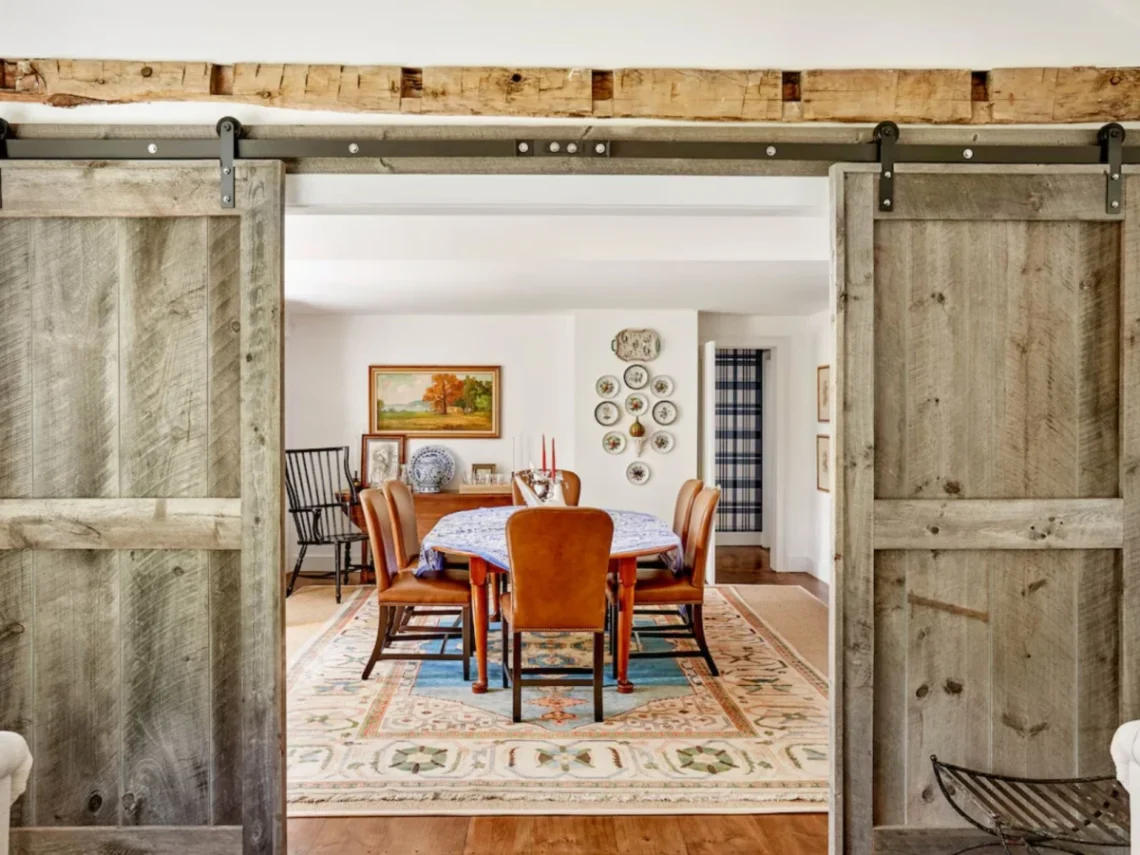
Social media influence cannot be ignored. The "country-chic" aesthetic—exposed beams, stone fireplaces, and rustic wood finishes—is a primary driver of bookings. These homes serve as "Instagrammable" backdrops, providing a sense of comfort and luxury that elevates the holiday from a simple dinner to an immersive experience.
Official Responses and Industry Insights
The travel industry has responded aggressively to this trend. Hospitality experts note that rental properties that cater to "micro-events" like Friendsgiving often see higher repeat booking rates.
"The modern traveler is tired of the ‘hotel experience’ during the holidays," says a spokesperson for a leading short-term rental analyst firm. "They want the intimacy of a home, but they want the functionality of a professional space. We are seeing property owners specifically investing in larger dining room tables and expanded kitchenware to capture this segment of the market."
Furthermore, Airbnb’s "Superhost" program has become a primary metric for reliability. Properties on the East Coast that have attained this status are often booked out months in advance. The criteria—which include low cancellation rates, high-speed Wi-Fi, and localized guidebooks—are effectively setting a new standard for what a "host" is expected to provide during a holiday gathering.
Implications: The Social and Economic Shift
The rise of the destination Friendsgiving has significant implications for both the real estate market and social dynamics:
The Impact on Real Estate
Homeowners in the Hudson Valley, the Berkshires, and the White Mountains are increasingly designing their properties with short-term rental viability in mind. This has led to a boom in "design-focused" renovations, where the aesthetic value of a kitchen is prioritized as much as its functional capacity.
The Social Evolution of Gratitude
Perhaps the most profound implication is the democratization of the holiday. For those who live far from their biological families, or for those whose family structures are complex, the destination Friendsgiving provides a "chosen family" environment. It allows for the creation of new traditions—such as group hikes in the woods or long nights by a fireplace—that are not burdened by the historical baggage of traditional family gatherings.
Environmental Considerations
With the shift toward destination travel, there is a growing dialogue regarding the environmental impact of holiday travel. Many travelers are opting for "local destination" rentals—properties within a two-to-three-hour drive of major urban hubs like New York, Boston, or Philadelphia. This reduces the carbon footprint associated with long-haul air travel while still providing the necessary "change of scenery."
Conclusion: A New Tradition
As we look toward future holiday seasons, the trend of the destination Friendsgiving appears to be more than a temporary shift. It is a fundamental change in how we define community and hospitality. By leveraging the accessibility of vacation rentals, people are reclaiming the holiday, stripping away the stress, and focusing on what matters: the meal, the setting, and the people at the table.
Whether it is a restored farmhouse in New York or a secluded cabin in New Hampshire, the modern Friendsgiving is proof that the spirit of the holiday doesn’t live in a specific house—it lives in the effort we put into gathering together, wherever that may be. As long as the oven is large enough and the table is set for friends, the tradition of gratitude remains stronger than ever.