
Summer offers a rare, golden interval to pause, disconnect from the relentless pace of the digital age, and reconnect with the profound histories and intimate stories that shape our material world. For those who find beauty in the precision of a goldsmith’s tool or the narrative power of a gemstone, the season is best spent in the company of a good book.
Whether you are seeking the academic rigor of imperial workshops or the contemporary dynamism of family-run ateliers, these three works provide an essential map of the jewelry world. They move beyond the superficial allure of the vitrine to examine the human labor, historical shifts, and creative partnerships that transform raw metal and stone into enduring objects of desire.
1. The Ottoman Legacy: Arsen Yarman’s Monumental Scholarship
Main Facts: The Armenian Goldsmiths Under the Ottomans
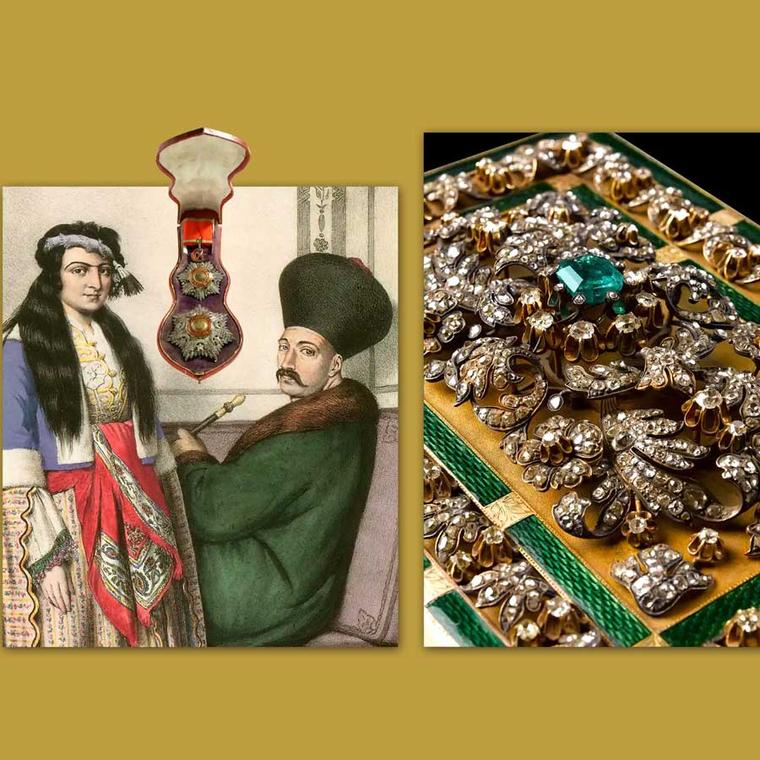
Arsen Yarman’s two-volume masterwork is not a casual beach read—it is a weight of history that commands respect. Spanning the 16th to the 20th century, this exhaustive study illuminates the Armenian goldsmiths who served as the silent, creative engine of the Ottoman Empire. Originally published in Turkish in 2022, the rapid depletion of that initial print run necessitated this long-awaited English-language edition, which finally grants global scholars and collectors access to a previously obscured chapter of decorative arts.

Chronology of a Craft
Yarman constructs a meticulous timeline that tracks the evolution of Ottoman jewelry from the era of hand-drawn designs and foot-pedal diamond cutting to the industrial advancements of the early 20th century. By documenting over 2,000 individual goldsmiths, the author reconstructs a world where mastery was measured by manual dexterity and the steady application of hand drills. The scope is breathtaking, traversing centuries of political volatility and artistic consistency.
Supporting Data and Visual Documentation
The strength of this work lies in its primary source material. The volumes are replete with:
- Archival Records: Previously unpublished Ottoman and Armenian government documents, seals, and imperial orders.
- Visual Evidence: A vast repository of original pencil-sketched designs, liturgical silver, watchmaking schematics, and ceremonial weaponry.
- Family Lineages: Detailed accounts of the hereditary nature of the craft, revealing how techniques were passed down through generations—a practice that, in some cases, continues to this day.
Implications for Future Research
Yarman’s work serves as a corrective to historical erasure. By highlighting the bittersweet relationship between these artisans and the imperial palace, he provides a human dimension to what could have been a dry technical manual. As Yarman notes in his conclusion, this project is not an end but a catalyst. He has expressed his intent to expand his research to the global diaspora of Armenian goldsmiths, signaling a new, broader journey in academic history.
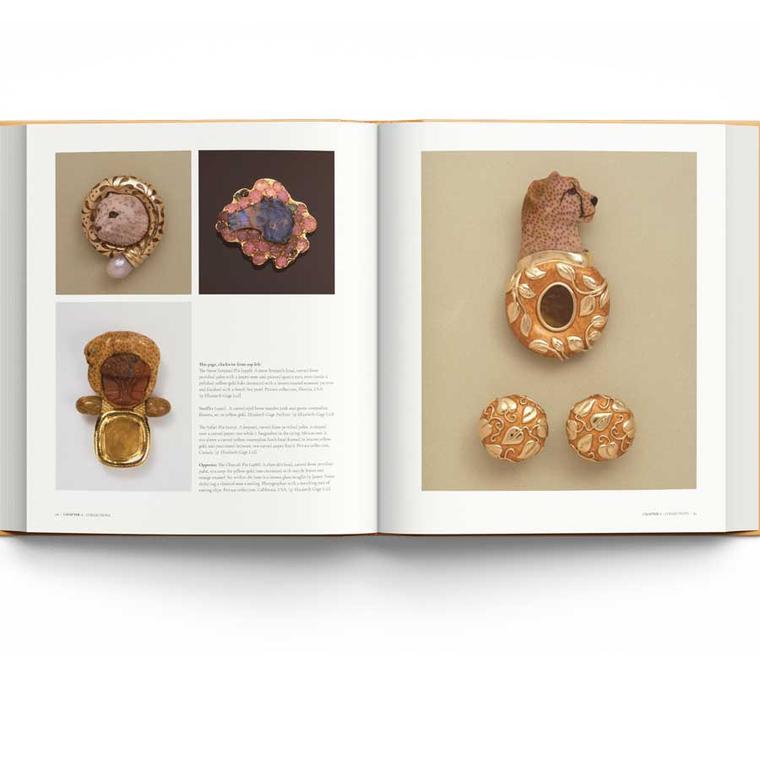
2. Elizabeth Gage: The Architect of Timeless Narrative
Main Facts: A Life in Jewelry
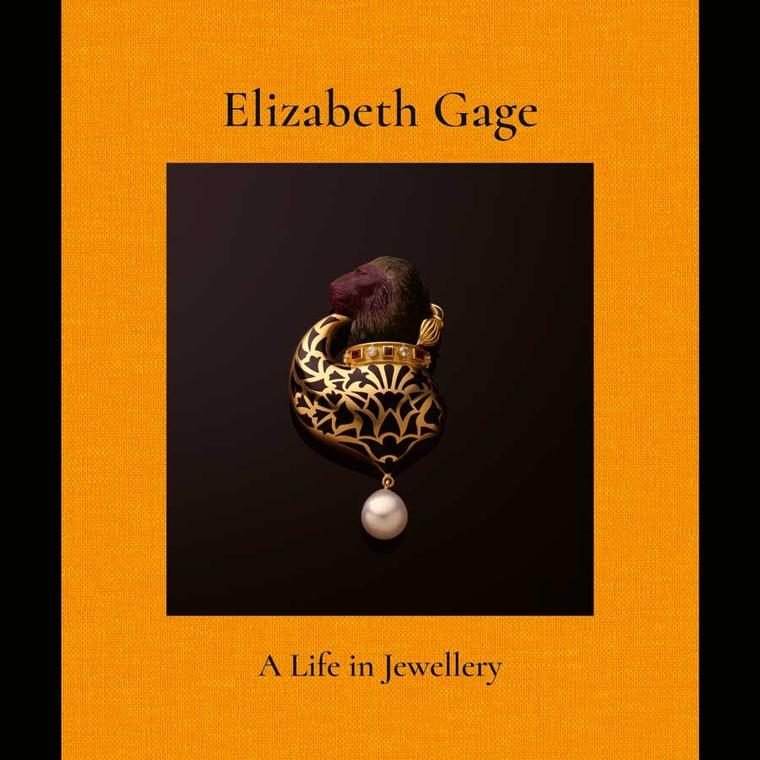
If Yarman’s work is a history of a collective, Elizabeth Gage: A Life in Jewellery is a deep dive into the singular vision of an icon. For over sixty years, Gage has occupied a unique space in the jewelry world—somewhere between the scholarly preservation of ancient traditions and the rebellious spirit of modern, sculptural design.
Chronology of a Career
Born into a family of artists and raised with a spirit of independence, Gage’s path was forged through academic rigor at the Chelsea School of Art and technical training at Sir John Cass College. Her career trajectory is a study in consistency:
- 1970s: The rise of her influential "trunk shows" in the United States, which turned into social salons where figures like Jackie Onassis sought her out.
- 1979: The return to London and the opening of her first studio in Beauchamp Place.
- 1984: The establishment of her flagship Albemarle Street boutique, a space designed by Gage herself to reflect her aesthetic philosophy.
Supporting Data: The Gage Aesthetic
Gage’s jewelry is defined by its resistance to trends. The book documents a design language characterized by:
- Intellectualism: A fusion of mythology, art history, and ancient civilisations.
- Materiality: The treatment of gold not as a standard setting, but as a primary medium of expression.
- Emotional Resonance: Gemstones chosen for their character and "emotional presence" rather than traditional value or conventional perfection.
Official Responses: A Cultural Phenomenon
Critics and collectors alike have noted that Gage’s pieces do not merely sit on the skin; they "make friends." The book highlights the communal aspect of her work, noting that her jewelry is intended to be worn daily and to age with grace, ultimately serving as a bridge between the wearer and the history she seeks to evoke.
3. The Alchemy of Partnership: Dynamic Duos and Generation Gems
Main Facts: The Human Fabric of the Industry
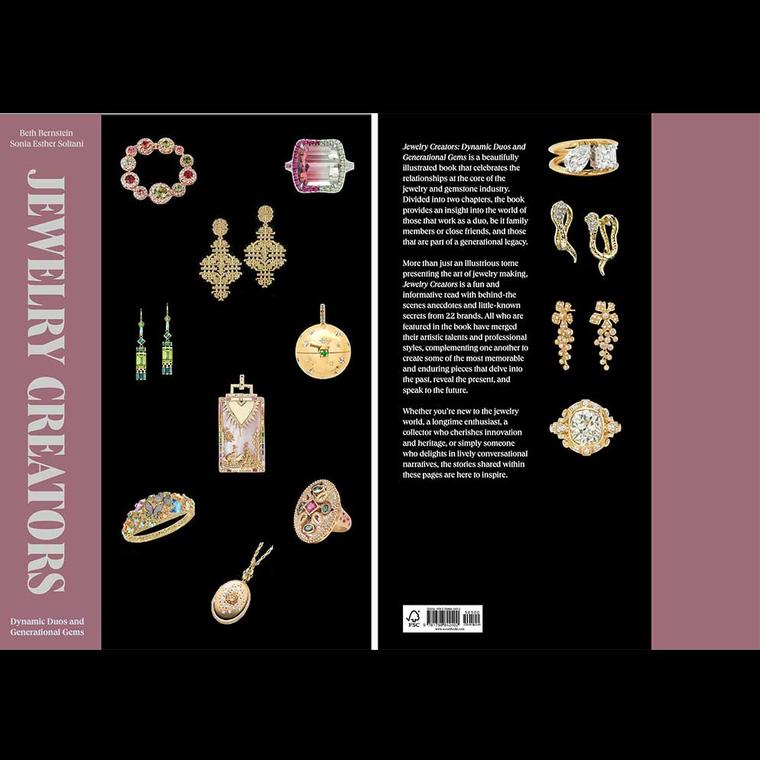
Jewelry Creators: Dynamic Duos & Generation Gems, authored by industry experts Beth Bernstein and Sonia Esther Soltani, shifts the focus from the finished product to the human bonds that make it possible. The book is divided into two distinct sections: Dynamic Duos, which focuses on the synergy of partnerships, and Generational Gems, which explores the evolution of legacy.
Chronology of Modern Design
The book tracks the transition from the traditional solitary jeweler to the collaborative, multi-faceted brands of today. It looks at the changing landscape of the industry through the eyes of contemporary visionaries:
- The Partnership Model: Couples like Tomer and Tanya Michaelin of Artëmer demonstrate how the creative spark can be amplified through shared vision.
- The Sibling Bond: Jessica and Michael Busiashvili of OX illustrate the duty and shared ambition inherent in family business.
- The Legacy Shift: Figures like Nadine Aysoy, who transitioned from early exposure to the diamond trade to founding her own brand, represent the bridge between heritage and modern innovation.
Supporting Data: Case Studies in Collaboration
The book serves as a vital case study in modern entrepreneurship. It features:
- Nostalgic Anecdotes: Demetra Lalaounis’s memories of the workshop at the foot of the Acropolis, where she and her sisters learned the craft through play and deconstruction.
- The Practicalities of Business: A candid look at the arguments, compromises, and shared sacrifices that define the life of a jewelry house.
Implications for the Industry
The central implication of Bernstein and Soltani’s work is that the jewelry industry is not merely a commercial sector—it is an ecosystem of trust. The authors argue that as the market becomes increasingly saturated, the stories of "who" made the jewelry and "how" the partners interact are becoming the primary drivers of consumer value. The book concludes that knowledge transfer—the handing down of secrets, skills, and values—remains the most important currency in the world of high jewelry.
Conclusion: Why These Books Matter
In an era where much of our consumption is ephemeral, these three books offer a grounded alternative. They remind us that behind every ring, brooch, or sword-hilt lies a complex web of human relationships.
Arsen Yarman invites us to respect the immense historical weight of our craft. Elizabeth Gage invites us to treat jewelry as an intellectual pursuit and a narrative art. Finally, Bernstein and Soltani invite us to acknowledge the personal bonds—the family ties and creative partnerships—that keep these ancient traditions alive and evolving.
As you head into the summer, consider these texts as more than just reading material; consider them invitations. Whether you are studying the meticulous hand-drills of the 17th-century Ottoman goldsmiths or the modern-day collaborations of a London studio, you are participating in a conversation that has spanned centuries. This summer, take the time to listen to that conversation. The stories are as precious as the stones themselves.