To the casual observer, a wristwatch is defined by its dial, hands, and bezel—the elements that face the world. However, beneath the wrist lies a component that is arguably the most critical factor in the watch’s structural integrity, longevity, and maintenance: the caseback. Often overlooked, the caseback is the "hood" of the horological engine, a complex marriage of engineering, physics, and artistry. Far from being a mere cover, the caseback has evolved from rudimentary hinged lids into highly technical barriers capable of withstanding the crushing pressures of the deepest ocean trenches or showcasing the exquisite hand-finishing of a mechanical movement.
In this installment of The ABCs of Time, we explore the evolution of the caseback, from the early days of portable timekeeping to the modern era of monobloc architecture.
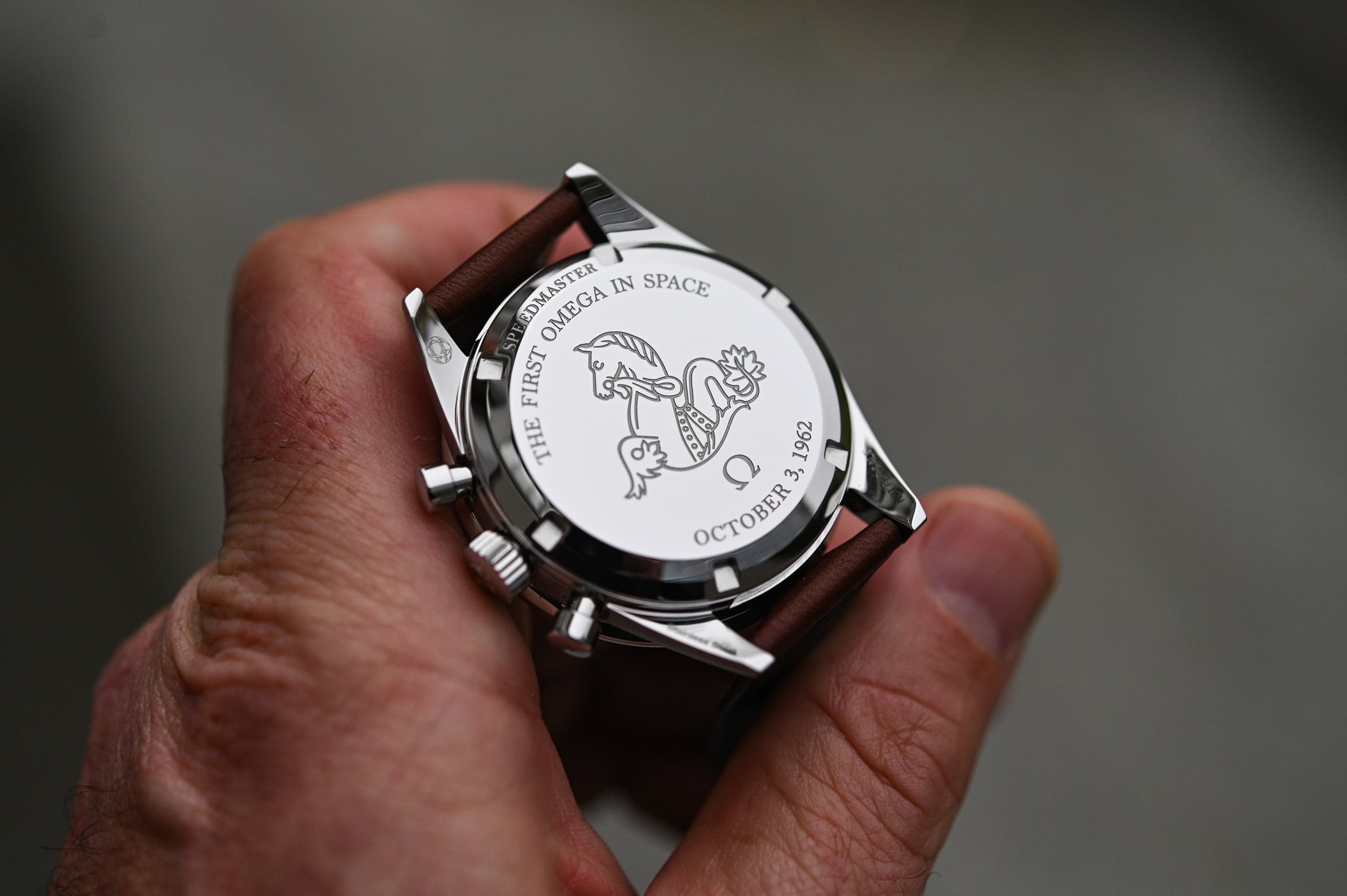
The Evolutionary Arc of the Caseback
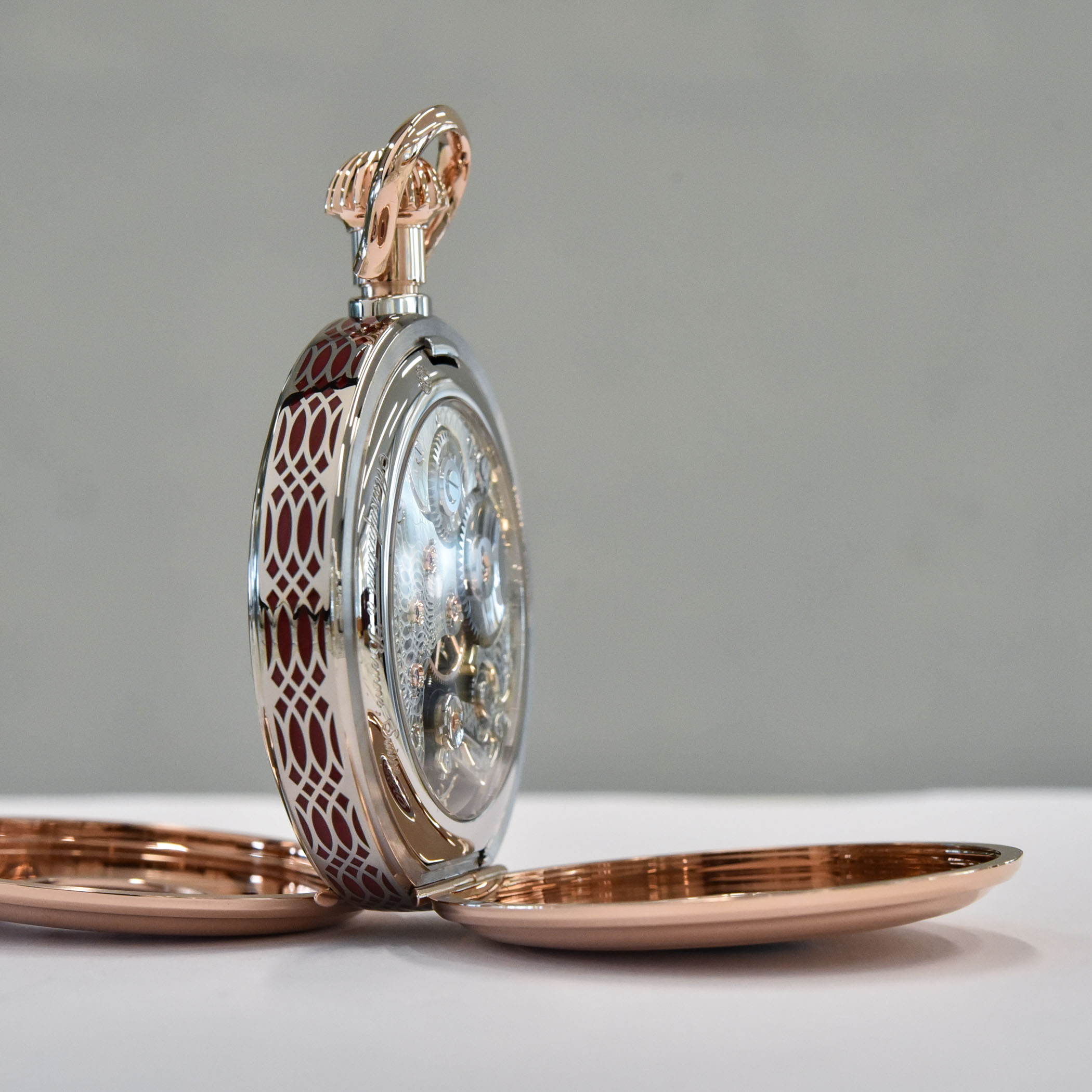
In the earliest days of portable timekeeping, during the 16th century, the so-called "Nuremberg Eggs" featured rudimentary hinged casebacks. These were effectively dust covers, offering little to no protection against the elements. At that time, water and dust resistance were not priorities; rather, these hinged lids served a purely functional purpose: to provide access to the verge escapement and the gear train for the frequent manual winding and setting required by early portable clocks.
As pocket watches evolved into the more sophisticated designs of the 18th and 19th centuries, the "pair case" system became the standard. This involved an inner case housing the movement placed inside a protective outer case. It was a bulky, cumbersome solution that reflected the technological limitations of the era. It wasn’t until the mid-19th century—specifically with the commercialization of stem-winding mechanisms in the 1850s—that the need for constant access to the movement diminished, allowing watchmakers to experiment with more permanent, sealed caseback designs.
The Rise of Snap-On and Threaded Architectures
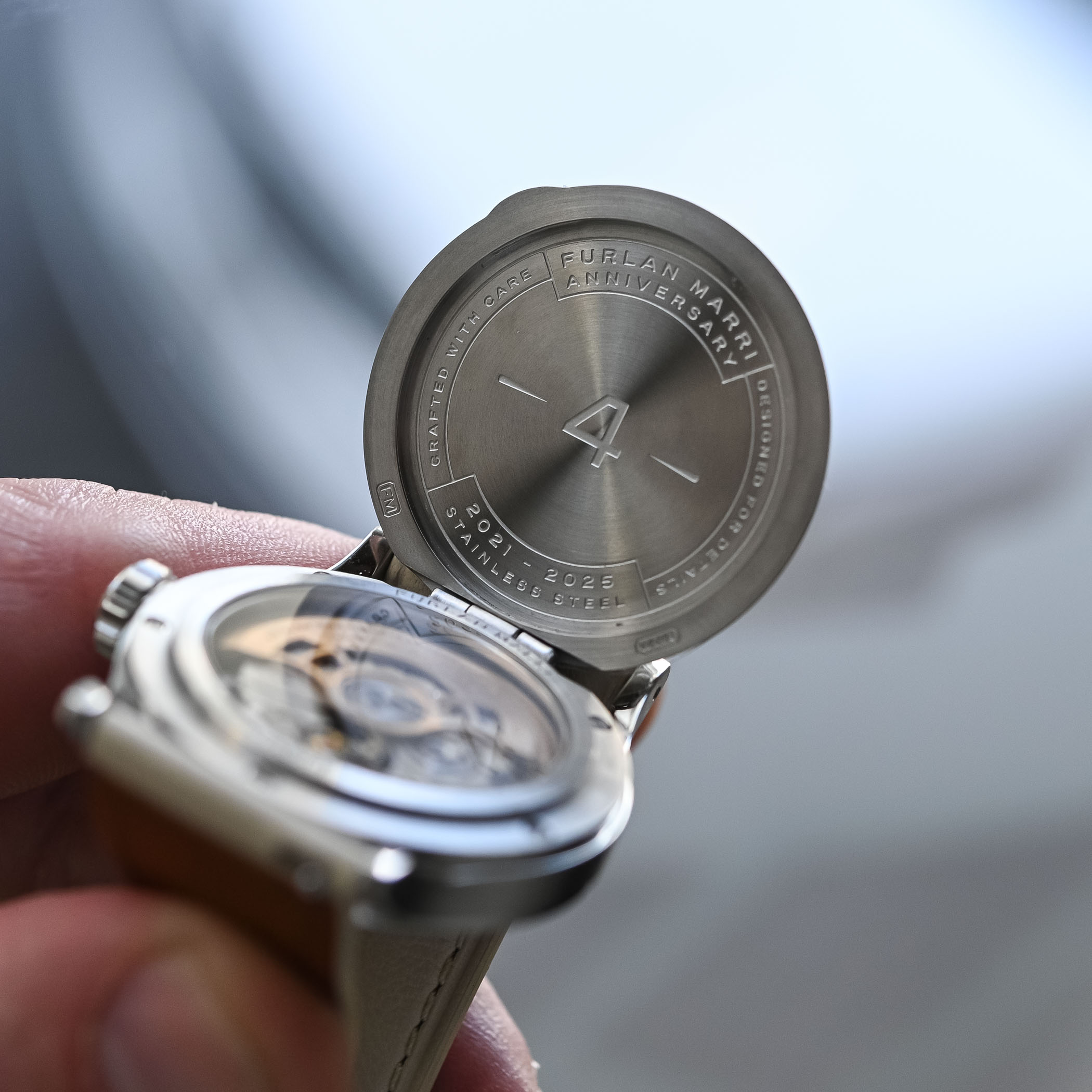
As the industry transitioned from the pocket watch to the wristwatch, the need for a slim, secure, and protective case became paramount. This gave rise to the "snap-on" caseback—a pressure-fitted cover that relied on a friction seal. While it lacked the robust water resistance of later designs, it offered a sleek profile and provided a significant improvement in dust protection. Even today, a well-engineered snap-on caseback, when paired with high-quality gaskets, can provide enough splash resistance for a dress watch.
However, the 20th century demanded more. With the dawn of the era of active exploration, watchmakers sought methods to ensure "hermetic" sealing. The answer was the threaded, or screw-down, caseback. Pioneered by figures like Aaron L. Dennison and refined by the likes of François Borgel, the threaded caseback became the gold standard for durability.
The true revolution, however, was cemented by Hans Wilsdorf and Rolex. In 1926, Rolex introduced the "Oyster" case, a system where the caseback, bezel, and crown all screwed down to create an impenetrable barrier. The efficacy of this design was famously validated in 1927 when swimmer Mercedes Gleitze crossed the English Channel with an Oyster strapped to her wrist, the watch emerging in perfect working order.
Chronology of Innovation: Key Milestones
- 16th Century: Hinged brass covers on "Nuremberg Eggs" provide basic movement access.
- 18th–19th Century: The "Pair Case" era, prioritizing protection through nested shells.
- 1872: Aaron L. Dennison patents the threaded caseback.
- 1926: Rolex launches the Oyster case, the first mass-produced waterproof wristwatch.
- 1930s: Clamped/Clamshell casebacks emerge, utilizing screws to secure the back against a rubber O-ring.
- 1950s: EPSA develops the "Super Compressor" case, using internal spring pressure to increase seal integrity at depth.
- 1960s: The advent of commercial exhibition casebacks (e.g., Omega’s "Kleerback" series).
- 1970s: The rise of monobloc construction, allowing for extreme depth ratings (Omega Ploprof).
Supporting Data: Engineering for Depth and Display
The history of the caseback is inextricably linked to the quest for depth. The "Super Compressor" cases of the 1950s, supplied by Ervin Piquerez S.A. (EPSA), represented a brilliant mechanical solution to the problem of seal degradation. By using a caseback that was spring-loaded, the watch could adjust its seal based on ambient water pressure. The deeper the diver descended, the tighter the caseback pressed against the O-ring. While these were eventually superseded by improved rubber compounds and traditional screw-down designs, they remain some of the most iconic pieces of dive watch history, utilized by brands like Longines, IWC, and Jaeger-LeCoultre.
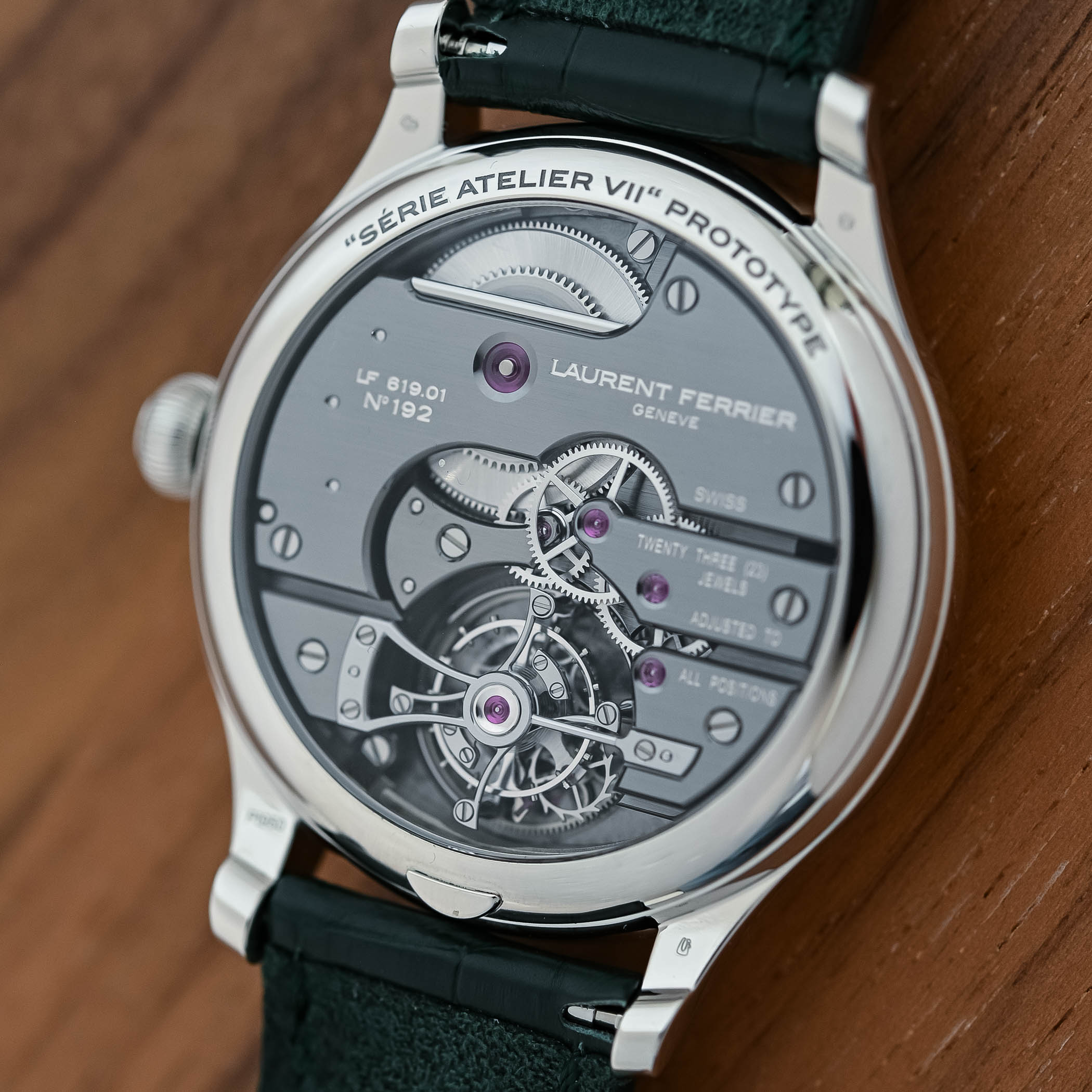
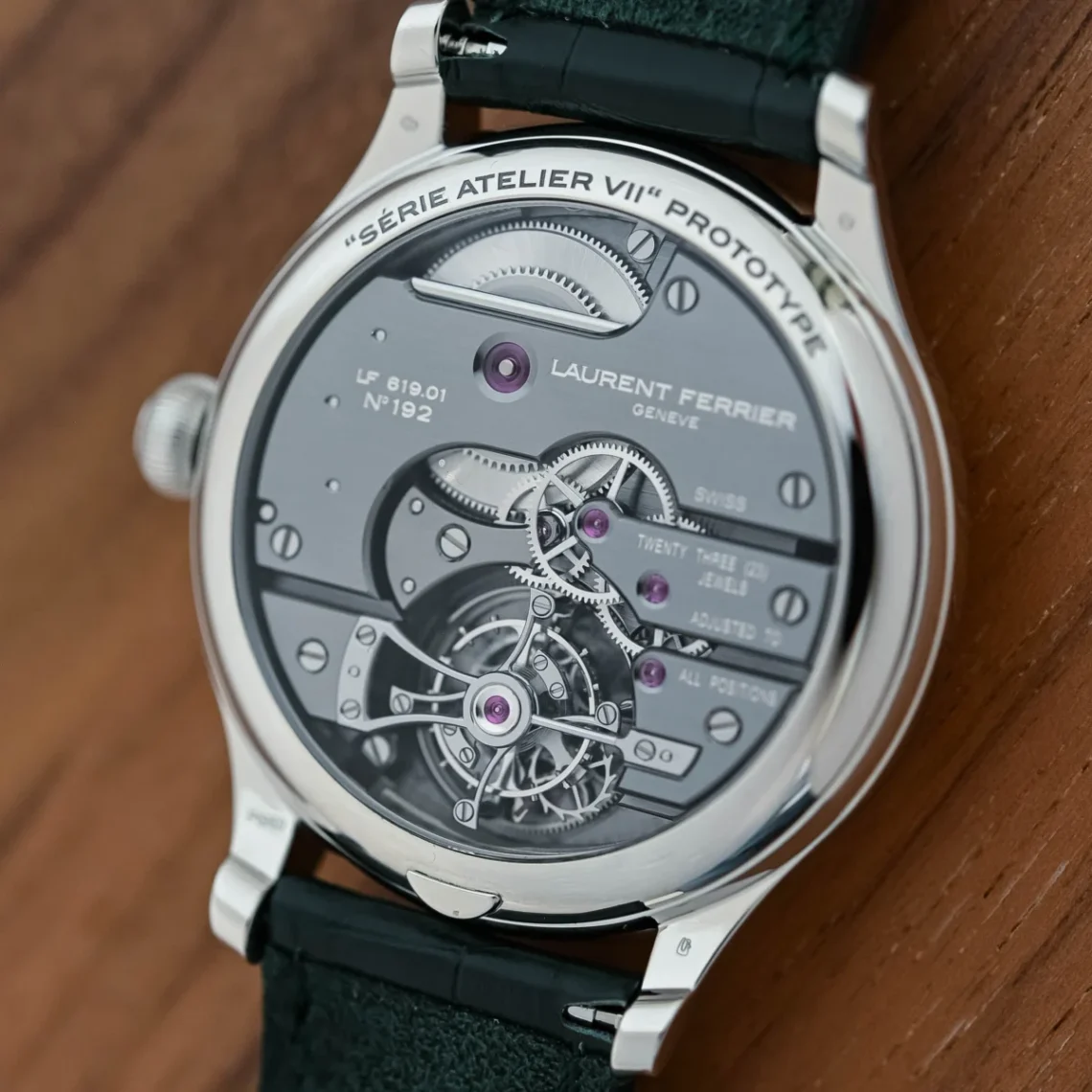
Conversely, the exhibition caseback tells a story of aesthetic pride. Originally limited to "salesman samples" in the 1880s, these windows were designed to prove the quality of the movement without requiring a full teardown. Today, the exhibition caseback is ubiquitous, from entry-level luxury to haute horlogerie. The transition from scratch-prone acrylic to sapphire crystal in the 1980s and 90s allowed brands to showcase complex movements without compromising the watch’s daily utility.
The Monobloc: The Final Frontier
For the most extreme environments, the traditional caseback is an inherent weakness because it introduces an interface point—a potential leak path. The solution? The monobloc case.
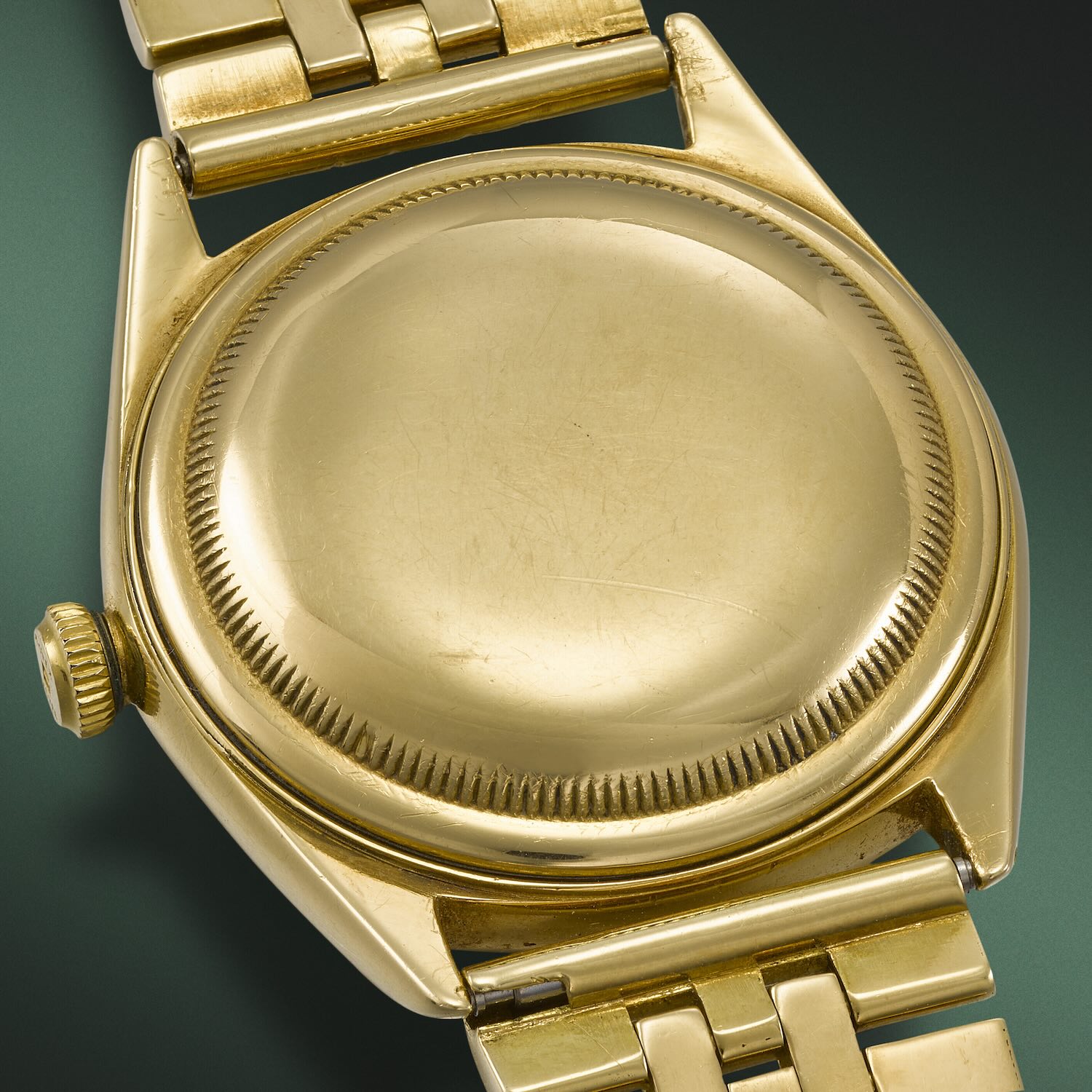
In a monobloc design, the case is milled from a single block of material, such as titanium or high-grade stainless steel. There is no caseback to unscrew; the movement is inserted from the front, and the crystal is sealed directly to the case body. This construction was essential for the legendary Omega Seamaster Ploprof and the record-breaking Ultra Deep, which survived the crushing pressures of the Mariana Trench. While these watches are engineering marvels, they are also historically significant in the luxury space—Gerald Genta used a form of monobloc architecture for the original 1972 Audemars Piguet Royal Oak and the 1976 Patek Philippe Nautilus, proving that such robustness could also be applied to thin, elegant sports watches.
Implications for Modern Horology
The variety of casebacks available today reflects the diverse requirements of the modern wearer. We are currently in a golden age of caseback design, where the choice of architecture—be it a display back, a solid engraved back, or a complex monobloc—is often a conscious stylistic and functional decision by the manufacturer.
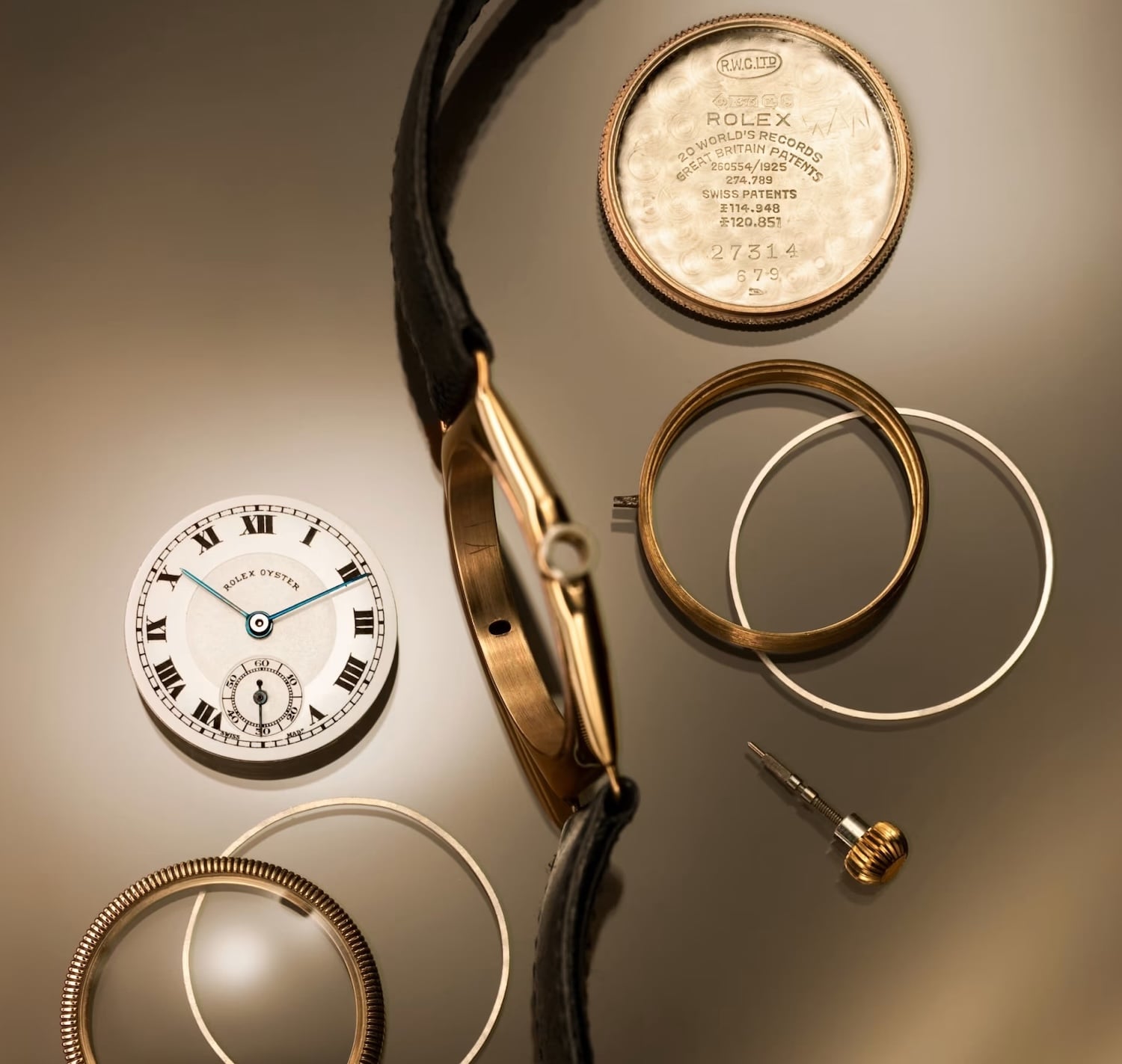
The implications of these designs are profound for both the collector and the watchmaker. For the collector, the caseback is a canvas; brands now use them to display intricate rotors, gold-chaton movements, or commemorative engravings. For the watchmaker, the caseback dictates the service interval and the ease of maintenance. A watch with a modern screw-down caseback is designed for long-term reliability and water resistance, whereas a display back requires careful sealing to ensure that the luxury of viewing the movement doesn’t come at the cost of the watch’s integrity.
Conclusion
Casebacks are far more than the sum of their parts. They are the silent sentinels of the watch world, protecting the delicate heart of the movement from the chaos of the outside world. Whether through the innovative spring-loaded pressure of a Super Compressor, the hermetic seal of a Rolex Oyster, or the absolute structural unity of a monobloc diver, these components are the unsung heroes of horological history. As we look to the future, the continued evolution of materials—such as proprietary ceramics and advanced alloys—promises to make the caseback even more resilient, proving that even the most "pedestrian" part of a watch is capable of extraordinary engineering.