The corridors of automotive design studios are rarely quiet, but few internal debates carry the weight of legacy quite like the one recently unfolding at Alpine. As the French performance brand steers resolutely toward an electrified future, its leadership has found itself caught in a high-stakes tug-of-war.
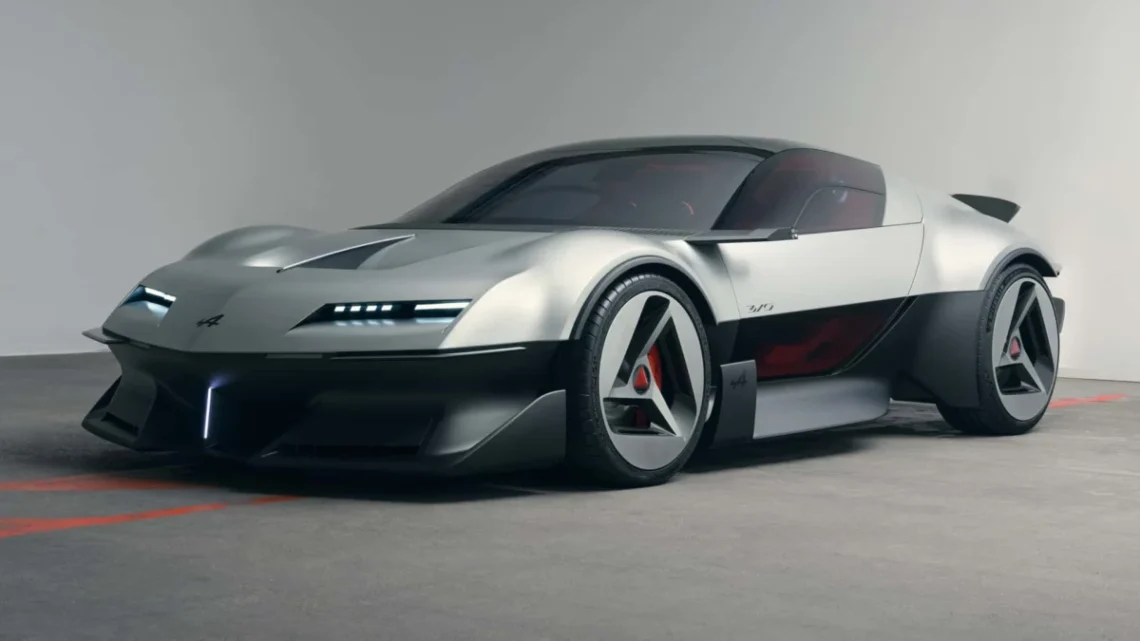
On one side sat the comforting pull of nostalgia—the desire to lean into the wedge-shaped iconography of the 1970s and 1980s A310. On the other stood a clean-sheet, forward-looking philosophy inspired by radical concept cars like the Alpenglow. At the heart of this philosophical divide is Alpine’s upcoming, highly anticipated all-electric four-seat (2+2) sports car.
For months, designers sparred over whether the brand’s next major product should look backward to honor its storied history or completely reinvent itself for a new generation of battery-electric vehicle (BEV) buyers. Now, that debate has been definitively settled from the top down. Alpine CEO Philippe Krief has stepped in to end the internal friction, charting a radical, ultra-modern course that leaves retro styling cues firmly in the rearview mirror.
Main Facts: Breaking Down Alpine’s Next-Gen 2+2 Strategy
The decision to pivot away from a retro-inspired aesthetic marks a critical turning point for Alpine as it transitions from a niche rally specialist into a global, all-electric performance powerhouse under the Renault Group umbrella.
Key Takeaways from Alpine’s Product Roadmap:
- The Death of Retro for the 2+2: Alpine’s upcoming electric four-seat sports car will not draw aesthetic inspiration from the classic A310 or the widely celebrated A310 Vision concept that drew crowds at the Paris Motor Show. Instead, it will feature an entirely unique, contemporary fascia.
- The Alpine Performance Platform (APP): The new 2+2 will utilize Alpine’s flexible, modular APP architecture. Engineered explicitly to support a variety of body styles and high-performance electric powertrains, the APP will first debut underneath the next-generation A110 sports car.
- Timeline to Market: While Alpine has not yet locked in a specific on-sale month, current corporate guidance points toward an electric successor and subsequent expansion arriving around 2027.
- The A310 Vision’s Fate: Rather than serving as a direct blueprint for mass production, the A310 Vision concept will remain an independent design study. CEO Philippe Krief has floated the possibility of a very limited, ultra-exclusive production run akin to the A110 R Ultime, but it will not enter the core production lineup.
Chronology of a Conflict: Heritage vs. Modernity
To understand how Alpine arrived at its current design philosophy, it is necessary to retrace the chronological steps that brought the brand to this critical juncture. The struggle between heritage and clean-sheet design has been years in the making as engineers and designers grapple with how to translate lightweight French sports car DNA into the heavy, complex world of modern EV architecture.
1. The Revival of the Brand and the A110 Benchmark
When Renault revived the Alpine nameplate with the modern A110, the car was an instant critical and commercial success. Its design was a masterclass in modernizing a classic silhouette without falling into cheap pastiche. The original A110 is globally recognized as an absolute, timeless beauty—a standard that cast a long shadow over every subsequent project hatched in the Dieppe design studios.
2. The Rise of the APP Platform and EV Planning
As corporate mandates shifted toward total electrification, Alpine outlined a comprehensive "Dream Garage" product offensive. Central to this strategy was the development of the Alpine Performance Platform (APP). Unlike the legacy platforms of the past, the APP was designed from a blank slate to handle the weight distribution, cooling requirements, and packaging constraints of high-output electric motors and floor-mounted battery packs.
3. The Paris Motor Show and the A310 Vision Concept
Hoping to gauge public and internal interest in expanding the portfolio beyond a traditional two-seater, Alpine’s design team drafted proposals for a four-seat (2+2) sports car. Some factions within the studio heavily favored utilizing the aggressive, wedge-shaped geometry of the historic A310. This vision culminated in the A310 Vision concept, a striking show car that debuted to massive acclaim at the Paris Motor Show. The concept was officially framed by Alpine as an independent design study meant to showcase the versatility of the APP architecture, but it effectively served as a trial balloon for a production-intent 2+2.
4. Krief’s Intervention and the Definitive Shift
As development on the production-spec 2+2 progressed, the internal debate reached a boiling point. Division lines hardened between designers advocating for a continuation of the A310’s retro-wedge aesthetic and those pushing for a clean, futuristic look inspired by the dramatic Alpenglow concept. Ultimately, CEO Philippe Krief intervened, putting an end to the deliberations. By prioritizing global brand recognition over localized nostalgia, Krief directed the team to strip away retro cues entirely, ensuring the upcoming 2+2 receives a bespoke, hyper-modern aesthetic.
Supporting Data: The Economics of Niche Design and Global Appeal
The rationale behind Alpine’s design U-turn is rooted in hard-nosed market economics and global brand awareness. During discussions surrounding the vehicle’s direction, CEO Philippe Krief offered candid insights into why leaning too heavily on historical models can be a commercial trap for a brand attempting to scale globally.
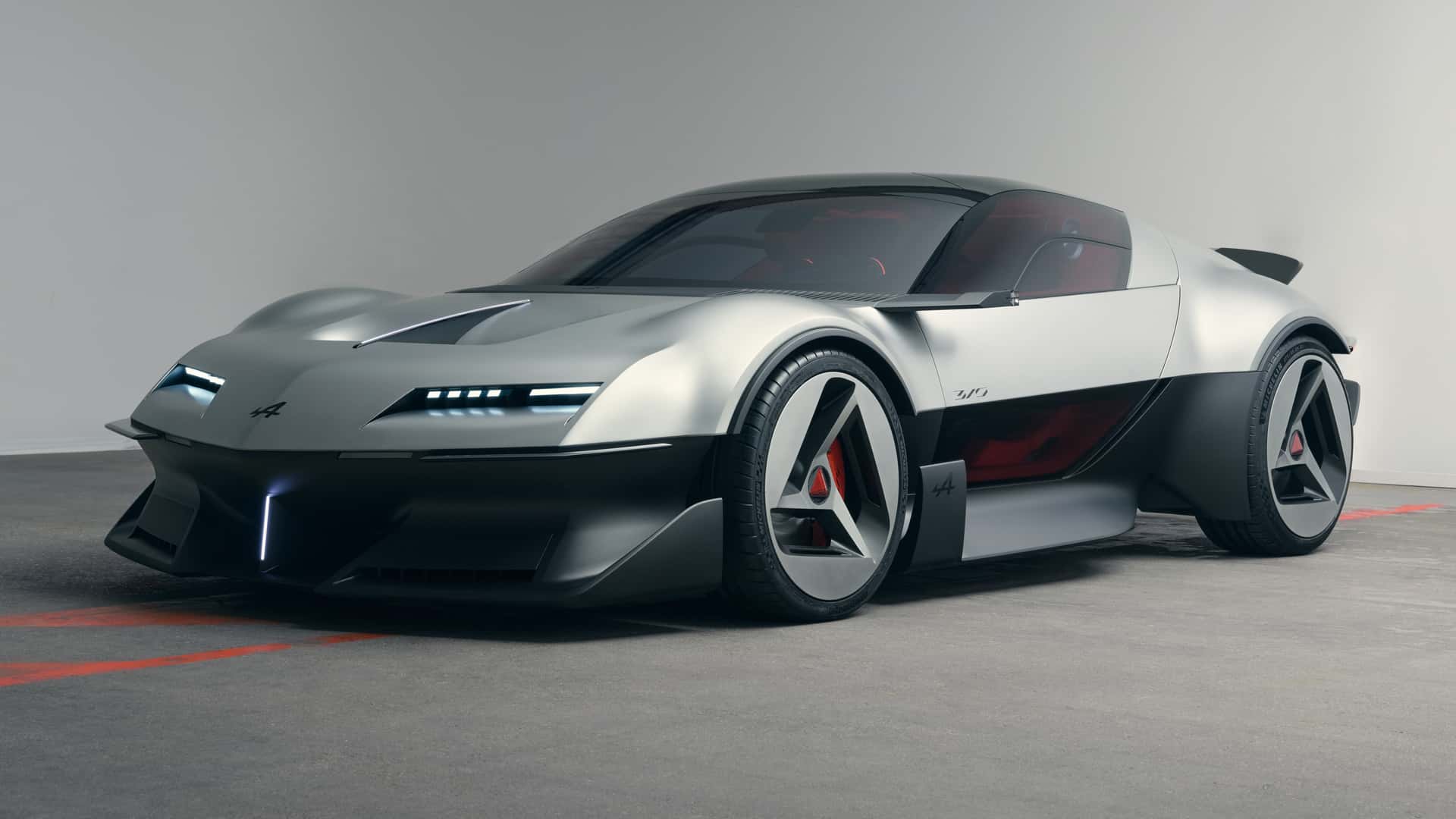
"If the A110 is recognised worldwide as an absolute timeless beauty, the A310 is loved by French guys and connoisseurs, but the appeal is more niche," Krief explained.
While the original A310 holds legendary status among rally purists and French automotive historians, its distinctive, angular silhouette lacks the universal, cross-continental resonance of the original A110. For a brand preparing to expand its footprint into new international markets—including prospective pushes into North America—relying on a deep-cut historical reference for a core volume vehicle carries significant commercial risk.
The Low-Volume Special Exception
This realization does not mean the A310 aesthetic has been banished forever. Instead, Alpine is treating the design as artistic currency rather than a mass-market template. Krief compared the potential realization of an A310-inspired vehicle to ultra-exclusive, low-volume send-offs like the A110 R Ultime.
These vehicles are not designed to drive high-volume corporate profits or fill corporate coffers. As Krief bluntly noted of the ultra-exclusive performance tier: "You do not do this kind of car to make money: except Ferrari, nobody is making money." Consequently, if an A310-styled derivative ever does make it past the prototype phase, it will likely exist as an ultra-limited, high-margin collector’s piece rather than a pillar of the everyday dealership lineup.
Official Responses and Strategic Implications
The pivot away from retro styling for the 2+2 carries profound implications for Alpine’s corporate identity, its dealer network, and its upcoming product cadence.
Navigating the Post-A110 Era
The introduction of the next-generation A110 on the APP platform will serve as Alpine’s definitive leap into the electric era. However, the exact sequencing of what follows remains an open question within corporate headquarters. Alpine leadership has yet to officially determine whether the four-seat 2+2 or any potential A310-flavored special edition will roll out first after the new A110 hits the market.
According to Krief, the final rollout timeline will be dictated by a careful matrix of variables:
- Global Brand Awareness: Measuring how effectively the brand establishes itself in new international territories following the A110’s launch.
- Consumer Demand: Assessing real-time market appetite for electric performance alternatives as global EV adoption curves fluctuate.
- Dealer Network Profitability: Ensuring that Alpine’s retail partners are on stable, profitable footing once the initial wave of new-generation electric sports cars occupies showroom floors.
A Clean Break for the Future
By rejecting the safety net of retro styling for its upcoming four-seater, Alpine is signaling that it refuses to become a heritage-trapped museum brand. While marques like Porsche and Ford have found immense success leveraging historical shapes (such as the 911 and Mustang), Alpine’s leadership believes the brand’s future lies in avant-garde French innovation.
The upcoming 2+2 electric sports car—set to arrive around 2027—will not wear the clothes of the 1970s. Instead, it will stand as a technological and stylistic flagbearer for what comes next, proving that Alpine’s ambition extends far beyond merely repeating its past.