LUANDA, ANGOLA — In a milestone event that underscores the nation’s aggressive pivot toward a knowledge-based economy, the Technology Park of Luanda was officially inaugurated in June 2026. The high-profile opening ceremony was spearheaded by the President of Angola, alongside a formidable delegation of government ministers, industry leaders, and international partners.
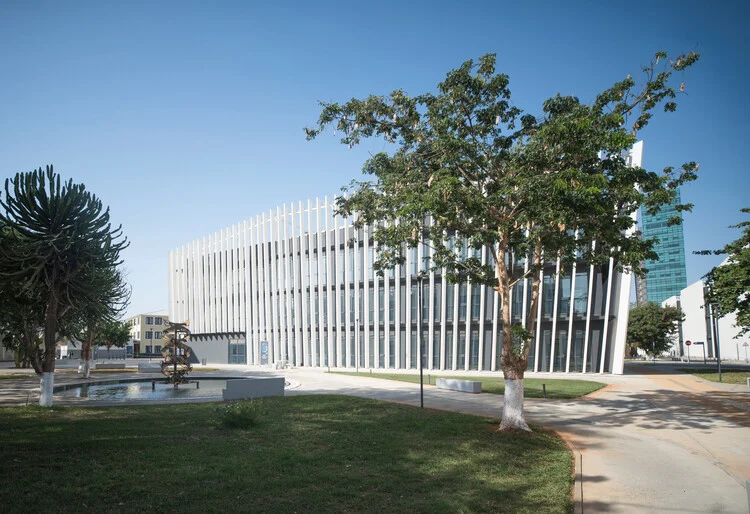
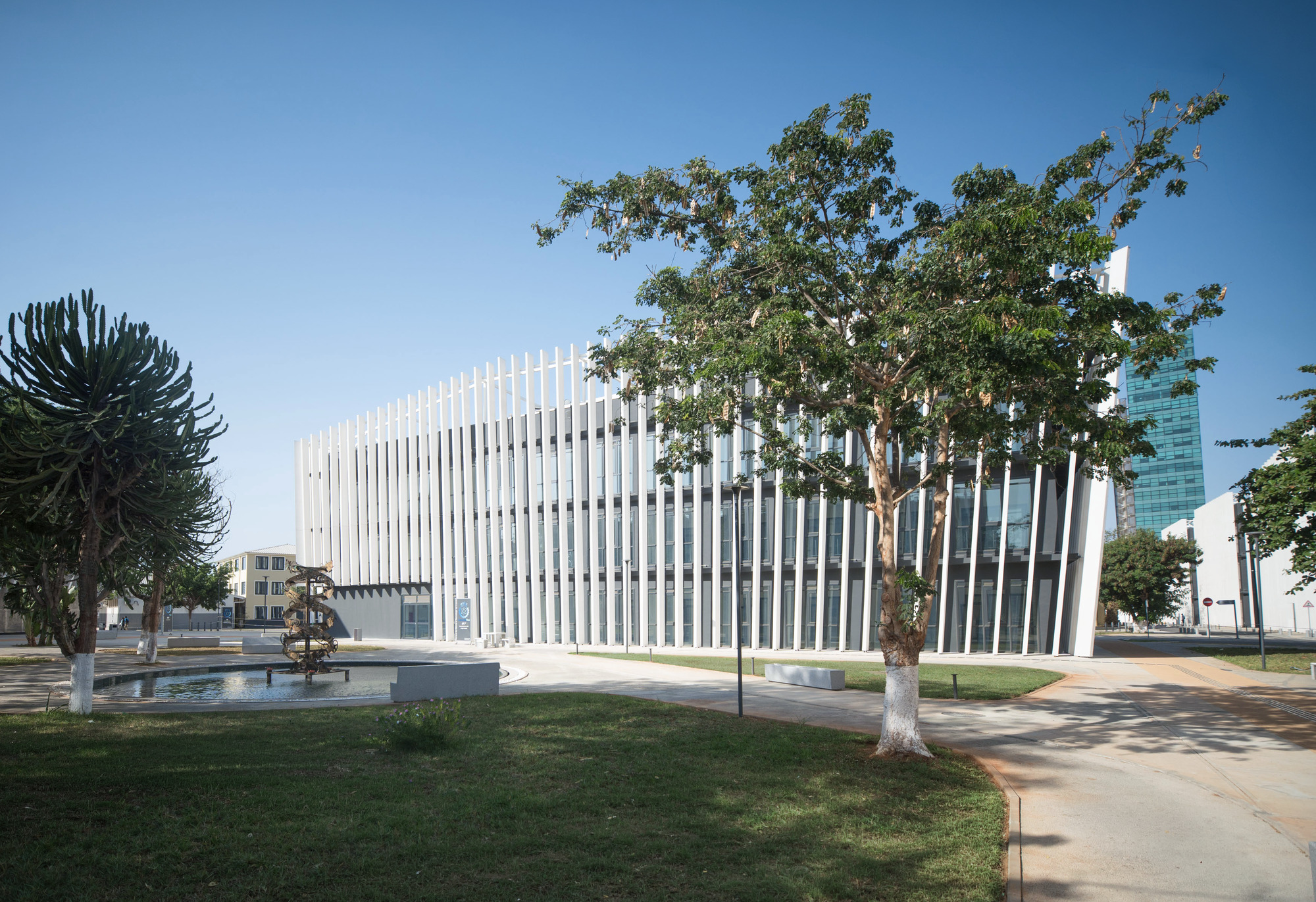
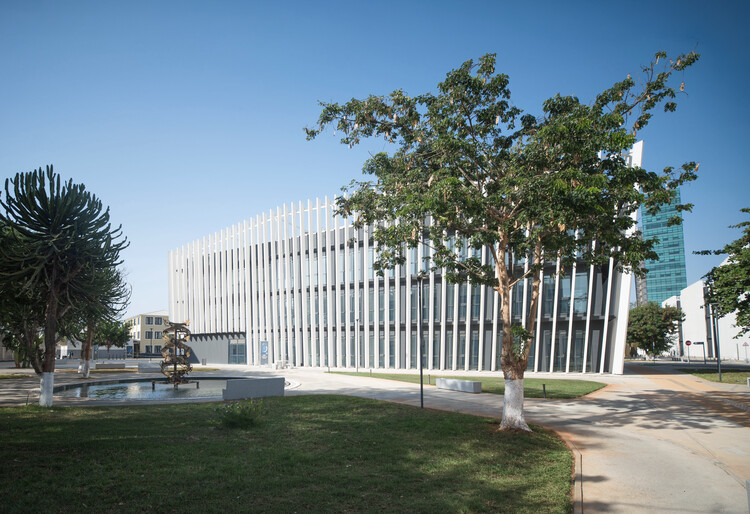
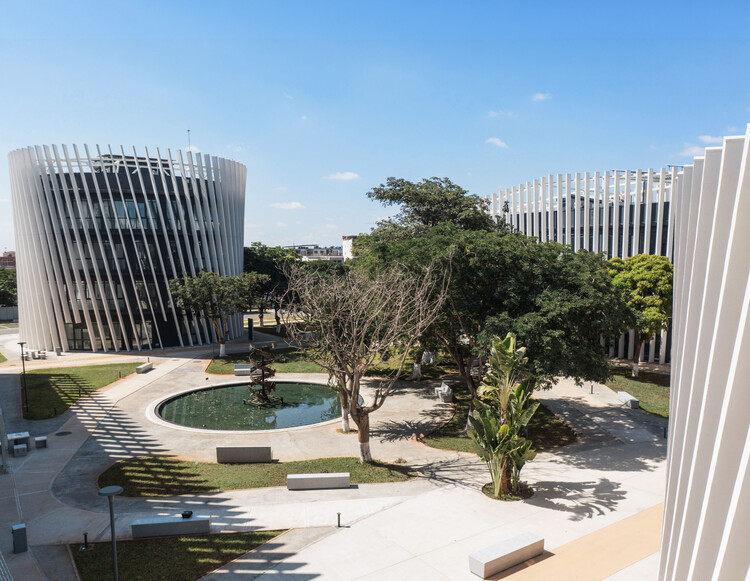
Designed by the internationally acclaimed architecture and engineering firm Typsa and captured through the lens of architectural photographer Flavio Ricardo Gomes, the sprawling complex represents the culmination of a rigorous three-year construction effort. More than just a collection of striking concrete-and-glass structures, the state-of-the-art campus represents a complete transformation and modernization of a previously underutilized technological facility, converting it into a premier, world-class hub for education, advanced research, and digital innovation in sub-Saharan Africa.
Main Facts
The Technology Park of Luanda is designed to serve as the cornerstone of Angola’s national strategy to diversify its economy, reduce its historic reliance on oil and gas exports, and foster a thriving domestic tech sector.
Project Name: Technology Park of Luanda
Architectural & Engineering Firm: Typsa
Curator: Valentina Díaz
Official Inauguration Date: June 2026
Construction Timeline: Three years of intensive development and redevelopment
Primary Function: A multidisciplinary hub dedicated to education, scientific research, technology incubation, and digital enterprise.
Key Stakeholders: The Presidency of the Republic of Angola, the Ministry of Telecommunications, Information Technologies and Social Communication (MINTTICS), local academic institutions, and private sector tech innovators.
The complex incorporates cutting-edge sustainable design principles tailored to Luanda’s tropical climate. Utilizing advanced concrete engineering, smart shading systems, and energy-efficient building management frameworks, the architecture reflects both structural resilience and a forward-looking aesthetic.
Chronology of Development
The realization of the Technology Park of Luanda was a complex, multi-year undertaking that required careful strategic planning, political will, and architectural ingenuity.
1. Conception and Master Planning (Pre-2023)
For years, the Angolan government recognized the urgent need to transition from a resource-dependent economy to one driven by innovation, human capital, and digital infrastructure. Initial concepts for a national technology park were drafted years prior, identifying an existing technological campus as a prime candidate for a massive overhaul. The objective was clear: rather than building entirely from scratch on virgin land, the state would revitalize and dramatically expand an existing footprint to accelerate deployment.
2. The Architectural Vision and Commissioning (2023)
Typsa was brought on board to conceptualize and execute the master plan. Tasked with turning an outdated facility into a futuristic beacon of African innovation, Typsa’s design team balanced high-tech functionality with environmental consciousness. The blueprint called for flexible workspaces, high-capacity research laboratories, data centers, educational auditoriums, and collaborative incubator zones.
3. Construction and Transformation (2023–2026)
Breaking ground in 2023, the construction phase spanned three years. Despite global supply chain fluctuations and logistical challenges typical of large-scale infrastructure projects in growing urban centers, the development stayed on track. The project transformed raw concrete and structural skeletons into a sleek, interconnected campus. The integration of advanced building technologies ensured that the facility would meet international standards for green building certification and high-speed digital connectivity.
4. The Grand Inauguration (June 2026)
The culmination of this three-year journey occurred in June 2026, when the President of Angola cut the ceremonial ribbon. Accompanied by a broad delegation of government ministers, the head of state toured the facilities, inspecting the high-tech labs, startup incubators, and smart classrooms that now populate the campus.
Supporting Data and Infrastructure
The Technology Park of Luanda is not merely an architectural marvel; it is an intensely functional ecosystem engineered to support the entire lifecycle of a tech venture—from academic research to commercialization.
Architectural & Spatial Breakdown
Campus Footprint: Spanning hectares of strategically landscaped terrain, the park integrates indoor research zones with outdoor collaborative plazas designed to encourage spontaneous exchange among thinkers, creators, and investors.
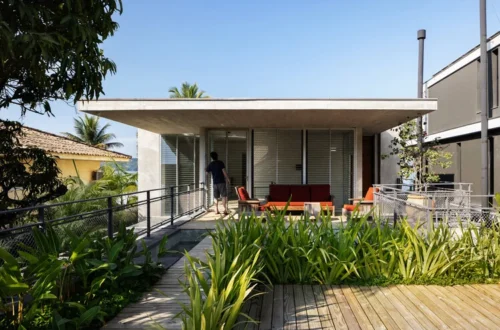
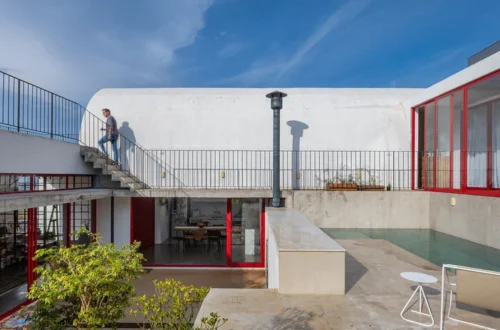
Materiality: The design relies heavily on exposed, high-performance concrete paired with expansive glass facades, providing structural longevity while maximizing natural light and minimizing solar heat gain through innovative brise-soleil systems.
Zoning: The park is divided into distinct zones:
The Academic & Training Wing: Equipped with lecture halls, training centers, and spaces for university partnerships.
The Research & Development (R&D) Labs: Specialized spaces for software engineering, robotics, biotechnology, and green energy solutions.
The Startup Incubator & Accelerator Hub: Plug-and-play office spaces, co-working areas, and boardrooms designed to foster early-stage tech enterprises.
Corporate & Administrative Quarters: Offices for multinational tech giants, venture capital firms, and government regulatory bodies.
Technological Readiness
To truly function as a national tech hub, the infrastructure behind the walls is as vital as the walls themselves. The park features:
A dedicated data center offering secure hosting services for local startups and government agencies.
Smart building automation systems that monitor energy consumption, air quality, and security in real time.
Official Responses and Stakeholder Perspectives
The opening of the park drew widespread acclaim from political figures, economic analysts, and the architectural community alike, highlighting its significance for the region.
During the inaugural address, the President of Angola emphasized that the facility is a testament to the nation’s commitment to its youth and future generations. "We are no longer just consumers of global technology; we are building the infrastructure to become creators, innovators, and exporters of digital solutions," the President stated. He further noted that the park is a vital pillar in the national agenda to diversify the economy and create sustainable, high-value employment opportunities.
Representatives from Typsa expressed immense pride in seeing the project come to fruition. In a joint design statement, the architects noted:
"Designing the Technology Park of Luanda was an exercise in balancing regional climate responsiveness with global technological standards. We wanted to create a physical space that inspires collaboration and breaks down traditional silos between academia, government, and private industry. The resulting architecture is bold, resilient, and inherently optimistic about the future of Angola."
Economic development ministers attending the launch pointed out that the park will serve as a magnetic draw for foreign direct investment (FDI). By offering a stable, well-equipped ecosystem with regulatory backing, international tech firms will find it significantly easier to establish operations in Central Africa.
Implications for Luanda, Angola, and the Region
The inauguration of the Technology Park of Luanda is expected to send ripples far beyond the capital city, reshaping the socio-economic landscape of the country and positioning Angola as a rising technological powerhouse in the Southern African Development Community (SADC) region.
1. Stemming the Brain Drain
For decades, many of Angola’s brightest minds in engineering, computer science, and mathematics sought opportunities abroad due to a lack of domestic infrastructure. By providing a world-class working environment complete with venture capital access, high-end labs, and multinational presence, the park provides a compelling reason for top-tier talent to remain in-country and build local solutions for local challenges.
2. Catalyzing the Startup Ecosystem
Tech entrepreneurship in Luanda has historically faced hurdles ranging from high operational costs to limited networking opportunities. The incubator spaces within the technology park are poised to democratize access to resources, offering mentorship, legal guidance, and seed funding pathways that can scale local startups into regional and global contenders.
3. Fostering Public-Private Partnerships (PPPs)
The success of modern technological hubs relies heavily on the synergy between government policy, academic rigor, and private sector agility. The park’s physical layout—bringing universities, state regulators, and private corporations into close proximity—will naturally streamline collaboration, accelerating the commercialization of academic research and streamlining regulatory frameworks for emerging tech sectors like fintech, agritech, and e-health.
4. Urban and Architectural Reimagining
From an urban planning perspective, the successful revitalization of an existing campus into a high-tech district sets a sustainable precedent for urban renewal in Luanda. Rather than contributing to urban sprawl, the project demonstrates how adaptive reuse can breathe new life into underperforming urban assets, creating a vibrant, pedestrian-friendly intellectual quarter within the city.
Looking Forward
As the doors of the Technology Park of Luanda officially open to its first cohort of researchers, students, and entrepreneurs, all eyes are on Angola. The next few years will test the nation’s ability to translate this monumental architectural and political achievement into tangible economic diversification. However, with a robust foundation of state-of-the-art infrastructure, visionary design by Typsa, and unwavering political backing, Luanda has firmly staked its claim on the future map of global innovation.