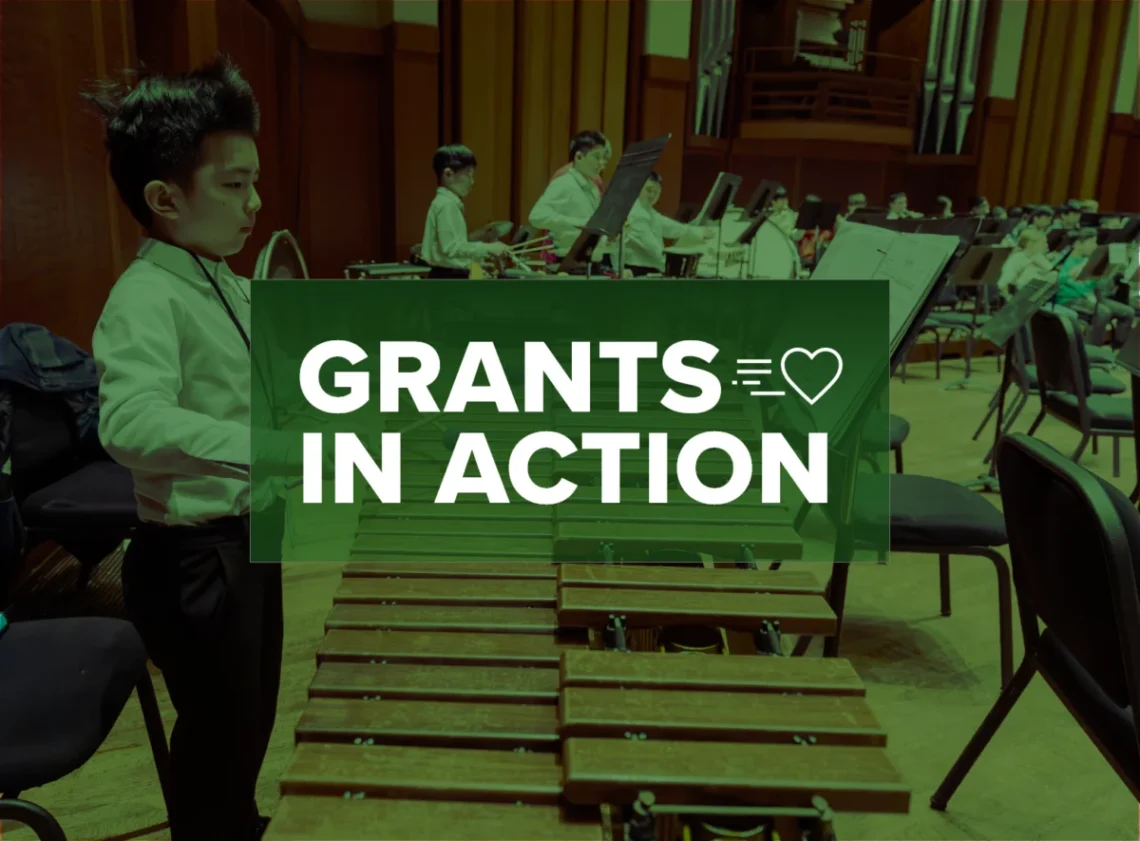
In the quiet corridors of American public schools, a silent crisis is unfolding. While the cognitive, social, and academic benefits of musical training are well-documented by the National Institutes of Health—ranging from enhanced executive function and superior problem-solving skills to increased verbal intelligence—millions of students are being left behind. Recent data indicates that over 3 million students in the United States lack access to any form of in-school music instruction, with an additional 2 million students devoid of any arts programming whatsoever.
As the traditional "arts-rich" educational model struggles under the weight of budget cuts and shifting priorities, organizations like the Seattle Youth Symphony Orchestra (SYSO) are stepping into the breach. For over eight decades, SYSO has served as more than just a musical training ground; it has acted as a vital incubator for community, resilience, and equitable access. By bridging the gap between professional-level instruction and public school limitations, SYSO is proving that the future of classical music depends on the radical democratization of access.
The Cognitive Case for Musical Literacy
The neurological argument for music education is no longer merely anecdotal. Research consistently demonstrates that even brief periods of musical training during developmental years can create enduring neural pathways that facilitate long-term cognitive health. These pathways link perception and action, effectively "wiring" the brain for better time management, heightened focus, and emotional regulation.
"When a student picks up an instrument, they aren’t just learning notes," says Melody Mikkelson, Executive Director of SYSO. "They are participating in a process that demands discipline, collaborative listening, and the ability to interpret complex structures. It is a total-brain exercise that pays dividends long after the student has put the instrument down."
A Legacy of Harmony: The SYSO Chronology
To understand the impact of the Seattle Youth Symphony Orchestra, one must look at its storied trajectory. Founded over 80 years ago, the organization has evolved from a local ensemble into a regional powerhouse for youth development.
- The Foundational Years: Established in the mid-20th century, the orchestra was built on the premise that young musicians deserved a platform that transcended the limitations of their local school bands.
- Expansion and Outreach: Over the decades, SYSO broadened its scope, recognizing that the "prestige" often associated with classical music created an exclusionary barrier. The mission shifted toward active community engagement and the active pursuit of underrepresented student populations.
- The Modern Era (2024-2025): Today, SYSO stands as a testament to organizational scalability. Serving over 1,300 students from 256 schools across 95 unique zip codes, the organization has solidified its role as an educational anchor. With over 430 instructional hours contributed directly into public school systems, SYSO has become an essential partner in the regional educational infrastructure.
Supporting Data: The Scale of Impact
The metrics behind SYSO’s success reveal a deep commitment to systemic change. By operating across 95 zip codes, the orchestra purposefully targets diverse socio-economic environments, ensuring that the next generation of musicians is not drawn from a narrow demographic slice.
The "Endangered Instrument" program is perhaps the most quantifiable example of their impact. Public school music educators, often stretched thin by large class sizes and limited budgets, frequently struggle to maintain programs for instruments that are technically difficult or less popular—such as the oboe, bassoon, French horn, string bass, and viola. These "endangered" instruments are the backbone of any professional symphony, yet they are the first to disappear from school rosters. SYSO fills this gap by deploying specialized instructors directly into schools, ensuring these vital sounds remain a part of the local musical ecosystem.
Official Perspectives: The "Overhead Myth" and the Power of Trust
One of the most persistent hurdles in arts philanthropy is the "overhead myth." Donors frequently prefer to fund the "shiny performer"—the student on stage with the violin—while neglecting the administrative architecture that makes that performance possible. This includes stage managers, venue booking, rehearsal space, and the logistical coordination of hundreds of students.
"We are trying to do what we can to bust that overhead myth," Mikkelson explains. "The performance on stage doesn’t happen without the work behind the scenes. Our mission is to create a creative ecosystem where the perceived barriers between the performer and the community are erased. To do that, we need funding that recognizes the full scope of our operations."
This is where Donor-Advised Funds (DAFs) have become a game-changer. Unlike highly restricted grants that dictate exactly how every dollar is spent, DAFs offer a level of flexibility that allows organizations to pivot in real-time to meet the needs of their participants.
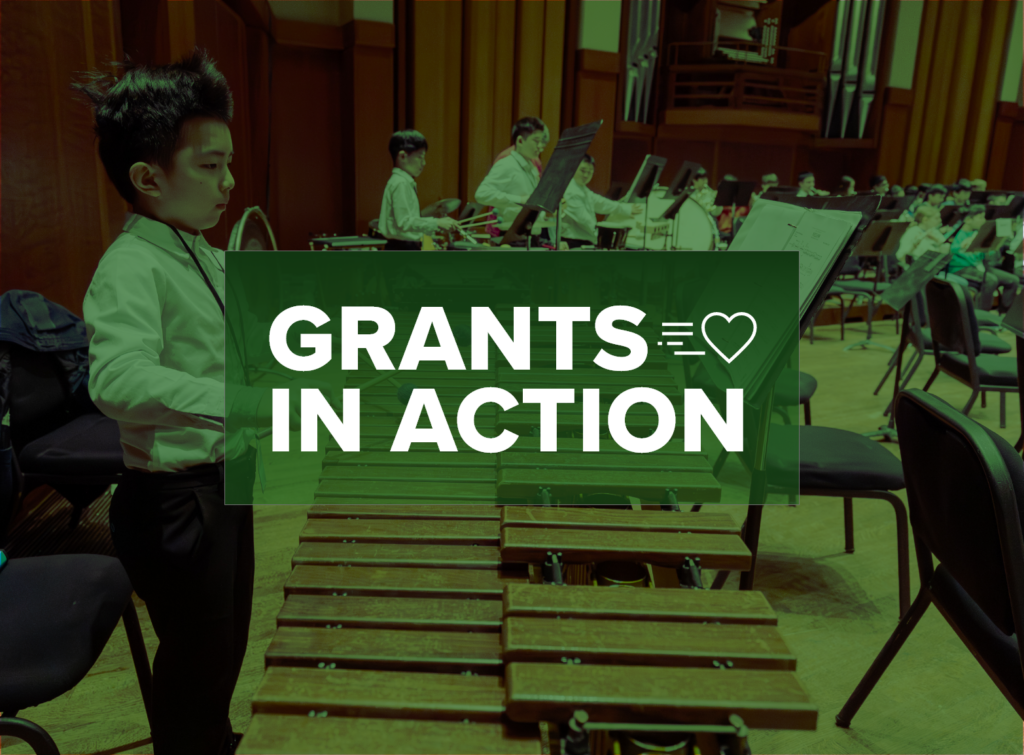
"With DAFs, the fact that transformational gifts can come without strings attached—and that it’s so trusting of our frontline staff, our teachers, and our conductors—is huge," Mikkelson notes. "Currently, about 30% of our individual contributions come through DAFs, and that level of trust has allowed us to sustain our programming even in fluctuating economic climates."
The Societal Implications of Equitable Arts
The implications of SYSO’s work extend far beyond the concert hall. In an era of increasing digital isolation, the youth orchestra acts as a "pond bigger than their school," allowing students to network with peers who share their passions and professional aspirations.
1. Future-Proofing Careers
For many students, the orchestra provides a professional-grade look at the realities of a career in the arts before they make expensive, life-altering decisions about higher education. By interacting with professional musicians and teaching artists, students gain a realistic understanding of the industry, fostering a more sustainable approach to their own futures.
2. Breaking the Economic Barrier
Classical music has long carried an aura of elitism. SYSO’s commitment to access—specifically through programs that provide high-quality instruction at a scale that reaches beyond the privileged—is a direct challenge to this legacy. By subsidizing the costs of high-quality instruction and providing a pathway for students who might otherwise be priced out of the industry, SYSO is fundamentally changing the face of the orchestra.
3. Community Resilience
When students are empowered, challenged, and supported, they become more than just musicians; they become citizens. The collaborative nature of an orchestra—where individual effort is subsumed into a collective goal—is a powerful lesson in community dynamics.
Conclusion: A Model for the Future
The Seattle Youth Symphony Orchestra is not merely teaching children how to play instruments; it is teaching them how to occupy space in a community, how to manage the complexities of a team, and how to believe in their own potential.
As the landscape of education continues to evolve, the necessity of organizations like SYSO will only grow. By prioritizing unrestricted funding, focusing on the "endangered" elements of musical education, and maintaining an unwavering commitment to equity, SYSO has established a blueprint for how arts organizations can remain relevant, vital, and truly transformative.
"SYSO is a place where students are empowered, challenged, and supported simultaneously," Mikkelson says. "It becomes this incubator for creative growth from which artistry, education, and community can stem." In an increasingly uncertain world, that kind of stability is perhaps the most beautiful music of all.
Disclaimer: NPT is not affiliated with any of the organizations described herein, and the inclusion of any organization in this material should not be considered an endorsement by NPT of such organization, or its services or products. NPT does not provide legal or tax advice. This article is for informational purposes only and is not intended to be, and shall not be relied upon as, legal or tax advice.