Introduction: The Anatomy of an Italian Automotive Crisis
For over a century, the trident badge of Maserati has stood as a universal symbol of Italian passion, spine-tingling engine notes, and uncompromised luxury. From the legendary race tracks of the mid-20th century to the opulent boulevards of Milan and Beverly Hills, the brand has cultivated an image steeped in exclusive heritage. However, the modern automotive landscape is proving unforgiving to traditional prestige.
Maserati finds itself at an existential crossroads. Recent financial and delivery metrics paint a stark picture of decline: global deliveries plummeted to approximately 7,900 vehicles in 2025, representing an astonishing 85 percent drop from the brand’s modern peak of roughly 55,000 units in 2017. Compounding this sales freefall, parent company Stellantis reported an adjusted operating loss of €198 million (roughly $227 million) for Maserati, translating to a brutal negative operating profit margin of 27.3 percent.
In response to this existential bleeding, reports have emerged that Maserati is in advanced, high-stakes talks with Chinese tech giant Huawei and state-backed manufacturer JAC Motors. The proposed partnership aims to co-develop two new electric vehicles—a mid-to-large electric SUV and a sweeping grand tourer—utilizing an unconventional manufacturing and technological pipeline. As the automotive industry transitions rapidly toward electrification and software-defined mobility, this potential cross-continental alliance could either serve as Maserati’s ultimate salvation or trigger a devastating identity crisis.
Chronology of Decline: From Peak Ambition to 2025 Realities
To understand why Maserati is reaching out to external technology partners in China, one must trace the trajectory of the brand’s recent strategic shifts.
The 2017 High-Water Mark
Back in 2017, Maserati was riding high on the global wave of luxury SUV demand driven by the introduction of the Levante. The company reached its zenith with nearly 55,000 global deliveries. Executives envisioned a future of aggressive volume expansion, projecting even higher sales numbers through aggressive product portfolio diversification and electrification strategies.
The Stumble into the EV Era
As regulations tightened globally, Stellantis laid out ambitious roadmaps for its marquee brands, including Maserati’s "Folgore" (lightning) EV electrification strategy. Models like the Grecale Folgore and GranTurismo Folgore were introduced to bridge the gap between traditional internal combustion engines and high-performance battery-electric power. However, consumer adoption of high-priced luxury EVs faced severe headwinds across key global markets. High interest rates, shifting buyer sentiment, and fierce competition from both legacy European luxury houses and disruptive electric vehicle startups severely hampered momentum.
The 2025 Financial Tipping Point
By 2025, the compounding slowdown culminated in a severe financial crisis for the Italian marque. With global sales collapsing to a meager 7,900 units, the cost of developing next-generation architectures independently became financially unsustainable. The sheer capital required to engineer competitive battery packs, sophisticated thermal management systems, and cutting-edge software suites outpaced Maserati’s current revenue streams by orders of magnitude. The stark reality of a negative 27.3 percent profit margin forced parent company Stellantis to look outside traditional European paradigms to preserve its historical crown jewel.
The Proposed Huawei-JAC Partnership: Breaking Down the Deal
The architecture of the reported agreement between Maserati, Huawei, and JAC Motors represents a radical departure from traditional automotive joint ventures. Rather than relying solely on Stellantis’ internal platforms, the proposed collaboration leverages China’s dominant EV supply chain and software ecosystem.
Huawei’s Technological Footprint
According to industry reports originating from Future Cars Daily, Huawei would spearhead the digital and mechanical backbone of the upcoming electric vehicles. This involves supplying its comprehensive HarmonyOS Intelligent Mobility platform, which encompasses:
- The Smart Cockpit: Next-generation infotainment, advanced artificial intelligence voice assistants, and immersive user interfaces.
- Qiankun ADS: Huawei’s highly regarded Advanced Driving System, providing top-tier driver assistance and autonomous capabilities.
- Electric Drive Components: Highly efficient electric motors, power electronics, and integrated thermal management units designed to maximize range and performance.
JAC Motors’ Engineering and Manufacturing Might
While Huawei provides the brains and the core propulsion technology, JAC Motors would manage the heavy lifting of whole-vehicle engineering and physical manufacturing. Production is slated to take place at JAC’s ultra-modern Zunjie Super Factory located in Hefei, China—a facility built to strict global manufacturing standards capable of high-precision electric vehicle assembly.
Maserati’s Strategic Contribution
Maserati’s role in this tripartite arrangement is more focused, yet vital to maintaining the brand’s mystique. The Italian marque would retain control over vehicle design styling, ensuring that the exterior proportions and interior aesthetics adhere to traditional Italian design language. Furthermore, Maserati would provide access to its coveted, established overseas distribution network, allowing the vehicles to reach traditional luxury strongholds in Europe and the Middle East.
The SKD Strategy: Balancing Chinese Scale with Italian Heritage
One of the most delicate aspects of the reported partnership is how these vehicles will be built, transported, and marketed to discerning luxury consumers who historically demand European craftsmanship.
Semi-Knocked Down (SKD) Logistics
Reports indicate that the manufacturing process will rely heavily on a Semi-Knocked Down (SKD) shipping framework. Under this model:
- Body Shell Production: The primary vehicle body shells, structural frames, and heavy components will be stamped, welded, and built at the Zunjie factory in Hefei, leveraging China’s massive manufacturing scale and cost-efficiency.
- Final Assembly in Italy: These partially completed bodies will then be shipped to Italy, where final assembly work—including the installation of specialized interior trims, final paint tuning, quality control sign-offs, and localized components—will take place.
Dual-Brand Market Strategy
The marketing strategy highlights a fascinating geographic and branding dichotomy. Domestically in China, the vehicles are reportedly slated to be sold under the Maextro nameplate. However, for international export markets, the exact same vehicles will proudly wear authentic Maserati badges.
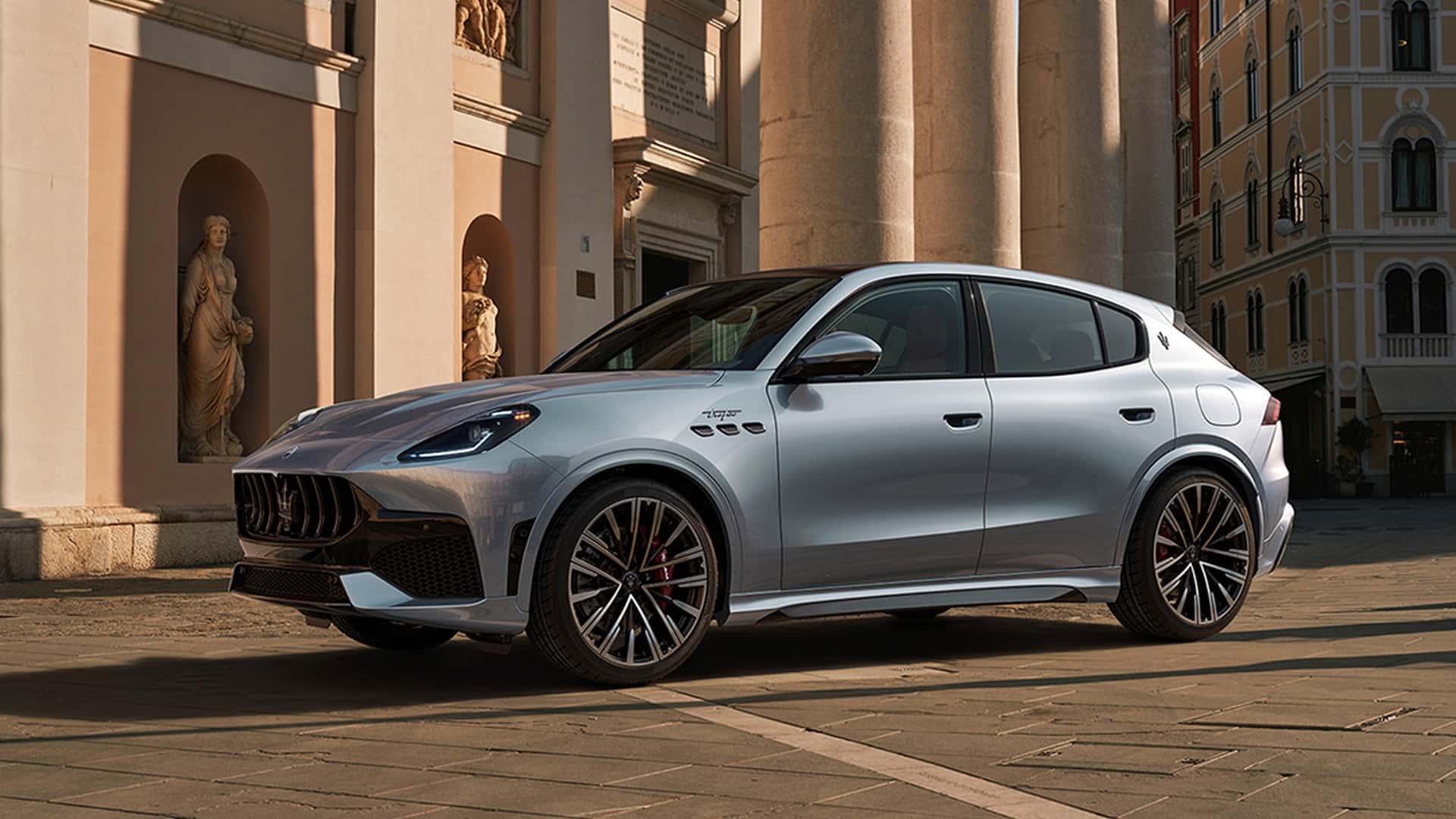
Initial target export regions mentioned in preliminary reports include high-net-worth markets across the Middle East, alongside core European countries such as Italy, France, and Germany. This dual approach allows the partnership to tap into affluent domestic Chinese EV buyers while leveraging Maserati’s historic prestige abroad.
Official Responses and Guardrails: Protecting the Crown Jewel
Navigating a cross-continental partnership involving sensitive intellectual property and historic brand equity requires strict boundaries. Stellantis leadership has been vocal about the red lines governing any potential external collaboration.
Antonio Filosa’s Stunt Stance
Stellantis CEO Antonio Filosa has maintained a pragmatic yet fiercely protective stance regarding Maserati’s future. In recent public statements addressing the brand’s restructuring, Filosa drew a hard line, stating bluntly: "Maserati needs industry partners, but will not sell the brand."
This declaration underscores the corporate philosophy within Stellantis. Management recognizes that going it alone in the rapidly evolving, capital-intensive electric vehicle landscape is a recipe for continued financial erosion. However, selling off or diluting the historical equity of the trident badge is strictly off the table. Any partnership must serve to protect, rather than cannibalize, the core identity of the Italian manufacturer.
Official Silence and Launch Timelines
To date, neither Maserati nor Stellantis has issued a formal, definitive commercial announcement confirming the final details of the Huawei-JAC tie-up. Industry insiders suggest that mass production for the first model resulting from this program could kick off in the second half of 2027.
The vehicle lineup under discussion reportedly includes two distinct models sharing the same underlying program architecture:
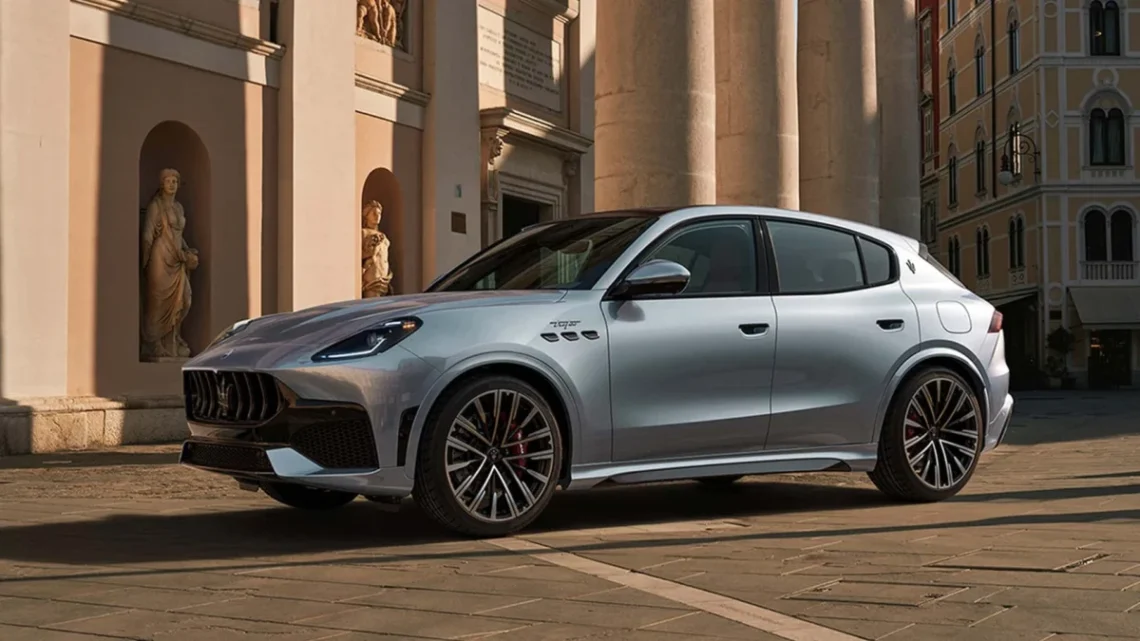
- A Mid-to-Large Electric SUV: Positioned to sit alongside and eventually evolve the legacy left by the Grecale Folgore.
- A Large Electric Grand Tourer: Designed to complement the flagship GranTurismo Folgore, offering long-distance luxury cruising powered by cutting-edge electric architecture.
Market Implications: Can "Italian-Assembled" Save the Trident?
The prospective Huawei-Maserati-JAC collaboration introduces profound questions regarding consumer psychology, global trade dynamics, and the future of legacy luxury automotive brands.
The Psychology of the Luxury Consumer
Maserati’s core clientele buys into an intangible narrative: romanticized Italian craftsmanship, Modena heritage, and emotional resonance. Relying on Chinese manufacturing infrastructure—even with final assembly completed in Italy—represents a major gamble.
Industry analysts are divided on how traditional buyers will react. Will luxury consumers care that the foundational engineering, software architecture, and structural body shells originate in Hefei, provided the vehicle looks stunning, drives exceptionally well, and features a Maserati badge on the steering wheel? Or will purists reject the vehicle as a badge-engineered compromise?
The Financial Imperative
Conversely, the numbers leave very little room for romanticism. With an operating loss of €198 million and a negative margin exceeding 27 percent, Maserati cannot afford ideological purity over fiscal survival. By outsourcing the exorbitant capital expenditures of battery platform development and advanced software engineering to tech titans like Huawei, Maserati can slash its research and development overhead while rapidly modernizing its technology stack to compete with state-of-the-art rivals.
A Blueprint for Heritage Brands?
If successful, the Maserati-Huawei-JAC model could establish a new blueprint for historic European luxury brands struggling to survive the transition to electrification. As the cost of software-defined vehicle development spirals out of reach for lower-volume manufacturers, partnering with Chinese technology and manufacturing giants may transition from a taboo strategy to an absolute industry standard.
Motor1’s Take
The advanced talks between Maserati, Huawei, and JAC Motors signal a definitive turning point for the Italian marque. Facing an 85 percent drop in global deliveries since 2017 and punishing financial losses, Maserati’s leadership has acknowledged that the traditional path forward is no longer viable.
By leveraging Huawei’s world-class HarmonyOS and Qiankun ADS platforms alongside JAC’s manufacturing prowess, Maserati gains immediate access to top-tier EV technology that would take years and billions of dollars to develop independently. The proposed SKD model—building structural shells in Hefei before completing assembly in Italy—is a calculated attempt to bridge global manufacturing scale with European heritage marketing.
Ultimately, the success of this strategy will not be decided in boardrooms or on assembly lines, but in showrooms. Whether luxury buyers and loyalists accept the "Italian-assembled" narrative or reject the shifting roots of the trident badge will determine whether Maserati reclaims its glory or becomes a cautionary tale of the electric transition. Expect Stellantis to formalize its production strategy in the coming months as customer reception and market pressures dictate the brand’s next move.