In the often-clinical, sterile corridors of mental health facilities, the environment plays a silent but profound role in a patient’s journey toward recovery. For the past ten years, the U.K.-based charity Hospital Rooms has been on a mission to challenge the architectural austerity of these spaces. By bringing museum-quality contemporary art into National Health Service (NHS) mental health units, the organization has sought to replace institutional coldness with human connection.
To mark its 10th anniversary, Hospital Rooms has launched an ambitious initiative: "10 Posters for 10 Years." This campaign is not merely a commemorative gesture but a logistical feat of art distribution, aimed at ensuring that every single NHS mental health site in England—totaling more than 1,000 facilities—is graced by the work of some of the world’s most celebrated contemporary artists.
The Genesis: A Response to Crisis
The story of Hospital Rooms began in 2016, born out of an intensely personal experience. Curators and founders Niamh White and artist Tim Shaw found themselves navigating the labyrinthine reality of the NHS after a close friend was sectioned following a suicide attempt.
What they encountered inside the psychiatric unit was a stark, uninviting environment that they felt was fundamentally at odds with the process of healing. The physical surroundings, often characterized by blank, reinforced walls and a lack of visual stimulation, underscored the isolation and vulnerability of the patients. Recognizing the "clinical-grade" potential for art to act as a therapeutic catalyst, White and Shaw founded Hospital Rooms to bridge the gap between high-end contemporary art and the mental health sector.
Over the last decade, the charity has evolved from a small-scale pilot project into a national movement, having commissioned over 200 original works from 360 artists, fundamentally shifting how the medical establishment views the intersection of architecture, interior design, and patient wellbeing.
"10 Posters for 10 Years": A National Intervention
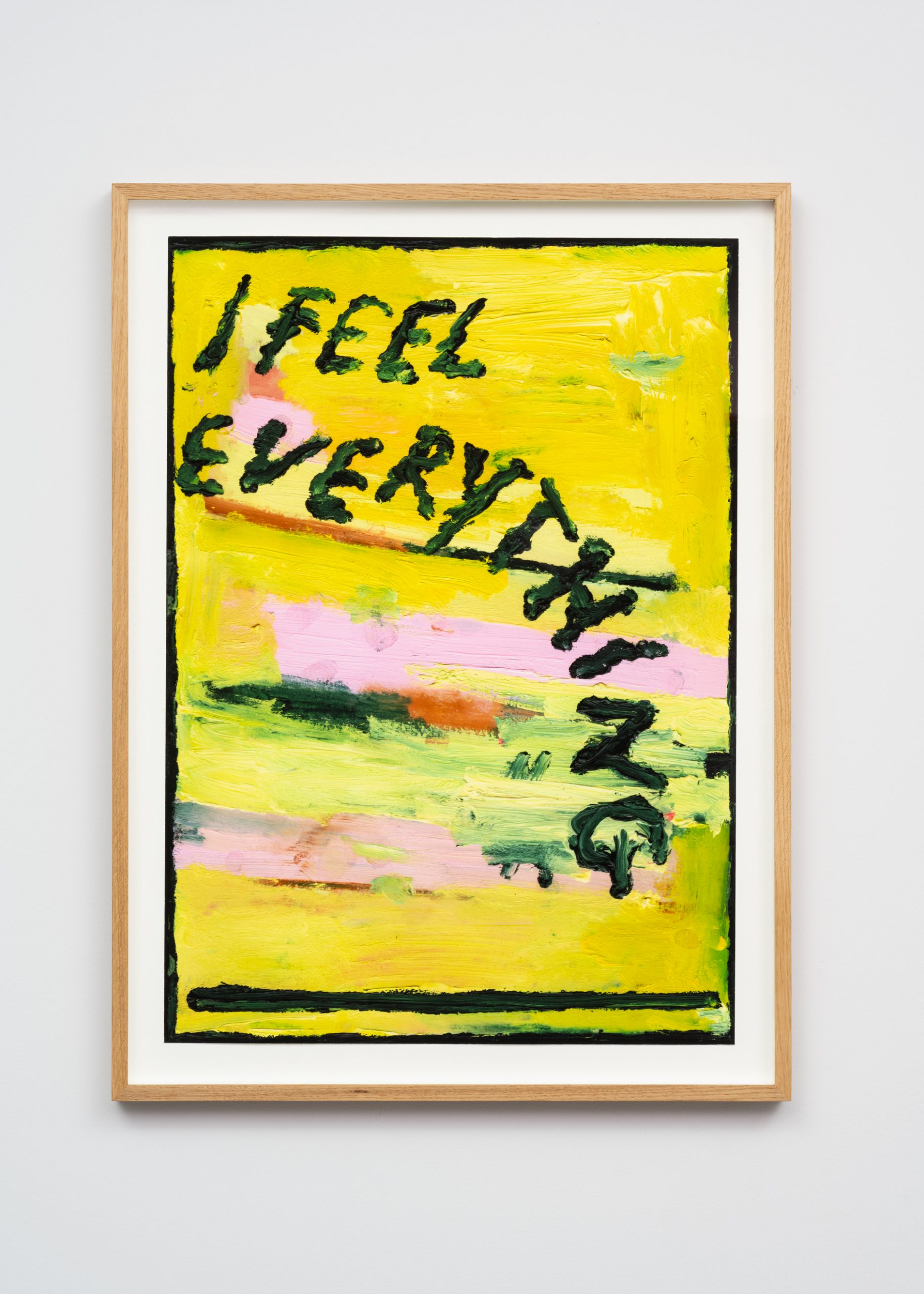
The anniversary campaign is designed to be one of the largest contemporary art interventions ever attempted in a clinical setting. Ten iconic artists, including Beatriz Milhazes, Yinka Shonibare, Chantal Joffe, and Antony Gormley, have donated exclusive limited-edition posters.
The reach of this project is staggering: 10,000 artworks are currently being distributed to ensure that every NHS mental health hospital in England receives a complete set of all ten posters. By saturating these environments with high-quality, thought-provoking imagery, Hospital Rooms aims to "radically disrupt the sterile environment of psychiatric units," as noted in their official campaign manifesto.
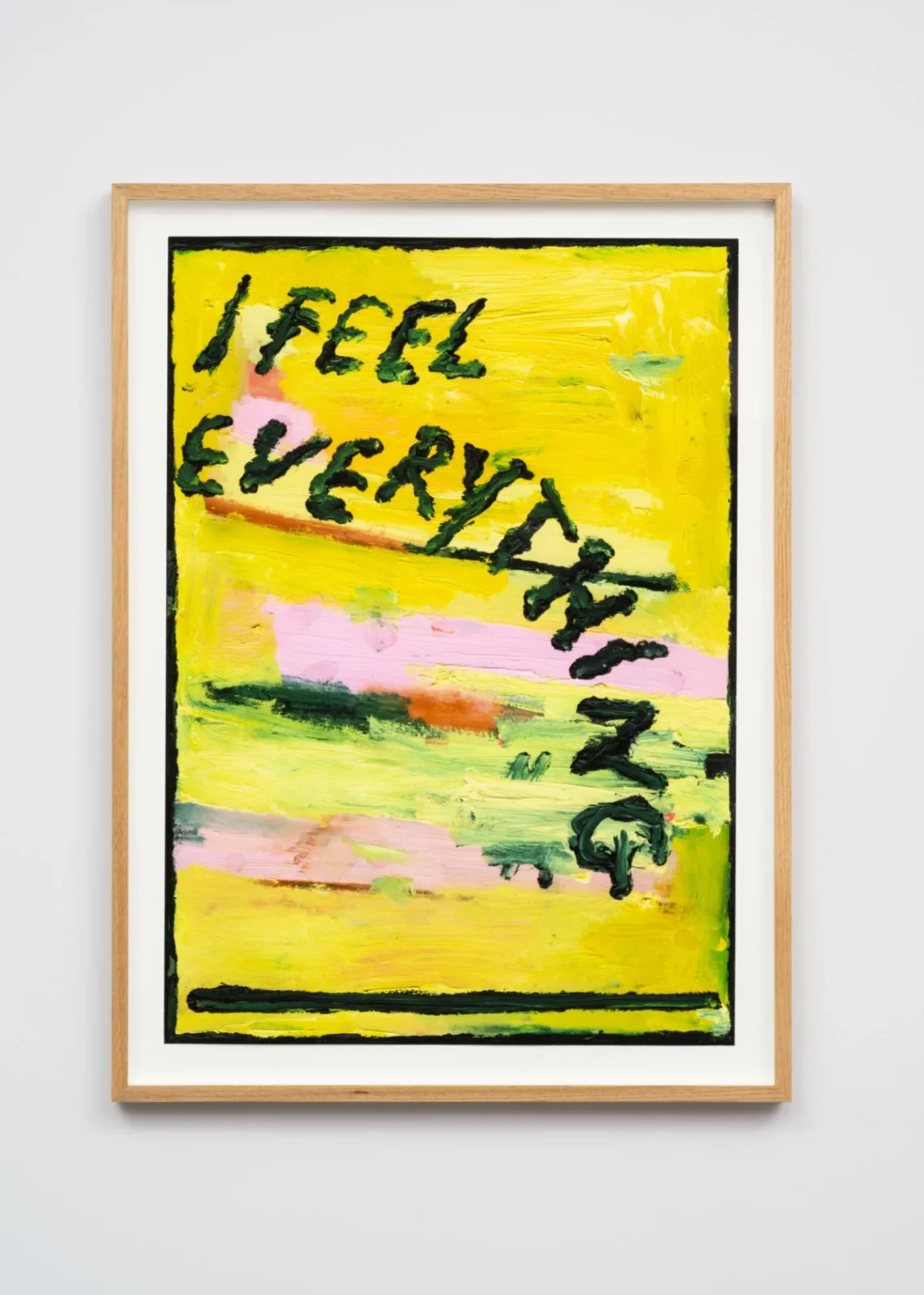
The initiative serves a dual purpose: direct patient access and public fundraising. While the posters act as a gift to the NHS, they are also being made available to the public. Through two time-limited, 10-day sales "drops," collectors can purchase these prints for £100 ($134) each. Proceeds from these sales are earmarked to fund future Hospital Rooms commissions, ensuring the sustainability of the charity’s core mission. The first wave of sales, featuring works like Daisy Parris’s I Feel Everything (2020) and Jeremy Deller’s Thank God For Immigrants (2026), saw a high-profile soft launch at the White Cube gallery, signaling a powerful convergence of the blue-chip art world and public health advocacy.
Chronology of Impact: From Pilot to National Standard
Hospital Rooms’ trajectory demonstrates the growing institutional recognition of the "therapeutic aesthetic."
- 2016: Founded by Niamh White and Tim Shaw; the first project is launched in a secure unit in South London.
- 2017–2019: The charity expands its scope, working with diverse artists to create site-specific murals and installations that prioritize patient input.
- 2020–2022: Despite the constraints of the pandemic, the organization pivots to digital outreach and smaller, manageable installations, proving the resilience of the art-as-health model.
- 2023–2025: Collaboration with major national institutions increases, with the charity’s model being cited in governmental reports regarding NHS infrastructure upgrades.
- 2026: The 10th-anniversary celebration marks a move toward nationwide ubiquity with the "10 Posters" campaign, solidifying the charity’s role as a staple of the NHS infrastructure.
Supporting Data: Art as a Clinical-Grade Remedy
The work of Hospital Rooms is increasingly bolstered by a body of scientific research that suggests art is not merely an "extra" or a decorative amenity, but a legitimate pillar of holistic medicine.
Recent studies have provided quantifiable evidence to support the anecdotal success of the charity’s interventions. For example, a landmark study from University College London (UCL) released in 2026 indicates that engagement with the arts is statistically linked to slower biological aging. This research aligns with a growing global trend in healthcare: the "cultural prescription."
In Europe, the shift is already becoming institutionalized. Wales’s new culture minister has pledged to formally embed arts and health programs within the NHS framework, while the Greek government has taken a bold step by making "cultural prescription" a statutory policy. Under this system, doctors can formally "prescribe" visits to galleries, concerts, or participation in arts projects for patients suffering from depression and anxiety, recognizing that the social and cognitive stimulation provided by art can mitigate the symptoms of chronic mental health conditions.
Official Responses and Strategic Vision
The founders of Hospital Rooms remain steadfast in their belief that "sterile environments" are detrimental to patient recovery. In a recent statement, White and Shaw emphasized: "For too long, the environment of care has been ignored. If we want people to feel human, we must surround them with human expression. Our goal is not to decorate, but to ensure that everyone, regardless of their mental health status, has immediate, high-quality access to visual culture."
The art world has responded with equal fervor. The support from galleries like White Cube and the upcoming "Host|Guest" exhibition at Victoria Miro (running September 3–12) highlights the industry’s commitment to the cause. The latter will feature works by artists such as Boo Saville and Lonnie Holley, continuing the momentum of the fundraising efforts. A final, high-stakes auction at Bonhams is expected to feature blue-chip works by Hurvin Anderson, Veronica Ryan, and Do Ho Suh, further demonstrating that the philanthropic heart of the art market remains firmly behind the Hospital Rooms mission.
Future Implications: The Normalization of Healing Spaces
The implications of the Hospital Rooms project extend far beyond the ten-year milestone. As the NHS continues to face unprecedented pressure, the integration of art into clinical settings offers a cost-effective, high-impact strategy for improving patient morale and staff retention.
When a patient enters a ward, they are often in a state of high distress. By altering the visual landscape of that ward, Hospital Rooms provides a "point of entry" for conversation, reflection, and quiet contemplation. This is not about distracting the patient from their illness, but about validating their existence as a person rather than a clinical case number.
Furthermore, the charity’s success provides a blueprint for other nations struggling to reform their mental health infrastructure. As the "cultural prescription" movement gains international traction, the Hospital Rooms model demonstrates that the most effective interventions are often those that humanize the institutional environment. By treating art as a vital component of the therapeutic toolkit, the organization has redefined the parameters of care.
As the second phase of the poster drop approaches and the Bonhams auction looms on the horizon, the impact of these ten years is clear. Hospital Rooms has succeeded in making the case that art is an essential service—as vital as the medicine and therapy provided within the walls of the hospital. For the thousands of patients in England, these posters will serve as daily reminders that, even in the most difficult of times, they remain connected to the beauty and creativity of the world outside.