The American dream of homeownership is undergoing a profound structural shift. In June 2026, the U.S. housing market reached a historic inflection point, as the median home sale price climbed to an unprecedented $408,776. According to the latest data from real estate brokerage Redfin, this represents a 2.2 percent increase over the previous year—a figure that, while modest in isolation, masks a widening chasm between the ultra-wealthy and the average American buyer.
As the market continues to grapple with the legacy of post-pandemic inflation and stubborn interest rates, a distinct trend has emerged: the high-end luxury sector is operating in a vacuum, seemingly insulated from the affordability crises plaguing the rest of the nation.
The Current State of the Market: A Mid-Year Milestone
The June 2026 report paints a picture of a market defined by bifurcation. While national median prices hit record levels, the velocity of these gains is not distributed evenly. Across the country, the housing landscape is being reshaped by a surge in high-end transactions, which, by their very nature, skew the national average upward.

This momentum is most visible in major coastal hubs, where the concentration of wealth remains the primary engine for price appreciation. San Francisco, often viewed as the bellwether for national tech-driven real estate trends, recorded a staggering 9.2 percent jump in home prices year-over-year. West Palm Beach, Florida, followed closely with an 8.6 percent increase. In both markets, the total volume of sales surged by approximately 23 percent, signaling a level of buying activity that defies the broader economic headwinds of elevated mortgage rates.
Chronology of the Luxury Surge
To understand the current environment, one must look at the progression of the market over the last decade.
- 2016–2020: A period of relative stability followed by the initial shocks of the COVID-19 pandemic, which catalyzed a shift toward suburban and luxury second-home ownership.
- 2021–2023: The "Great Migration" era, characterized by record-low interest rates and a massive reallocation of capital as professionals left dense urban centers for lifestyle-oriented markets.
- 2024–2025: The period of "Rate Shock." As the Federal Reserve moved to combat inflation, mortgage rates rose sharply. While this cooled activity for entry-level buyers, it created a new reality where those with significant cash reserves—the ultra-wealthy—began to dominate the landscape.
- June 2026: The current record-high milestone, marking the consolidation of wealth-driven demand despite sustained 6.5 percent mortgage rates.
Supporting Data: The "Wall Street South" and Tech Boom Effects
The drivers of this growth are as diverse as the cities themselves. In San Francisco, the narrative is tied inextricably to the ongoing artificial intelligence revolution. A new cohort of founders, engineers, and early-stage investors—enriched by cashed-out equity and high-tier salaries—are flooding the market. For these buyers, the high cost of entry is a secondary concern to the necessity of residing in the epicenter of the AI movement.

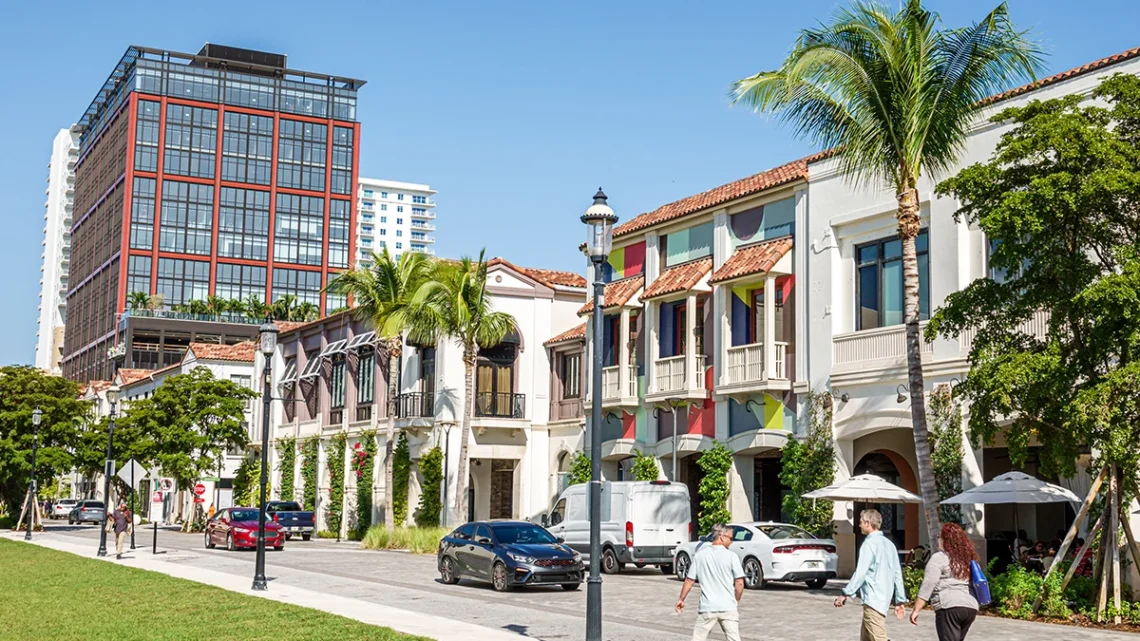
Conversely, West Palm Beach represents the success of long-term corporate migration. Often dubbed "Wall Street South," the city has become a sanctuary for financial institutions looking to escape the tax burdens and operational costs of the Northeast. The transformation is stark: luxury home prices in West Palm Beach have surged by 187 percent over the past decade. This shift is not merely cyclical; it is a permanent reconfiguration of where global capital resides.
Nationwide, the data reveals a telling disparity: luxury sales rose 5.2 percent in late spring, with high-end properties appreciating at a rate three times faster than standard, middle-market homes. This "Billionaire Effect" is expanding beyond traditional hotspots, as investors and high-net-worth individuals seek value in emerging luxury markets like Nashville, Austin, and San Diego.
Official Perspectives and Market Analysis
Real estate analysts point to a "locked-in" effect as a major contributor to the current supply-demand imbalance. Many existing homeowners, having secured sub-3 percent mortgage rates years ago, are unwilling to trade those terms for current rates hovering near 6.5 percent. This inventory shortage creates a vacuum where demand from the wealthy—who are often less sensitive to interest rate fluctuations due to their ability to pay with cash—drives prices upward.

"The market is currently a tale of two classes," says one lead analyst at Redfin. "For the buyer who needs a mortgage, the dream of homeownership is increasingly distant. For the buyer who treats real estate as a portfolio asset or a luxury good, the market remains a playground."
Indeed, over one in five homes sold in June closed above the asking price. This competitive intensity is not being driven by a surge in overall inventory, but by a narrowing of choices and an abundance of capital among the top 10 percent of earners.
Implications for the Future of Housing
The implications of this trend are significant and likely to persist for the remainder of the decade.

1. The Death of the First-Time Buyer
The primary concern for policymakers is the systematic exclusion of first-time buyers. With monthly payments reaching record-highs, the barrier to entry is no longer just the down payment, but the carrying cost. As high-end homes inflate the average, it becomes increasingly difficult for local municipalities to justify the development of "affordable" housing in neighborhoods where the entry-level price point has effectively been pushed into the luxury bracket.
2. The Geographic Consolidation of Wealth
The phenomenon seen in West Palm Beach and San Francisco suggests a future where economic opportunity is tethered to specific geographic enclaves. This "clustering" of wealth can lead to significant economic disparities within states, as tax bases grow in elite zones while surrounding regions struggle to provide adequate infrastructure for the essential workforce that supports these cities.
3. The Shift in Mortgage Dependency
We are witnessing a decoupling of home prices from traditional borrowing metrics. Historically, housing prices and mortgage rates existed in a tight, inverse relationship. Today, that link is weakening for the luxury sector. As more transactions are finalized in cash or via complex financing arrangements, the ability of the Federal Reserve to "cool" the housing market via interest rates is significantly diminished.

4. The Long-Term Impact on Market Volatility
While current prices are at record highs, the reliance on a narrow demographic of ultra-wealthy buyers introduces new risks. If the tech sector experiences a correction or if financial institutions decide to relocate again, these luxury markets could face sharp, localized downturns. However, for now, the appetite for high-end real estate remains insatiable.
Conclusion: A Market in Search of Equilibrium
As we move into the second half of 2026, the U.S. housing market stands as a testament to the resilience of luxury demand. While the macroeconomic environment suggests a cooling period, the reality on the ground—defined by limited supply and deep-pocketed buyers—tells a different story.
The path forward for the American housing market is complex. Without significant interventions to address supply constraints and the widening wealth gap, the divide between the "haves" and "have-nots" of the real estate sector will likely continue to widen. The record-breaking prices of June 2026 serve not only as a headline, but as a warning that without fundamental change, the landscape of American homeownership will continue to drift further away from the reach of the middle class, cementing a future where location and liquidity are the only true keys to the front door.