By Maria Doulton | 22 April 2026
In the rarefied world of high luxury, where opulence is typically measured by the carat count of gemstones and the weight of precious metals, Bvlgari has once again chosen to zig where others zag. The Roman house’s decision to revive its iconic "Gold & Steel" aesthetic is more than a mere design choice; it is a profound statement of creative confidence. By juxtaposing the industrial, utilitarian nature of steel with the eternal, sun-drenched warmth of gold, Bvlgari is reminding the world that, at its core, the house is defined not just by its materials, but by the intellectual rigor of its design.

The Philosophy of Contrast: Main Facts
The return of the Gold & Steel collection is a deliberate exercise in tension. Steel—a material synonymous with strength, endurance, and the machine age—is famously difficult to manipulate. It is resistant, stubborn, and devoid of the intrinsic "value" associated with traditional jewelry metals. Yet, in the hands of Bvlgari’s artisans, it is elevated to a status equal to that of 18-karat gold.
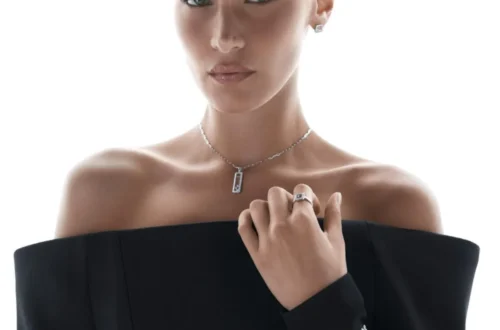
This pairing is not a cost-cutting measure, nor is it a pivot toward "accessible" luxury. Rather, it is a celebration of architectural contrast. When steel bands are framed by yellow gold, the resulting aesthetic is stark, contemporary, and undeniably edgy. It strips away the excess of traditional ornamentation to reveal the skeleton of the object. Whether in the iconic B.zero1 ring or the fluid Tubogas necklaces, the message is clear: design is king, and material hierarchy is a construct to be challenged.
A Legacy of Defiance: Chronology of Innovation
To understand why this move is so significant, one must look at the historical trajectory of the Roman jeweler. Bvlgari has never been a house to shy away from the unconventional.
- The 1970s – The Genesis of Industrial Luxury: During the radical design decade of the 1970s, Bvlgari first toyed with the concept of "honest" materials. In a move that shocked the traditional jewelry establishment, the house began experimenting with steel, blending it with gold to create jewelry that felt as modern as the architecture of the era.
- The Diversification Era: Building on this, the house ventured further into experimental materials. The incorporation of ceramic and porcelain into gold designs proved that luxury was not bound by traditional chemistry. This culminated in the Bvlgari Aluminium watch, a timepiece that redefined the concept of a "luxury sports watch" by utilizing materials previously relegated to the factory floor.
- 1999 – The B.zero1 Revolution: The launch of the B.zero1 collection, inspired by the Roman Colosseum, solidified Bvlgari’s penchant for architectural storytelling. It was an act of rule-breaking that created a new category of jewelry.
- 2026 – The Modern Renaissance: By bringing the Gold & Steel combination back to the forefront in 2026, Bvlgari is not merely repeating history; it is recontextualizing it for a generation that prizes both sustainability and stylistic irony.
Technical Mastery: Supporting Data
Working with steel is a formidable challenge for any goldsmith. Unlike gold, which is malleable and forgiving, steel requires specialized machinery, high-pressure techniques, and an exacting eye for detail. The refusal to solder components in the Tubogas technique, for example, requires a level of engineering precision that borders on the architectural.
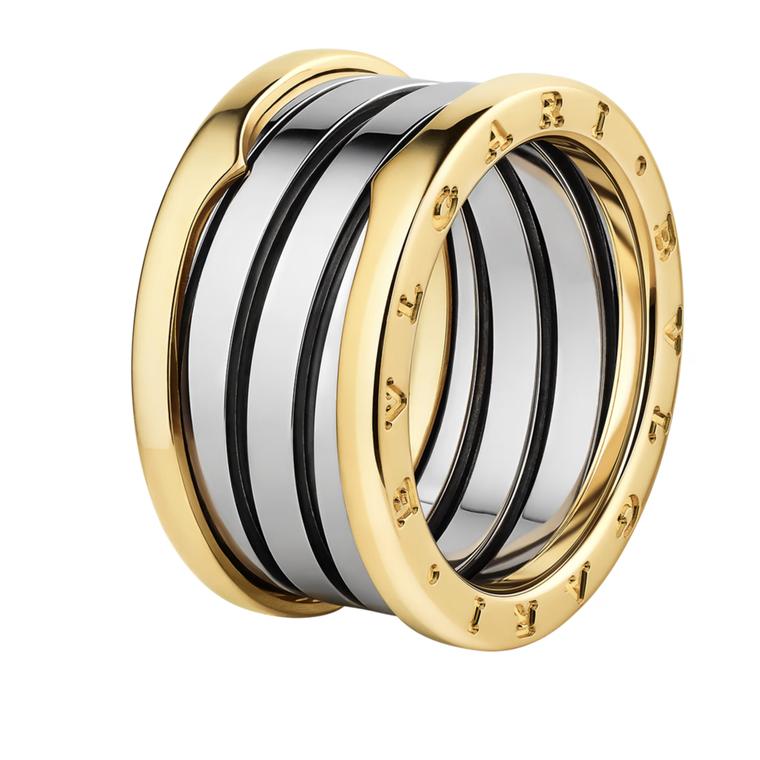
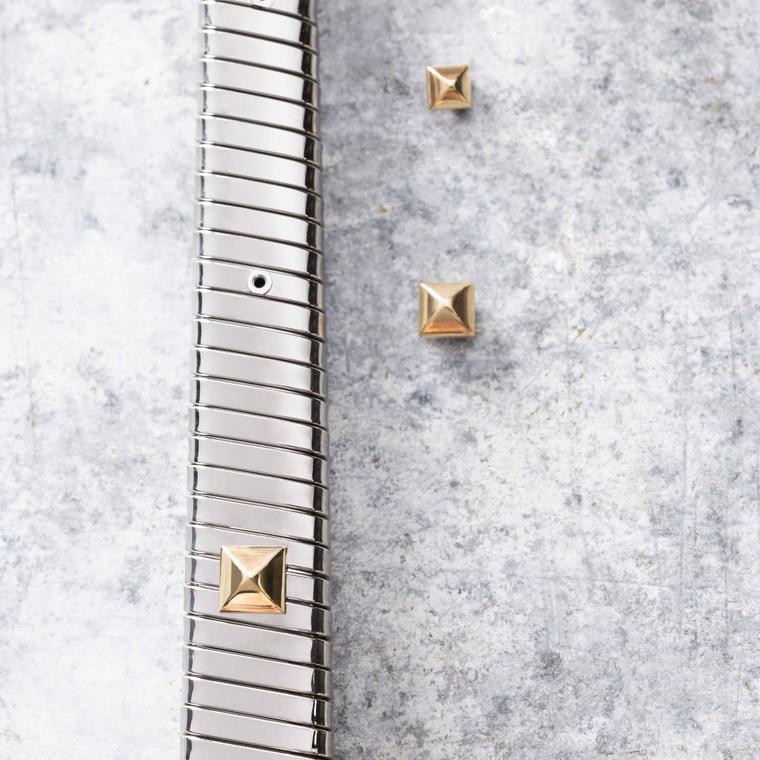
In the new B.zero1 pieces, the steel spirals are precisely calibrated to sit within yellow gold edges. The engineering involved in ensuring that these two disparate metals expand and contract at different rates, while maintaining a seamless finish, is a testament to the technical prowess of the Bvlgari workshops. The Tubogas necklace, which features flexible coils punctuated by gold studs, is a study in "precision softened by light"—a technical marvel that feels effortless despite the immense labor behind its creation.
The High Jewelry Elevation: Implications
Perhaps the most telling aspect of this revival is its presence in Bvlgari’s High Jewelry collections. The house has introduced three unique necklaces that utilize the Gold & Steel language, signaling that this is not a "diffusion" line, but a high-art pursuit.
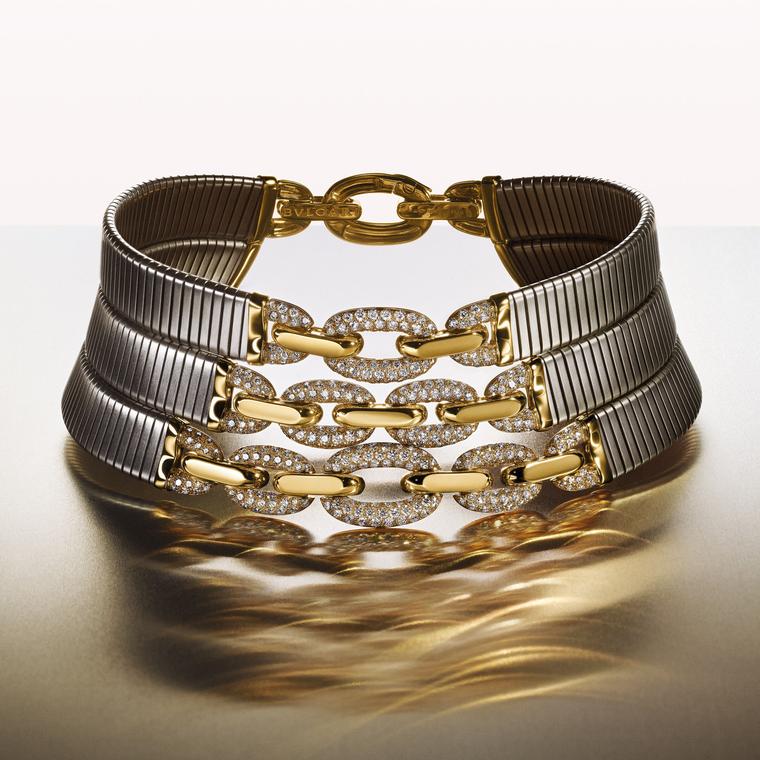
When a brand reserves its most precious creative resources for a collection that features steel, it sends a clear message to the market: the value of the piece lies in the conceptual artistry rather than the bullion market price of the materials. This shift has massive implications for the future of the luxury industry. It suggests that collectors are moving away from the "intrinsic value" of gold and diamonds and toward the "creative value" of the design narrative.
The Capsule Perspective: Watchmaking
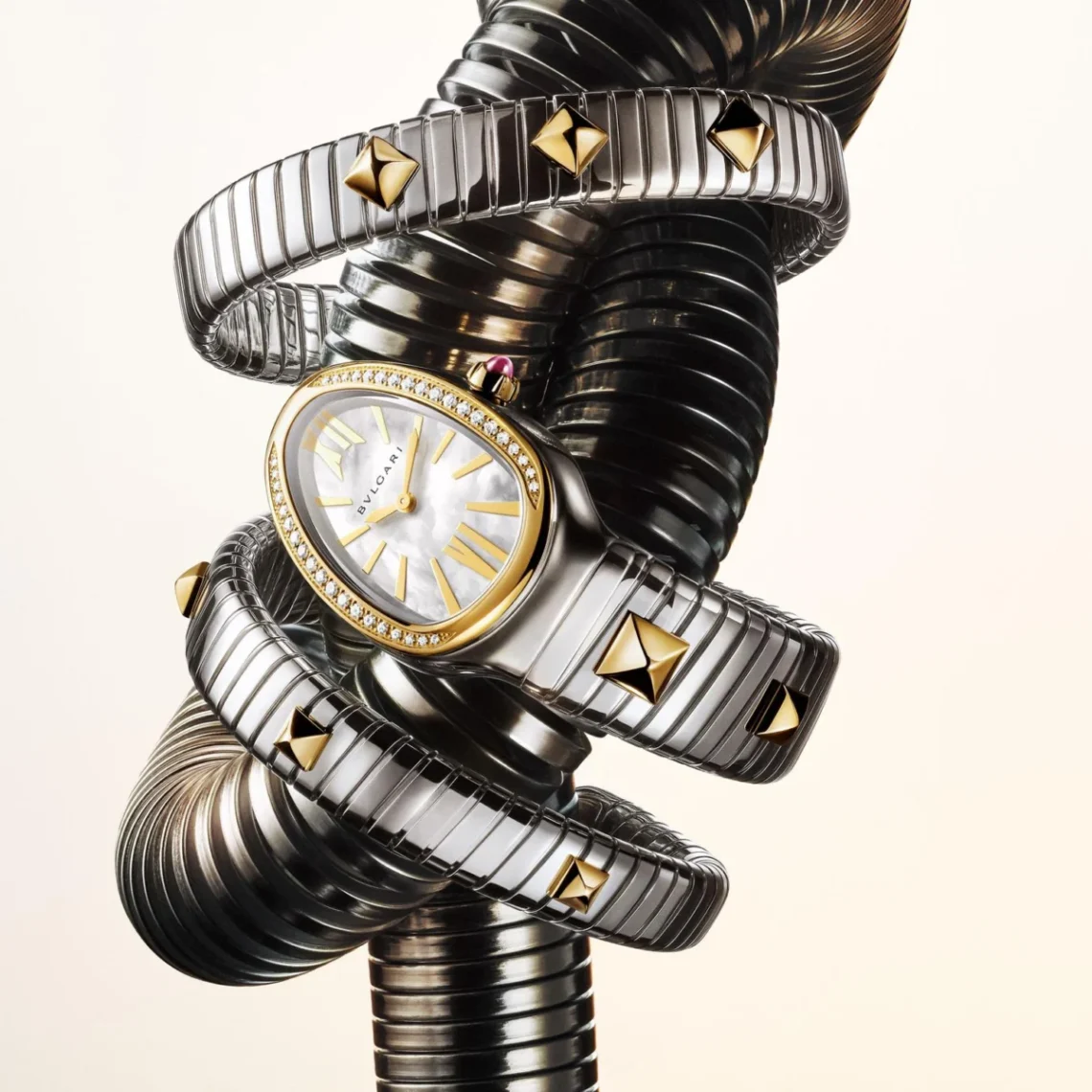
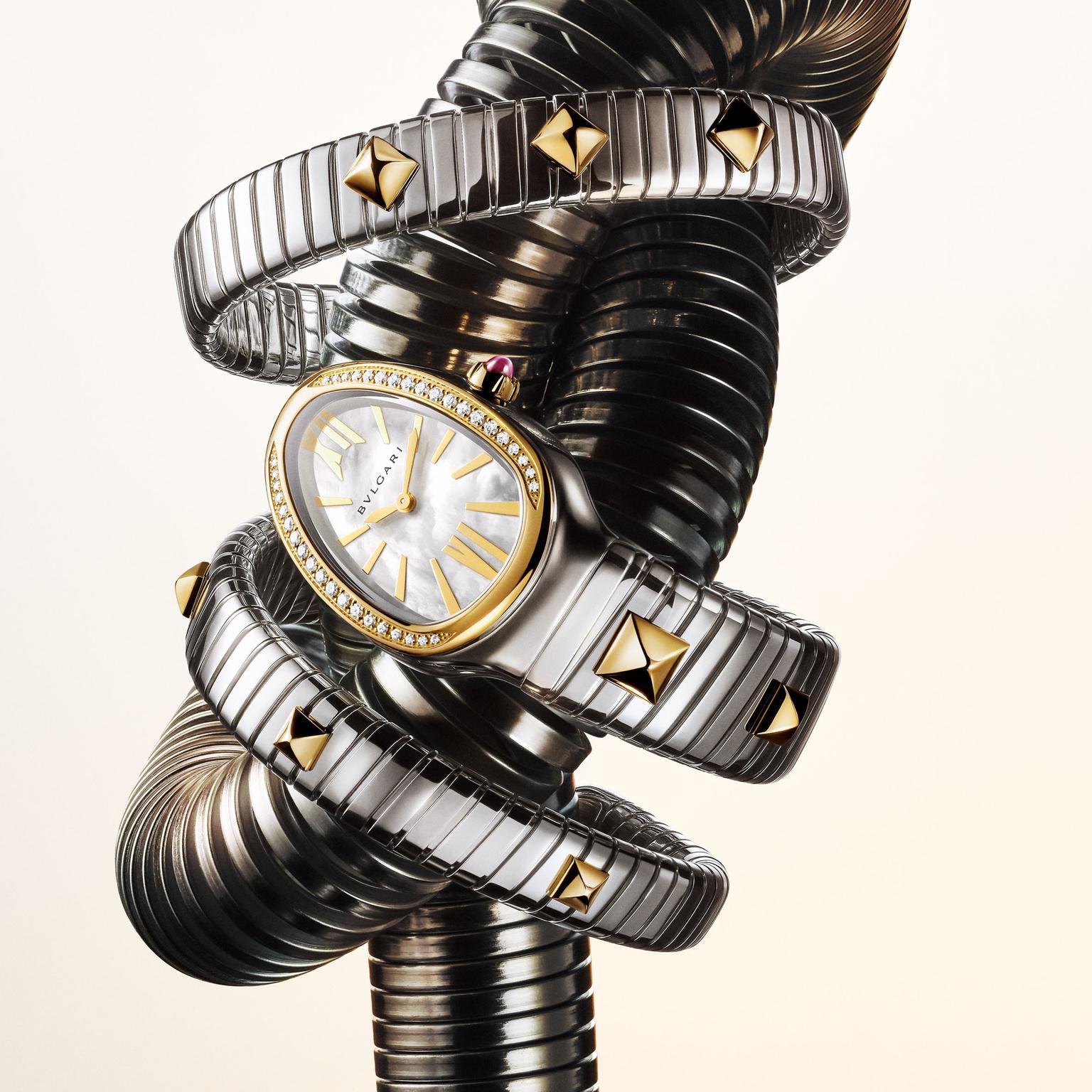
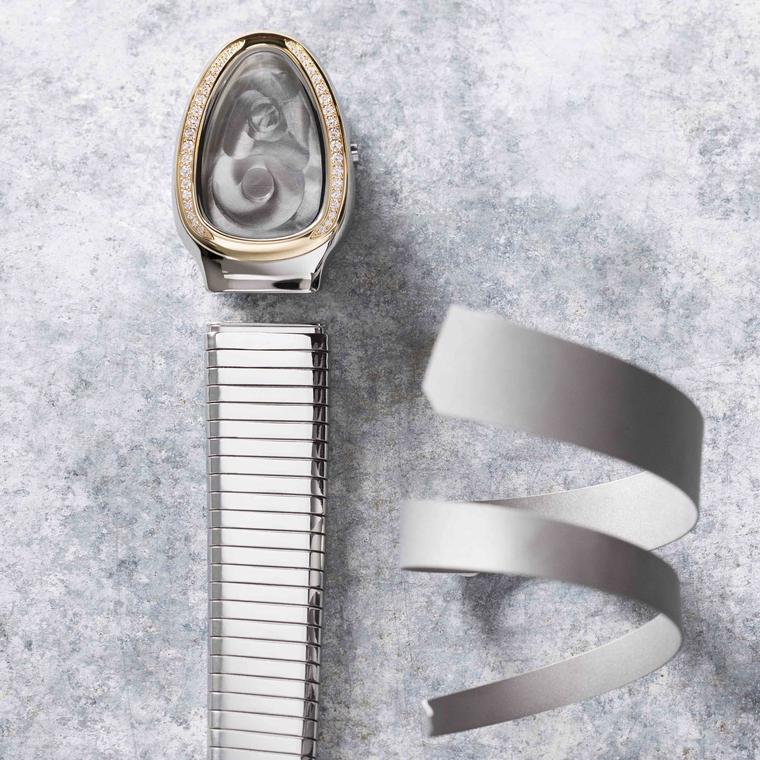
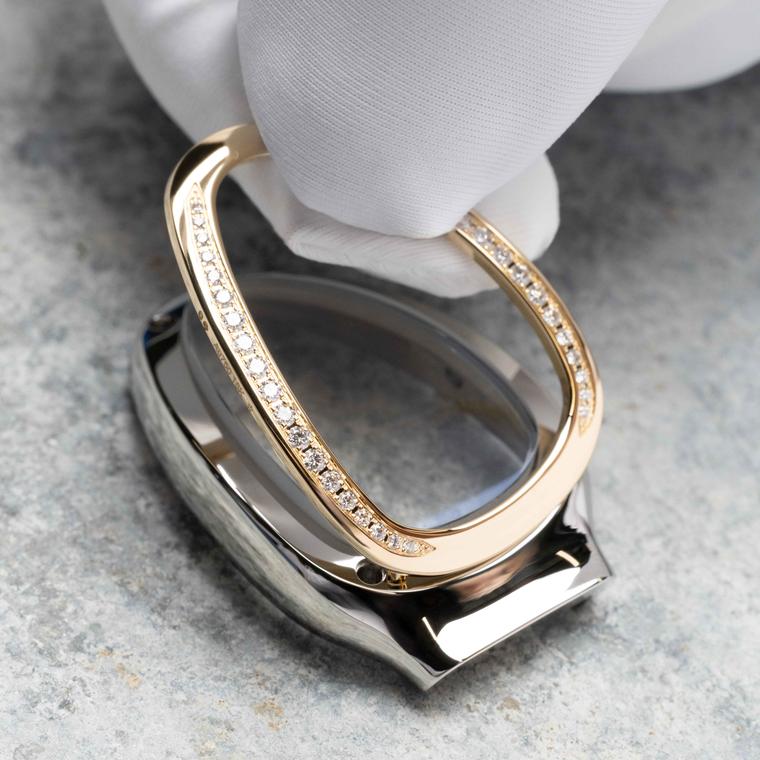
The Serpenti Tubogas Studs Capsule serves as the perfect bridge between the jeweler’s craft and horological precision. The watch does not hide the steel; it highlights it. By wrapping the serpent in a Tubogas bracelet and adorning it with the "Stud" motif, Bvlgari acknowledges the grit of the material while tempering it with diamond dials and mother-of-pearl. It is a harmonious marriage of the industrial and the ethereal.
Official Stance and Market Response
While the house has remained characteristically understated in its official statements, the move speaks volumes. Bvlgari’s design language has always been about the "bold move." In a market currently saturated with predictable, safe designs, the return to Gold & Steel acts as a disruptor.
Industry analysts observe that this strategy effectively insulates the brand from commodity price fluctuations while simultaneously appealing to a younger, more design-conscious demographic. For the consumer, the appeal is twofold: the pieces are robust enough for daily wear—a necessity for the modern luxury buyer—and they offer a distinct, sculptural aesthetic that stands out in a crowded room.
Conclusion: The Courage of the Master
Ultimately, Bvlgari’s return to Gold & Steel is a reminder that a master of luxury does not need to rely on the crutch of expensive gemstones to command attention. By elevating the utilitarian to the sublime, the house proves that its true strength lies in its vision.
The B.zero1 rings, the flowing Tubogas coils, and the striking new watches are more than just accessories; they are artifacts of an era that dared to question what luxury could be. As we look toward the future of the industry, Bvlgari’s insistence on "design as king" serves as a benchmark for others to follow. Whether it is the ancient, weathered stone of the Colosseum or the cold, polished surface of steel, the Roman jeweler knows how to find beauty in the most unexpected places, ensuring its relevance for generations to come.
The radicalism of the 1970s has become the gold standard of 2026. Bvlgari has proven, once again, that to be a leader, one must be willing to forge a path through the most difficult of materials—and look remarkably stylish while doing it.