The automotive landscape is frequently defined by the ghosts of brands past—names that once commanded the highways with elegance and raw power, only to vanish into the annals of history. However, the recent announcement from Jensen International Automotive (JIA) suggests that one of the most evocative monikers in British motoring, the "Interceptor," is poised for a dramatic, high-octane comeback.
By pivoting toward a track-only supercar strategy, JIA is not merely attempting a restoration; it is looking to redefine the legacy of a grand touring icon. The new model, christened the Interceptor GTX, promises to blend the storied aesthetics of the 1960s original with the uncompromising performance demands of the modern era.
A Legacy Reborn: The Core Facts
Jensen International Automotive has officially confirmed plans to bring the Interceptor nameplate back to the production line. While the project is currently in its pre-production phase, the company has adopted a strategic "track-first" approach. By launching the Interceptor GTX as a track-only machine, Jensen is effectively circumventing the stringent legislative hurdles—such as crash safety testing and complex emissions certifications—that typically burden low-volume manufacturers attempting to launch road-legal vehicles.
Early reports indicate that the GTX will prioritize weight reduction and structural rigidity. The vehicle is expected to feature a bespoke aluminum chassis, which will serve as the canvas for a design that pays homage to the classic Italian-inspired lines of the 1966–1976 original. Under the hood, enthusiasts can anticipate a high-output supercharged V8, a powerplant fitting for a car that earned its reputation as a "gentleman’s express."
Chronology: From British Icon to Modern Supercar
To understand the significance of the GTX, one must look back at the original Jensen Interceptor. First introduced in 1966, the Interceptor was a revolutionary grand tourer. Manufactured in West Bromwich, England, it was famously styled by Carrozzeria Touring of Italy and utilized a powerful Chrysler V8 engine. It was a vehicle that bridged the gap between the refined comfort of a British luxury car and the unbridled performance of an American muscle car.
- 1966–1976: The golden era of the original Jensen Interceptor, featuring the iconic wraparound glass rear window and the "Interceptor" nameplate.
- 1976: Jensen Motors ceases operations, leaving behind a legacy of high-performance luxury that would later become a cult classic among collectors.
- 2000s–Present: Jensen International Automotive (JIA) begins its life as a specialist restoration firm, focusing on keeping surviving Interceptors on the road with modern reliability upgrades.
- 2024–2025: JIA shifts from restoration to manufacturing, announcing the Interceptor GTX. The project is positioned as the culmination of years of deep-dive research into the DNA of the original car.
Supporting Data and Engineering Philosophy
While technical specifications remain largely guarded, the industry consensus—supported by insights from Autocar—points toward a vehicle designed for the purist. The "analog" experience mentioned in early communications suggests that JIA is shunning the trend of heavy electrification and overly intrusive driver-assistance systems.
The Engineering Specs:
- Chassis: Lightweight aluminum architecture to ensure a superior power-to-weight ratio.
- Powertrain: A forced-induction V8 engine, likely tuned for high-torque output to mirror the "grand tourer" character of the original.
- Transmission: While unconfirmed, the industry is clamoring for a traditional manual gearbox, which would align with JIA’s commitment to an analog driving experience.
- Aerodynamics: Expect a modern aerodynamic suite that integrates seamlessly with the classic silhouette, providing the necessary downforce for track performance without ruining the vehicle’s heritage aesthetic.
The strategy of building a track-only vehicle serves a dual purpose. Beyond regulatory simplicity, it allows JIA to interact with a core group of high-performance clients. These track-day enthusiasts will essentially serve as the "test pilots" for the platform. Their feedback will be instrumental in calibrating the handling, steering feedback, and chassis dynamics, effectively using the track as an R&D laboratory for a future road-going version.
Official Responses and Industry Sentiment
The announcement has been met with cautious optimism by automotive journalists and collectors alike. The prevailing sentiment is that JIA occupies a unique position. Unlike a startup trying to reinvent the wheel, JIA has spent decades dissecting and rebuilding the very cars they are now looking to recreate.
"The original Jensen Interceptor remains one of the coolest cars ever to leave the UK," noted the Motor1 editorial team. "The challenge for JIA is not just to replicate the performance, but to capture the ‘soul’ of the original."
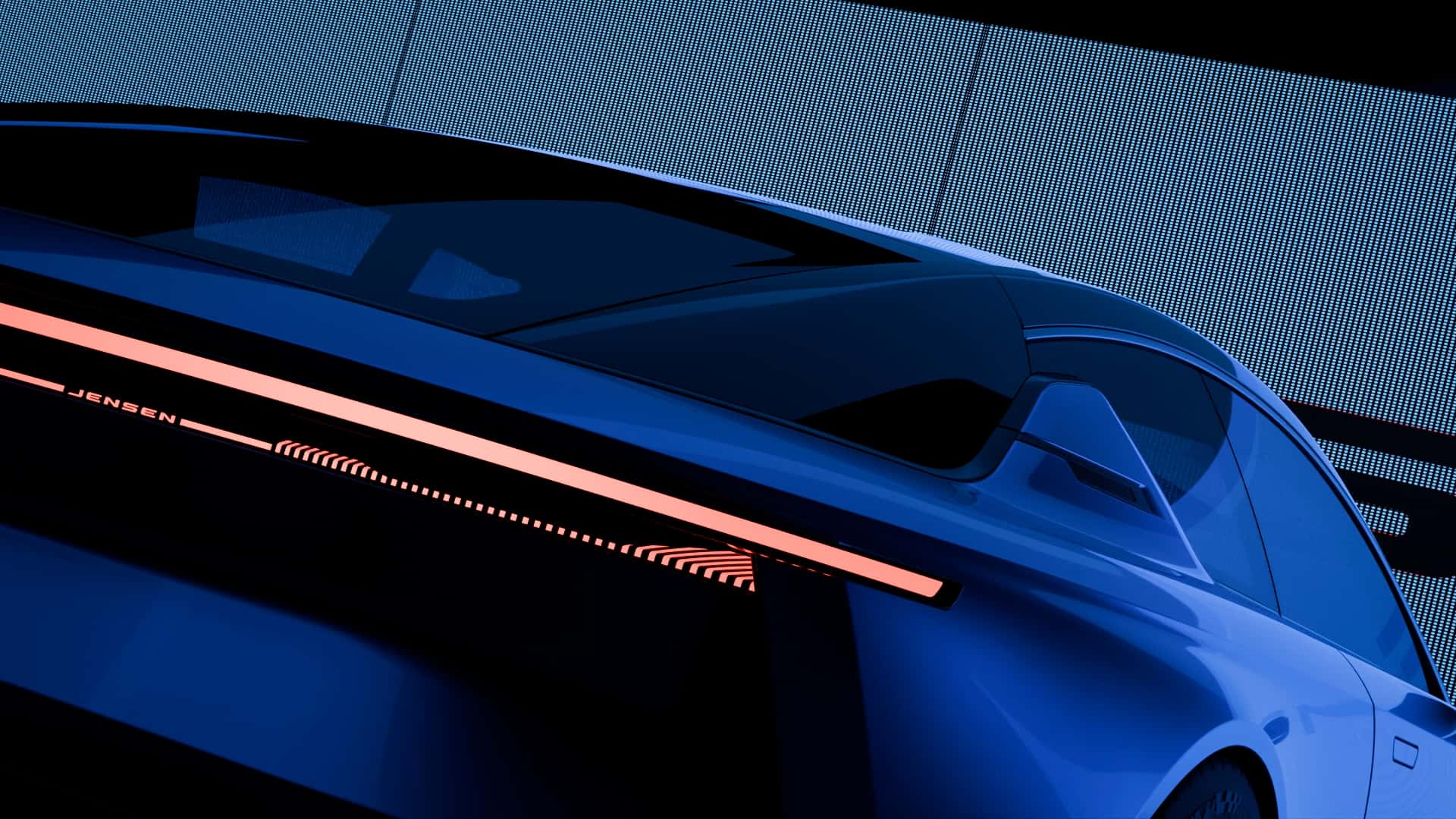
Industry analysts point out that the luxury sports car market is currently crowded with restomod brands. However, JIA distinguishes itself by owning the heritage and having the technical blueprints of the original marque. The company has stated that the GTX is intended to be a "wild" special, signaling a departure from the more docile nature of the vintage grand tourers.
Implications for the Future of Jensen
The move to build the Interceptor GTX has profound implications for the company’s trajectory. By entering the supercar space, JIA is transitioning from a niche service provider to a boutique manufacturer.
1. Market Positioning
If the GTX succeeds, it will establish JIA as a legitimate rival to brands like Aston Martin or the high-end restomod firms that are currently dominating the collector market. The car is not aimed at the mass market; it is a bespoke machine for the collector who values the history of the Jensen name but demands the performance of a modern track weapon.
2. The Path to Road Legality
The most fascinating aspect of this project is the roadmap. If the track-only GTX proves successful, JIA could leverage the data gathered to produce a "homologated" road-legal version. This would involve a significant redesign to accommodate safety features like airbags, pedestrian protection, and advanced lighting systems—elements that are currently being bypassed for the track-only variant.
3. Customer Engagement
By involving clients in the development phase, JIA is fostering a level of brand loyalty that is rare in the automotive world. These owners will feel a sense of ownership over the final product, as their inputs directly influenced the final suspension tuning and cabin ergonomics. This "collaborative development" model is increasingly popular among ultra-luxury manufacturers looking to provide an experience that goes beyond the purchase of a product.
Conclusion: A High-Stakes Gamble
The return of the Jensen Interceptor is a high-stakes gamble. The automotive industry is littered with failed attempts to revive classic brands, often due to a failure to balance modern expectations with the nostalgic charm of the original. However, JIA’s methodical approach—using the track as a crucible for testing and leveraging years of restoration expertise—suggests they are playing a long game.
The Interceptor GTX is more than just a car; it is a test of whether a brand can successfully navigate the transition from a custodian of the past to an innovator of the future. As we await further details on the powertrain and final production numbers, one thing remains clear: the spirit of the Interceptor is back, and it is louder, faster, and more aggressive than ever before.
For the automotive purist, the prospect of an aluminum-chassis, supercharged V8, rear-wheel-drive machine wearing the Jensen badge is an intoxicating proposition. Whether the GTX manages to live up to the legendary status of its namesake remains to be seen, but the journey to find out will undoubtedly be one of the most interesting stories in the industry for years to come.