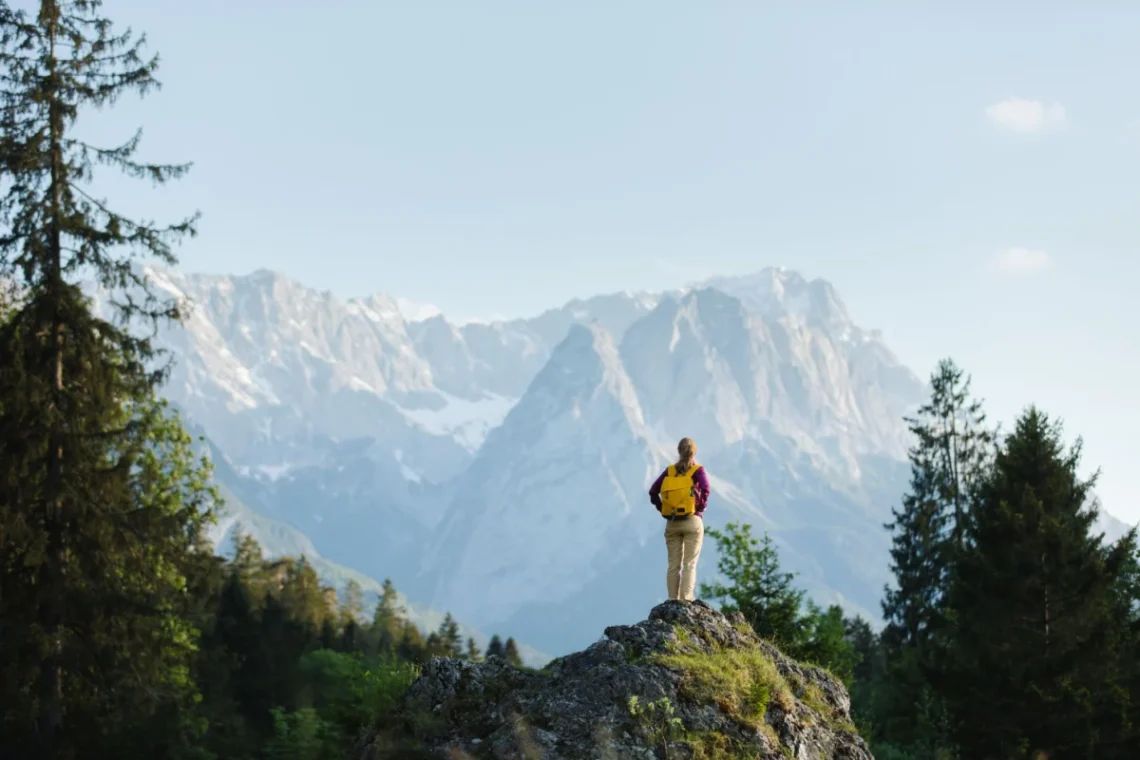
Whether you are a seasoned mountaineer braving the vertical extremes of the North Cascades or a fashion-forward urbanite navigating the "gorpcore" aesthetic on the streets of Brooklyn, the presence of the fossilized reptile logo—Arc’teryx—is impossible to ignore. Named after the Archaeopteryx lithographica, the prehistoric creature that first bridged the gap between reptilian earthbound existence and avian flight, the brand has similarly evolved from a niche climbing equipment manufacturer into a titan of global high fashion and technical performance apparel.
Main Facts: The Intersection of Performance and Prestige
Arc’teryx has carved out a unique position in the marketplace by refusing to compromise on its core ethos: obsessively engineered durability. Based in Vancouver, British Columbia, the brand utilizes the rugged, unpredictable weather of the local Coast Mountains as its primary testing ground. This “field-testing” philosophy is central to the brand’s identity, ensuring that every waterproof Gore-Tex shell, down parka, and thermal layer meets the rigorous demands of alpinism.
The brand’s technical prowess has, ironically, made it a darling of the high-fashion world. By prioritizing function, Arc’teryx inadvertently achieved an aesthetic of utilitarian perfection that caught the eye of designers like Jil Sander and street-style influencers alike. While this elevated status has led to premium price tags, the brand maintains a robust ecosystem of value—from official outlets and trade-in programs to professional discounts—ensuring that its gear remains accessible to those who use it for its intended purpose: survival and exploration in the wild.
A Chronological Evolution: From “Rock Solid” to Global Icon
The history of Arc’teryx is one of relentless iteration and technical breakthroughs. Understanding the company’s trajectory explains why it commands such high consumer loyalty today.
1989–1991: The Humble Beginnings
The company was founded in 1989 by Dave Lane under the name "Rock Solid." Initially, the focus was singular: revolutionizing the climbing harness. The brand gained early traction by refining the ergonomics and comfort of climbing equipment. In 1991, the company underwent a pivotal rebranding. With the arrival of Jeremy Guard, the name was changed to Arc’teryx—a nod to the Archaeopteryx—and the now-iconic fossil skeleton logo was adopted. This period established the brand’s visual identity and its commitment to evolutionary progress.
1998: The Gore-Tex Breakthrough
The late 1990s marked a turning point in the brand’s technical capabilities. In 1998, Arc’teryx secured a license to utilize Gore-Tex technology. This partnership allowed them to launch the Alpha SV (Severe Weather) jacket, a garment that would become the gold standard for mountaineering shells. The Alpha SV cemented the company’s reputation for uncompromising quality and weatherproofing.
2010–Present: The Gorpcore Transition
In the last decade, Arc’teryx successfully bridged the gap between the summit and the sidewalk. The rise of the "gorpcore" trend—an aesthetic movement that prioritizes outdoor technical wear as everyday fashion—placed the brand at the center of cultural discourse. Collaborations with luxury houses and an increasing presence in major urban centers have shifted the brand’s narrative, though the company continues to anchor its marketing in the realities of alpine performance.
Supporting Data: Navigating the Arc’teryx Ecosystem
While Arc’teryx gear is a significant investment, the brand provides several avenues for consumers to acquire high-quality equipment without paying full retail price.
The Arc’teryx Outlet: A Hub for Past-Season Value
The official Arc’teryx Outlet serves as a repository for previous seasons’ gear, offering discounts of up to 50% on essential items. This includes technical shell jackets, specialized footwear, and apparel from the urban-focused "Veilance" line. Savvy shoppers often track discontinued colors or earlier iterations of core products to find the best value. Note, however, that items purchased through the outlet are typically final sale, necessitating careful sizing before purchase.
The Rebird Resale Program
Reflecting its commitment to sustainability, Arc’teryx operates the "Rebird" Resale program. This circular economy initiative allows customers to trade in gently used gear. In exchange, the brand provides a gift card worth 30% of the original retail price. This process is straightforward:
- Verification: Users complete an online form to confirm their item is eligible.
- Submission: A pre-paid shipping label is provided, or the item can be dropped off at a retail location to avoid shipping fees.
- Qualification: Items that pose hygiene risks, such as socks or headwear, are excluded. The standard for entry is simple: would you feel comfortable gifting this item to a friend?
Professional and Community Programs
For those who live and work in the mountains, the "Pro Program" offers specialized pricing. This is reserved for qualified outdoor experts, including mountain guides, search-and-rescue teams, park rangers, and ski instructors. By verifying professional credentials, these individuals can access the gear required to perform their duties safely, acknowledging the brand’s role as a vital tool rather than just a status symbol.
Official Responses and Strategic Philosophy
Arc’teryx remains remarkably consistent in its messaging. In official communications, the brand emphasizes "The Arc’teryx Philosophy," which posits that design is not merely about form but about solving specific problems.
When discussing their pricing strategy, the brand maintains that the cost is a direct reflection of R&D (Research and Development) and the longevity of the materials used. By offering a comprehensive warranty and a robust repair service, the company attempts to frame its products as "lifetime investments." This philosophy is a hedge against the fast-fashion cycle, positioning the brand as a sustainable alternative in an industry often criticized for excessive waste.
Implications: The Future of High-Performance Apparel
The success of Arc’teryx has significant implications for the broader retail landscape. Firstly, it has demonstrated that "technical" does not have to mean "utilitarian" in a negative sense. The brand has proven that consumers are willing to pay a premium for products that offer genuine, testable performance metrics, even if they are only using them for commuting.
Furthermore, the brand’s move toward circularity—through the Rebird program—suggests a shift in how outdoor brands must operate in the coming decades. With increasing scrutiny on the environmental impact of textile production, Arc’teryx’s focus on long-lasting, repairable, and resellable gear sets a benchmark for competitors.
However, the brand faces a delicate balancing act. As it leans further into the "lifestyle" and "fashion" segments, it risks alienating the core user base of serious alpinists who may feel that the brand’s identity is becoming diluted. Maintaining the "climbing heritage" while catering to a global, trend-conscious audience will be the primary challenge for Arc’teryx in the 2025–2030 period.
Summary of Strategic Savings
For the consumer looking to integrate Arc’teryx into their wardrobe, the best approach is a multi-pronged strategy:
- Monitor the Outlet: Check for seasonal cycles where inventory is refreshed.
- Leverage the Trade-in: Use the Rebird program to refresh your closet while keeping older gear in circulation.
- Sign up for Alerts: Utilize the official email newsletter to stay informed on promotional events, which are rare but highly effective.
- Consult Professionals: If you are a member of the outdoor industry, ensure you are registered for the Pro Program to avoid paying MSRP.
By understanding the intersection of technical history, market strategy, and consumer programs, enthusiasts can enjoy the best of what Arc’teryx has to offer—whether they are scaling a vertical wall in the Canadian Rockies or simply navigating the rain-slicked streets of a major city. The brand remains, at its heart, an evolution of its namesake: a creature that learned to adapt, to climb, and eventually, to soar.