In the collective consciousness of the traveler, the Caribbean is often reduced to a monolithic vision of white-sand beaches and swim-up bars. Yet, for those who look beyond the postcard-perfect veneer, Barbados offers a complex, multifaceted narrative. It is an island that operates on “island time”—not as a symptom of lethargy, but as a deliberate rejection of the global “hustle culture” that defines modern life. As the island navigates a significant cultural and tourism renaissance, it is successfully bridging the gap between its historical status as a playground for the elite and a newfound identity rooted in raw, elemental authenticity.
Main Facts: A Tale of Two Coasts
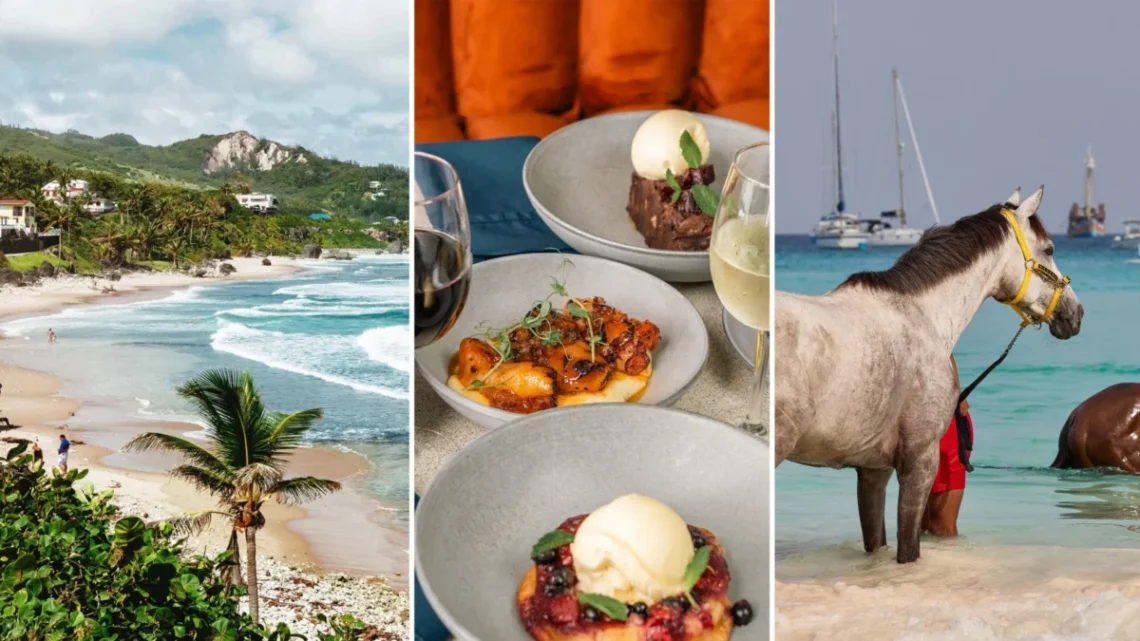
Barbados, the easternmost island in the Caribbean, is currently experiencing a transformative shift in its tourism landscape. Long defined by the “Platinum Coast” on the west—where calm, turquoise waters host some of the world’s most storied resorts—the island is now witnessing an influx of interest in its rugged, Atlantic-facing east coast and the vibrant, hipster-adjacent south.

The island’s character is defined by its resilience. Whether it is the local army of ocean advocates working to mitigate the impact of invasive lionfish on the island’s coral reefs, or the shift from catering solely to the “playboy yacht” demographic toward a more diverse, creative, and wellness-focused crowd, Barbados is evolving. The island’s hospitality sector is currently divided into three distinct spheres: the ultra-luxe heritage properties, the boutique design-led hotels, and the casual, family-run establishments that serve as the heartbeat of Bajan culture.
A Chronology of Change
The transformation of Barbados did not happen overnight. To understand the current climate, one must look at the progression of its tourism industry:

- 1950s–1970s: The birth of high-end Caribbean travel. Barbados solidifies its reputation as a sanctuary for the global elite, with properties like the Coral Reef Club setting the standard for personalized, family-owned hospitality.
- 1970s–1980s: A period of creative infusion. Icons such as Eddy Grant, The Rolling Stones, and the members of Monty Python treat the island as a creative base, embedding a sense of rock-and-roll mystique into the island’s cultural DNA.
- 2020–2024: The post-pandemic reset. The focus shifts toward sustainable tourism and “slow travel,” with an emphasis on farm-to-table dining and nature-integrated wellness retreats.
- 2025–2026: A new wave of infrastructure and hospitality innovation. The launch of services like Uber and the opening of design-forward properties like the Blue Monkey Hotel signal a modernization of the visitor experience, while the east coast earns its designation as a “Best Place to Go in 2026.”
Supporting Data: The Hospitality Spectrum
The accommodation landscape in Barbados serves as a litmus test for the island’s shifting priorities.
The Heritage Guardians
At the pinnacle of traditional luxury remains Sandy Lane, an institution that continues to draw an exclusive clientele. However, the Coral Reef Club remains arguably the most vital piece of the island’s hospitality puzzle. Owned and operated by the O’Hara family since the mid-1950s, the property rejects the impersonal sheen of modern hotel chains. Matriarch Cynthia O’Hara, at 94, continues to host cocktail parties, keeping the island’s history alive through personal storytelling.

The New Vanguard
The “Platinum Coast” is now seeing a challenge from smaller, boutique properties. Cobblers Cove has emerged as the nexus for a younger, creative set—Silicon Valley entrepreneurs and artists who prefer pastel-hued suites to the sprawling, anonymous complexes of the past. Similarly, the Blue Monkey Hotel & Beach Club, opened in June 2026, represents a bold, disruptive departure. By retrofitting a dormant complex, it leans into the island’s 1970s creative heritage, offering a aesthetic defined by tan leather, expressionist art, and a culinary program—Amara—that introduces authentic Lebanese flavors to the Bajan food scene.
The Family-Friendly South
For those seeking a less formal five-star experience, the O2 Beach Club & Spa on the south coast has successfully cornered the market. It prioritizes the "fly-and-flop" convenience—complete with a world-class spa and the island’s first hammam—acknowledging that modern families require high-level service without the rigid, white-glove traditions of the mid-20th century.

Official Perspectives and Local Voices
The Bajan character is often described as “guarded” at first, but it is deeply rewarding for those who engage in authentic conversation. The local sentiment, as expressed by experts like diver Phillip Mahy, emphasizes a deep connection to the island’s marine and terrestrial beauty. Mahy, who runs Reefers & Wreckers, represents the backbone of the island’s sustainable tourism efforts. He argues that the true magic of Barbados isn’t found in the lobby of a resort, but in the “fantastical” underwater world of the island’s coral reefs and shipwrecks.
Similarly, the perspective of figures like horticulturist Anthony Hunte, the visionary behind Hunte’s Gardens, provides an insight into the island’s soul. Grown out of a sinkhole in the jungle over two decades, the gardens are not just a tourist attraction; they are a manifesto on the importance of patience and environmental stewardship.

The Culinary Landscape: From Fine Dining to Street Food
Barbados has undergone a gastronomic evolution. The annual Rum & Food Festival in November serves as the primary engine for this change, allowing young chefs like Damian Leach of Cocktail Kitchen to experiment. Leach’s work at the St. Lawrence Gap restaurant highlights the dual nature of Bajan dining: high-end execution of local ingredients, such as pigs’ tails with ginger-infused barbecue sauce, paired with the casual, vibrant atmosphere of the neighborhood.
However, the true heart of Barbados remains the street-corner vendor. Whether it is the fish cakes at Browne’s Beach or a flying-fish cutter purchased from an awning-covered trestle table, these experiences represent the island’s intangible heritage. As the article suggests, if there were a UNESCO designation for the individuals who preserve the island’s culinary culture, these vendors would be the first in line.

Implications: The Future of the "Wilder Side"
The rise of the east coast as a tourism destination has significant implications for the future of the island. By pushing the narrative beyond the western resorts, the local government and tourism boards are effectively distributing the economic benefits of tourism more equitably across the island. The growth of wellness-focused lodges, such as the EcoLodge, suggests that the future of Barbados lies in "tourism detoxes"—experiences that invite guests to trade the artificial comforts of a resort for the raw, Atlantic-swept landscapes of the island’s "back side."
Practical Planning for the Modern Traveler
For those planning a visit in 2026, the logistics of the island have become more seamless:
.jpg)
- Transport: While public transport remains a charmingly unpredictable “island time” experience via the ZR buses, the 2025 arrival of Uber and the availability of premium private chauffeur services like Premium Chauffeur Services (ask for Karon) offer new levels of accessibility.
- Timing: The “sweet spot” remains May to June, avoiding the peak pricing and congestion of the winter high season.
- Etiquette: Visitors are encouraged to maintain a supply of Barbados Dollars for local vendors and to respect the local tradition of tipping.
In conclusion, Barbados is not merely a destination to be consumed; it is a community to be understood. It remains a place where one can find the absolute pinnacle of global luxury at The Cliff, yet feel the most profound sense of peace while watching the Atlantic crash against the rugged cliffs of the east. It is an island that has managed the rare feat of honoring its history while fearlessly building its future, ensuring that whether you are a first-time visitor or a generational returner, the "island time" philosophy will eventually find you.