To eat a hot dog in Chicago is to participate in a local religion. It is a ritual of assembly, a strict code of conduct, and a storied piece of the city’s industrial identity. For the uninitiated, it is merely a snack; for the local, it is a perfect, edible architecture. Whether you are a long-time resident or a traveler navigating the city’s grid for the first time, understanding the nuances of the "Chicago-style" frankfurter is essential to your survival and your enjoyment of the Windy City’s food scene.
The Anatomy of the Perfect Chicago Dog: Main Facts
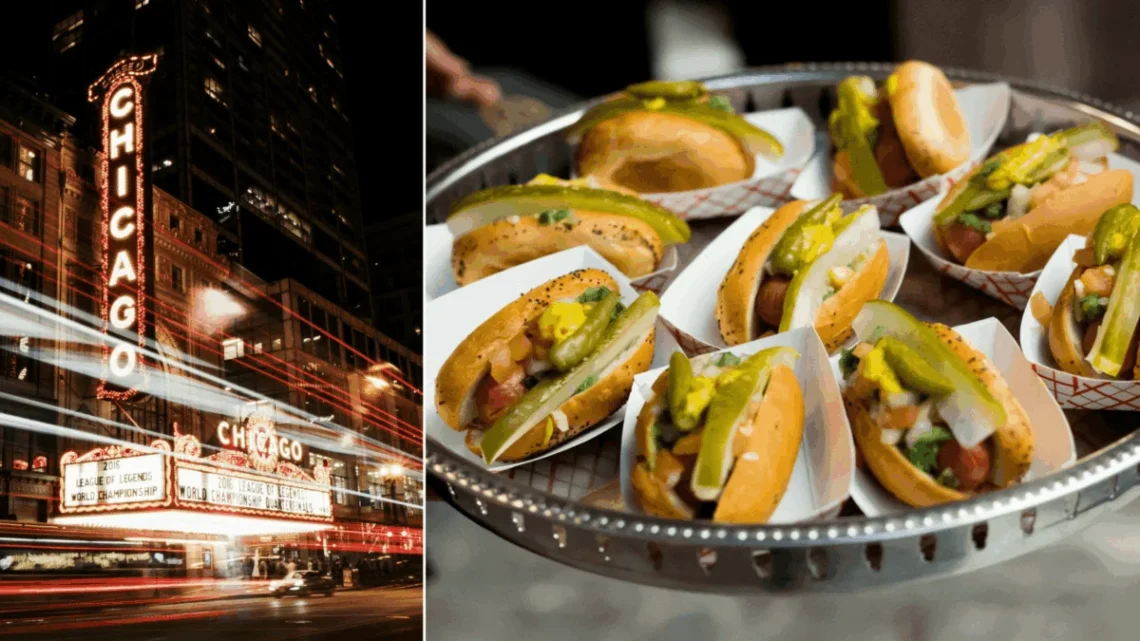
The quintessential Chicago hot dog is not just a sandwich; it is a precisely engineered construction. It begins with a 100% all-beef frankfurter, ideally with a natural casing that provides that hallmark "snap" upon the first bite. This link is placed into a steamed poppyseed bun—a vessel designed specifically to cradle the mountain of toppings without crumbling.

The "dragged through the garden" assembly is non-negotiable for traditionalists. The order of operations is key to achieving a balanced flavor profile:
- Yellow Mustard: Always yellow, never brown or Dijon.
- Neon Green Relish: The radioactive hue is a requirement.
- Chopped White Onions: Providing the necessary bite.
- Tomato Wedges or Slices: Freshness amidst the salt.
- Pickle Spear: A crunch of acidity.
- Sport Peppers: Providing a mild, pickled heat.
- Celery Salt: The final, savory flourish that binds the ingredients together.
And let us address the elephant in the room: Ketchup is strictly forbidden. In Chicago, putting ketchup on a hot dog is viewed as a culinary sacrilege. The tangy, sugary profiles of ketchup are considered to clash with the specific vinegary, salty, and vegetal elements that define the Chicago experience. If you want to signal that you are a tourist, go ahead and ask for it; if you want to eat like a local, respect the code.

A History of Hunger: The Chronology of the Stand
The Chicago hot dog did not appear in a vacuum; it was born of the Great Depression and the city’s vast immigrant history. In the 1930s, as the nation struggled through economic collapse, the hot dog became a reliable, affordable source of nutrition for the working class.
- The Early 20th Century: The influx of German and Austrian immigrants brought the sausage-making tradition to Chicago, which was already a meatpacking hub.
- 1939: Jimmy Stefanovic, a Macedonian immigrant, took over a stand on the historic Maxwell Street market, helping to cement the popularity of the Polish sausage and the "Depression-style" service model.
- 1948: Maurie and Flaurie Berman opened the iconic Superdawg Drive-In in Norwood Park, introducing the world to their giant, 12-foot-tall rooftop hot dog mascots and a unique, upscale take on the drive-in experience.
- 1963: Dick Portillo founded his namesake stand, which would eventually grow into a massive local empire, standardizing the Chicago-style dog for generations of visitors.
- The Modern Era: Today, chefs are beginning to reinterpret the classic form. Places like The Duck Inn, led by chef Kevin Hickey, are "glowing up" the traditional dog with artisanal ingredients, proving that even a humble street food can undergo a high-end evolution.
Supporting Data: Where to Experience the Best
Chicago’s hot dog landscape is diverse, ranging from drive-ins and hardware store kiosks to chef-driven bistros. Here is the definitive list of where to find the best, according to local expertise.

Fixin’ Franks (Multiple Locations)
Perhaps the most "Chicago" experience is finding an exceptional hot dog tucked away inside a Home Depot. Fixin’ Franks serves a menu of locally sourced links, including the classic dog and Polish sausage. If you really want to lean into the local flavor, ask for J.P. Graziano hot giardiniera on top.
Byron’s Hot Dogs (Lakeview and Ravenswood)
Serving the community for over 50 years, Byron’s offers a "salad-style" approach that has famously graced the table of the White House. Beyond the standard garden, they add lettuce, green peppers, and cucumbers. It is a refreshing, albeit messy, departure from the norm.

Jim’s Original (University Village and Avondale)
When you aren’t ordering a hot dog, you are ordering the Maxwell Street Polish or the pork chop sandwich. With no seating to speak of, you’ll find yourself standing at a metal counter or perched on a curb, enjoying some of the most historic flavor in the city.
Portillo’s (Multiple Locations)
For the visitor who wants to see the full scope of Chicago comfort food, Portillo’s is the pilgrimage. Their steamed dogs are consistent, but the real reason to visit is the legendary chocolate cake shake—a slice of cake blended into a creamy, decadent milkshake.

Red Hot Ranch (Various Neighborhoods)
Operating on a "Depression-style" model, Red Hot Ranch offers a stripped-down, efficient, and incredibly affordable meal. For about $5, you get a hot dog, a mountain of fries, and the knowledge that you’ve just participated in a truly authentic neighborhood tradition.
Superdawg Drive-In (Norwood Park and Wheeling)
The drive-in experience remains alive and well here. Their custom, oversized beef dogs, served with a pickled green tomato and crinkle-cut fries, are so iconic they’ve even appeared on the hit television series The Bear.

The Wiener’s Circle (Lincoln Park)
Famous for its late-night hours and equally famous for its "heckling" service culture, this spot is a rite of passage. The char-grilled dog offers a smokiness that sets it apart from the city’s standard steamed options.
Vienna Beef Factory Store (Bridgeport)
To understand the product, go to the source. Located near the factory that supplies most of the city’s stands, this shop is where you can grab a textbook dog and stock up on hot dog-themed merchandise.

Wurst Behavior (Albany Park)
A modern take on the Polish tradition, this spot features in-house smoked sausages. Their "Polish-inspired" dog, topped with pierogi and sour cream, is a brilliant, whimsical nod to Chicago’s culinary heritage.
Official Responses and Culinary Philosophy
In professional culinary circles, the Chicago dog is often cited as an example of "perfecting the mundane." Chef Kevin Hickey of The Duck Inn notes that the challenge of the Chicago dog is not in inventing something new, but in honoring the specific constraints of the original while elevating the quality of the ingredients. "When you take a classic and put it in the hands of a chef," Hickey says, "you aren’t trying to change it—you are trying to make the best version of what it was always meant to be."

Similarly, the management at the Vienna Beef Factory emphasizes that the consistency of the link is the bedrock of the entire city’s food culture. By maintaining strict production standards, they ensure that a hot dog in a high-end Bridgeport bistro and a hot dog at a suburban drive-in share the same DNA.
Implications for the Culinary Traveler
The significance of the Chicago dog extends beyond the plate. It is an economic driver for small family-owned businesses and a social anchor for neighborhoods. When you visit a hot dog stand, you are rarely just buying food; you are entering a space where the social hierarchy is flattened. Everyone, from the construction worker to the executive, stands in the same line, eating the same $5 meal.

For the traveler, the hot dog stands of Chicago serve as a map of the city. To visit these locations is to travel through the history of Chicago’s migration, its industrial rise, and its ongoing love affair with simple, bold, and unapologetic food. Whether you are grabbing a quick bite after a home-repair project or fueling up at 3 a.m. in Lincoln Park, the Chicago hot dog remains the city’s most accessible, enduring, and delicious identity. Remember the rules, respect the ingredients, and—above all—keep the ketchup far away from the counter.