By Maria Doulton | 09 September 2026
In the vast lexicon of fashion and high jewelry, few symbols carry as much emotional and aesthetic weight as the camellia. For Chanel, this flower is not merely a decorative motif; it is a structural pillar, a silent signature, and a testament to the enduring vision of Gabrielle "Coco" Chanel. With the launch of the latest Camélia jewelry collection, the maison invites us once again to explore the intersection of personal history, superstition, and design excellence that defines one of the world’s most recognizable icons.

The Origins of an Obsession: A Symbol Forged in Mystery
To understand the ubiquity of the camellia—found on everything from the lapels of tweed jackets to the intricate clasps of fine jewelry—one must look back at the complex, often contradictory life of Gabrielle Chanel. Born into a precarious existence and raised in the austere environment of an orphanage, Coco Chanel was a woman who navigated the world with a blend of fierce pragmatism and deep-seated superstition.
Her rise from a cabaret singer to the architect of a fashion empire was fueled by a belief in talismans. She lived in a world of signs: the lion of her zodiac, the lucky number five, and the ethereal beauty of the camellia. Unlike the rose, which is burdened with thorns and a heavy, pervasive scent, the camellia is scentless and structurally perfect. It is a flower that does not demand attention through perfume, allowing it to coexist harmoniously with the wearer’s own aura—or, in Chanel’s case, her iconic No. 5 fragrance.
The flower’s entry into her life was dramatic. At age 13, she witnessed Sarah Bernhardt in The Lady of the Camellias. The image of the courtesan Marguerite, draped in white blooms representing love and purity, left an indelible mark on the young Chanel. It was an aesthetic she would eventually weave into the fabric of her brand, transforming a symbol of courtesan culture into a beacon of modern, independent femininity.
A Chronology of the Icon
The camellia’s journey from a personal talisman to a global fashion trademark is marked by pivotal moments that cemented its place in the maison’s history:
- 1913: The camellia begins appearing regularly in Chanel’s personal wardrobe. She is frequently photographed wearing silk versions pinned to her belt or lapel, marking its first transition into a style statement.
- The ‘Boy’ Capel Era: The flower takes on a poignant layer of meaning following the death of Arthur ‘Boy’ Capel, the love of her life. It becomes a permanent fixture in her private apartment on Rue Cambon, where she surrounds herself with symbols of luck and memory.
- The Mid-20th Century: The camellia is integrated into the structural identity of the house. It appears in packaging, makeup, and footwear, becoming a shorthand for "Chanel."
- The Modern Era (2000s–Present): Under the direction of the Chanel Fine Jewelry studio, the camellia undergoes a transition from fabric to precious materials. The current collection marks a sophisticated evolution, blending high-craftsmanship with the geometric purity of the original flower.
Supporting Data: The Anatomy of the New Collection
The latest Camélia jewelry collection is a masterclass in balance, offering three distinct interpretations of the flower’s architecture: Camélia Bloom, Bouton de Camélia, and Extrait de Camélia.
1. Camélia Bloom: The Architectural Statement
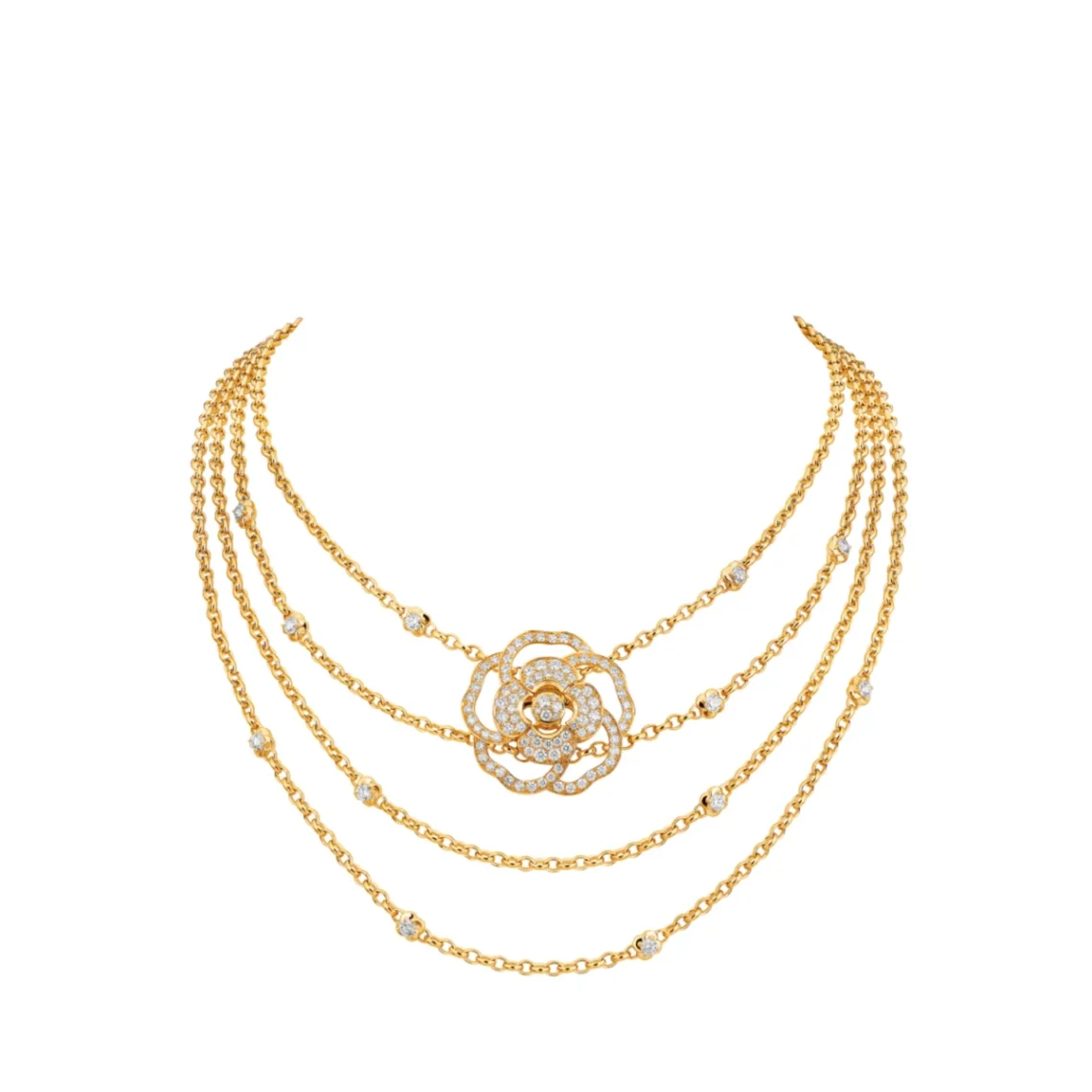
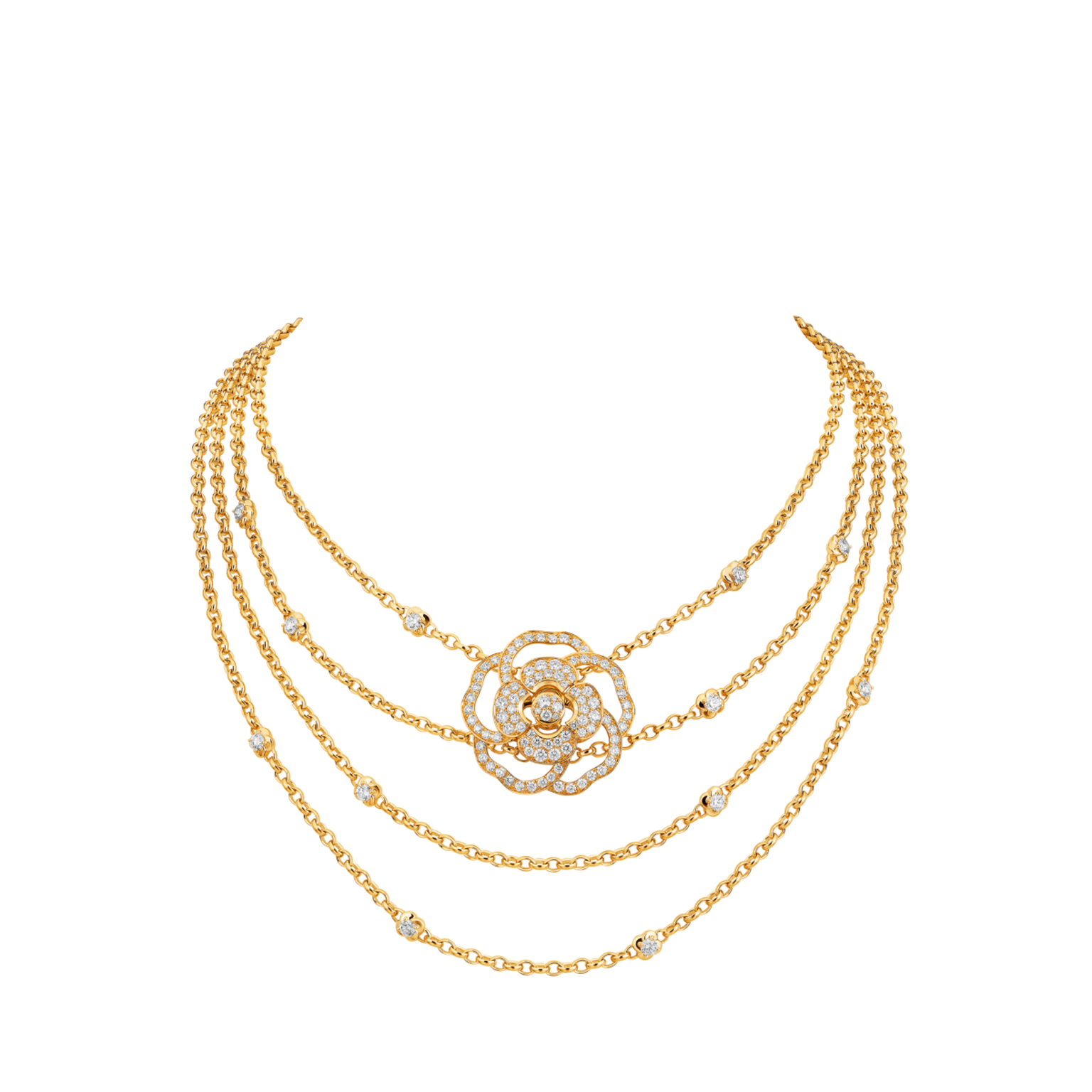
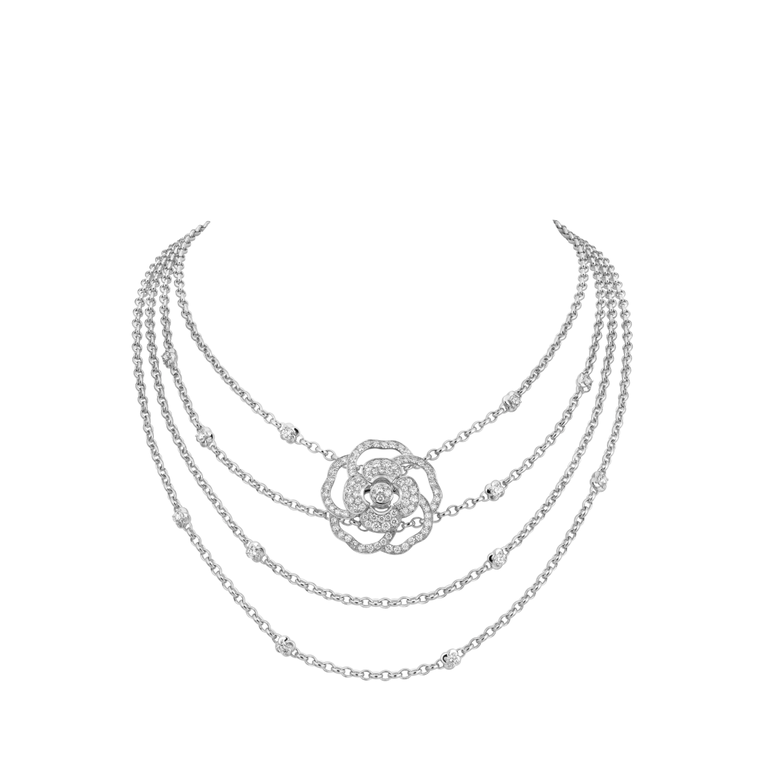
The Camélia Bloom plastron necklace stands as the centerpiece of the collection. It utilizes a four-tier gold chain construction, creating a dramatic, cascading effect that draws the eye toward a central, diamond-paved camellia. By utilizing both white and yellow gold, Chanel emphasizes the flower’s versatility, proving that even a delicate organic form can command the presence of high-jewelry hardware.
2. Bouton de Camélia: Femininity in Rose Gold
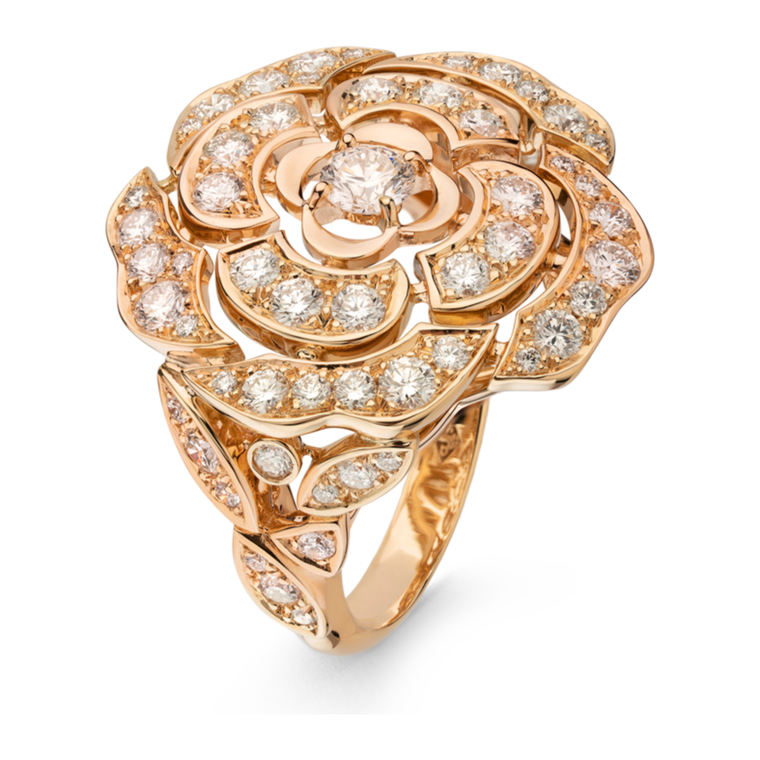
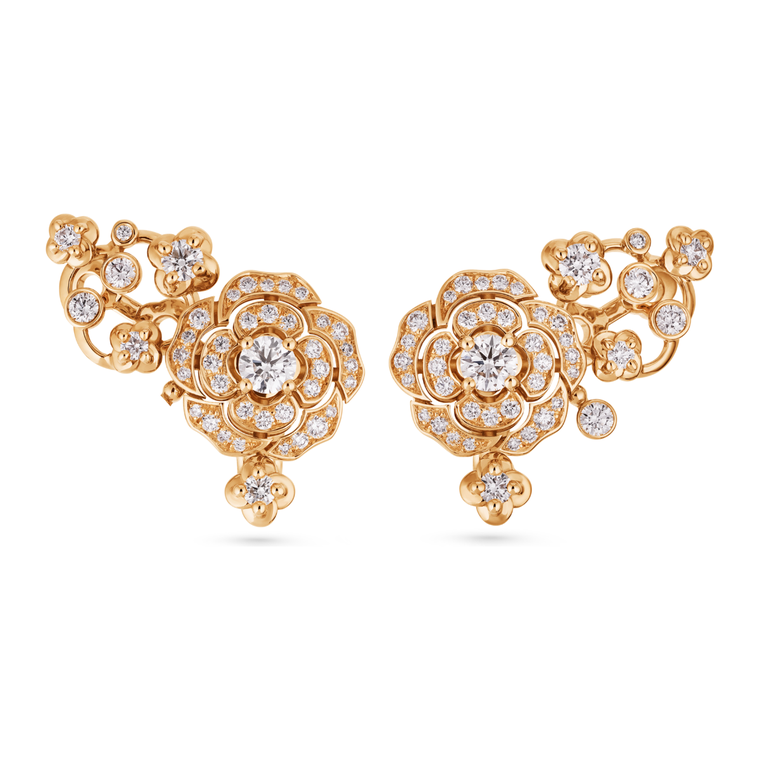
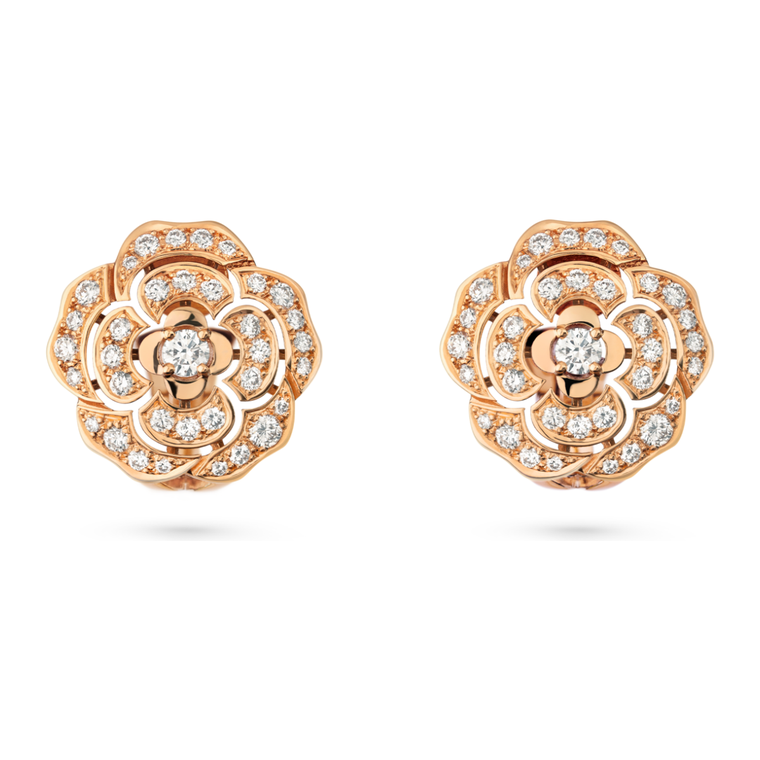
This range focuses on the "button" or the heart of the flower. By employing 18-carat rose gold and intricate diamond pavé, these pieces—which include chokers, crawling earrings, and rings—capture the soft, rounded silhouette of the petals. It is a more intimate expression of the motif, designed for the modern woman who values subtlety alongside luxury.
3. Extrait de Camélia: The Daily Essential
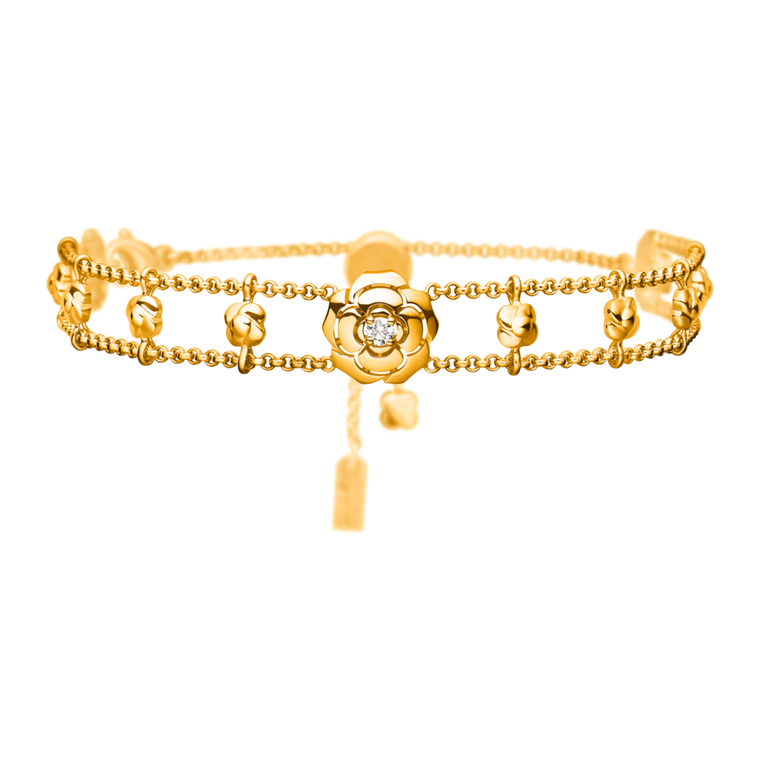
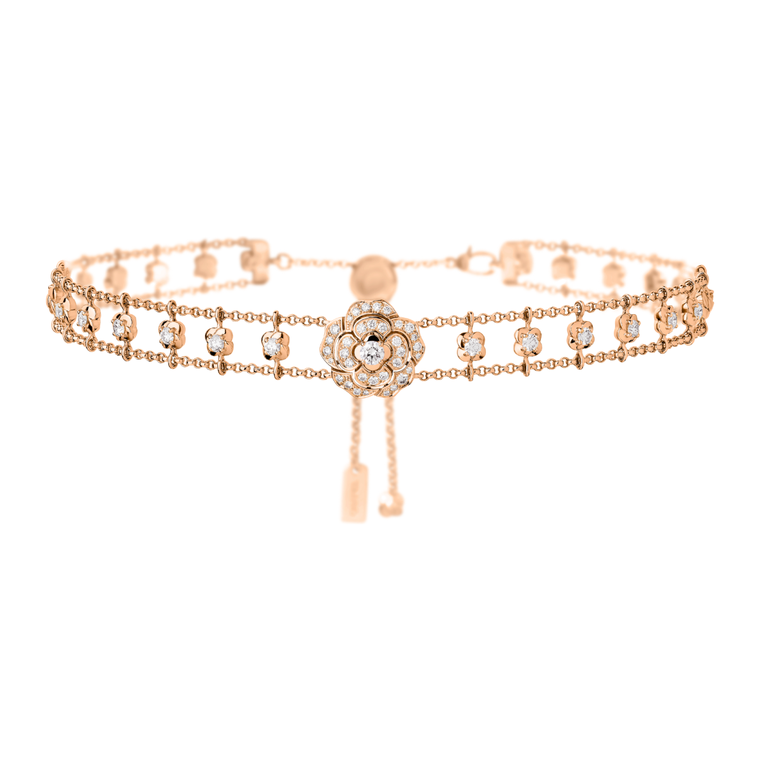
The Extrait line is designed for longevity and wearability. These dainty bracelets, featuring a solitary diamond-set bloom, are intended to be layered. This aligns with contemporary styling trends where the consumer seeks "everyday luxury"—pieces that are precious enough for an evening gala but understated enough for a coffee meeting.
Official Perspectives: The Philosophy of Design
According to the design team at the Chanel Fine Jewelry workshop, the challenge of rendering a camellia in gold and stone lies in the geometry. "The beauty of the camellia is its perfect, almost mathematical symmetry," a representative noted during the launch. "Our goal is not to mimic nature perfectly, but to capture the spirit of the camellia—its purity, its silence, and its strength."
The decision to return to the camellia as a primary focus in 2026 reflects a broader trend within the maison: a return to foundational icons. By stripping away excess, the house highlights the craftsmanship required to shape gold into the soft, overlapping petals that define the flower. It is a dialogue between the past and the future, ensuring that the legacy of Gabrielle Chanel remains vibrant and relevant to a new generation of luxury collectors.
The Implications: Why Symbols Matter in Luxury
The enduring appeal of the camellia is a study in brand storytelling. In a market saturated with ephemeral trends, the camellia offers stability. It is a "heritage code" that instantly communicates the history and values of the house without the need for a logo.
The Psychological Connection
For the consumer, wearing a piece of the Camélia collection is an act of participation in a century-old narrative. It connects the wearer to the resilience and wit of Gabrielle Chanel herself. When a brand successfully imbues an object with a backstory—as Chanel has done with the camellia—it ceases to be a commodity and becomes an heirloom.
Economic and Market Sustainability
From a market perspective, the focus on these core icons is a sound strategic move. By consistently refreshing the Camélia collection, the maison maintains a product line that is both "collectible" and "timeless." It mitigates the risk of changing tastes; while silhouettes in clothing may shift, the symbolic power of the camellia remains constant.
Furthermore, the integration of the flower into fine jewelry serves to elevate the status of the motif. While a silk camellia is a fashion accessory, a diamond-set camellia is an investment. This crossover, from the accessible (shoes, makeup) to the aspirational (high jewelry), is what sustains the "Chanel effect," keeping the brand at the pinnacle of the luxury hierarchy.
Conclusion: A Legacy That Blooms Anew
As we look toward the future of the house, the camellia remains the ultimate litmus test for Chanel’s design ethos. It is a flower that thrives in the tension between simplicity and sophistication. Whether rendered in soft rose gold or brilliant-cut diamonds, the camellia serves as a reminder that true luxury is not about the loudest statement, but the most meaningful one.
Gabrielle Chanel once said, "Fashion fades, only style remains the same." By anchoring its jewelry identity to the camellia, Chanel has ensured that its style remains not only constant but perpetually fresh. The Camélia collection is more than a display of precious stones; it is a celebration of a woman who saw the world in symbols and, in doing so, created a language of elegance that will endure for generations to come.