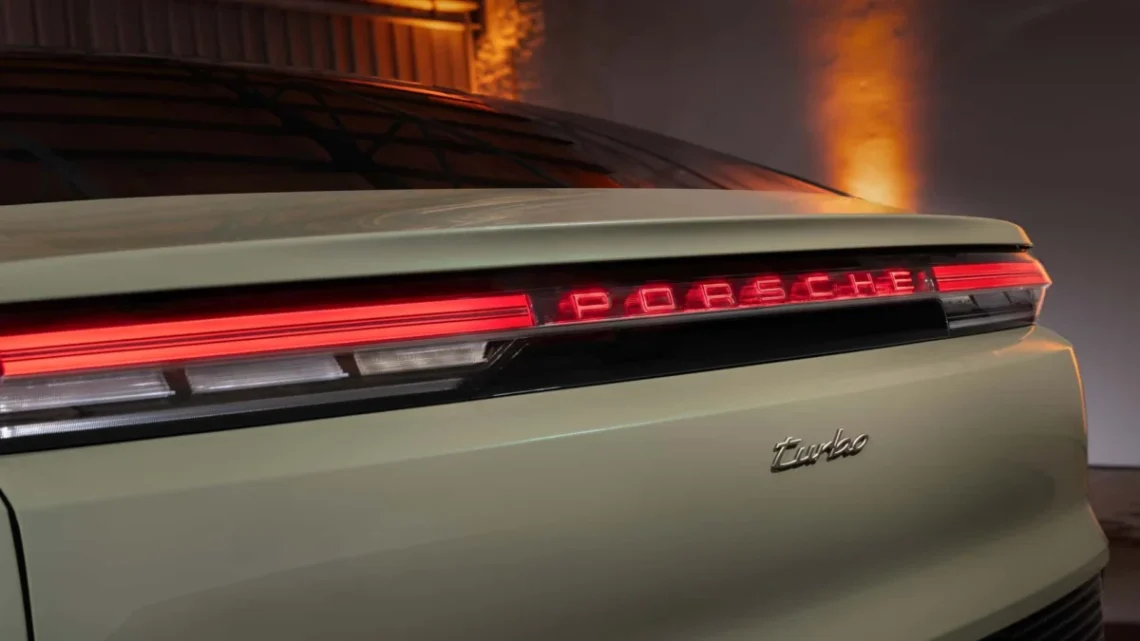
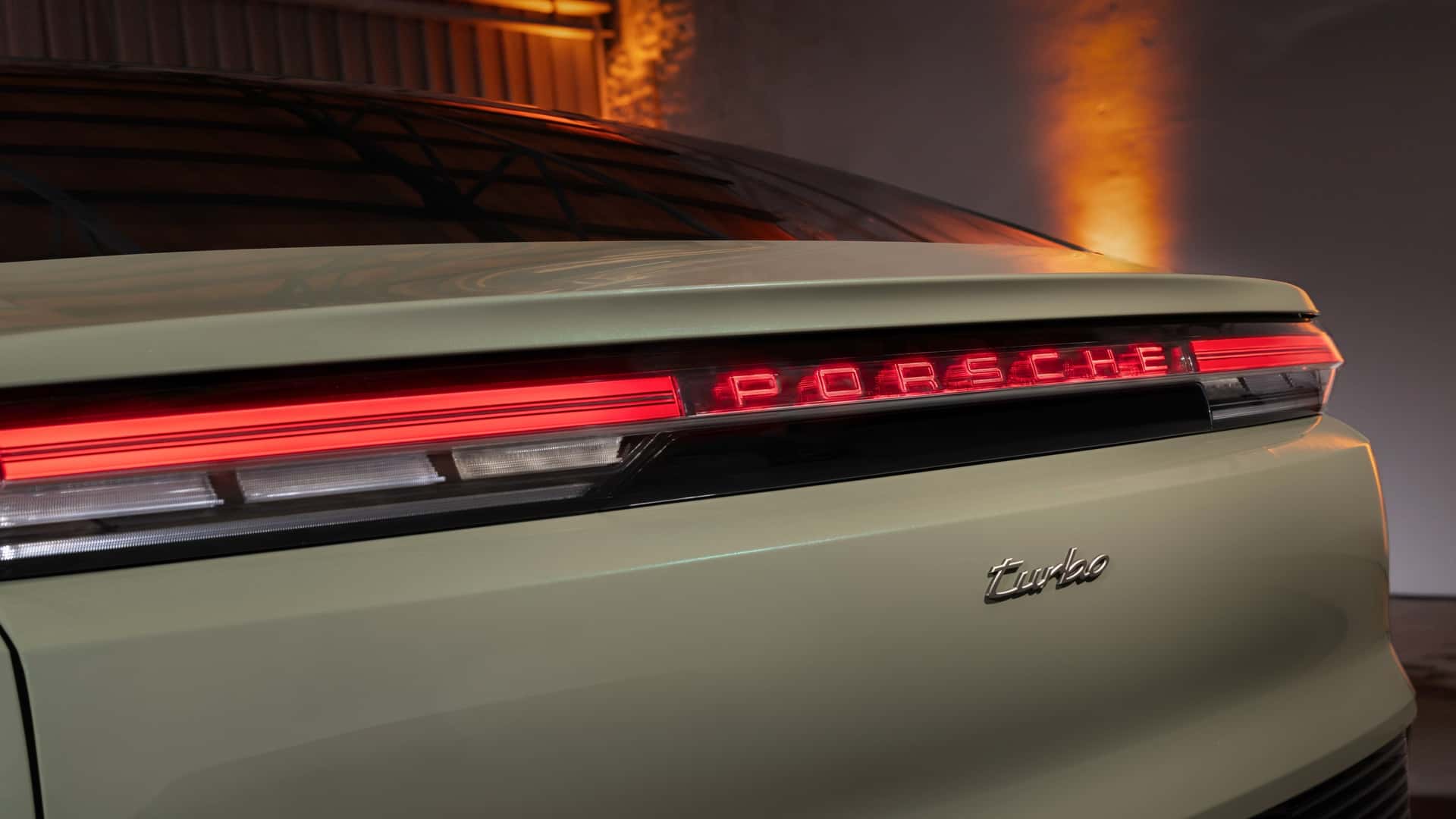
In the high-stakes chess match of global automotive strategy, Volkswagen Group stablemates are playing entirely different games. Just days after Audi made headlines with a massive $4 billion commitment to construct a state-of-the-art manufacturing facility in Georgia, Porsche drew a hard line in the sand, opting out of any American production plans.
While the broader automotive industry scrambles to localize production in the face of shifting trade policies and mounting import tariffs, Porsche’s leadership has made a calculated decision: keeping its iconic sports cars and luxury SUVs—including the powerhouse Cayenne—strictly European-built.
This stark divergence highlights the vastly different economic realities of high-volume mass-market luxury versus ultra-exclusive low-volume performance engineering. As import duties squeeze profit margins across the board, the strategy chosen by Porsche CFO Jochen Breckner signals that localization is not a universal cure-all.
Main Facts: The Core of the Transatlantic Divide
The foundational conflict centers on production scale, supply chain dependency, and US import tariffs.
- The Tariff Reality: Current United States import duties levy a stiff 15 percent tax on most European-built passenger vehicles, compounding the longstanding 2.5 percent base rate.
- Porsche’s Stance: Porsche has openly stated it will not follow Audi’s lead into American manufacturing. The brand’s entire US lineup will remain imported from Europe.
- The Scale Problem: Porsche’s production volumes are simply too low to justify the astronomical capital expenditure required to spin up a dedicated American assembly line.
- The Supply Chain Anchor: Even if final assembly were moved to US soil, Porsche would still rely heavily on specialized European component manufacturers for engines and proprietary parts, defeating the cost-saving purpose of localization.
- Financial Impact: Porsche anticipates that the 15 percent tariff regime will cost the company hundreds of millions of euros in 2026, building on roughly €500 million in tariff-related expenses incurred during the first nine months of 2025 alone.
Chronology of Events: How the Strategy Unfolded
The decision by Porsche not to localize does not happen in a vacuum; it is the culmination of years of regulatory pressure, changing market conditions, and corporate realignment within the Volkswagen Group.
Years of Dialogue (2022–2024)
For years, Volkswagen Group executives held quiet, protracted negotiations with Washington policymakers and regional US economic development teams. As trade relations fluctuated across different administrations, the German automotive giant weighed the long-term viability of shipping vehicles across the Atlantic against the immense cost of establishing localized footprint factories.
The Audi Breakthrough (Late 2025 / Early 2026)
While discussions stalled for low-volume brands, high-volume brand Audi pressed forward. Years of courtship between state leaders in Georgia and Audi executives culminated in the official announcement of a massive $4 billion investment. The planned Middle Georgia Megasite plant was designed specifically to alleviate the staggering billion-euro annual tariff hits Audi was absorbing from European and Mexican imports.
Porsche’s Financial Reality Check (Q3 2026)
Shortly after Audi’s massive US commitment made global headlines, Porsche’s Chief Financial Officer, Jochen Breckner, offered a public reality check regarding Porsche’s books. During financial disclosures, Breckner detailed the company’s third-quarter performance—featuring an operating profit of €387 million (a welcome rebound from a €967 million loss the previous year)—while simultaneously confirming that Porsche would absorb ongoing US tariffs rather than build stateside.
Supporting Data: The Numbers Behind the Decisions
To understand why Porsche and Audi have chosen opposing paths, one must look closely at the financial and logistical data driving their boardroom decisions.
Volume is King: Audi’s Megasite
Audi’s business model relies on moving metal in high quantities. The upcoming Georgia facility is engineered with scale in mind:
- Target Output: 200,000 high-volume SUVs annually at full operational capacity.
- Job Creation: Approximately 4,500 direct jobs once the plant ramps up to full production, slated around 2031.
- Mitigation Goal: The facility is specifically designed to slash Audi’s estimated €1 billion annual tariff exposure.
Low-Volume Exclusivity: Porsche’s Calculus
Porsche operates in a fundamentally different tier of the automotive ecosystem.
- Global Deliveries: In the first nine months of 2026, Porsche’s total global deliveries dropped 16 percent to 178,532 units.
- The Cayenne Paradox: Even though the Cayenne is one of Porsche’s globally best-selling nameplates, its total production figures are dwarfed by Audi’s volume drivers. Spreading these limited production runs across separate continents would incur redundant tooling and operational overhead that far outweighs tariff penalties.
- Quarterly Revenue: Porsche’s total quarterly revenue slipped 7.5 percent to €8 billion, largely dragged down by sustained market contraction in China.
Rather than chasing unpredictable policy relief in Washington—with Breckner noting that Porsche builds its business model on the assumption that the 15 percent tariff will remain firmly in place—the company is focusing capital on product development. This includes leaning into a new combustion compact SUV scheduled for 2028 as the next-generation successor to the current gas-powered Macan.
Official Responses and Executive Insights
Corporate transparency from Volkswagen Group executives sheds light on the internal calculations guiding these two iconic brands.
Jochen Breckner was remarkably blunt when addressing financial analysts and reporters regarding the possibility of establishing American manufacturing plants for Porsche:
"We would still have engines and other parts that we would need to export into the United States."
Breckner elaborated that Porsche’s intricate, specialized European supplier network cannot simply be replicated overseas for niche performance vehicles. To attempt to do so would fracture the supply chain and dilute the artisanal precision that defines Porsche sports cars.
On the topic of trade policy, Breckner made it clear that Porsche’s leadership team is done holding out hope for geopolitical compromises:
"We are basing our business model on the assumption that the 15 percent tariffs [will] remain in place."
Conversely, Audi executives have championed their Georgia project as an essential long-term hedge. By anchoring production of high-demand SUVs directly inside their primary consumer market, Audi aims to insulate its bottom line from the unpredictable crosswinds of international trade disputes and trans-oceanic logistics costs.
Implications: What This Means for Consumers and the Market
The strategic divergence between Audi and Porsche carries profound implications for the luxury automotive market, pricing structures, and future vehicle availability in North America.
1. Premium Pricing Will Persist for Porsche Buyers
Because Porsche intends to absorb the ongoing 15 percent tariff burden rather than localize production, those costs will inevitably find their way into vehicle pricing. American consumers looking to purchase a new 911, Panamera, or Cayenne should expect Porsche to maintain or increase premium pricing tiers to help offset these institutional import taxes. For Porsche buyers, the cachet of "Made in Germany" remains non-negotiable, and customers are historically willing to pay a premium to preserve that heritage.
2. Supply Chain Resilience vs. Local Agility
Audi’s massive gamble in Georgia demonstrates a traditional industrial approach: get closer to the customer base to hedge against protectionist trade policies. However, mega-factories require immense upfront capital and carry long timelines—as evidenced by Audi’s projected 2031 ramp-up. Porsche’s refusal to follow suit highlights an alternative philosophy: maintain operational agility in Europe, accept the tariff tax as a cost of doing business, and avoid the massive fixed costs of a foreign industrial footprint.
3. The Electric and Combustion Balance
Both brands are navigating a complex transition era. While Audi is betting big on high-volume localized production to streamline its electrification and SUV output, Porsche is carefully recalibrating its portfolio. By prioritizing upcoming combustion and hybrid models—such as the 2028 Macan successor—alongside its selective EV strategy, Porsche is doubling down on what its factories do best: building low-volume, high-margin driver’s cars.
Ultimately, the choice made by Porsche underscores a timeless business truth: what works for a mainstream luxury juggernaut does not necessarily suit an exclusive performance marque. While Audi builds fences against tariffs with concrete and steel in Georgia, Porsche is content to let its ships cross the Atlantic, proving that some badges are simply too precious to move.