If there is one thing that rivals the thrill of planning a meticulously mapped itinerary, it is the curation of the travel gear that accompanies the journey. For the modern jet-setter, the experience of travel is no longer just about the destination; it is about the aesthetic and functional narrative created by one’s luggage. From the gold-standard carry-on that glides effortlessly through terminal concourses to the reliable tote that houses a traveler’s most precious electronics, our gear tells a story. And lately, that story has been punctuated by a vibrant, whimsical, and highly personal exclamation point: the bag charm.
The bag charm has officially transitioned from a niche fashion statement to a ubiquitous fixture of the airport ensemble. It is an accessory that offers a delightful, low-stakes way to inject personality into the utilitarian world of transit, and, perhaps most importantly, it has emerged as the definitive stocking stuffer for the traveler in your life.
A Brief History of the Bag Charm: From Jane Birkin to the Modern Runway
While the current fervor for bag charms feels like a sudden social media phenomenon, the practice of adorning one’s personal effects with keepsakes is rooted in deep fashion history. The most iconic precursor to today’s trend is the inimitable Jane Birkin. The late, legendary actress famously personalized her namesake Hermès Birkin bag by adding a collection of personal mementos, stickers, and trinkets. This act transformed a status symbol into an intimate, one-of-a-kind object, effectively democratizing the concept of high-fashion personalization.
The luxury industry took note of this desire for individual expression. In 2005, Hermès launched the "Rodeo" charm—a leather horse silhouette that became an instant collector’s item and a subtle signal of brand loyalty. By 2013, the pendulum swung toward the avant-garde when Fendi introduced its furry "Monster" charms. These colorful, expressive, and slightly irreverent creations dominated the street-style circuit, proving that luxury consumers were hungry for items that didn’t take themselves too seriously.
The trend has reached a fever pitch in 2024. Following prominent appearances on the runways of Miu Miu and Balenciaga, where designers leaned into the "lived-in" and eclectic aesthetic, the bag charm has migrated from the front row to the baggage claim. It is a stylistic nod to the idea that our luggage—much like our outfits—should be a reflection of our personal style, not just a storage vessel.
Why Travelers Are Embracing the "Extra" Accessory
The appeal of the bag charm in a travel context is twofold: it is both a practical identifier and a deeply personal keepsake.
The Practicality of Personalization
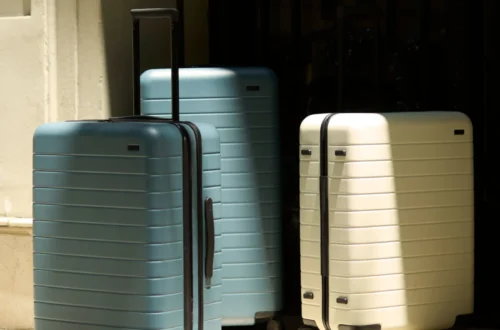
Anyone who has spent time navigating a bustling international airport knows the anxiety of the baggage carousel. In a sea of black polycarbonate suitcases and navy canvas weekender bags, identifying one’s own luggage can be a frantic exercise in squinting at luggage tags. A bold, oversized, or uniquely colored bag charm serves as an instant visual beacon. It simplifies the retrieval process and reduces the likelihood of a fellow traveler mistakenly grabbing your bag.
The Keepsake Evolution
Beyond utility, there is the emotional weight of travel. We are habitual collectors; we bring home street market finds from Marrakesh, ceramic knickknacks from coastal Italian towns, and silk ribbons from Parisian boutiques. Historically, these items end up on a shelf or in a drawer, slowly gathering dust.
By clipping these souvenirs onto a travel tote or suitcase, they are granted a second life. They become permanent residents of our travel gear, accompanying us on subsequent adventures. A charm given by a friend or a trinket picked up at a favorite destination acts as a constant, tangible reminder of a cherished memory. It is a piece of home that travels with you, serving as a silent companion during long-haul flights and train rides.

The Taxonomy of Modern Charms
The current market for bag charms is vast, catering to every aesthetic preference and travel style. Broadly, these accessories can be categorized into four distinct types:
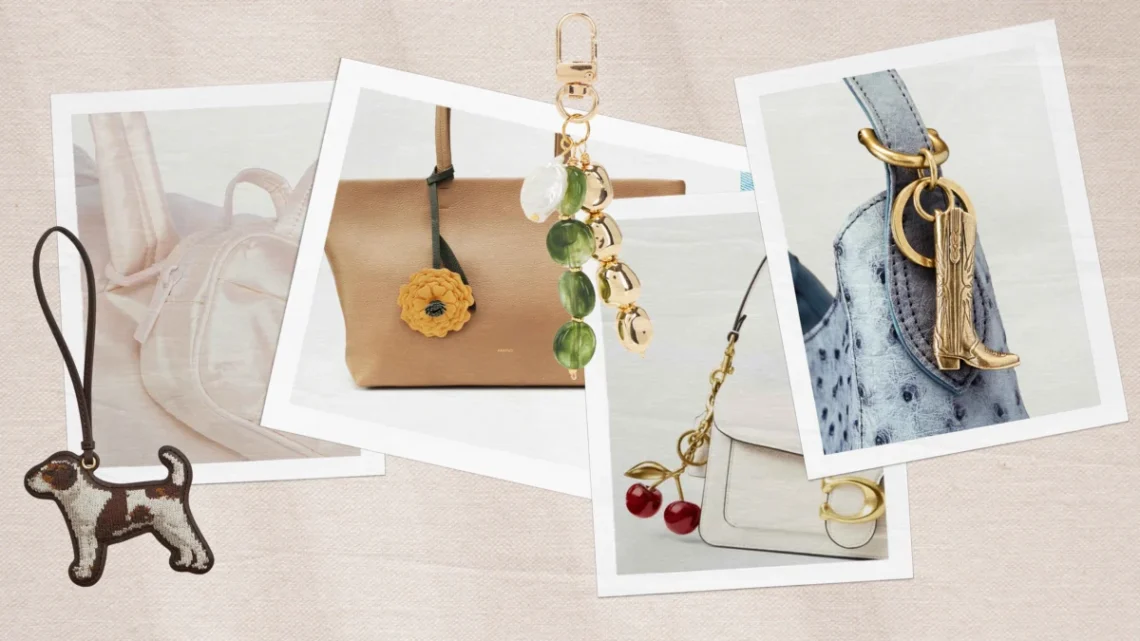
- The Whimsical Character: These are the conversation starters—plush figures, glittery resin shapes (like the viral Coach cherry charm), or stylized animals. They are designed to bring a pop of color to neutral-toned luggage.
- The Practical Utility: Some charms go beyond aesthetics. We are seeing a rise in "functional charms," such as mini pouches that house lip balm, earbuds, or a few coins. These are perfect for keeping small, easily lost essentials within reach.
- The Minimalist Statement: For those who prefer a more understated look, leather-bound charms, subtle gold-tone hardware, or elegant beads (like those offered by Casa Clara) provide texture without overwhelming the bag’s design.
- The Vintage Assemblage: Many travelers are now opting to layer multiple charms. By mixing textures—pairing a soft pom-pom with a sleek leather tag and a vintage brass key—travelers can create a "layered" look that mimics the curated chaos of a well-traveled life.
Implications for the Travel Industry
The rise of the bag charm is part of a broader shift in travel culture toward "accessible luxury" and personal storytelling. As travelers become more discerning, they are moving away from the "uniform" look of high-end, brand-heavy luggage. Instead, they are prioritizing customization.
This trend has significant implications for retail. Brands are increasingly releasing accessories that are modular, allowing customers to build their own kits. This strategy encourages repeat purchases; a customer who buys a base suitcase today may return in six months for a new seasonal charm to refresh their look. Furthermore, it allows travelers to experiment with trends at a lower price point. A designer handbag is a significant investment, but a designer bag charm is an accessible way to participate in a brand’s ecosystem.
How to Curate Your Own Collection
If you are looking to integrate this trend into your own travel kit, consider the following approach:
- Balance the Scale: If your bag is already busy with zippers and pockets, stick to one or two well-placed charms. If you are sporting a minimalist, solid-color carry-on, you have more creative license to layer.
- Consider Durability: Travel is rough on accessories. Ensure your charms are securely attached with high-quality lobster clasps or heavy-duty rings. Avoid delicate items that might snag on overhead bins or carousel mechanisms.
- Tell a Story: The most effective charms are those that feel authentic to the user. A charm that has a history—perhaps one purchased in a city you visited on a solo trip—carries more aesthetic weight than a mass-produced item.
The Future of the Trend
As we look toward the upcoming travel seasons, the bag charm is showing no signs of fading. If anything, the "charms-as-jewelry" aesthetic is expected to expand, with more focus on personalized initials, birthstones, and even tech-integrated charms that might eventually feature GPS tracking.
Ultimately, the bag charm represents a pushback against the clinical, sterile nature of modern air travel. It is a small, rebellious act of joy. While airlines may continue to enforce strict weight limits and standardize boarding processes, the way we dress our luggage remains firmly in our own control.
So, this holiday season, as you finalize your gift list, consider bypassing the traditional compression socks or generic luggage tags. Instead, look for a charm that reflects the personality of the traveler in your life. Whether it is a glittery resin fruit or a sophisticated leather clip, you aren’t just giving them an accessory—you are giving them a piece of flair that will ensure they stand out, both in the terminal and in their memories of the trip to come.
In a world of lookalike suitcases, the humble bag charm is a reminder that travel is, at its core, a personal experience. It is about the small, thoughtful details that make the journey feel like an extension of ourselves. And that, truly, is the best souvenir of all.