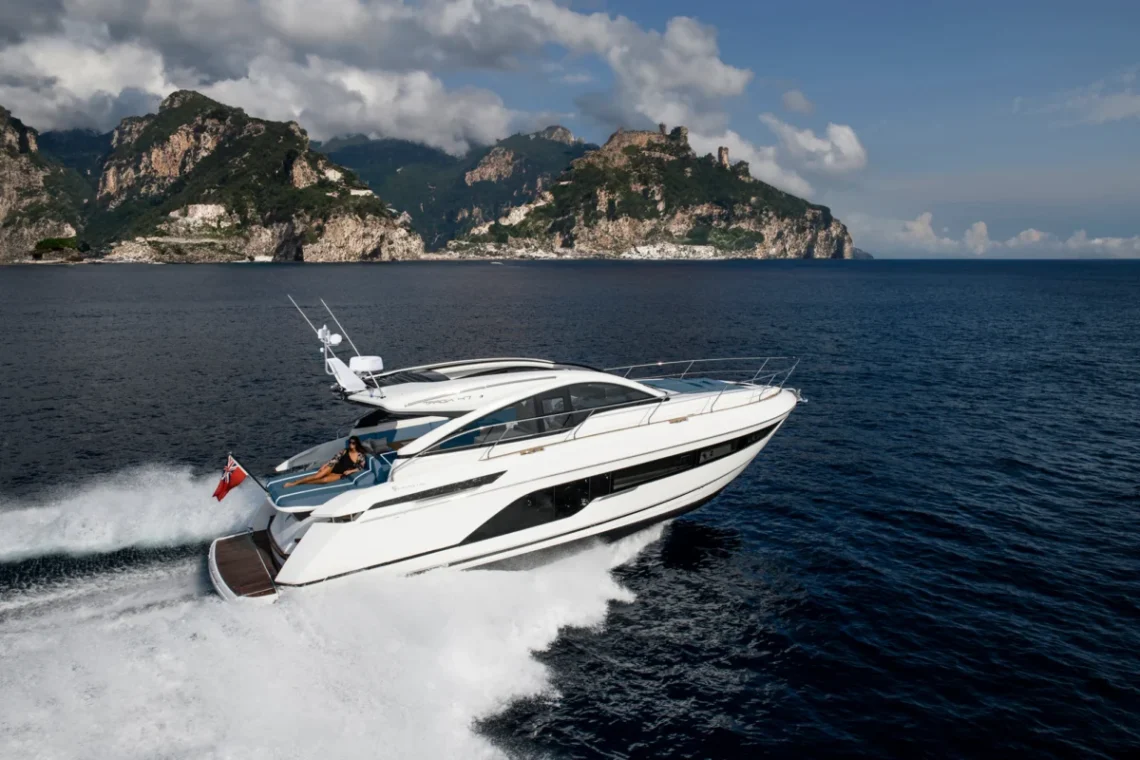
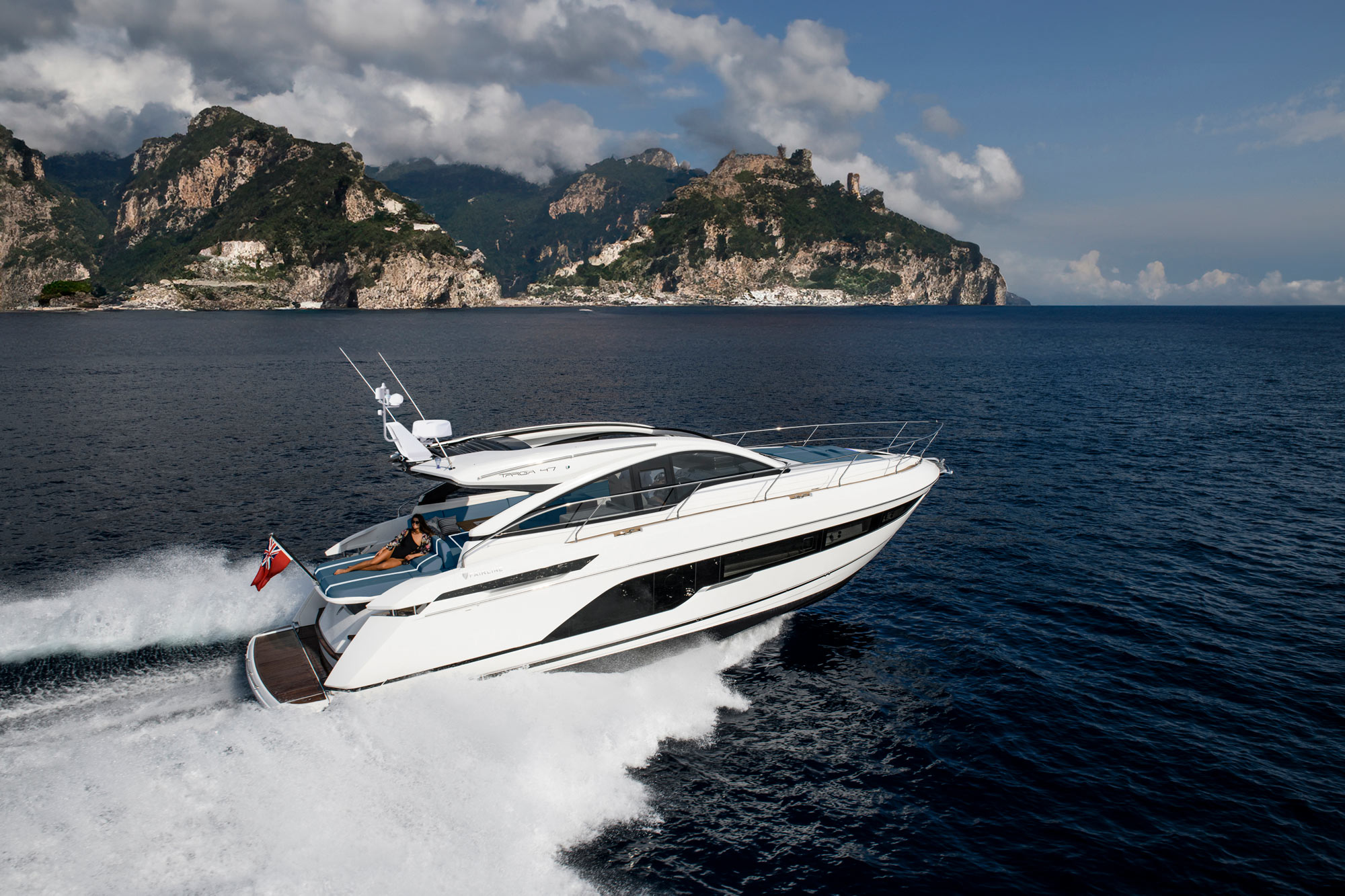
The British marine industry is synonymous with heritage, craftsmanship, and a relentless pursuit of performance. At the center of this narrative for over half a century has been Fairline Yachts. After navigating a period of significant corporate turbulence, the Oundle-based boatbuilder is signaling a definitive return to form. With a streamlined, leaner operational model and a renewed focus on in-house design, the company has unveiled the Targa 47—a vessel that serves as both a refined evolution of a bestseller and a manifesto for the brand’s future.
A Legacy Refined: The Main Facts
The Fairline Targa 47 is not merely a new model; it is a strategic repositioning of the company’s core identity. Available in both "Open" and "GT" configurations, the 47 represents the latest iteration of a lineage that traces its DNA back through the Targa 45 and the iconic Targa 43.
Under the creative stewardship of Christian Gott and his in-house design team, the Targa 47 takes the foundational naval architecture envisioned by renowned designer Alberto Mancini—whose influence remains evident in the yacht’s aggressive, sleek profile—and elevates it with modern engineering. Powered by twin Volvo Penta IPS650 pods, the vessel achieves a comfortable 25-knot cruise, with a top speed flirting with the 32-knot mark. It is a boat designed for the owner-operator who demands the responsiveness of a sports cruiser without sacrificing the luxury of a long-range motoryacht.
From Boom to Rebirth: A Corporate Chronology
To understand the significance of the Targa 47, one must acknowledge the path Fairline has traveled. Founded in the 1960s, the brand grew into a powerhouse of the British marine sector. At its zenith, the shipyard was a titan of industry, employing 1,300 personnel, generating annual sales in the neighborhood of $240 million, and maintaining a production output of nearly 300 boats per year.
However, the global economic shifts of the early 21st century hit the luxury marine market hard, forcing Fairline to confront the realities of over-expansion. Today, the company operates with a more surgical focus. With a workforce of approximately 250 highly skilled craftspeople, the yard has moved away from mass production toward a strategy of boutique efficiency. By restructuring with a "clean balance sheet," the current management team has set a sustainable production goal of three boats per month. This shift is designed to prioritize quality control and bespoke customization over sheer volume, ensuring that each vessel leaving the Oundle facility meets the exacting standards of the modern yachting connoisseur.
Engineering Excellence: Supporting Data and Performance
The Targa 47’s performance is anchored in its propulsion system. The pairing of the Volvo Penta D6-480 diesel engines with IPS650 pods is a masterclass in modern marine engineering. During sea trials in the Balearic Isles, the vessel demonstrated a predictable, composed ride.
Key Performance Metrics:
- Cruising Speed: 25 knots.
- Top Speed: 32 knots (nominal).
- Range: Approximately 220 nautical miles at cruise.
- Propulsion: Twin Volvo Penta IPS650 pods with electronic steering.
- Maneuverability: Integrated Assisted Docking and Dynamic Positioning.
The inclusion of Volvo’s "Assisted Docking" technology is perhaps the most significant functional upgrade. It effectively democratizes the docking experience, allowing even novice captains to maneuver a 47-foot vessel into tight berths with the precision of a professional. When coupled with the "Joystick Driving" mode, the boat’s 18-degree pod arc allows for remarkably tight, athletic turns that belie its size. Furthermore, while the test unit performed admirably without a gyrostabilizer, the availability of optional Seakeeper systems ensures that owners can customize their vessel for the specific sea states of their home cruising grounds.
The Design Evolution: Official Perspectives
The interior of the Targa 47 reveals the brand’s commitment to modern ergonomics. Christian Gott’s team has made subtle, high-impact changes to the internal volume. By angling the aft bulkhead in the full-beam master stateroom, the designers have increased floor space and significantly improved accessibility to storage—a common pain point in previous iterations.
"The goal was to marry the soul of the Mancini-designed hull with the functionality required by today’s owners," a spokesperson for the design team noted. This is evident in the choice of joinery, where grain-matched walnut veneers create a high-contrast, luxurious atmosphere, balanced by light-oak soles. The forward guest stateroom also benefits from this design philosophy, offering a standard fixed double berth or an optional scissor-twin configuration, adding a layer of versatility essential for the charter or family-use market.
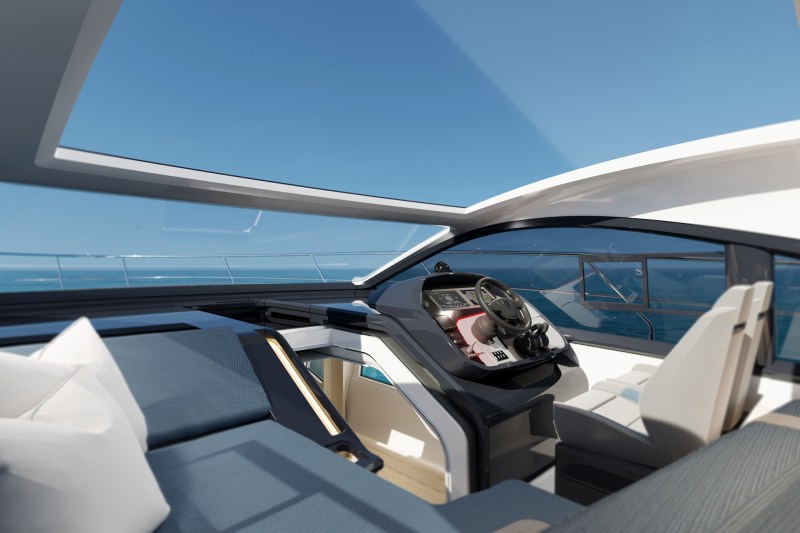
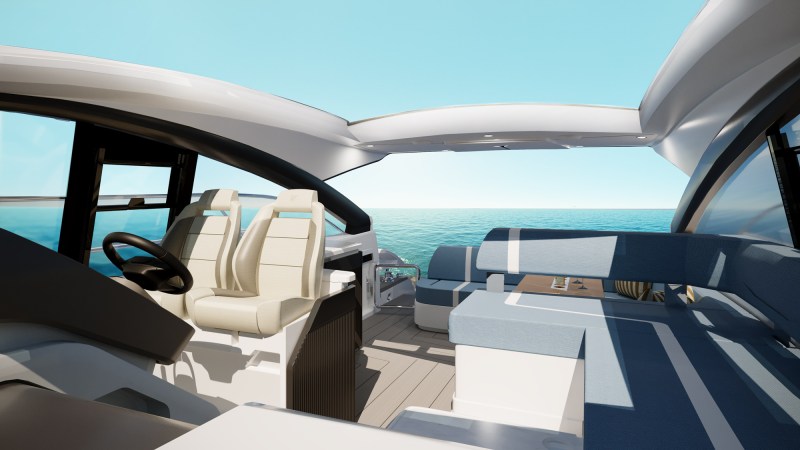
Above deck, the cockpit remains a social hub. The hydraulic swim platform—a necessity in the modern market—leads to an aft garage capable of housing a Williams TurboJet 285 tender. The helm console has been refined to be more driver-centric, featuring an electrically adjustable seat and a dashboard that can accommodate either a single or dual Garmin multifunction display, depending on the owner’s preference for data density.
Implications for the Market
The launch of the Targa 47 carries significant weight for the broader yachting industry. It confirms that the "new" Fairline is not merely surviving but is actively innovating. By iterating on a proven, high-pedigree hull rather than attempting a radical, untested departure, the company is playing to its strengths while integrating modern technology to stay competitive with continental rivals.
The market’s reception of the Targa 47 is already being felt. With the debut of the GT version at the Palm Beach International Boat Show, Fairline has signaled that it is aggressively targeting the North American market, where the brand’s heritage holds substantial prestige.
The Roadmap Ahead:
The Targa 47 is only the beginning of a broader product revitalization strategy:
- Cannes Yachting Festival (September): The world premiere of the Targa 58 GTO, a vessel based on the established Squadron 58 platform.
- The Following Year: Anticipation is already building for the launch of an all-new Squadron 52, which will serve as the flagship for a renewed medium-range lineup.
- Future Expansion: The company has confirmed that the 52-foot platform will also see "Open" and "GT" variants, mirroring the success of the 47-foot strategy.
Conclusion
The Fairline Targa 47 is a clear, confident statement of intent. It proves that a storied brand can successfully transition from the challenges of its past to the requirements of the future. By maintaining the elegant lines drawn by Alberto Mancini and layering them with the precision of Volvo’s latest pod technology and thoughtful, in-house ergonomic refinements, Fairline has created a vessel that honors its history while addressing the needs of a new generation of owners.
For the prospective buyer, the Targa 47 offers more than just a 25-knot cruiser; it offers a seat at the table of a re-energized British icon. If the craftsmanship and performance of this 47-footer are any indication, the future of Fairline Yachts is not just bright—it is full throttle.