In the modern horological landscape, innovation is often synonymous with the future—new alloys, silicon escapements, and avant-garde case geometries. Yet, the most resonant heartbeat of the luxury watch industry continues to be found in the archives. For many of the world’s most prestigious manufactures, looking backward is not a sign of stagnation but a deliberate, highly researched strategy to connect with the emotional resonance of history.
This movement, known as "retro-revival" or "heritage re-edition" watchmaking, has evolved beyond simple aesthetic mimicry. It is no longer enough to merely replicate a font style or a handset; today’s collectors demand a synthesis of vintage soul and modern technical reliability. As we examine five recent standout releases—from the acoustic complexity of Angelus to the mid-century charm of Oris—it becomes clear that the magic of historical design is far from exhausted.
Main Facts: The New Wave of Heritage
The current trend in watchmaking favors "authentic evolution." Brands are increasingly opting for "restomod" approaches, where the outward appearance pays homage to a specific historical reference, while the interior is overhauled with modern movement architecture, improved chronometric precision, and materials that ensure longevity.
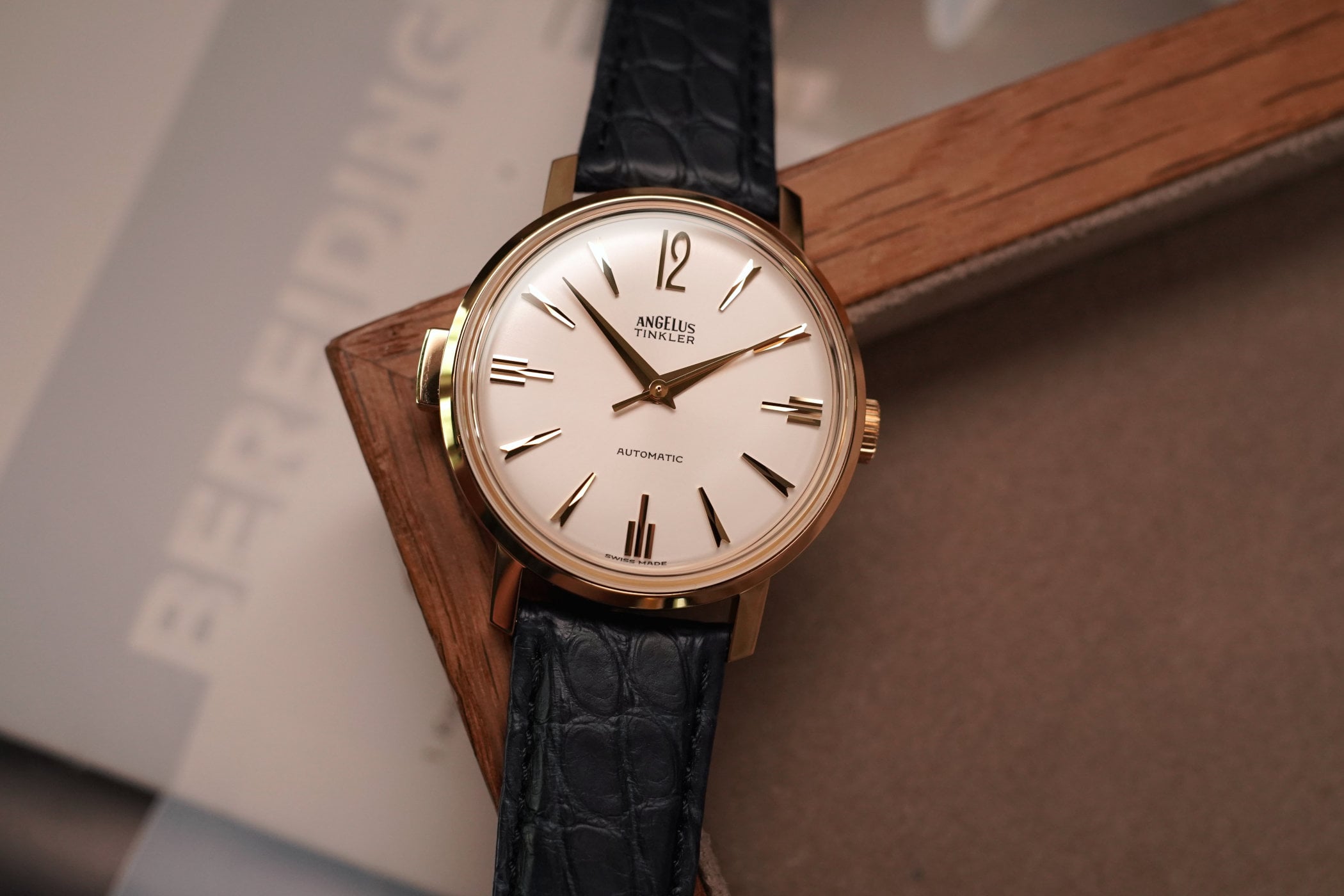
The five models highlighted here—the Angelus Tinkler 1958 Quarter Repeater, Zenith Chronomaster Revival A384 Tropical, Tudor Monarch, Cartier Privé Tortue Monopoussoir, and the Oris Star Edition—represent a diverse spectrum of this philosophy. From limited-edition high complications to accessible, everyday vintage-inspired staples, these timepieces demonstrate how different brands interpret the concept of "revival."
Chronology and Design Evolution
To understand why these specific watches matter, one must view them through the lens of their historical counterparts.
1. The Angelus Tinkler 1958: A Masterclass in Acoustic Precision
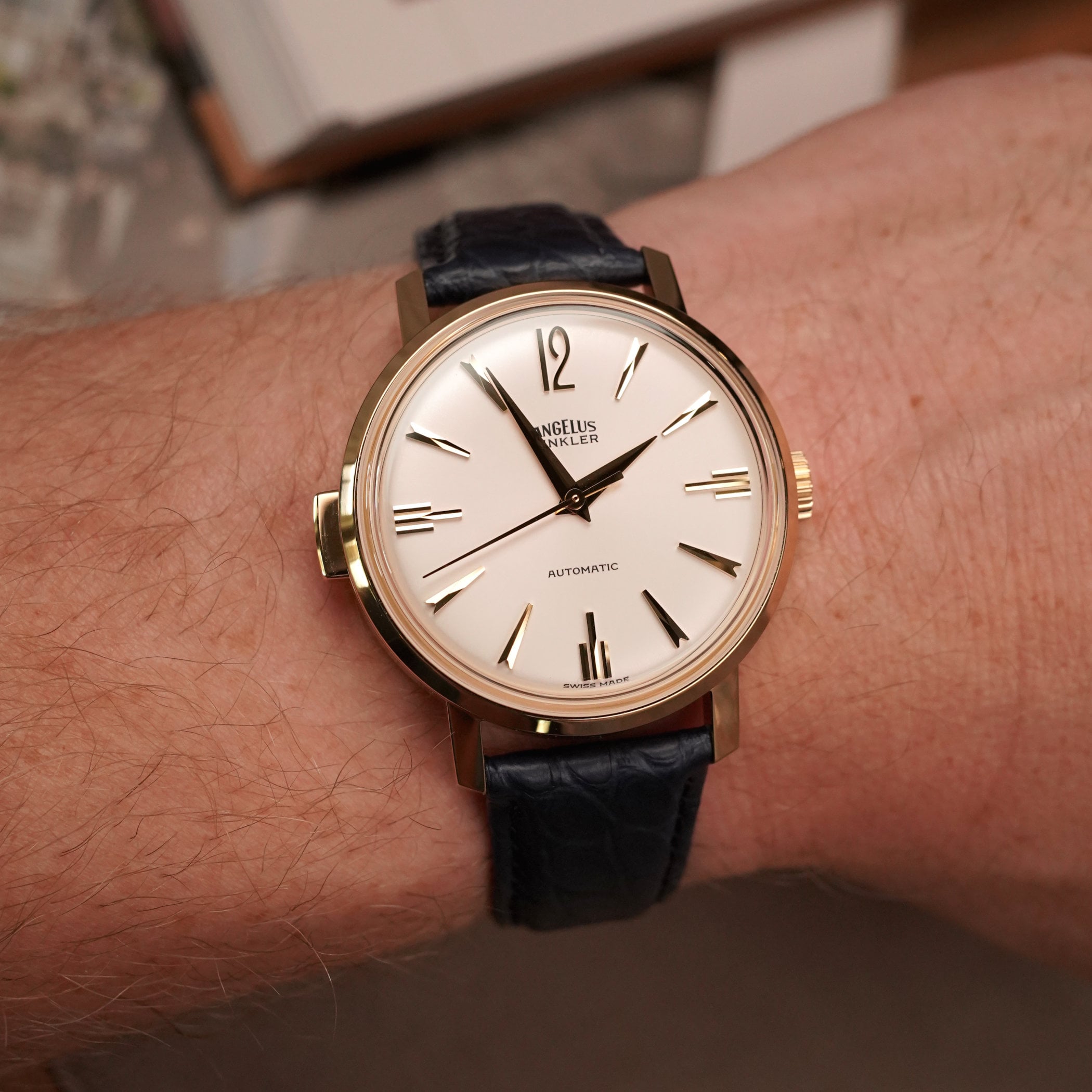
The Angelus Tinkler 1958 is a testament to the brand’s commitment to its mid-century roots. The original watch was a marvel of the era, and this revival maintains that identity with uncanny accuracy. Measuring 38mm by 12.03mm, it sits in a "sweet spot" for modern collectors who prefer understated elegance over the oversized trends of the early 2000s. The Calibre A600 is the engine that drives this quarter-repeater, a complication that remains one of the most difficult to execute. By releasing only 25 pieces in steel and 15 in yellow gold, Angelus has successfully positioned this as a collector’s trophy rather than a mass-market commodity.
2. Zenith Chronomaster Revival A384 Tropical: The Aging Process
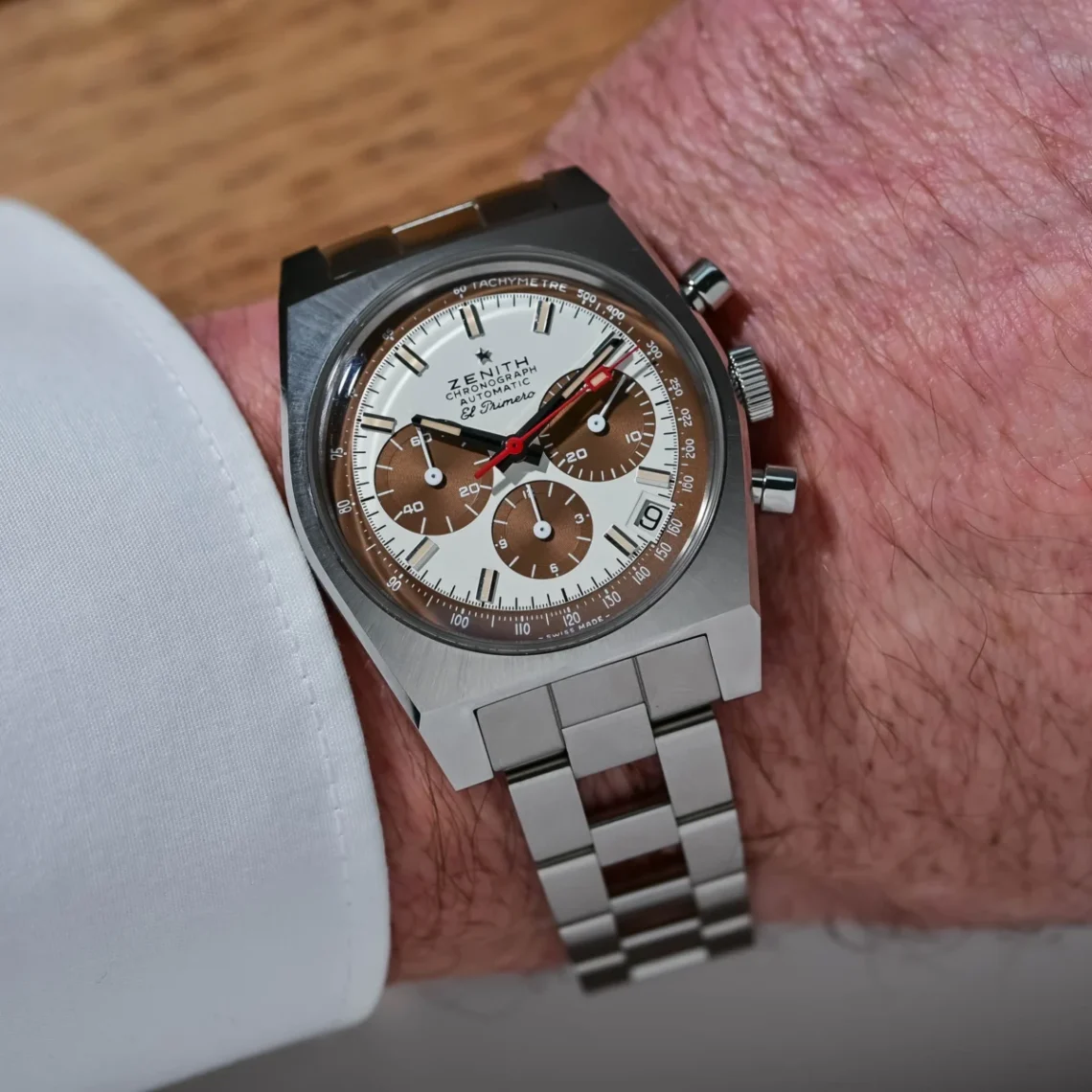
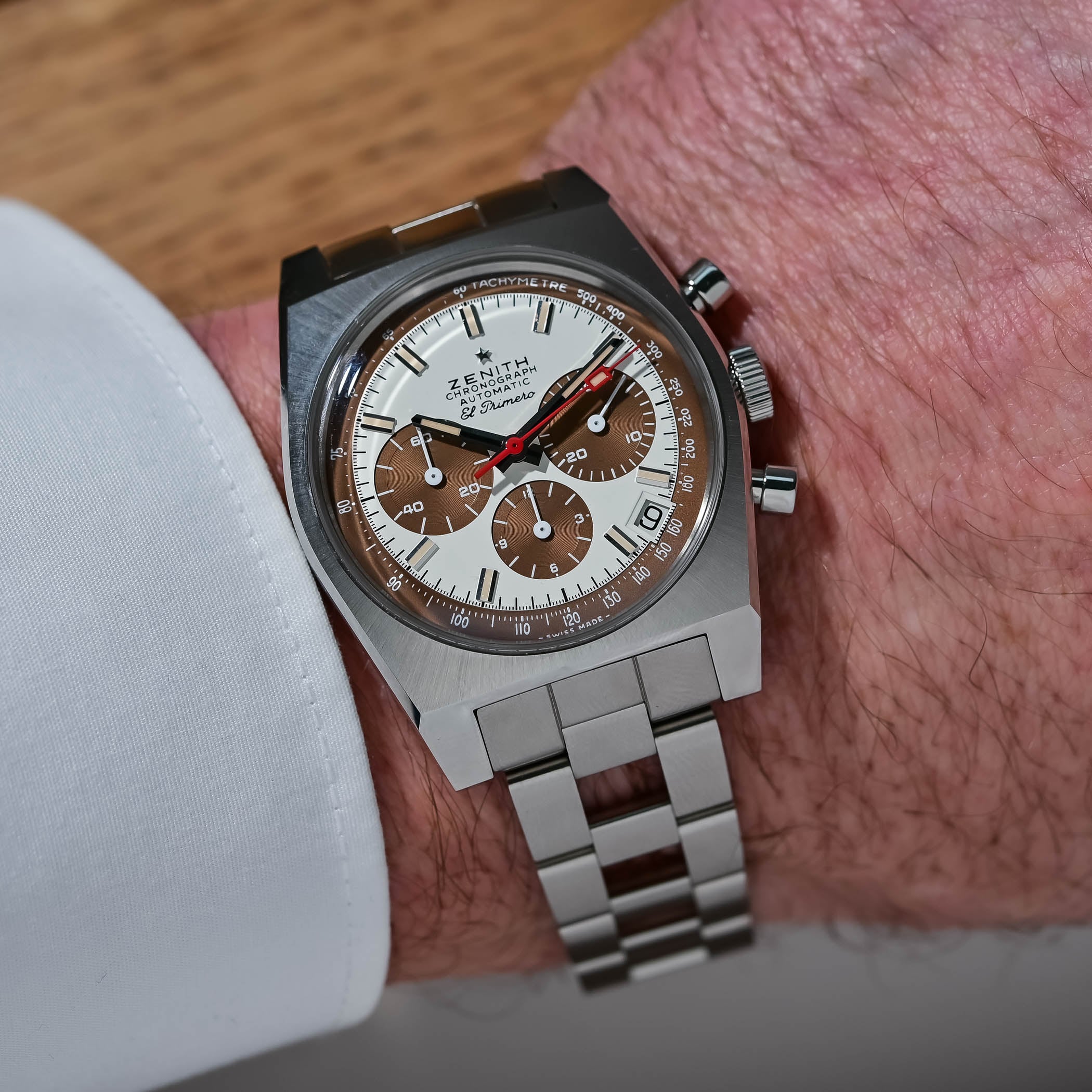
Zenith has mastered the art of the "Revival" series, and the A384 Tropical is arguably their most evocative entry yet. By introducing a "Chocolate Panda" dial, Zenith addresses the collector’s obsession with "tropical" dials—dials that have aged from black to brown due to sun exposure and chemical reactions over decades. Rather than waiting 50 years, the brand has engineered this aesthetic patina into a brand-new watch. Paired with the iconic Gay Frères ladder-style bracelet, it is a faithful recreation of the 1969 original, powered by the legendary high-frequency El Primero 400 movement.
3. Tudor Monarch: A Century of Design Language
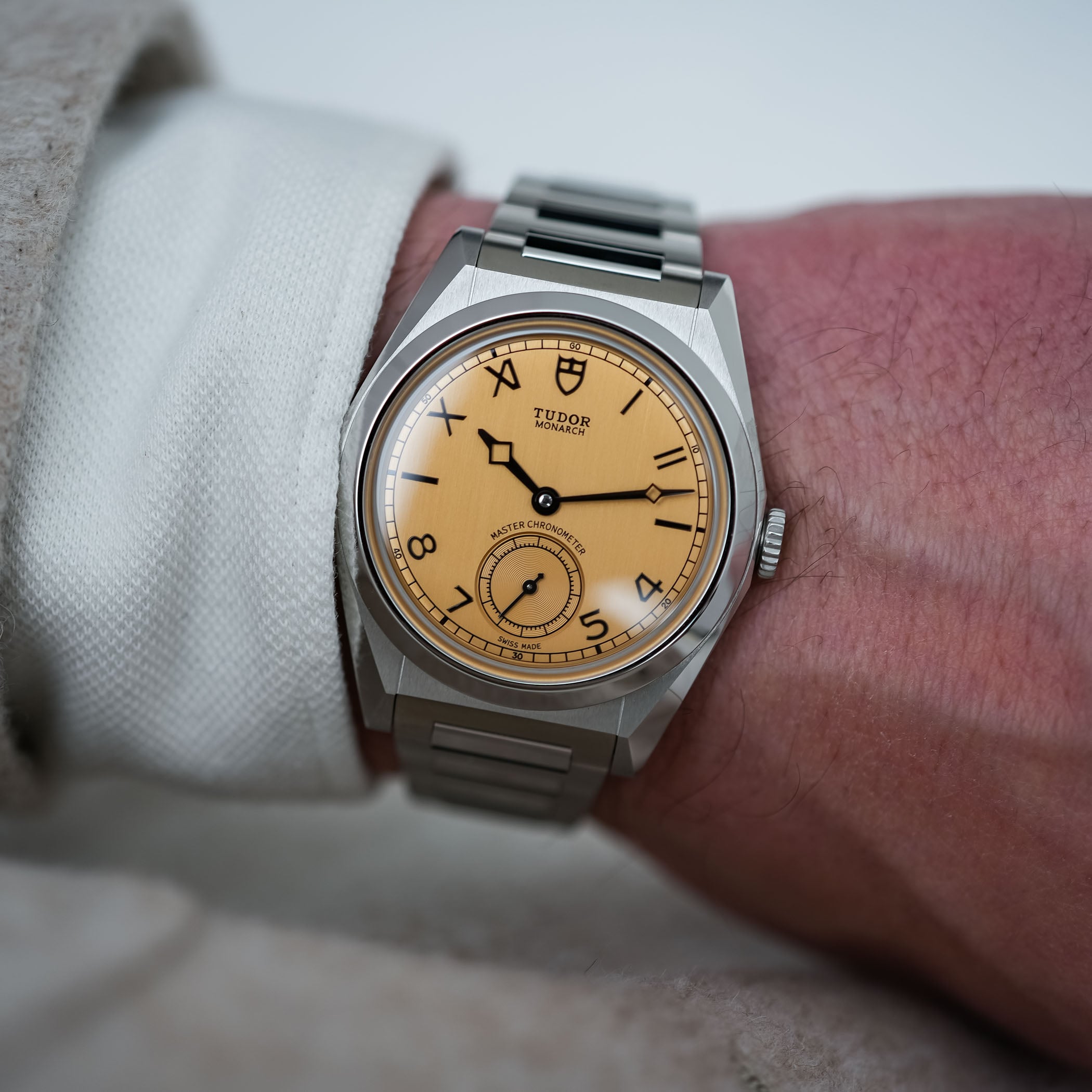
The Tudor Monarch is an anomaly in the current lineup. While many revivals are direct remakes, the Monarch is a thematic tribute to 100 years of the brand. It blends design cues from the early 20th century through the 1970s, resulting in a watch that feels familiar yet entirely new. Its "error-free" champagne dial, featuring both Arabic and Roman numerals, showcases a bold, experimental side of Tudor that leans into its heritage without being shackled by a single reference number.
4. Cartier Privé Tortue Monopoussoir: The Iconoclast
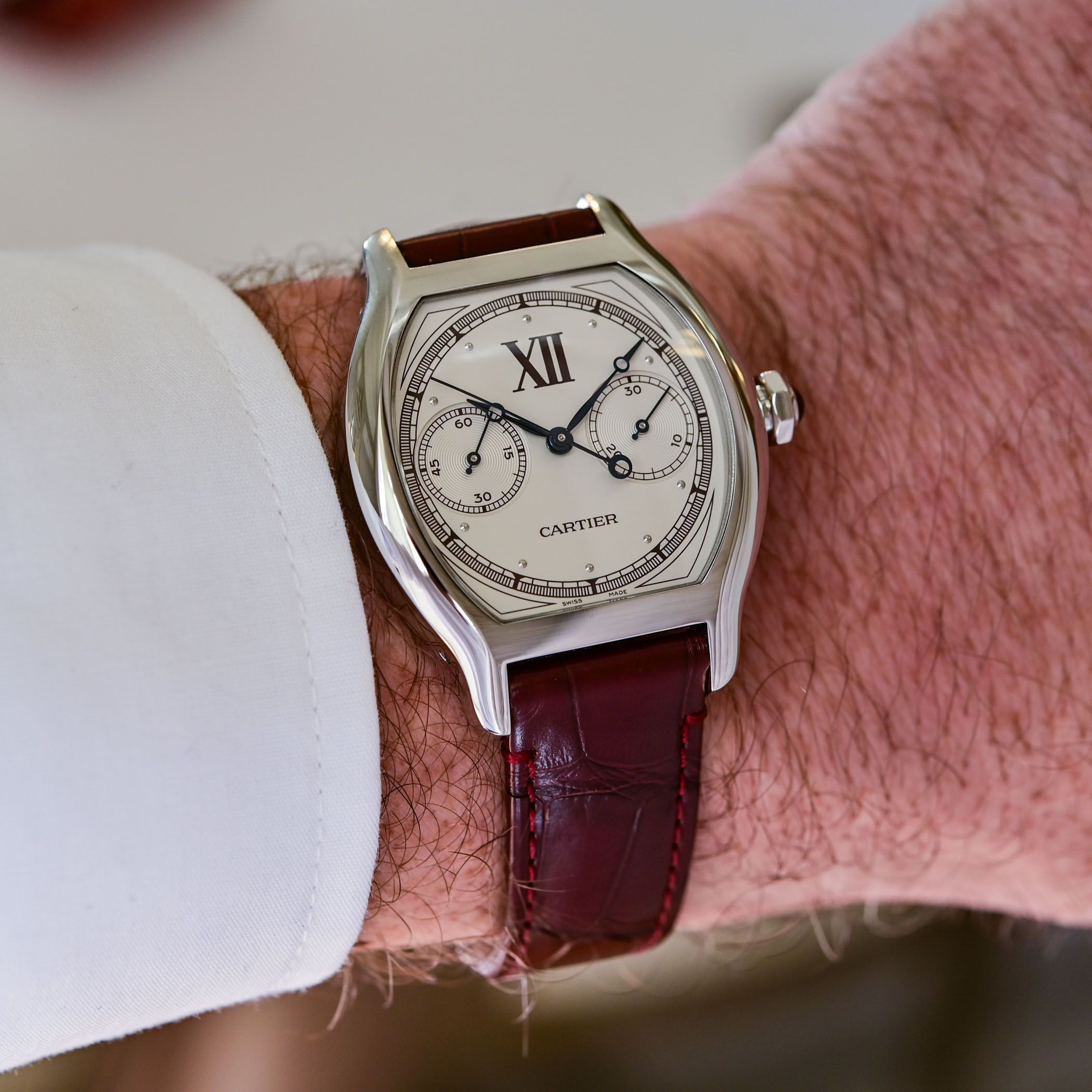
Cartier’s approach is one of preservation. The Tortue, first appearing in 1912, is a cornerstone of the brand’s shape-based design philosophy. By reviving the CPCP (Collection Privée Cartier Paris) XII-style dial, the brand is tapping into the high-water mark of its late-90s era. The use of the Calibre 1928 MC, a manual-wind monopusher chronograph, underscores the brand’s dedication to "la forme" (the shape) and mechanical refinement.
5. Oris Star Edition: The Beauty of Simplicity
At the other end of the price spectrum, the Oris Star Edition proves that retro-revival does not require a six-figure price tag. Based on the 1966 original, the 35mm case and plexiglas crystal offer an authentic tactile experience. It is a no-frills, honest interpretation of 1960s tool watch design, powered by the reliable Sellita-based Calibre 733.
Supporting Data: Technical Specifications
| Model | Case Material | Diameter | Movement | Price (approx.) |
|---|---|---|---|---|
| Angelus Tinkler | Steel/Gold | 38mm | Cal. A600 | CHF 37,900+ |
| Zenith A384 | Steel | 37mm | El Primero 400 | EUR 9,600 |
| Tudor Monarch | Steel | 39mm | MT5662.U2 | EUR 5,400 |
| Cartier Tortue | Platinum | 34.8×43.7mm | Cal. 1928 MC | TBC |
| Oris Star | Steel | 35mm | Cal. 733 | EUR 1,800 |
Official Responses and Strategic Implications
The strategy behind these releases is twofold: risk mitigation and brand storytelling. In a volatile global market, "proven" designs are safer bets than radical, unproven concepts. However, there is a deeper layer to this, as noted by industry analysts.
The Brand Narrative
When a brand like Tudor or Cartier digs into its archives, it is reinforcing its authority. These watches act as "halo" products that elevate the brand’s perceived value across its entire catalog. For Zenith, the "Tropical" A384 is a way to engage with the vintage market directly, essentially saying to collectors, "We understand why you love these watches, and we can provide the experience without the risks of vintage ownership."
Consumer Psychology
The rise of the "revival" watch is a response to the digital age. As the world becomes increasingly virtual and intangible, consumers are gravitating toward objects that possess a tangible history. These watches offer a bridge to a time when mechanical engineering was the pinnacle of human achievement. By wearing these pieces, collectors feel a sense of continuity with the past.
Implications for the Future of Watchmaking
The success of these five models signals a shift in consumer expectations. We are moving away from the era of "bigger is better" and toward an era of "better is better." The focus has shifted from raw specs (like water resistance or power reserve, though those remain important) to the emotional quotient of the watch.
Will the "Revival" Trend Last?
Critics argue that there is a finite amount of history to mine. Eventually, brands will run out of "iconic" designs to re-issue. However, the current crop of releases suggests that the industry is moving toward a more nuanced interpretation of heritage. The Tudor Monarch, for instance, shows that brands can synthesize history into something that is "new-vintage." This allows for endless creativity rather than just constant re-issuing.
The Challenge of Authenticity
The primary challenge for brands moving forward is to avoid "heritage fatigue." If every release is a re-edition, the brand loses its ability to innovate. The most successful brands in the coming decade will be those that strike the perfect balance—using their past to build the foundation for future innovations.
Conclusion
The revival of these classic designs is more than a fleeting fashion trend; it is a fundamental pillar of modern horology. Whether it is the acoustic charm of the Angelus Tinkler, the warm, nostalgic tones of the Zenith A384, or the accessible charm of the Oris Star, these watches provide a sanctuary of craftsmanship in a fast-paced world.
For the collector, these timepieces offer the best of both worlds: the aesthetic soul of the mid-20th century and the reliability of 21st-century manufacturing. As we look at these five fantastic examples, it is evident that the "magic" of retro-revival watchmaking is not just alive—it is defining the future of the industry. By respecting the past, these brands are ensuring that the art of watchmaking remains relevant, desired, and deeply, undeniably human.