In the rapidly evolving landscape of automotive interior design, the dashboard has become the latest battleground between minimalist digital aesthetics and the ergonomic necessity of tactile feedback. For years, manufacturers have pursued a "glass-first" philosophy, consolidating climate, audio, and vehicle settings into expansive, high-resolution touchscreens. However, as the industry reaches a saturation point for digital complexity, pushback from drivers has grown increasingly vocal.
Toyota, a global leader known for its pragmatic approach to engineering, is the latest automaker to signal a potential pivot. With the development of the sixth-generation RAV4, the company finds itself at a crossroads, weighing the sleek, button-less trends of the modern era against the practical demands of its massive, global consumer base.
The Digital Transition: A Design Philosophy in Flux
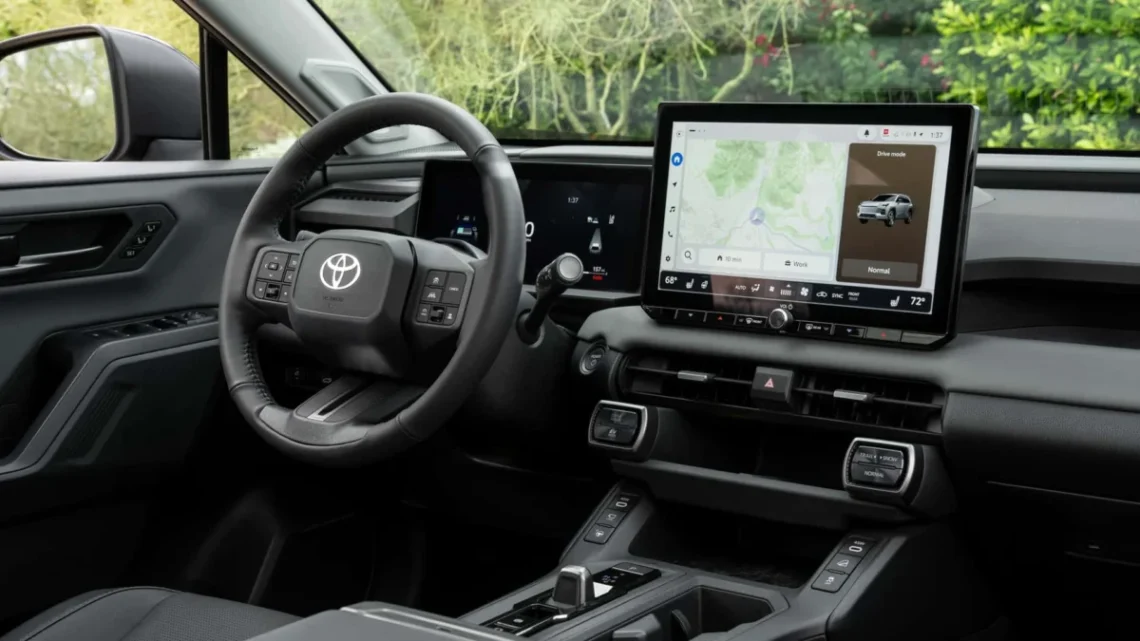
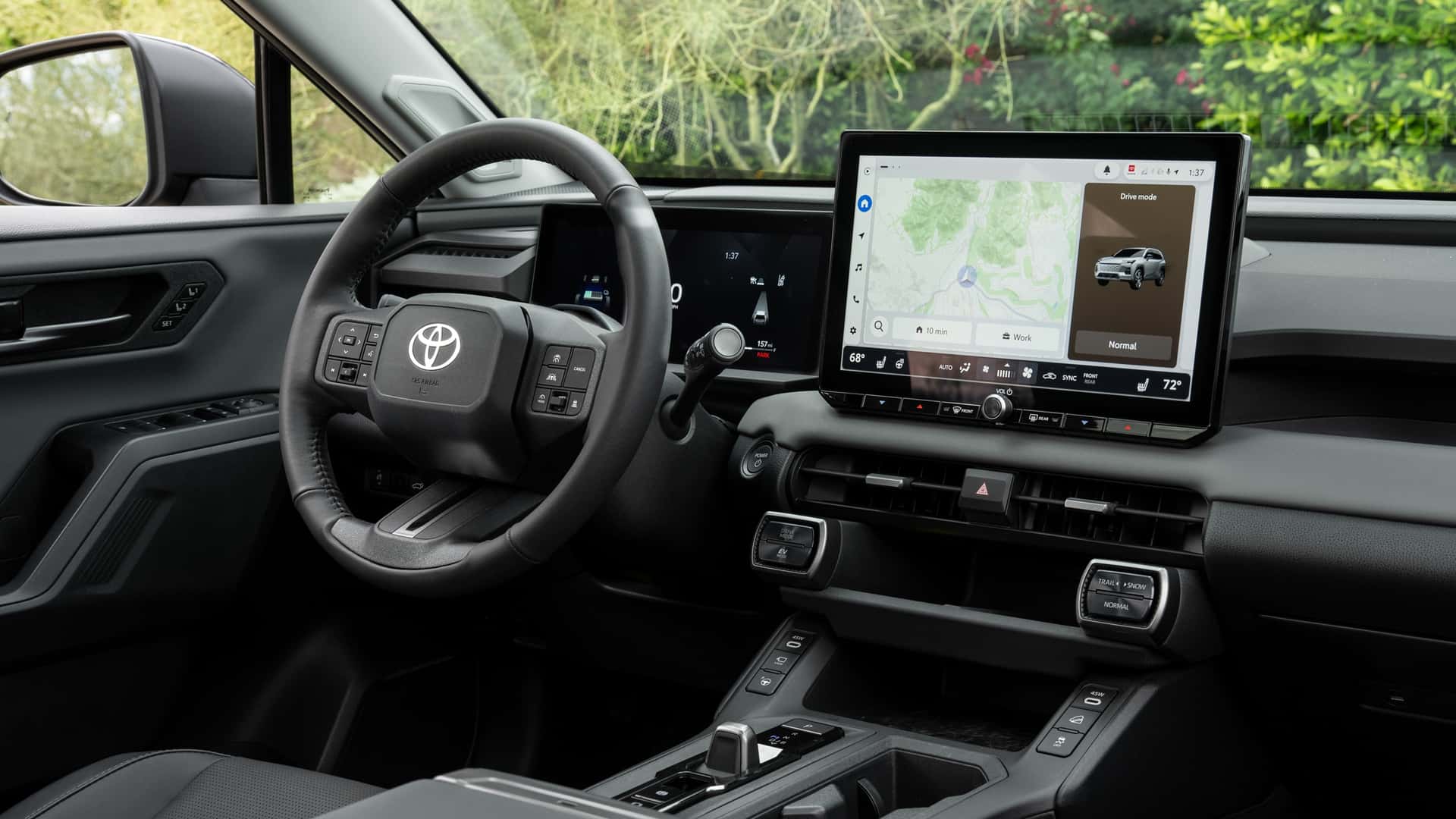
When Toyota’s design team began conceptualizing the sixth-generation RAV4, they faced the same industry-wide pressure that has influenced rivals like Tesla, Volkswagen, and Mazda: the quest for a clean, "futuristic" cabin. By migrating primary functions—such as fan speed and ventilation intensity—into the central infotainment stack, the designers aimed to reduce visual clutter and modernize the cabin’s footprint.
The result was a compromise: while the vehicle retained essential physical toggle switches for volume and temperature, the vast majority of secondary systems were relegated to the digital interface. According to project insiders, the internal process of determining which functions stayed physical and which migrated to the screen was a point of significant contention. The team reportedly endured "a lot of drama" while balancing aesthetic minimalism with user-friendly operation.
However, as the vehicle has reached the hands of consumers, that "open item"—whether or not to reinstate physical controls—has become a top priority for leadership.
An Admission from the Top: The "Open Item"
In a candid interview with Australia’s Drive, Yoshinori Futonagane, the chief engineer for the RAV4, offered a rare glimpse into the internal deliberations of one of the world’s largest automakers. Futonagane-san acknowledged that the design team is currently evaluating user feedback with a high degree of scrutiny.
When pressed on whether Toyota would consider backtracking on its digital-heavy design, his response was unequivocal. "If necessary, yes, we will," he stated.
This admission serves as a significant signal to the automotive industry. It suggests that Toyota’s commitment to the screen-centric model is not dogma, but rather a flexible strategy subject to the will of the marketplace. For the automaker, the "open item" is not merely a design choice; it is a calculation of brand loyalty and ease of use, both of which are central to the RAV4’s identity as a reliable, family-oriented utility vehicle.
The Global Pulse: Why Consumers Are Demanding Buttons
The resistance to all-digital cockpits is not a localized phenomenon; it is a global trend that has caught many legacy manufacturers off guard.
The Chinese Market Influence
Interestingly, the demand for physical switches has been particularly acute in the Chinese market. Futonagane-san noted that when Toyota attempted to integrate as many controls as possible into the infotainment systems for vehicles sold in China, the response was swift and negative. Consumers there, he explained, "didn’t want it. They wanted knobs and switches."
This feedback has forced a change in strategy for Toyota’s regional teams. The company has already begun re-introducing physical switches to vehicles offered in Asia, proving that the trend toward digitization is not a universal mandate.
The Volkswagen Experience
Toyota is not the first to learn this lesson the hard way. Volkswagen faced intense, multi-year backlash following the introduction of capacitive, slider-based controls in the ID.3 and the Mk8 Golf. Critics and customers alike complained that these "buttons" were difficult to operate while driving, prone to accidental touches, and confusing in low-light conditions. The backlash was so severe that Volkswagen’s leadership has since committed to returning to traditional steering wheel buttons and physical climate controls in future iterations, marking a massive strategic retreat for the German giant.
The Industry Divergence: A Clash of Ideologies
While Toyota and Volkswagen are reconsidering their stances, the automotive industry remains deeply divided on the matter of cabin ergonomics.
The "Screen-First" Adherents
Mazda has taken a path that stands in stark contrast to the emerging pro-button sentiment. Despite its reputation for being a "driver’s car," the brand’s recent move with the CX-5 (and other models) to eliminate nearly every physical button in favor of voice commands and steering-wheel-mounted controls represents a doubling-down on the minimalist aesthetic. Mazda argues that these systems reduce distraction by allowing the driver to keep their eyes on the road, though the jury remains out on whether this is truly more intuitive for the average owner.
The "Tactile" Advocates
Conversely, brands like Kia and Audi have taken a middle ground. Kia, in particular, has mastered the "hybrid" control panel—a digital display that can swap between media and climate controls at the touch of a single button. This allows for a clean look while maintaining the tactile precision that drivers crave. It is an approach that Toyota may well be eyeing as it refines the RAV4 for its next major refresh.
Implications for Future Design
The debate over physical buttons is about more than just personal preference; it is about safety, manufacturing costs, and the longevity of the vehicle.
- Safety and Ergonomics: The primary argument for physical buttons is "blind operation." A driver can reach for a physical volume knob without taking their eyes off the road. A touchscreen, which requires visual confirmation to ensure the finger has hit the "button," inherently demands more cognitive load and visual attention.
- Cost and Complexity: For automakers, the move to touchscreens was initially touted as a way to simplify manufacturing—replacing dozens of unique parts with a single screen and software package. However, the costs associated with software development, user interface (UI) optimization, and the potential for expensive system-wide repairs may be outweighing the savings of removing physical switches.
- Brand Identity: For a brand like Toyota, which is built on a reputation for "set-it-and-forget-it" reliability, a frustrating, buggy, or overly complex screen is a threat to the brand’s core value proposition. If a customer cannot easily turn on their defroster, they are not experiencing "Toyota reliability"—they are experiencing frustration.
Conclusion: Will the RAV4 Turn Back the Clock?
As Toyota prepares for the future of the RAV4, the company is in a unique position to set the standard for the next decade of interior design. The willingness of chief engineer Yoshinori Futonagane to publicly entertain the return of physical controls is a testament to the company’s "customer-first" ethos.
While the industry at large continues to chase the sleek, smartphone-inspired dashboards of the future, the reality of the road is much more analog. Drivers need to adjust their environments quickly, safely, and without the need for a secondary menu.
If Toyota decides to integrate physical knobs for HVAC and volume in the next model year, it will likely be heralded as a victory for common sense. It would signal that even in the age of autonomous driving and artificial intelligence, the simple, tactile satisfaction of a well-engineered button remains an essential component of the driving experience. For now, the automotive world watches with bated breath to see if the sixth-generation RAV4 will indeed be the vehicle that turns the tide against the digital onslaught, proving that sometimes, the best way forward is to look back at what worked all along.