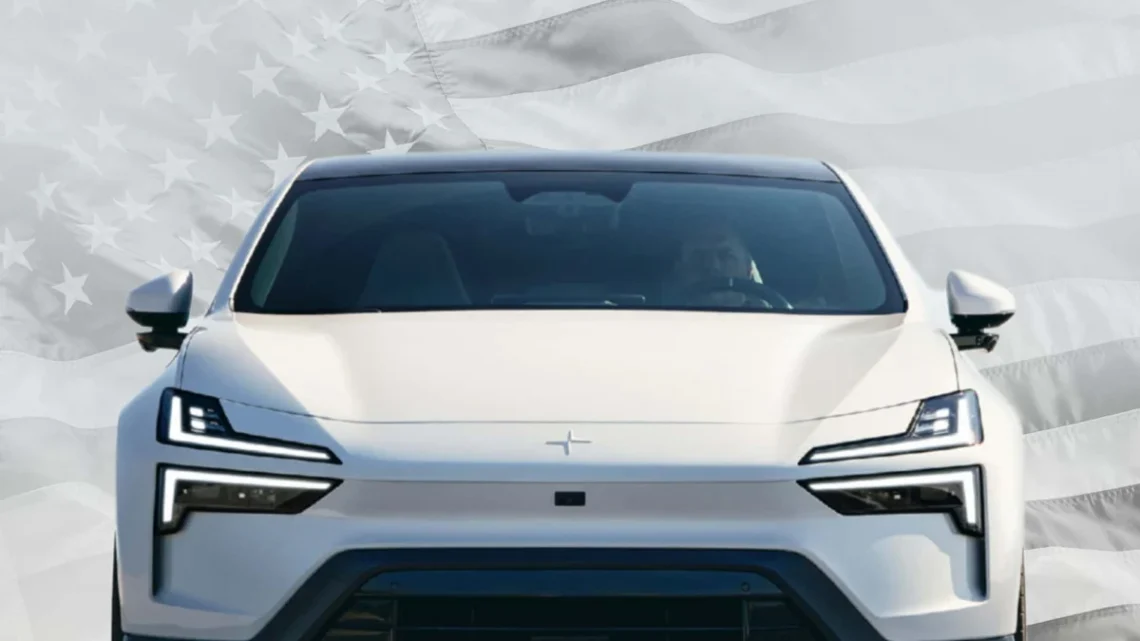
In a move that marks a seismic shift for the automotive landscape, Polestar, the Swedish electric vehicle manufacturer, has officially signaled its intent to retreat from the United States. Following a rigorous regulatory impasse with the U.S. Department of Commerce regarding connected-vehicle security, the company has confirmed it will not challenge the government’s decision to block its future sales. This strategic withdrawal effectively terminates the brand’s presence in the world’s most influential automotive market, forcing a massive pivot in its global operations.
For a company that once positioned itself as a premium, design-forward challenger to Tesla and the legacy German luxury brands, this departure represents a profound reversal of fortune. As Polestar shifts its focus toward more favorable European territories, the industry is left to grapple with the fallout of increasingly complex geopolitical and cybersecurity regulations.
The Regulatory Impasse: A Clash of Security and Commerce
At the heart of this exit is a sweeping set of regulations implemented by the U.S. Department of Commerce. These new rules, which target the 2027 model year, explicitly prohibit the use of Chinese-developed software and hardware in internet-connected vehicles operating on American roads.
The rationale provided by U.S. officials is rooted in national security. The government has expressed persistent concerns that the sophisticated cameras, GPS arrays, and telemetry systems integrated into modern connected vehicles could be exploited by foreign adversaries. Because Polestar is majority-owned by the Chinese conglomerate Zhejiang Geely Holding Group, it fell squarely under the regulatory microscope.
Despite intensive "significant dialogue" between Polestar’s leadership and U.S. regulators, the company was denied the special authorization required to bypass these restrictions. While Polestar attempted to demonstrate its compliance and structural independence, the Commerce Department remained unmoved, leaving the automaker with no viable path forward in the U.S. market.
Chronology of a Corporate Withdrawal
The downfall of Polestar’s American ambitions did not happen overnight. It was the result of a slow-moving collision between shifting trade policies and geopolitical tensions.
- Initial Expansion: Polestar entered the U.S. market with high hopes, utilizing the Polestar 2 to carve out a niche in the growing EV segment.
- The Tariff Impact: Early warning signs emerged as the U.S. government imposed heavy tariffs on Chinese-built electric vehicles. This forced Polestar to adjust its supply chain, eventually phasing out the Polestar 2 in the U.S. to avoid these economic hurdles.
- Localized Production: In an attempt to mitigate these pressures, Polestar began manufacturing the Polestar 3 in South Carolina, sharing facilities with Volvo to produce vehicles locally for the American market.
- The Cybersecurity Crackdown: The Department of Commerce introduced its stringent rules regarding connected-vehicle software. This legislation was designed to address "foreign adversary" involvement in the U.S. supply chain, specifically targeting the connectivity suites embedded in modern EVs.
- The Denial of Authorization: Polestar filed for an exemption, hoping that its status as a premium brand with significant European heritage would grant it a pass. That request was denied.
- The Final Pivot: With no legal avenue remaining, Polestar management confirmed in the Wall Street Journal that it would cease efforts to maintain a footprint in the U.S., choosing instead to double down on Europe.
The "Volvo Paradox": Why One Succeeded and the Other Failed
One of the most contentious aspects of this exit is the disparate treatment of Polestar and its corporate cousin, Volvo. Both brands are majority-owned by Zhejiang Geely Holding Group and share significant engineering resources, platform architectures, and, in some cases, production facilities.
When the new security regulations were announced, Volvo was granted the necessary authorization to continue its operations. The company successfully navigated the bureaucratic process by providing exhaustive documentation on its data handling, cybersecurity protocols, and the compartmentalization of its software architecture.
The Department of Commerce has, however, remained opaque regarding why Polestar was denied a similar outcome. Industry analysts suggest that because Polestar is perceived by some regulators as being more deeply integrated into the Chinese technological ecosystem than the historically Swedish-focused Volvo, it faced a higher burden of proof—a hurdle it ultimately could not clear.
The Economic Ripple Effect: Impact on Owners and Dealers
The announcement has sent shockwaves through the network of dealers and existing customers who have invested in the brand. For those who own a Polestar, the news is particularly concerning. When a major automaker exits a market, the immediate impact is usually a sharp decline in residual values.
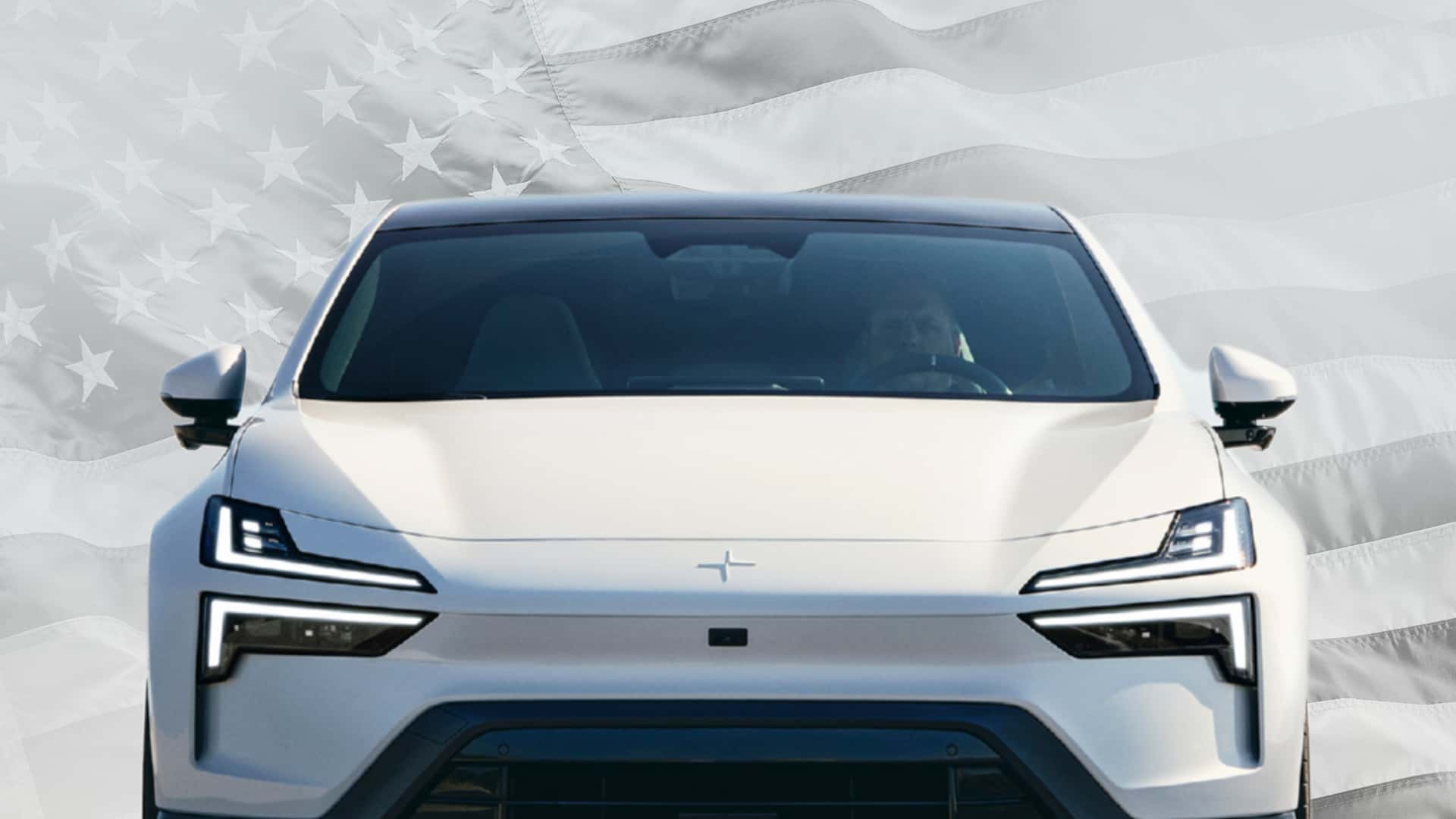
The resale market has already begun to reflect this instability. With the company currently clearing out its remaining inventory, massive incentives—some reaching as high as $25,000—have been reported at dealerships. While these discounts may attract bargain hunters, they simultaneously erode the value of vehicles held by current owners, potentially leaving them with "orphaned" cars that are difficult to service or sell.
Dealers, who have invested millions into showrooms and service infrastructure tailored to the Polestar brand, are now facing the prospect of either pivoting to other brands or shutting down operations entirely. This uncertainty creates a challenging environment for the brand’s remaining support staff, who must maintain customer service standards while the company’s physical footprint in the country evaporates.
A Strategic Pivot to Europe
In his statement to the Wall Street Journal, Polestar spokesman Michael Ofiara underscored the company’s new strategic direction: "We will instead focus our investments on markets where we have a strong brand position and ability to achieve profitable growth, with a strong weighting towards Europe."
For Polestar, Europe represents a more stable regulatory environment where its design language and premium positioning have already gained significant traction. By consolidating its resources in Europe, the company aims to move past the distraction of the U.S. regulatory battle and focus on its long-term viability. This shift is not merely defensive; it is a calculated attempt to maximize profitability in regions where the brand’s supply chain and software integrations do not face the same existential threats as they do in the United States.
Implications for the Global EV Market
The Polestar case serves as a harbinger of a more protectionist era for the global automotive industry. As vehicles become more like "computers on wheels," the line between automotive manufacturing and national security continues to blur.
This development poses several questions for the future:
- Supply Chain Decoupling: Can global brands truly separate their software supply chains from Chinese providers, or will we see a bifurcated global market where vehicles are specifically engineered for different political regions?
- The Future of Chinese-Backed Brands: Does this signal a broader "keep out" sign for any brand with significant ties to Chinese ownership, regardless of their production location?
- Innovation vs. Security: Will the added cost of complying with these new security regulations slow down the pace of technological innovation in the EV sector?
Conclusion: A Cautionary Tale
Polestar’s exit from the U.S. market is a sobering reminder that success in the modern automotive industry requires more than just high-quality engineering and elegant design. In an era of heightened global tension, political and regulatory compliance have become just as vital as battery chemistry or aerodynamic efficiency.
While Polestar attempts to find its footing in Europe, its departure from the U.S. leaves a void in the premium electric vehicle space. For consumers, it is a reminder of the volatility inherent in the current automotive landscape. For the industry, it is a clear message: the era of global, frictionless trade for connected technology is rapidly coming to an end, replaced by a more fragmented, security-first reality.
As the dust settles, the focus will shift to how the remaining players in the U.S. market adjust their software architectures to ensure they don’t fall victim to the same regulatory scrutiny that effectively ended Polestar’s American dream. The road ahead for global automakers is clearly marked with "caution," and for those who fail to navigate the regulatory map, the destination may well be the same as Polestar’s: the exit ramp.