Date: October 30, 2026
Section: OnPoint | Subscriber Exclusive: The Big Picture
Photo Credit: Alexandre Schneider / Getty Images
Main Facts
Recent electoral cycles in Brazil and Serbia have delivered significant symbolic and political setbacks to entrenched far-right and nationalist movements. For pro-democracy forces worldwide, these outcomes have been hailed as vital case studies in how to successfully challenge illiberal governance at the ballot box. However, political analysts and international observers caution that these electoral victories do not represent a permanent defeat of authoritarian populism. Instead, they mark the beginning of a complex, high-stakes transition period.
The new administrations in both nations have inherited deeply polarized societies, fragile institutional frameworks, and mounting socio-economic pressures. While both Brazil and Serbia demonstrated that mobilized electorates and cohesive opposition coalitions can push back against democratic erosion, the underlying structural drivers of populism—such as economic inequality, institutional distrust, and deep cultural polarization—remain fully intact. Consequently, the durability of these democratic recoveries hinges not just on winning a single election, but on the ability of incoming leaderships to deliver tangible governance reforms while defending the rule of law against persistent, resurgent opposition factions.
Chronology: The Path to the Ballot Box
To understand the current political landscapes in Brazil and Serbia, it is necessary to examine the sequential buildup of friction between democratic institutions and populist leadership over the past decade.

Brazil’s Trajectory: From Polarization to Electoral Reckoning
- 2018: Jair Bolsonaro wins the Brazilian presidency, bringing a wave of far-right, populist rhetoric into the mainstream, marked by skepticism toward environmental regulations, democratic checks and balances, and traditional media.
- 2019–2022: Tensions escalate between the executive branch and Brazil’s judiciary—particularly the Supreme Federal Court (STF) and the Superior Electoral Court (TSE)—over the management of the COVID-19 pandemic, public health mandates, and the security of electronic voting systems.
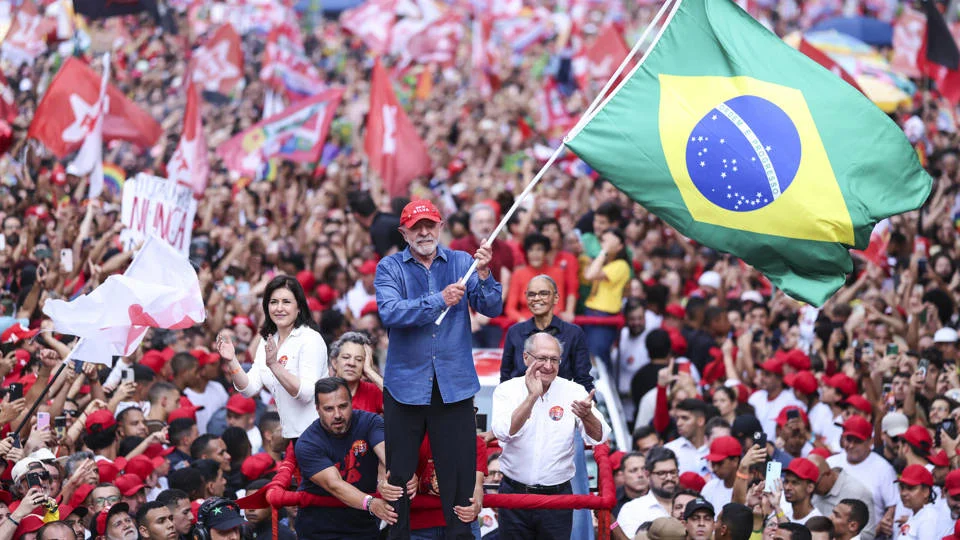
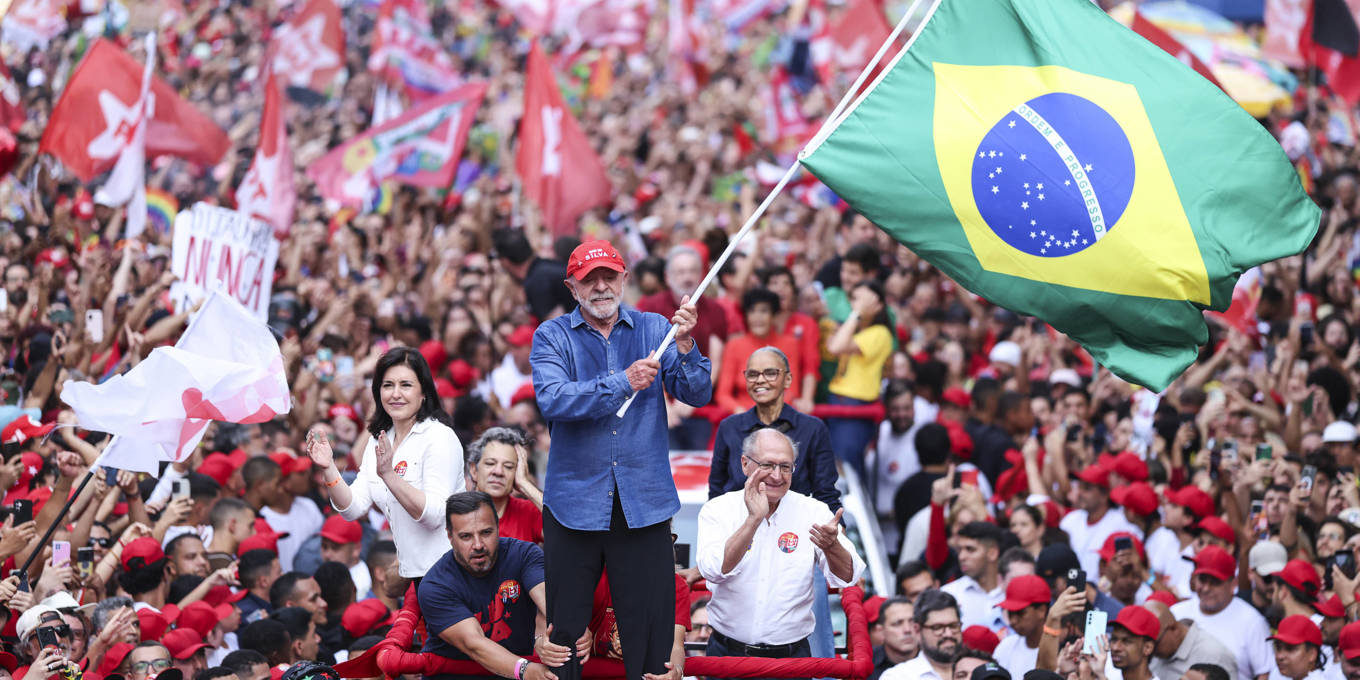
- October 2022: A fiercely contested general election leads to the narrow victory of Luiz Inácio Lula da Silva. Despite intense pressure and post-election challenges from the far-right camp, the electoral infrastructure holds firm.
- January 8, 2023: In a striking echo of the events at the U.S. Capitol two years prior, thousands of Bolsonaro supporters storm government buildings in Brasília, seeking to overturn the election results. The uprising prompts a swift institutional crackdown and galvanizes judicial and political defense of Brazilian democracy.
- 2024–2025: Ongoing judicial proceedings target key figures involved in the insurrection and the dissemination of disinformation, weakening the structural organization of the far-right movement while simultaneously provoking accusations of judicial overreach from conservative critics.
- Late 2025–October 2026: Local and legislative elections test the resilience of democratic norms, culminating in a landscape where traditional democratic forces maintain a fragile upper hand, though societal division remains acute.
Serbia’s Trajectory: Straining Under State Capture
- 2012–2014: Aleksandar Vučić rises to power, initially as First Deputy Prime Minister and subsequently as Prime Minister and President, consolidating control over the Serbian Progressive Party (SNS).
- 2016–2020: Independent media outlets face mounting financial and political pressure, civil society organizations are routinely vilified, and the ruling party tightens its grip on state-owned enterprises and local administration—a phenomenon political scientists term "state capture."
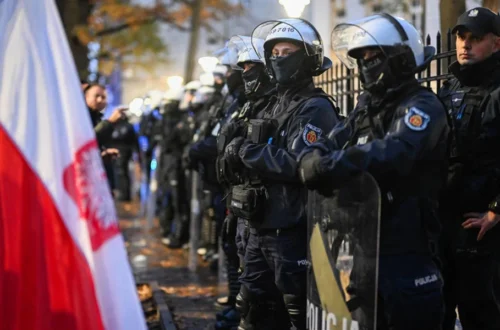
- December 2023: Parliamentary and local elections are marred by widespread allegations of voter manipulation, orchestrated migration of voters across municipalities, and heavy media bias. The opposition unites under broad coalitions to contest the results, sparking massive street protests in Belgrade.
- Early 2024–2025: International election monitors, including the Organization for Security and Co-operation in Europe (OSCE), issue critical reports on Serbian electoral integrity. Pressure mounts from the European Union, tying Serbia’s accession prospects directly to democratic and electoral reforms.
- Mid-to-Late 2026: Sustained public mobilization, economic dissatisfaction, and strategic consolidation among disparate opposition groups culminate in a pivotal electoral cycle that inflicts severe political damage on the ruling party’s parliamentary dominance, forcing a precarious sharing of political space.
Supporting Data: The Anatomy of Electoral Shocks
Quantitative assessments of recent polling, electoral turnout, and institutional trust illuminate the precarious balance of power in both nations.
Electoral Volatility and Polarization Metrics
- Voter Turnout: Both Brazil and Serbia witnessed historic voter turnout surges during their defining electoral showdowns, with participation rates exceeding 75% in contested national ballots. This high engagement reflects a mobilized populace treating elections not merely as routine administrative events, but as existential referendums on the future of the state.
- Legislative Fragmentation: In Brazil, the newly elected congress remains heavily fragmented, requiring the executive branch to build ad-hoc legislative coalitions across dozens of political parties, many of which lean center-right or conservative.
- Media Capture Indices: According to international press freedom monitors (such as Reporters Without Borders), Serbia’s ranking on the World Press Freedom Index stagnated in the lower tiers of European nations prior to the recent political shifts, underscoring the uphill battle facing independent journalism. In Brazil, digital platform disinformation campaigns continue to distort public discourse, despite aggressive judicial interventions by the TSE.
- Economic Indicators: Inflation and cost-of-living crises played a decisive role in shaping voter sentiment. In both countries, working-class and middle-class voters expressed acute economic anxiety, which populist actors initially blamed on external global forces or internal corruption, but which ultimately worked against incumbents who failed to stabilize household purchasing power.
Official Responses and International Reactions
The global resonance of the political shifts in Brazil and Serbia has drawn sharp commentary from multilateral organizations, regional leaders, and domestic authorities.

Domestic Leadership and Institutional Stances
In Brazil, federal authorities have emphasized the supremacy of the constitution and the independence of judicial bodies. Pro-democracy advocates within the government argue that accountability for democratic subversion is a non-negotiable prerequisite for long-term stability. Conversely, conservative opposition leaders contend that the legal measures taken against far-right figures represent a form of "lawfare" designed to stifle political dissent and disenfranchise millions of conservative citizens.
In Serbia, government officials have historically downplayed accusations of democratic backsliding, framing international criticism as foreign interference in national sovereignty. However, following the recent electoral setbacks and intensified domestic pushback, moderate factions within the political establishment have signaled a willingness to engage in electoral reform dialogues, particularly in light of stalled EU integration benchmarks.

International and Multilateral Perspectives
- The European Union: Brussels has maintained a watchful stance on Serbia, reiterating that genuine progress toward EU membership is strictly contingent upon measurable improvements in the rule of law, media freedom, and electoral transparency. European diplomats have welcomed the increased pluralism in Serbia’s parliament as a sign of a recovering political arena.
- Western Democracies and Hemispheric Partners: Governments in North America and Western Europe have lauded Brazil’s institutional resilience. Washington and European capitals view Brazil’s ability to withstand domestic challenges to its electoral system as a reassuring indicator for the broader Latin American region, where democratic fatigue has been on the rise.
- Civil Society and Electoral Watchdogs: Organizations such as International IDEA, Transparency International, and local NGOs have issued cautionary statements. While celebrating the democratic openings achieved in Brazil and Serbia, these groups stress that elections are merely a snapshot in time. They emphasize that sustainable democratization requires continuous investment in civic education, protection for independent journalists, and systemic anti-corruption measures.
Implications for Global Democracy
The experiences of Brazil and Serbia offer profound, transferable lessons for the global pro-democracy movement as it confronts the persistent evolution of illiberalism and nationalist populism.
1. The Limits of Electoralism
The primary takeaway is that winning an election against a populist or illiberal incumbent is only the first step. Electoral victories remove authoritarian leaders from executive power, but they do not dismantle the networks of patronage, media control, and ideological loyalty cultivated over years or decades. Pro-democracy forces must recognize that governance after the election is vastly more difficult than campaigning against an autocrat.

2. Institutional Guardianship is Essential
Both crises highlighted the indispensable role of independent state institutions—particularly constitutional courts, electoral tribunals, and civil service bureaucracies. When executive power is captured or threatened by populist forces, the resilience of a democracy often depends on the courage of unelected officials, judges, and career civil servants who refuse to compromise institutional integrity. Strengthening these buffers against political interference must be a top priority for democratic reformers.
3. Addressing the Root Causes of Discontent
Illiberal movements rarely emerge in a vacuum; they thrive on legitimate public grievances, including economic stagnation, real or perceived corruption, cultural dislocation, and a pervasive sense among ordinary citizens that the political establishment is indifferent to their struggles. To secure long-term durability, democratic governments must deliver concrete socio-economic improvements. If new administrations fail to address bread-and-butter issues, disillusioned electorates may readily return to populist alternatives in subsequent cycles.

4. Navigating the Disinformation Age
The proliferation of digital disinformation remains one of the most formidable threats to democratic discourse. Brazil’s aggressive legal measures against fake news networks and Serbia’s ongoing struggles with state-dominated media ecosystems illustrate the tension between protecting free expression and safeguarding elections from coordinated manipulation. Democratic societies must find sustainable, rights-respecting mechanisms to foster media literacy and ensure transparency in digital political advertising without resorting to censorship that authoritarian actors can easily weaponize.
Conclusion
As Brazil and Serbia navigate their post-election realities, the global community watches closely. Their stories serve as both an inspiration and a warning: democracy can summon the resilience to push back against the tide of illiberalism, but safeguarding it requires unyielding vigilance, institutional reform, and an unwavering commitment to addressing the fundamental needs of the citizenry. The ultimate test for these new political landscapes will not be how they won their recent victories, but how they govern in the turbulent years ahead.