For the discerning collector, the world of independent watchmaking represents the final frontier of true horological expression. While the titan brands of the industry provide the foundation of timekeeping history, it is the independent artisan who pushes the envelope of what a wristwatch can be. The creative, experimental, and often uncompromising nature of these small-scale makers has turned the indie scene into the most exciting corner of the craft.
Over the past few years, we have witnessed a seismic shift in collector sentiment. Brands that were once obscure have become household names among enthusiasts, with limited-run timepieces selling out almost instantaneously upon announcement. While the market has recently seen a cooling of the speculative frenzy, the quality of horological innovation has never been higher. Today, we turn our attention to five remarkable projects that define the current state of independent watchmaking.
The Landscape of Independent Horology: Main Facts
The current market for independent watches is defined by a dichotomy: high-tech material science clashing with centuries-old artisanal techniques. The common thread among these brands—L’Atelier Bernard, Cleguer, Mermont, Niton, and Stéphane Pierre—is the rejection of mass production.
Most of these makers operate in "double- or single-digit" annual production numbers. This scarcity is not a marketing ploy; it is a necessity of the craft. When a movement is finished by hand, or a dial is constructed with 18th-century escapement geometries, time is the most expensive raw material.
Key Market Indicators
- The Escapement Renaissance: We are seeing a resurgence of interest in exotic escapements, such as the Duplex and "Natural" configurations, which challenge the dominance of the standard Swiss Lever.
- Artisanal Finishing: The demand for 3D guilloché, hand-brushed surfaces, and bespoke movement bridges has reached an all-time high.
- The Price Threshold: While entry-level independent watches remain accessible, the "halo" pieces—those featuring proprietary escapements and complex hand-finishing—are consistently commanding six-figure price tags (CHF 95,000 to CHF 150,000).
Chronology of Innovation: Profiles in Craft
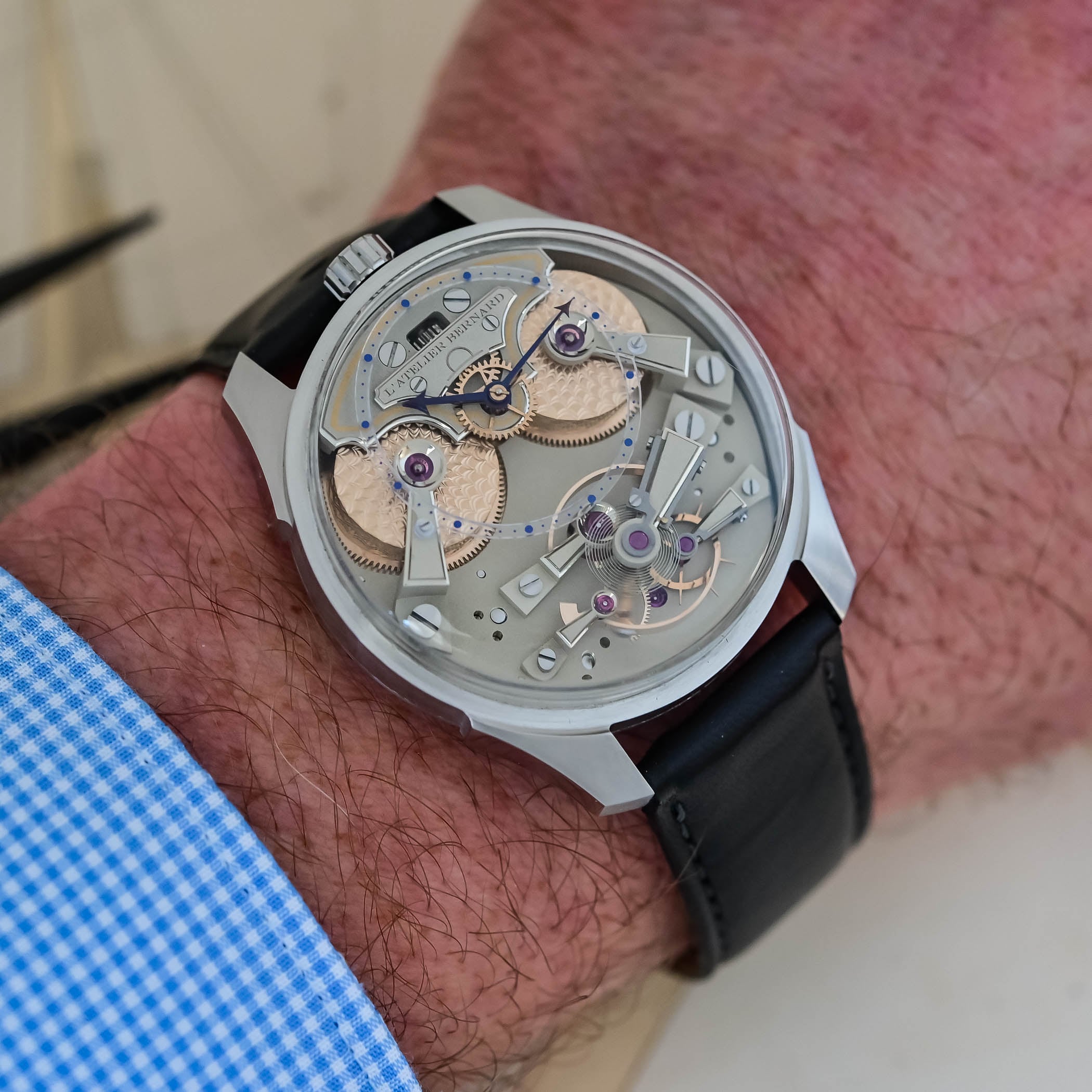
1. L’Atelier Bernard: Reviving the Duplex Escapement
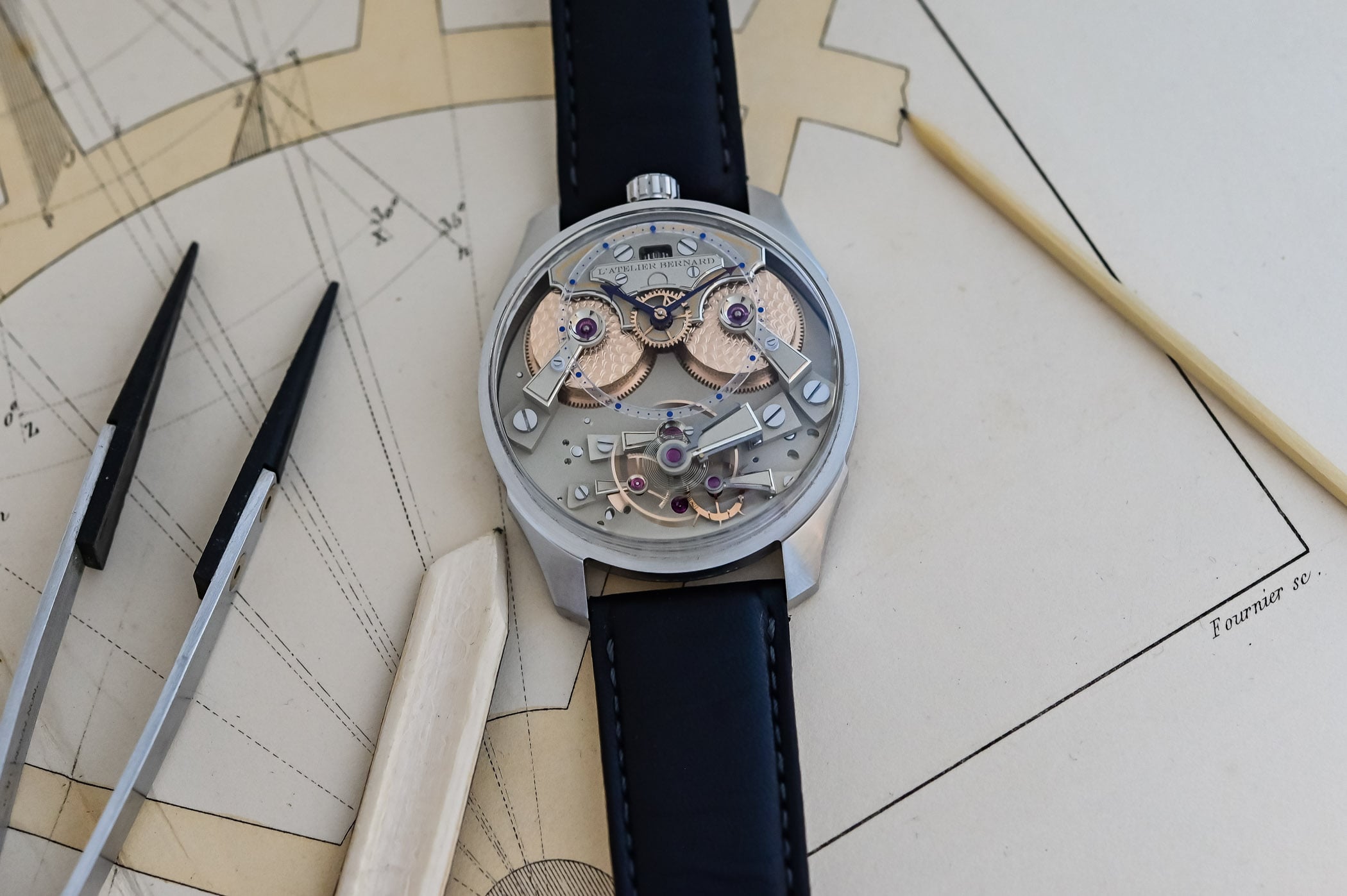
The collaboration between Bernard van Ormelingen and Bernard Braboretz stands as a testament to the power of shared vision. Their debut creation, The Owl, is not merely a watch; it is a historical bridge. By integrating a reworked Duplex escapement—a system that dominated the 18th and 19th centuries—the duo has created a timekeeper that functions with a distinct, rhythmic heartbeat. The three-dimensional guilloché decor on the barrels demonstrates a level of mastery rarely seen in debut pieces. With a limited run of only six pieces at CHF 150,000, The Owl was effectively "spoken for" before the public even caught a glimpse, signaling the intense hunger for neo-classical mechanics.
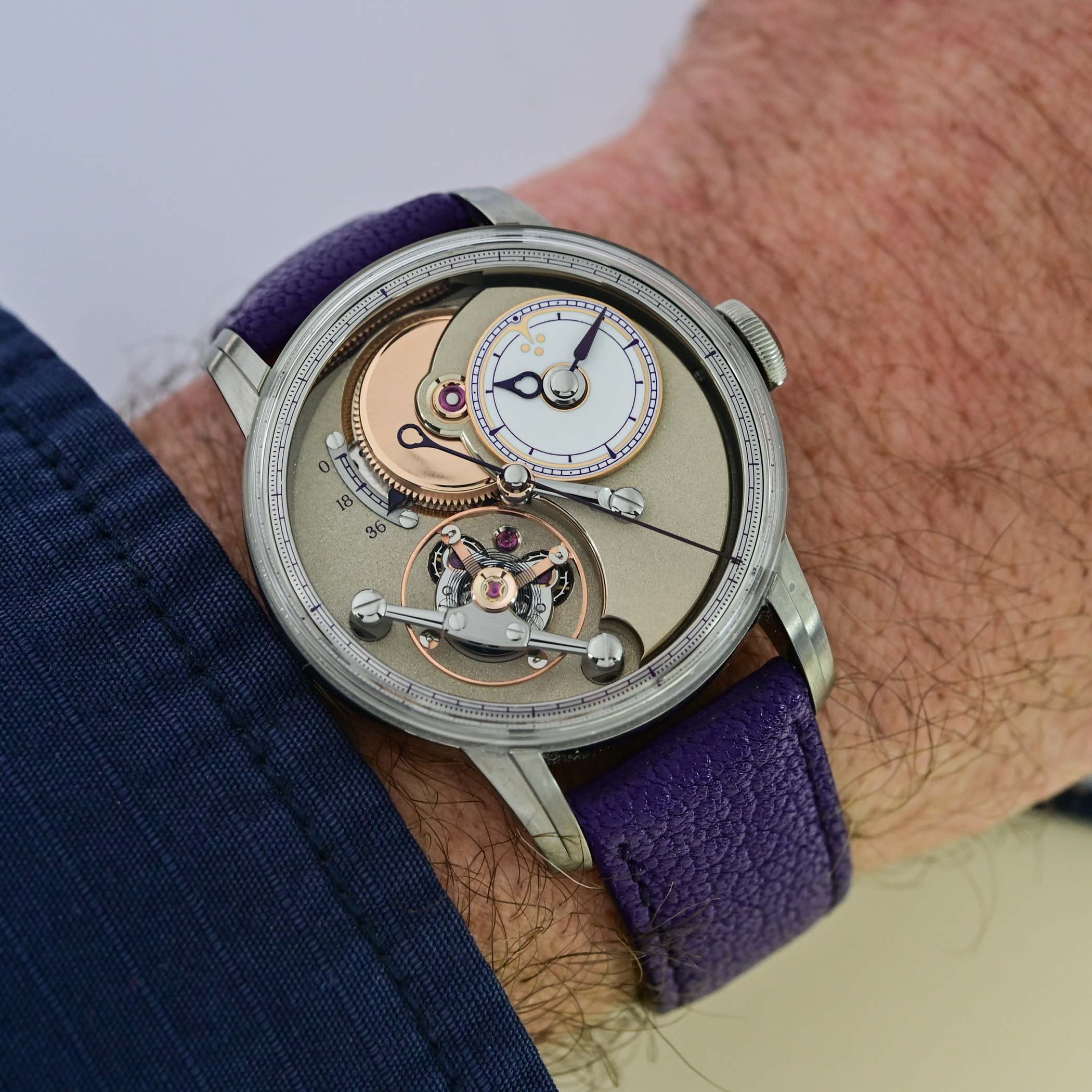
2. Cleguer Horology: The Innate Geometry
Mathieu Cleguer has dared to do what many established houses would deem financial suicide: developing an entirely new escapement geometry for a debut timepiece. The Inspiration One utilizes an "Innate" dual escape wheel system, drawing inspiration from the works of Fasoldt and the "natural escapement" lineage. By placing the escapement front-and-center on the dial, Cleguer invites the wearer to observe the mechanics in action. The inaugural run of 12 titanium pieces sold out, and with 80 more planned at CHF 95,300, Cleguer is cementing its position as a serious technical player.
3. Mermont: The Philosophy of Minimalism
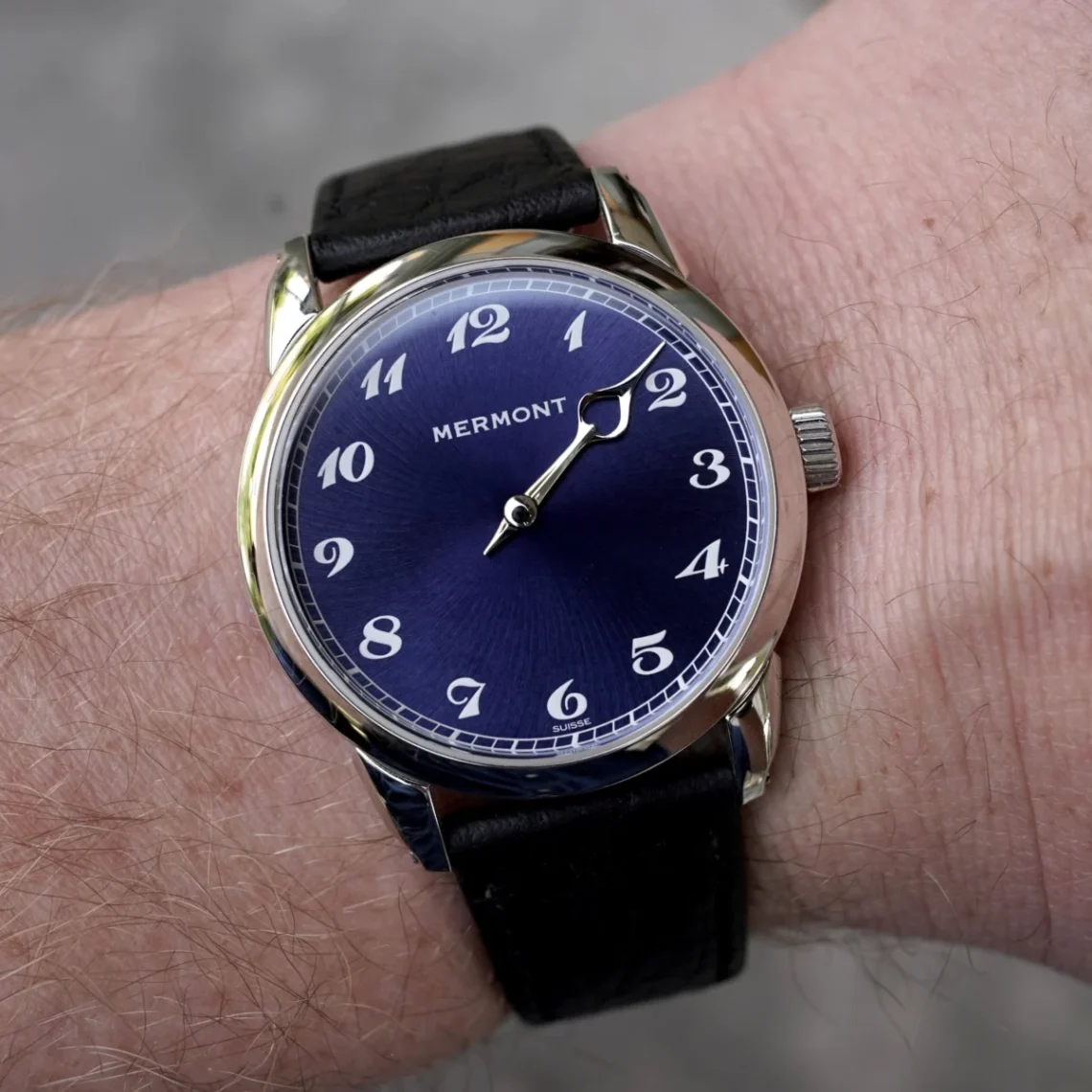
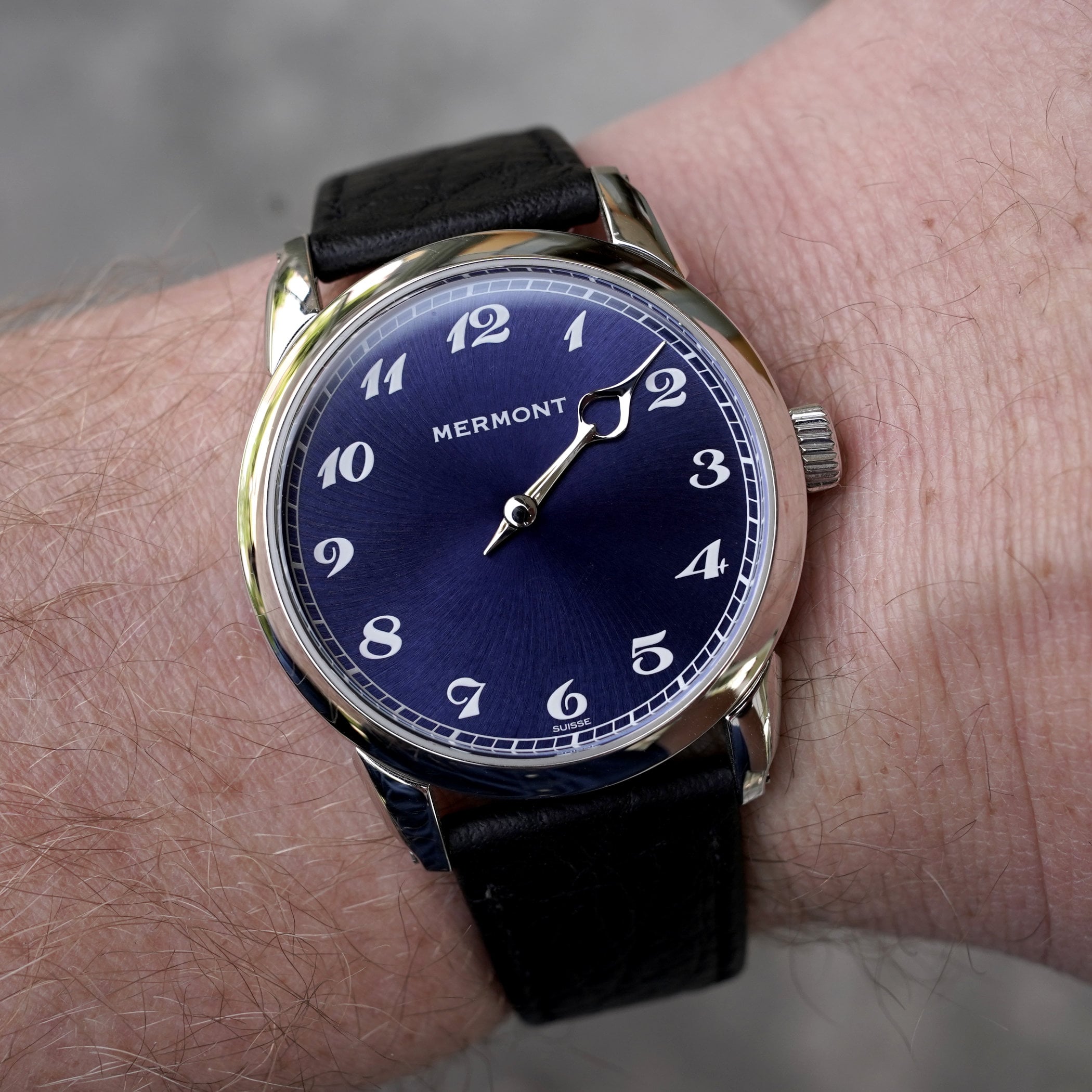
In a market saturated with mechanical complexity, Mermont’s La Parfaite offers a meditative alternative. The watch is a masterclass in restraint, featuring a single-hand display against a stunning Zapon blue varnished dial. The focus here is not on the quantity of complications, but the quality of execution. The hand itself is a piece of sculpture, hand-finished to perfection. By utilizing the reliable La Joux-Perret D101 movement, Mermont provides a gateway to high-end independent aesthetics at a more attainable price point of CHF 10,998, proving that a platinum watch doesn’t need a six-figure price tag to be desirable.
4. Niton: The Return of a Legend
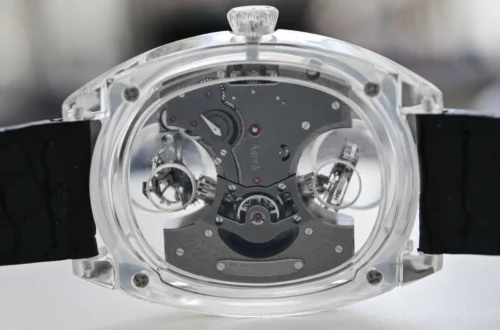
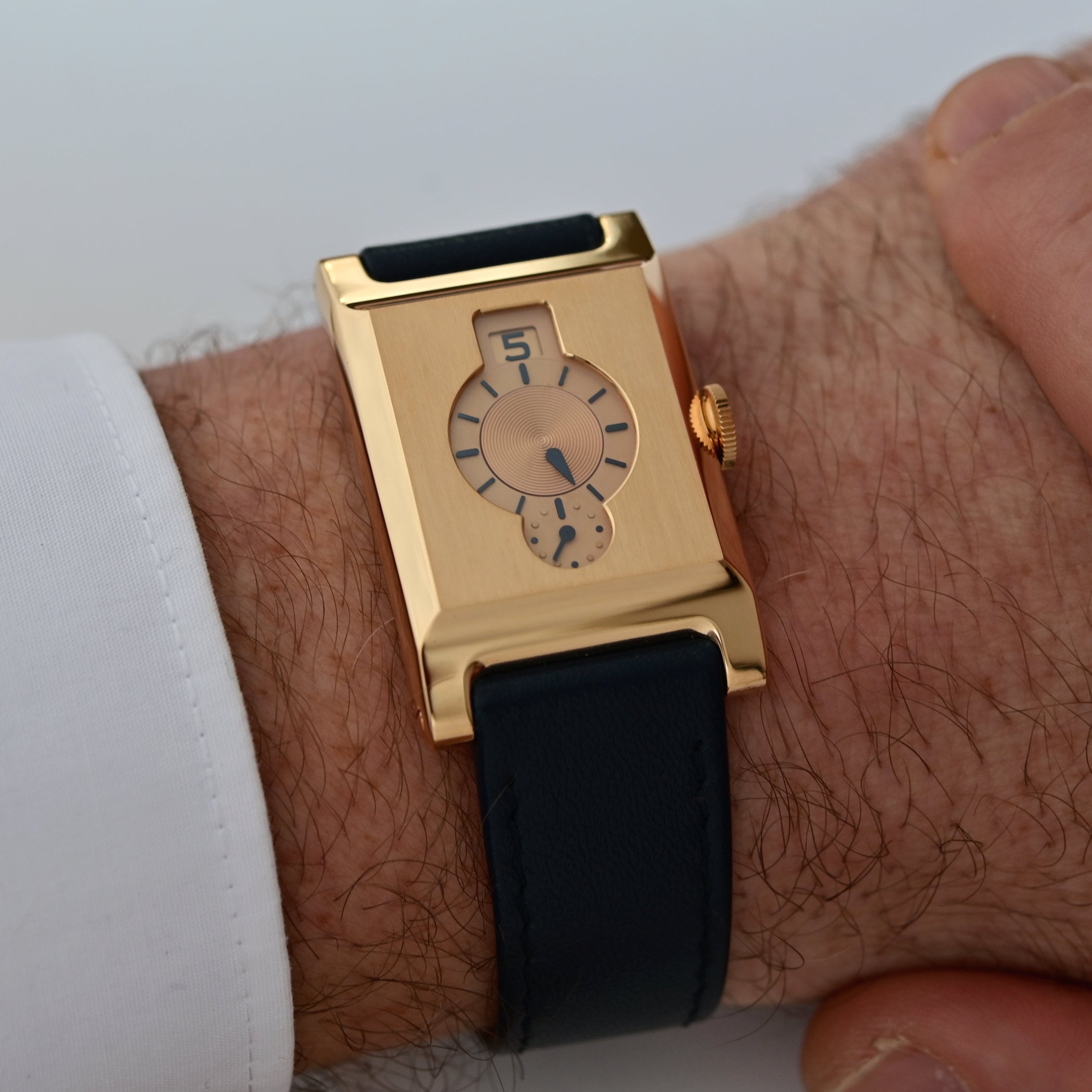
The revival of the Niton name by Yvan Ketterer and Leopoldo Celi is a nod to the brand’s history as a specialist in jumping-hour complications. The Prima is a rectangular dress watch that captures the Art Deco elegance of a bygone era. What distinguishes the Prima is the movement: the Calibre NHS01 is shaped specifically to follow the contours of the case—a rarity in watchmaking where circular movements are usually hidden behind rectangular frames. Priced at CHF 44,740, the Prima represents the revival of heritage through modern lens.
5. Stéphane Pierre: The Sword-Crossing Retrograde
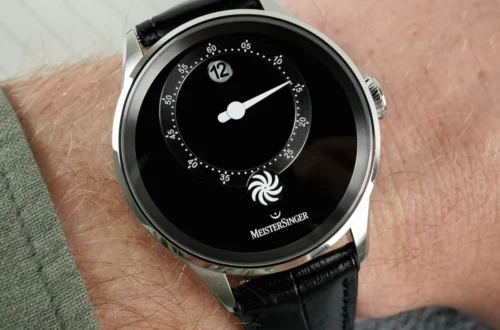
Stéphane Pierre’s L’Imprétant is perhaps the most visually kinetic of the group. The dual retrograde display features hands that appear to "cross swords" as they sweep across the dial. The balance wheel, proudly displayed in the lower half of the dial, is secured by a meticulously polished bridge. By offering both a 15-piece subscription model and a larger 50-piece run, Pierre is balancing the exclusivity of the independent market with the necessity of growth. At CHF 84,000, it is a statement piece for the collector who values kinetic art as much as timekeeping.
Supporting Data: Production and Value
| Model | Production Limit | Price (CHF) | Key Feature |
|---|---|---|---|
| L’Atelier Bernard (The Owl) | 6 | 150,000 | Reworked Duplex Escapement |
| Cleguer Inspiration One | 80 | 95,300 | "Innate" Dual Escape Wheel |
| Mermont La Parfaite | N/A | 10,998 | Hand-finished single hand |
| Niton Prima | 38 (2×19) | 44,740 | Shaped Calibre NHS01 |
| Stéphane Pierre L’Imprétant | 65 | 84,000 | Dual retrograde display |
Official Perspectives and Industry Response
The watchmaking community has responded to these launches with a mix of awe and scrutiny. Independent watchmakers are now operating under the "Micro-Brand Paradox": the more limited their production, the higher the demand, but the greater the difficulty in scaling operations.
"The interest in indie watchmaking is no longer a niche hobby," notes one industry analyst. "It is becoming the primary focus for collectors who have grown bored of the lack of innovation from the ‘Big Four.’ When a collector sees a movement shaped to a case, or an escapement that hasn’t been seen in a century, they are buying a piece of history, not just a luxury good."
The makers themselves emphasize that their price points reflect the hours of hand-finishing—the "Anglage," the "Black Polish," and the hours spent ensuring a piece of metal is functionally and aesthetically perfect.
Implications for the Future of Independent Watchmaking
What does this mean for the future of the industry?
First, we are seeing the professionalization of the independent sector. These makers are no longer just hobbyists in a basement; they are sophisticated entrepreneurs partnering with high-end movement manufacturers (like La Joux-Perret) or investing in their own manufacturing capabilities to ensure longevity.
Second, the "Subscription Model" is becoming the standard. By securing deposits from collectors, these makers can fund their development and ensure that every piece created has a home before the final screw is tightened. This reduces the inventory risk for the maker and guarantees the buyer a piece of art that is truly "made-to-order."
Finally, the shift toward historically-informed innovation suggests that the future of mechanical watchmaking is not in quartz-like accuracy, but in the re-discovery of mechanical beauty. Whether it is through the revival of a lost escapement or the refinement of a simple hand, the independent watchmaker is ensuring that the "soul" of the machine remains the central focus.
As we look toward the remainder of the decade, the takeaway is clear: the most significant horological advancements will not be found in the glass towers of Geneva’s largest conglomerates, but in the quiet, focused, and profoundly talented ateliers of the independents. For the collector, the message is equally clear: keep your radar tuned to the indie scene—the next masterpiece is likely already in production.