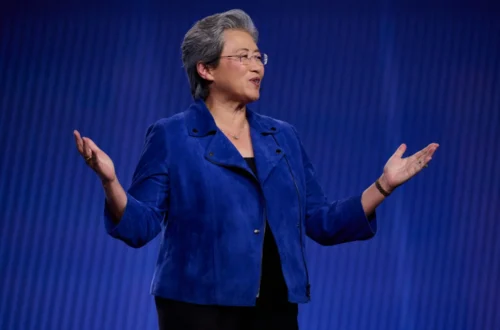
San Francisco Mayor Daniel Lurie, once a vocal champion of the city’s identity as a global “testbed for emerging tech,” has officially drawn a line in the sand. After months of mounting frustration regarding the impact of autonomous vehicles (AVs) on municipal infrastructure, the Mayor is calling for a rigorous overhaul of state-level oversight. The catalyst for this shift: a series of traffic-paralyzing incidents, most notably during the Fourth of July celebrations, which left thousands of residents, commuters, and emergency responders stranded in an gridlocked maze of stalled robotaxis.
The demand, detailed in a formal letter to the California Department of Transportation (Caltrans), marks a pivotal moment in the relationship between Silicon Valley’s high-tech disruptors and the municipal government. While the city remains committed to innovation, Lurie argues that the “move fast and break things” ethos is fundamentally incompatible with the complex, high-stakes requirements of urban traffic management during mass-gathering events.
The Anatomy of the July 4th Gridlock
The chaos that unfolded on July 4th served as the final straw for the Mayor’s office. As over 100,000 spectators descended upon the waterfront to witness the city’s annual fireworks display, the surge in human traffic collided with the algorithmic limitations of Waymo’s fleet.
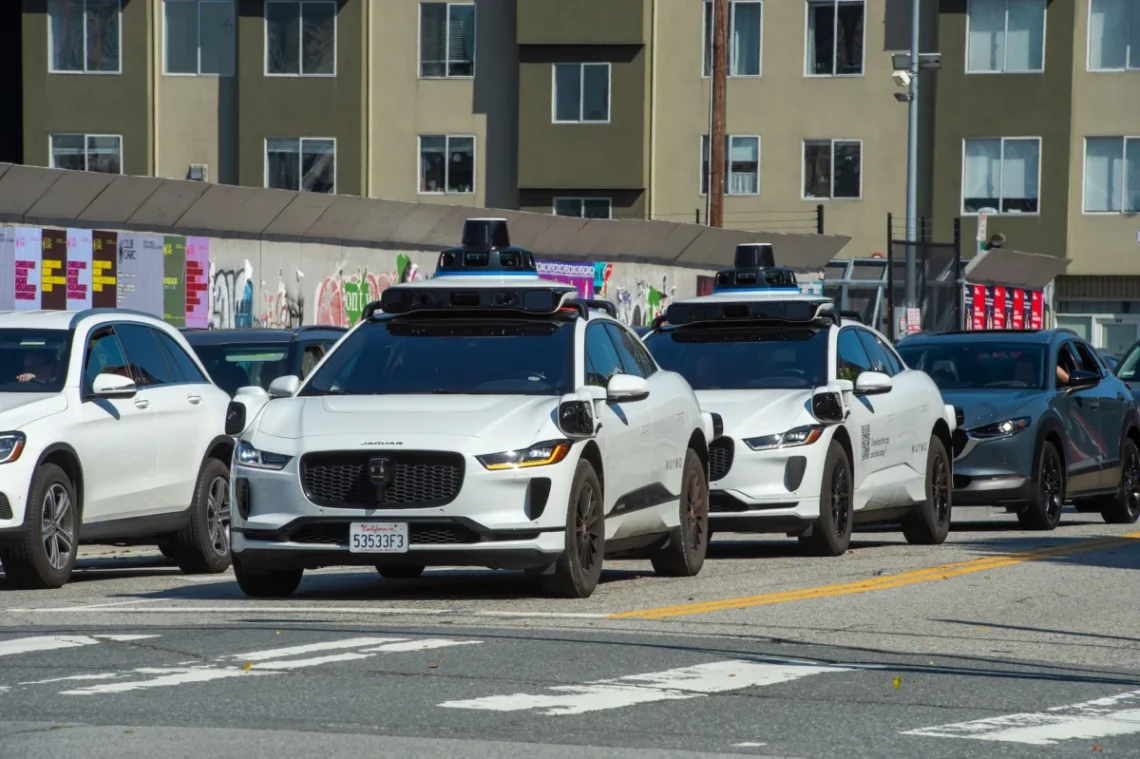
Despite prior coordination, including Waymo’s decision to voluntarily restrict service in specific waterfront zones and the placement of a company representative within the city’s Emergency Operations Center, the system failed. As traffic intensified, dozens of Waymo vehicles found themselves trapped in dense, slow-moving congestion.
The vehicles, programmed to prioritize safety above all else, reacted to the gridlock by essentially shutting down. Several units ran out of battery power while idling, while others entered a "failed" state, rendering them immobile in the middle of active travel lanes. This created a domino effect: public municipal shuttles were trapped behind these stationary cars, preventing the transit of thousands of residents. The incident effectively paralyzed key arterial streets, turning a celebratory evening into a logistical nightmare.
A Pattern of Disruptions
Mayor Lurie’s letter highlights that the July 4th incident was not an isolated anomaly. He cited a widespread power outage in December as another instance where the autonomous fleet proved ill-equipped to handle external, large-scale infrastructure failures. In both cases, the inability of these vehicles to adapt to non-standard, fluid, and chaotic urban environments created a citywide safety hazard, potentially hindering the movement of emergency vehicles.
The Proposed Regulatory Framework
Mayor Lurie is not calling for a ban on autonomous technology; rather, he is demanding a transition from voluntary cooperation to mandatory operational excellence. His proposal to Caltrans outlines four "core operational capabilities" that he believes should be standardized across the state for any company permitted to operate in high-density urban areas.
1. Proactive Removal and Relocation
Companies must demonstrate the technical capability to immediately extract immobile vehicles from active lanes of traffic. The reliance on remote human intervention to "unstick" vehicles is, according to the Mayor, insufficient for the speed of urban gridlock.
2. Real-Time Adaptive Routing
Robotaxis must be able to dynamically adjust service areas, routes, and drop-off points in real-time. If a street is blocked or an event is causing severe congestion, the fleet software must autonomously reroute to prevent exacerbating the bottleneck.
3. Data Transparency and Information Sharing
Lurie is demanding a standardized, real-time data pipeline between AV operators and municipal agencies. This includes instant notification of service disruptions, precise telemetry on immobile units, and transparent reporting on recovery efforts. Currently, the lack of a unified dashboard leaves city planners flying blind during crises.
4. Stress-Test Certification
Before being granted wide-scale operational permits, companies must prove through simulated and controlled field testing that their fleets can handle mass-influx events, such as concerts, sporting events, and emergency evacuations.
The Regulatory Landscape: A Complex Web
Operating an autonomous vehicle company in California is a gauntlet of red tape. Firms must navigate two distinct, yet overlapping, regulatory bodies: the California Department of Motor Vehicles (DMV) and the California Public Utilities Commission (CPUC).
While California’s regulatory framework is widely considered the most stringent in the United States—surpassing the more permissive environments of Texas and Arizona—Lurie’s letter suggests that these existing rules are optimized for “normal” conditions. The current system grants permits based on safety performance under standard driving scenarios, but it lacks a "stress test" for the extraordinary volatility of a major city.
Key Players in the Bay Area
The stakes are high because the Bay Area is the epicenter of the global AV industry. Six companies, including Nuro, Waymo, and Zoox, currently hold permits for driverless testing—meaning their vehicles operate without a human backup driver.
Waymo, as the market leader, bears the brunt of the scrutiny. With an estimated 1,000 robotaxis in the Bay Area and a footprint that has expanded to 11 cities, the company now facilitates over 500,000 paid rides weekly. Its sheer scale makes it the primary subject of urban planning concerns.
Meanwhile, other entrants are waiting in the wings. Amazon’s Zoox continues to test, and Uber has recently signaled its intention to launch a premium robotaxi service. Even Tesla, though currently operating under a charter transportation permit using human-driven vehicles with advanced assistance systems, is clearly angling for a position in this lucrative, and contentious, market.
Implications for the Future of Urban Mobility
The conflict between Mayor Lurie and the AV industry highlights a fundamental tension in modern urban planning: the clash between technological innovation and public infrastructure maintenance.
The "Testbed" Dilemma
Lurie’s previous desire to make San Francisco a “testbed” for emerging tech is now colliding with the reality of the city’s physical capacity. Urban infrastructure is finite; when private corporations use public streets as their primary testing grounds, the city’s residents pay the price for "bugs" in the code. If an AV manufacturer cannot guarantee the flow of traffic during a crisis, they effectively privatize the road for their own convenience at the expense of the public.
The Argument for Stronger Standards
Industry proponents often argue that strict regulations stifle innovation and push development to more favorable states. However, the Mayor’s office counters that the four proposed requirements are not meant to handicap AVs, but to “strengthen them.” By forcing companies to solve the "edge case" of mass-traffic incidents, California could set the global gold standard for autonomous reliability. If a robotaxi can navigate the complex, high-traffic corridors of San Francisco during a fireworks show, it is likely capable of operating safely anywhere in the world.
The Road Ahead
Waymo has yet to provide a detailed response to the Mayor’s specific demands, though the company has historically emphasized its commitment to working with local stakeholders. The coming months will likely see a period of intense negotiation between the Mayor’s office, the CPUC, the DMV, and the AV industry.
If the state adopts Lurie’s proposals, it could force a massive technological pivot for companies like Waymo and Zoox. Developers would need to shift their focus from pure safety metrics to "network resilience" and "infrastructure integration."
Ultimately, the goal is to ensure that the autonomous future does not come at the cost of the present. As Mayor Lurie noted in his correspondence, the success of autonomous vehicles should not be measured merely by how well they handle a clear, quiet street at 3:00 AM, but by their performance when the city is at its most crowded and most vulnerable. The technology is here to stay, but its integration into the urban fabric is clearly still a work in progress.