LONDON — Brazil has long maintained a frustrating cadence on the global economic stage, characterized by a persistent capacity to disappoint. Despite boasting an extraordinary natural-resource endowment, robust agricultural output, and a diversified industrial base, the nation’s long-term growth trajectory frequently resembles what Brazilians wryly describe as voo de galinha—the flight of a chicken: a brief, frantic flutter of expansion followed by an inevitable, gravity-driven plunge back to earth.
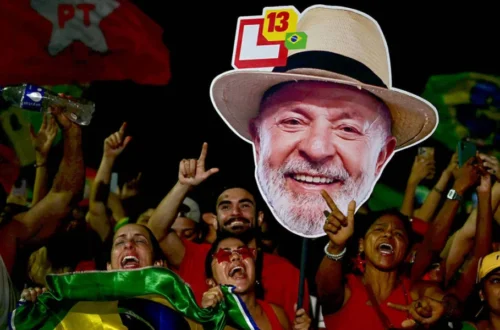
As President Luiz Inácio Lula da Silva navigates his third term following his dramatic political resurrection and return to power, this historical structural pattern is once again drawing intense scrutiny from international economists and domestic markets alike.
At first glance, Brazil’s macroeconomic defenses appear remarkably resilient. A flexible floating exchange rate, formidable foreign-exchange reserves, and booming commodity exports insulate the South American giant from the classic balance-of-payments crises that historically plagued emerging markets. Furthermore, the vast majority of the country’s sovereign debt is denominated in its own currency, shielding it from external currency shocks.
Yet, beneath these reassuring macroeconomic buffers lies a mounting domestic vulnerability. Continued fiscal deterioration under the current administration threatens to impose severe costs on the domestic economy, risking higher inflation, elevated interest rates, and stunted long-term potential.
Main Facts: The Anatomy of Brazil’s Economic Paradox
To understand Brazil’s current economic predicament, one must separate the external resilience of the state from its internal fiscal fragility.
- External Resilience: Brazil currently maintains a robust cushion of foreign-exchange reserves, traditionally hovering well above the $300 billion mark. These reserves, combined with a flexible exchange rate regime, act as a formidable shock absorber against global financial volatility, sudden capital flight, and commodity price downturns.
- The Commodity Engine: As a global agricultural superpower and a major exporter of iron ore, oil, and soybeans, Brazil continues to command substantial trade surpluses. Global demand, particularly from Asian markets, guarantees a steady influx of foreign currency.
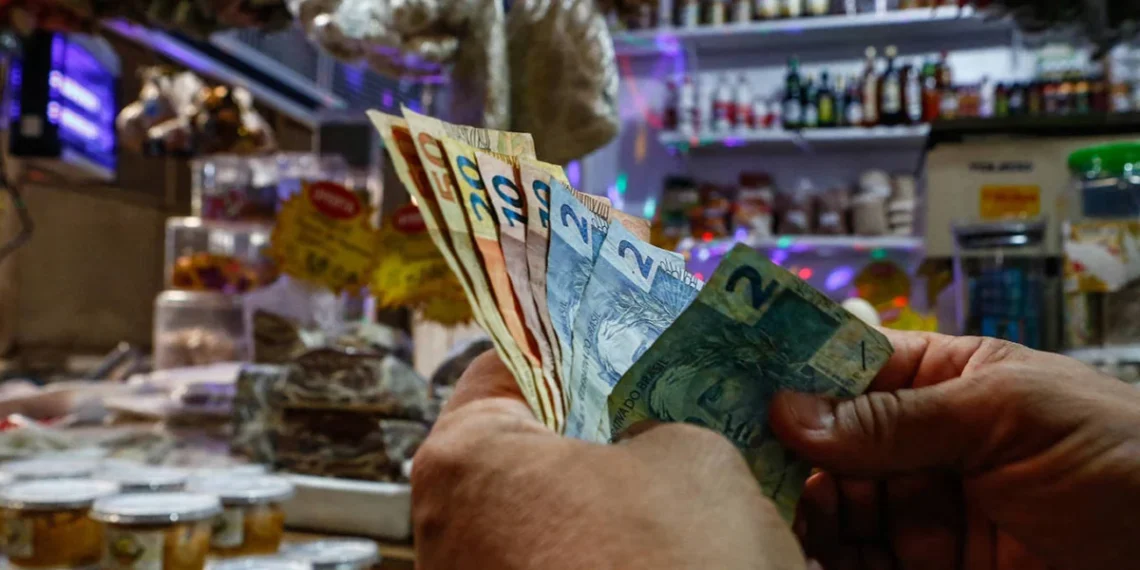
- Currency Sovereignty: Unlike many emerging-market peers that borrow in US dollars or Euros, exposing them to devastating debt-servicing crises when their local currencies depreciate, Brazil issues nearly all its sovereign debt in Brazilian reals. This minimizes the risk of a traditional sovereign default.
- The Fiscal Sore Spot: Despite these structural strengths, President Lula’s administration faces severe criticism for its fiscal expansionism. Rising public expenditures, paired with a reluctance to enact structural reforms to curb mandatory spending—such as pension outlays and public-sector payrolls—have led to widening budget deficits and an upward trajectory in the public debt-to-GDP ratio.
This dichotomy creates a paradox: while Brazil is exceptionally unlikely to face a foreign-exchange crisis or an external debt default, it faces a slow-burning domestic crisis characterized by chronically high interest rates, persistent inflation, and sluggish capital formation.
Chronology: The Path to Lula’s Return and Fiscal Strain
The roots of the current economic debate stretch back across decades of political shifts and economic experimentation.
Early 2000s: The Golden Years of Lula I
During his first two presidential terms (2003–2010), Lula presided over a commodities supercycle. Benefiting from soaring global demand for oil, minerals, and agricultural goods, Brazil experienced rapid growth while lifting millions out of poverty through ambitious social programs like Bolsa Família. Crucially, Lula maintained fiscal orthodoxy, adhering to primary budget surpluses established by his predecessor, Fernando Henrique Cardoso, and empowering orthodox central bankers.
2011–2016: The Dilma Rousseff Era and the Great Recession
Lula’s handpicked successor, Dilma Rousseff, abandoned the orthodox macroeconomic framework. A combination of heavy state intervention, "creative accounting" in the national budget, and the end of the commodities boom triggered the worst recession in Brazil’s modern history between 2014 and 2016, ultimately leading to Rousseff’s impeachment.
2019–2022: The Bolsonaro Years and Pandemic Pressures
Under populist right-wing President Jair Bolsonaro, and with liberal economist Paulo Guedes serving as Economy Minister, Brazil attempted structural reforms, successfully passing a landmark pension overhaul. However, heavy pandemic-era spending and political pressures ahead of the 2022 election eroded these fiscal gains.
October 2022 – Present: Lula’s Return and the Fiscal Dilemma
Lula’s narrow victory over Bolsonaro in October 2022 brought progressive economic planners back to Brasília. Promising to prioritize social welfare and state-led development, the administration quickly clashed with financial markets over fiscal targets. By late 2026, repeated concessions on spending caps and a failure to outline credible medium-term fiscal consolidation have left investors questioning whether the "chicken’s flight" pattern is bound to repeat itself.
Supporting Data: Numbers Behind the Narrative
A rigorous examination of Brazil’s economic indicators reveals the tension between its external strengths and internal weaknesses.
- Public Debt: Brazil’s gross general government debt has hovered dangerously close to or exceeded 75–80% of GDP in recent years—a remarkably high ratio for an emerging market, which typically requires lower debt thresholds to maintain investor confidence.
- Interest Rates (Selic): To combat inflationary pressures driven by fiscal expansion and global cost shocks, the Central Bank of Brazil (Banco Central do Brasil) has been forced to maintain benchmark interest rates at restrictive levels, frequently sitting well into double digits. High interest rates crowd out private investment and dramatically increase the government’s cost of servicing its domestic debt.
- Growth Projections: Despite occasional quarters of surprising GDP outperformance driven by record agricultural harvests, long-term growth forecasts for Brazil languish around 2% annually. Economists widely agree that achieving sustainable growth above 3% requires a dramatic shift in productivity, infrastructure investment, and fiscal discipline—none of which are fostered by high inflation and expensive credit.
- Trade Balance: Brazil continues to run healthy trade surpluses, regularly exceeding $50 billion annually, buoyed by agricultural dominance. Yet, these external gains are routinely swallowed by domestic fiscal outflows and debt-servicing costs.
Official Responses and Perspectives
The debate over Brazil’s economic trajectory has exposed deep ideological and professional divisions between the government, central bankers, and international financial institutions.
The Administration’s Defense
Government officials, including representatives from the Ministry of Finance, have robustly defended Lula’s economic strategy. They argue that traditional fiscal orthodoxy places undue burdens on the poorest segments of society by starving public services, infrastructure, and social safety nets of necessary funding.
Proponents of the administration’s policies emphasize that public investment is a prerequisite, rather than an impediment, to sustainable growth. They contend that focusing exclusively on deficit reduction ignores the country’s vast infrastructure deficits, which, if addressed, would organically boost productivity and broaden the tax base over the long term. Furthermore, administration officials point to the resilience of the labor market and falling unemployment rates as proof that their socio-economic approach is delivering tangible benefits to everyday Brazilians.
The Central Bank and Market Warnings
Conversely, the independent Central Bank of Brazil, alongside international financial institutions like the International Monetary Fund (IMF) and major Wall Street rating agencies, has sounded repeated alarms.
Central bank leadership has consistently warned that undisciplined fiscal policy forces monetary policy to remain tighter for longer. Without credible fiscal anchors, inflation expectations become unanchored, compelling the monetary authority to hike interest rates even as economic activity slows.
Market analysts argue that fiscal deficits feed directly into higher sovereign risk premiums, weakening the Brazilian real against the US dollar and importing inflationary pressures that disproportionately hurt the very low-income consumers the administration seeks to protect.
Implications: What Lies Ahead for Brazil?
The divergence between Brazil’s solid external buffers and its deteriorating domestic fiscal health carries profound implications for the country’s economic future.
1. The Domestic Cost of Fiscal Drift
Even though Brazil’s robust foreign reserves and local-currency debt structure protect it from an imminent foreign-exchange or sovereign debt crisis, the domestic toll of fiscal slippage is severe. Persistent fiscal deficits translate into structurally higher real interest rates. This "high-interest-rate trap" starves the private sector of affordable credit, stifling capital expenditures, technological innovation, and productivity growth—the very ingredients required to break the voo de galinha cycle.
2. Inflation and Inequality
Inflation acts as a regressive tax, eroding the purchasing power of the working class. If fiscal expansion continually outpaces the economy’s productive capacity, inflationary pressures will persist, threatening to undo the very social gains that define Lula’s political legacy.
3. Investor Confidence and Capital Allocation
Global investors are increasingly discerning. While Brazil’s natural resources—ranging from agribusiness to the global energy transition’s critical minerals—ensure continued foreign direct investment (FDI), the cost of capital for Brazilian corporations remains unnecessarily high. Institutional investors demand a higher risk premium to compensate for policy unpredictability and fiscal instability in Brasília.
4. A Missed Historical Opportunity
Perhaps the most significant implication is one of opportunity cost. With the global economy undergoing a massive restructuring driven by supply-chain diversification, green energy transitions, and technological shifts, Brazil is ideally positioned to be a primary beneficiary. However, a domestic economy bogged down by fiscal bickering, expensive credit, and structural rigidities risks missing the global bus once again.
Conclusion
Brazil remains a nation of immense promise perpetually hindered by self-inflicted friction. President Lula da Silva’s return to power offered a chance to forge a modern, inclusive economic model that marries social progress with fiscal prudence.
While the country’s floating exchange rate, substantial foreign reserves, and commodity dominance provide a durable safety net against external collapse, they should not be mistaken for permanent immunity against domestic economic gravity. Without a decisive course correction toward fiscal sustainability, Brazil risks remaining trapped in its historical pattern: a nation capable of breathtaking temporary flights, only to watch, year after year, as the chicken inevitably falls back to earth.