The automotive industry moves at a relentless pace, where software capability and platform agility can make or break a legacy manufacturer. For the Volkswagen Group, the transition toward a purely electric future was supposed to be anchored by a single, revolutionary piece of engineering: the Scalable Systems Platform (SSP). Touted as the ultimate unifying architecture to replace a sprawling web of older frameworks, the SSP platform was designed to underpin everything from entry-level hatchbacks to high-performance luxury saloons across the VW Group portfolio.
Yet, ambition frequently collides with engineering reality.
The much-anticipated electric Audi A4 E-Tron—a vehicle originally positioned to demonstrate the viability and triumph of Volkswagen’s next-generation platform—is now doing the exact opposite. Instead of showcasing engineering prowess, the model’s latest setback highlights profound delays plaguing the SSP architecture. According to Audi Chief Executive Officer Gernot Döllner, the electric A4 E-Tron will not enter production until March 2029 at the earliest. This latest timeline shifts the production schedule roughly nine months past the mid-2028 target Döllner himself announced just months prior in October 2025, and marks a staggering three-year drift from Volkswagen’s initial 2026 launch window.
Main Facts: A Timeline in Freefall
The postponement of the Audi A4 E-Tron is not an isolated incident; it is a symptomatic failure of cascading engineering bottlenecks within the world’s second-largest automaker.
- The New Launch Date: Production for the A4 E-Tron is officially slated to begin no earlier than March 2029. However, industry insiders cited by the German publication Handelsblatt warn that even this target remains precarious, with further slippage into late April or early May 2029 entirely possible.
- The Root Technical Cause: The primary driver behind the delay is a late-stage architectural pivot. Volkswagen executives made the high-stakes decision to transition the SSP platform’s onboard electrical system from the conventional 12-volt standard to a robust 48-volt architecture after development was already well underway.
- Scope Reduction: Recognizing the immense strain of the project, Volkswagen has quietly trimmed the SSP platform’s planned variants from eight down to four. While corporate communications frame this as a "strategic consolidation," industry analysts view it as a defensive measure to stanch financial and engineering bleeding.
- Broader Portfolio Impact: The delay does not just affect Audi. Other critical models tied to the SSP architecture—including next-generation electric iterations of the Volkswagen Golf and T-Roc—face comparable postponements, threatening to push their debuts into 2030. Meanwhile, cooperative projects utilizing software and hardware technology from American EV startup Rivian are now vaguely categorized as arriving only "from the end of the decade."
Chronology of a Slipping Schedule: How the SSP Lost Its Way
To understand how the Audi A4 E-Tron found itself stranded in development purgatory, one must retrace the timeline of Volkswagen’s platform strategies over the past half-decade.
July 2021: The Grand Vision
Volkswagen Group proudly announced the Scalable Systems Platform (SSP) as its master blueprint for the electric era. The architecture was engineered to eventually succeed both the MEB platform (which underpins mainstream models like the Volkswagen ID.4 and Audi Q4 E-Tron) and the advanced 800-volt Premium Platform Electric (PPE) architecture utilized by models such as the Audi A6 E-Tron and Q6 E-Tron. The promise was alluring: a single, highly scalable skateboard platform that could slash manufacturing complexity and cost while maximizing software integration. At the time, a 2026 commercial rollout was targeted.
October 2025: The Reality Check Sets In
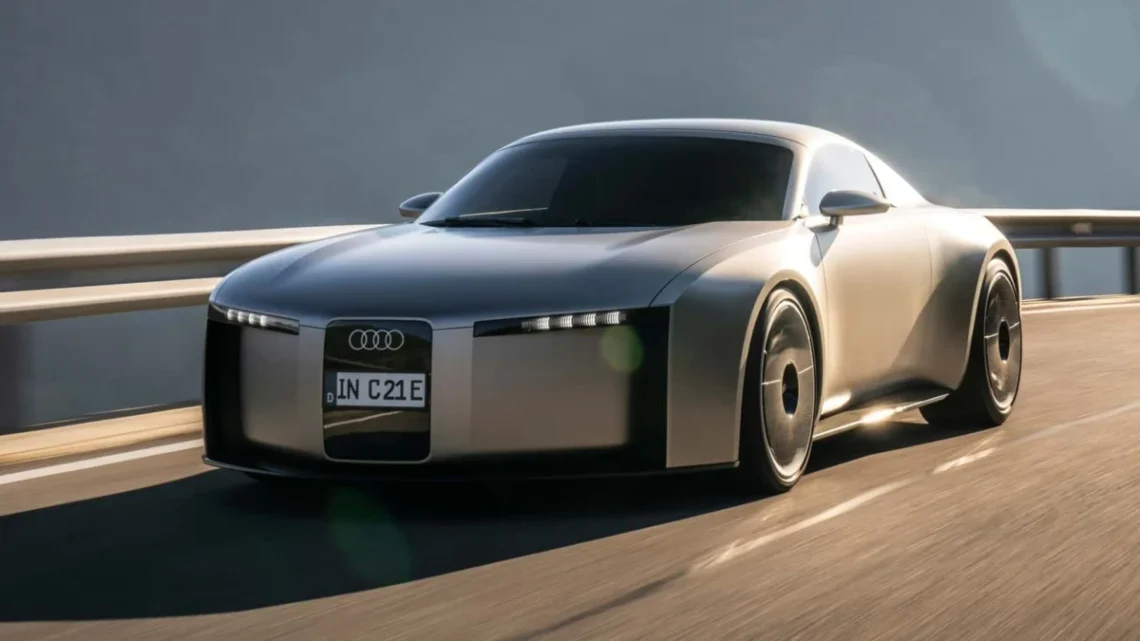
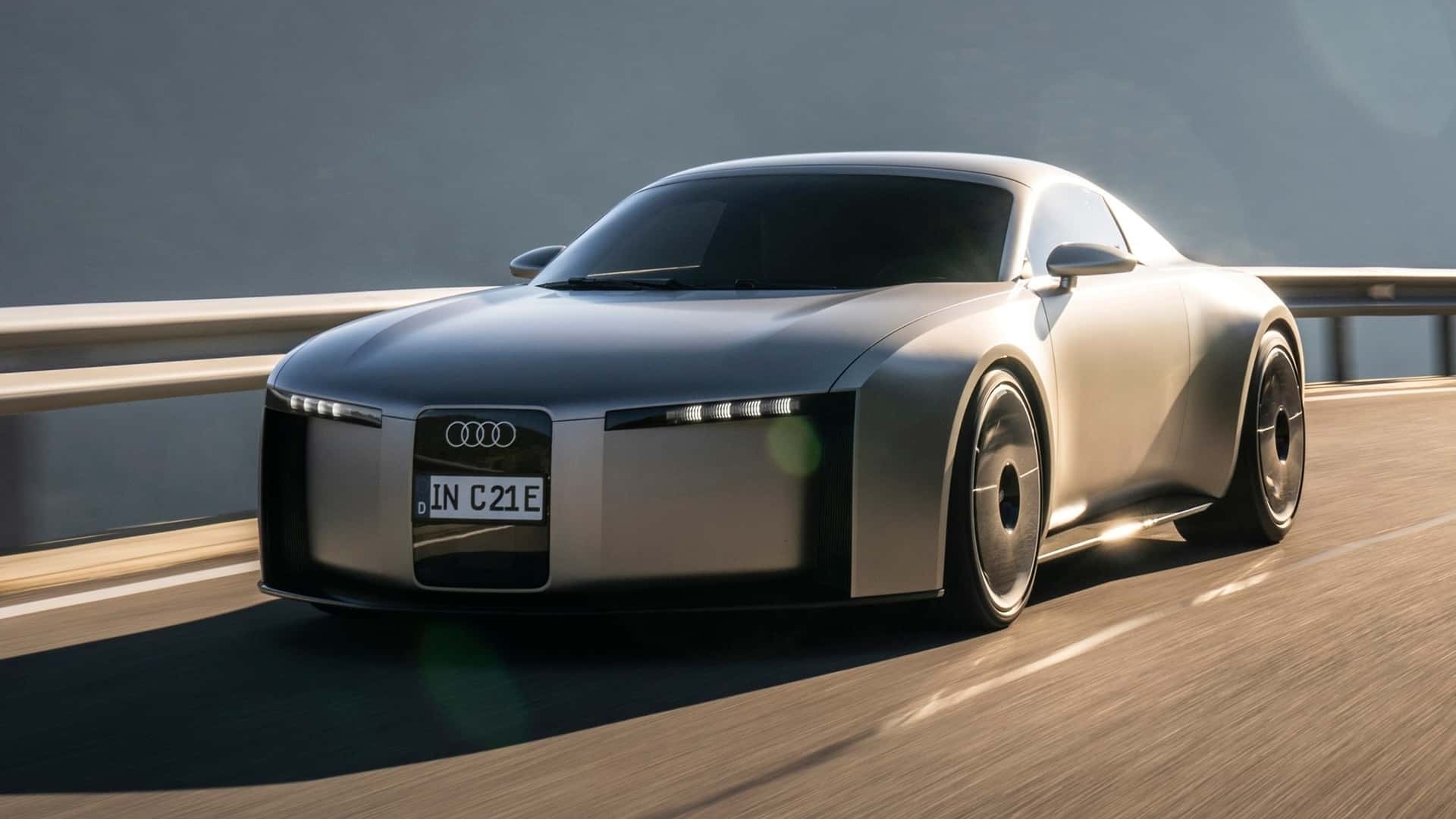
As development hurdles accumulated, Audi CEO Gernot Döllner attempted to anchor expectations by setting a formalized mid-2028 production target for the brand’s cornerstone electric executive car. At this stage, the A4 E-Tron was envisioned as a spiritual and structural successor to the traditional internal combustion engine (ICE) A4, which wrapped up its production run in 2024 to make way for the gas-powered A5 family. The design ethos, previewed heavily through concepts inspired by the 2025 Audi Concept C, promised both traditional saloon and practical Avant (wagon) body styles built exclusively on the SSP skeleton.
Present Day: The Domino Effect of the 48-Volt Pivot
Confidence within executive ranks appeared steadfast until recently. Chief Technical Officer Rouven Mohr insisted as recently as late 2025 that there was "no need to correct" the production timeline—statements that immediately preceded the announcement of the fresh March 2029 delay.
Behind closed doors, the engineering crisis centers on the aforementioned shift to a 48-volt onboard electrical architecture. While modern vehicles demand exponentially more computing power and energy efficiency—making a 48-volt system necessary for advanced driver-assistance systems (ADAS), steer-by-wire, and active suspension—implementing such a fundamental change mid-stream sent shockwaves through the supply chain. Every control unit, wiring harness, and supplier contract had to be re-evaluated, adding months of unforeseen validation and prototyping work.
Supporting Data and Corporate Dynamics
The delays surrounding the SSP platform expose a recurring friction point within legacy automotive conglomerates: the tension between aggressive software-defined vehicle (SDV) goals and traditional manufacturing timelines.
| Platform Generation | Target Launch / Active Window | Representative Models | Current Status |
|---|---|---|---|
| MEB | 2020 – Present | Audi Q4 E-Tron, VW ID.4 | Fully operational, serving as the core volume driver. |
| PPE | 2024 – Present | Audi A6 E-Tron, Audi Q6 E-Tron | Active; high-voltage 800V architecture handling premium segments. |
| SSP | Originally 2026 / Now 2029+ | Audi A4 E-Tron, Electric Golf, T-Roc | Delayed by 3+ years; variants reduced from 8 to 4. |
The decision to slash the platform variants from eight down to four highlights a desperate need for resource conservation. Volkswagen is currently managing immense capital expenditures, navigating sluggish global EV adoption curves in key Western markets, and restructuring its software division, Cariad, which has historically suffered from missed deadlines and bureaucratic gridlock.
Compounding these internal pressures are external partnerships. Volkswagen’s multi-billion-dollar joint venture with Rivian is intended to inject much-needed Silicon Valley-style software architecture into upcoming VW Group products. However, because these collaborative efforts are now not expected to bear fruit until the end of the decade, cars like the A4 E-Tron must navigate an awkward interim period where software and hardware strategies are rapidly evolving underneath them.
Official Responses and Internal Friction
Publicly, Volkswagen Group leadership continues to project an air of calm confidence, spinning the delays as routine developmental friction rather than a strategic miscalculation. Audi CEO Gernot Döllner has repeatedly emphasized that the shift in timing does not signal a fundamental rethinking of the vehicle’s core mission. The A4 E-Tron—drawing styling cues from the striking Concept C—will still arrive as a sleek saloon and a versatile Avant, carrying forward a legendary nameplate into the zero-emission era.
However, the internal narrative captured by trade publications like Handelsblatt tells a story of executive dissonance. When high-ranking officials like CTO Rouven Mohr publicly dismiss scheduling concerns moments before the company formally adjusts its timeline, it underscores the unpredictable nature of software and platform integration at this scale.
Motor1 has reached out to Audi corporate communications for further clarification regarding the supply chain adjustments and software integration milestones tied to the SSP architecture, with updates expected should the company issue a formal statement.
Strategic Implications: What This Means for Audi Buyers
The consequences of the A4 E-Tron’s delay stretch far beyond corporate boardrooms in Ingolstadt and Wolfsburg; they directly reshape the showroom reality for everyday consumers.
For years, Audi product planners framed the brand’s MEB- and PPE-based electric vehicles as a transitional bridge leading directly to the promised land of the SSP platform. Buyers were told to view vehicles like the Q4 E-Tron and A6 E-Tron as stepping stones toward the ultimate, unified architecture.
The three-year delay of the SSP platform shatters that narrative.
Audi’s current lineup of electric vehicles is no longer a mere bridge—it is the destination for the remainder of the decade. Consumers looking to purchase an electric mid-size luxury Audi will find themselves shopping within the existing, transitional EV portfolio for years longer than originally intended. Models utilizing the PPE architecture will have to shoulder the heavy lifting of retaining Audi’s market share in the executive segments against aggressive rivals from BMW, Mercedes-Benz, and an onslaught of tech-heavy competitors emerging from China and Silicon Valley.
Ultimately, the delayed arrival of the electric Audi A4 E-Tron serves as a sobering reminder of the hurdles facing legacy automakers. As software-defined vehicles demand unprecedented coordination between hardware, electrical architecture, and digital ecosystems, even the automotive industry’s most meticulously planned roadmaps can be derailed by a single, fundamental paradigm shift. For Audi enthusiasts and prospective buyers alike, the wait for the ultimate electric executive car has just grown considerably longer.