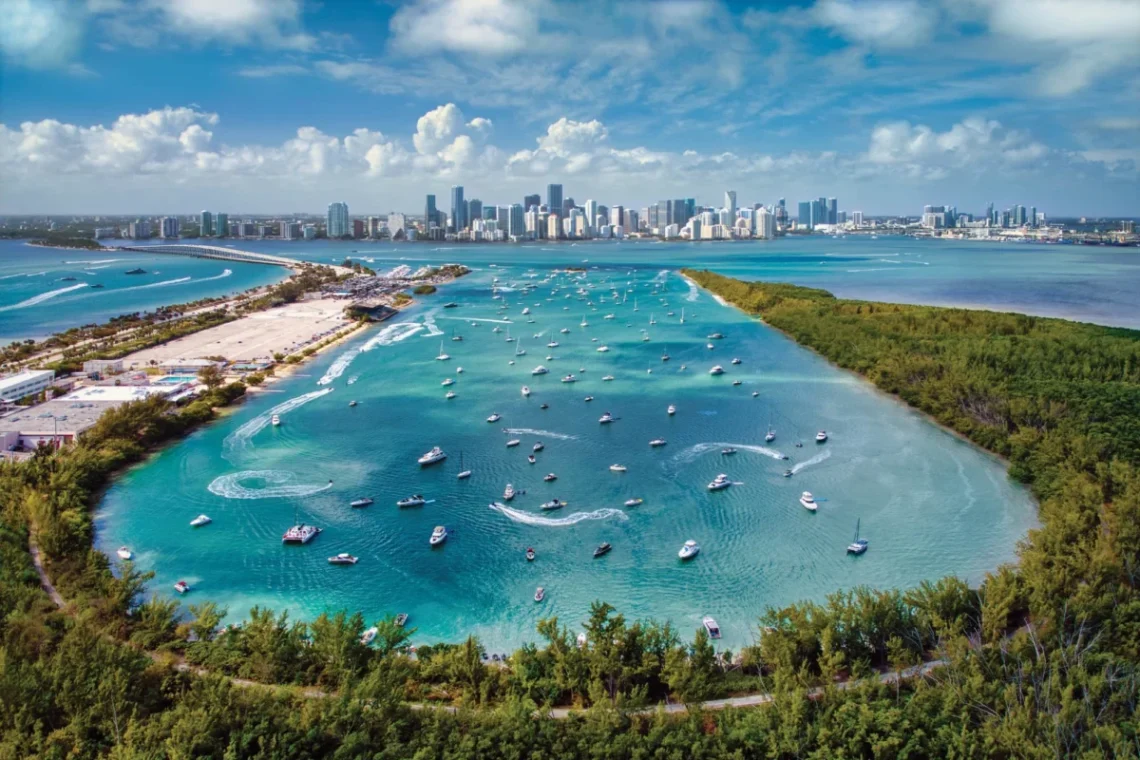
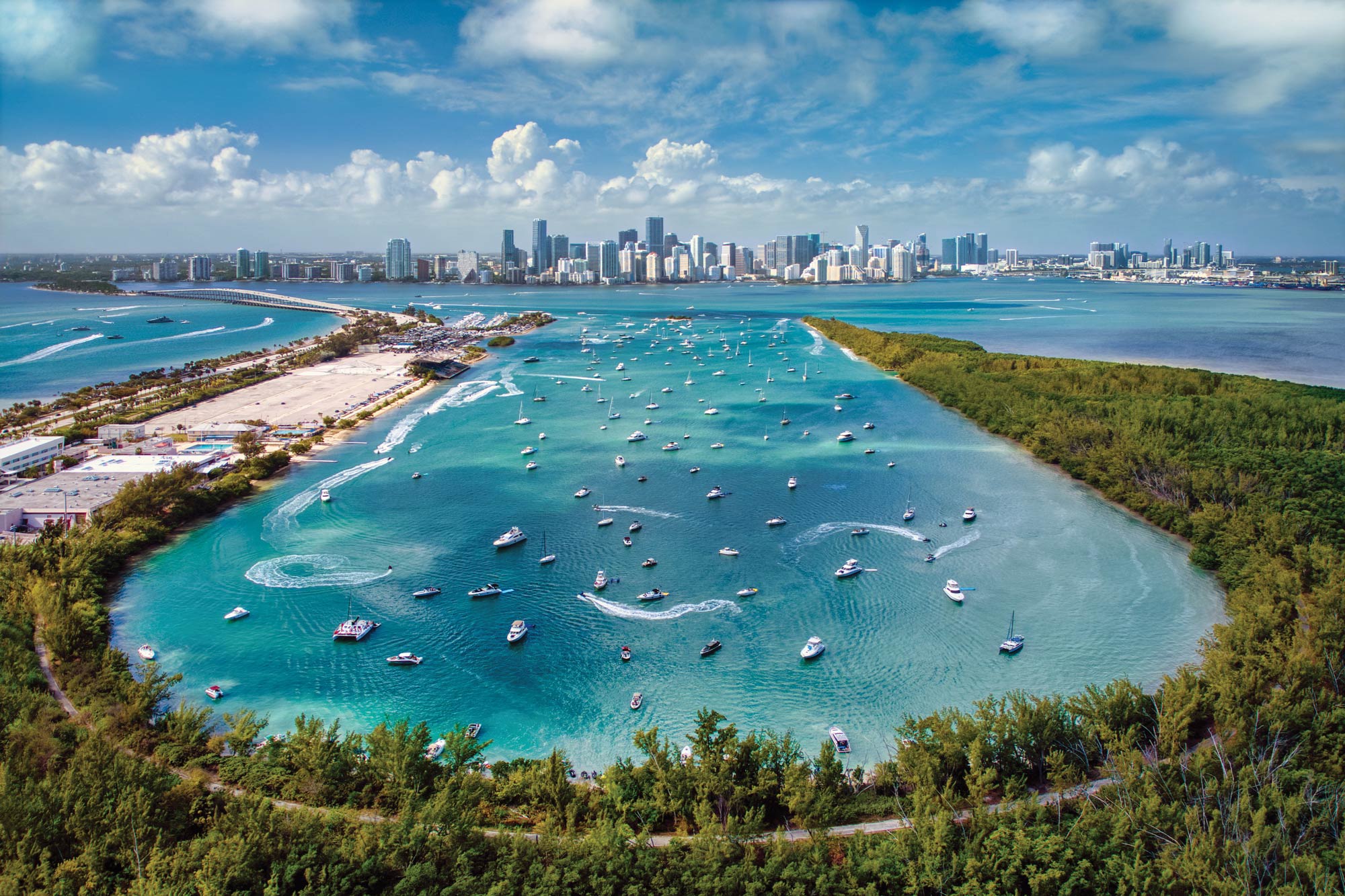
MIAMI — Where generations of tourists once watched dolphins leap through hoops and killer whales perform for cheering crowds, a new vision of maritime commerce and modern conservation is taking shape. The shuttered Miami Seaquarium site on Virginia Key could soon trade its dolphin tanks for mega-yacht slips and an innovative, animal-free aquarium, should real estate developers clear a labyrinth of regulatory hurdles.
Proposed by David Martin, CEO of the prominent Miami-based real estate development firm Terra, the ambitious revitalization project aims to inject vital new marina infrastructure into a Southeast Florida market starved for dockage. Yet, as the plans come to light, they have ignited a fierce debate among local environmentalists, recreational anglers, and urban planners, exposing the delicate tension between economic expansion and ecological preservation in Biscayne Bay.
Main Facts
The core of Terra’s proposal centers on the redevelopment of the historic, long-struggling Miami Seaquarium property into a multiuse waterfront district. The centerpiece of the maritime component is a substantial marina featuring roughly 325 total slips, designed to accommodate a broad spectrum of vessels. Crucially for the region’s burgeoning large-boat market, nearly 90 of these slips are earmarked for yachts measuring 80 feet and larger.
Alongside the wet slips, the development blueprint calls for extensive floating docks, finger piers, and a dedicated fuel dock. However, the project extends beyond mere boat storage. Martin’s vision incorporates a modernized, family-friendly aquarium designed to educate the public without the ethical controversies of keeping marine mammals in captivity.
While the concept promises to alleviate regional infrastructure shortages and bring economic revitalization to Miami-Dade County, it faces formidable pushback. Environmental advocates and flats fishermen argue that the scale of the marina construction, particularly the dredging and increased vessel traffic, threatens the fragile marine ecosystems of Biscayne Bay, pitting the needs of the luxury yachting community directly against the preservation of vital local fishing grounds.
Chronology
The evolution of the Virginia Key site from a mid-century entertainment icon to a flashpoint for modern urban development spans nearly seven decades:
- 1955: The Miami Seaquarium opens its doors on Virginia Key, quickly becoming a premier tourist destination and a pop-culture touchstone—gaining international fame as the backdrop for the classic television series Flipper.
- Decades of Evolution (1960s–2010s): The park operates successfully for generations, showcasing dolphins, killer whales, sea lions, and sharks. However, as public awareness and animal welfare standards shift globally, the facility begins to face mounting scrutiny regarding the ethics and conditions of keeping large marine mammals in captivity.
- Early 2020s: Regulatory pressures intensify following successive federal inspections revealing animal care violations and deteriorating infrastructure. Public campaigns led by animal rights organizations mount pressure on both operators and local government landlords.
- 2025: Facing insurmountable operational, financial, and ethical pressures, the Miami Seaquarium officially closes its doors, leaving the sprawling waterfront site vacant and sitting idle on public land.
- Late 2026: Terra, led by CEO David Martin, publicly unveils its comprehensive redevelopment blueprint. The proposal outlines a mixed-use transformation featuring a 325-slip marina capable of berthing large yachts, alongside a modern, mammal-free public aquarium. The plan immediately triggers intense debate among regulators, environmentalists, and local fishing communities.
Supporting Data
The push to redevelop the Seaquarium site does not happen in a vacuum; it is a direct response to acute supply-and-demand imbalances within the Southeast Florida maritime sector.
The Dockage Crunch
For years, yacht brokers, captains, and owners have voiced persistent frustrations regarding the availability of secure, high-end marina space from Palm Beach down to Miami. While Fort Lauderdale has long worn the crown as the "Yachting Capital of America," its berths are perpetually at or near capacity. This congestion has forced vessel operators to look further afield—inspiring the rise of alternative luxury hubs like the MegaDock at Safe Harbor Charleston City in South Carolina.
Despite these regional alternatives, Florida remains the epicenter of American yachting activity. The addition of nearly 90 slips capable of accommodating yachts exceeding 80 feet in Miami represents a significant capacity injection. For a regional market where 100-foot-plus vessels routinely struggle to secure seasonal or permanent slips, a facility of this magnitude offers critical logistical relief.
Economic Projections vs. Ecological Metrics
Terra’s internal economic models project that the multiuse revitalization will deliver substantial, long-term value to Miami-Dade County. Proponents point to:
- Job Creation: Hundreds of construction jobs initially, followed by permanent hospitality, marine service, and administrative positions.
- Municipal Revenue: Increased tax bases, marine fuel tax allocations, and lease revenues paid to the county.
- Public Access: Enhanced waterfront connectivity, allowing everyday residents to enjoy views and amenities previously restricted behind a commercial theme park gate.
Conversely, environmental data highlights the vulnerability of the surrounding waters. Biscayne Bay has suffered severe ecological distress in recent years, marked by widespread seagrass die-offs and massive fish kills driven by nutrient pollution and warming waters. Critics argue that adding hundreds of large-vessel movements and extensive physical structures to this delicate aquatic ecosystem introduces unacceptable cumulative impacts.
Official Responses
The unveiling of the Terra development plan has drawn sharp contrasts between the optimism of commercial developers and the skepticism of public watchdogs.
Developer Perspective
David Martin has defended the project as a forward-thinking compromise that honors the site’s history while rectifying its past environmental and ethical shortcomings.
"We’ve been studying aquariums across the country and across the world," Martin said, emphasizing that the new facility will prioritize immersive, ethical education without housing captive marine mammals.
Regarding the maritime infrastructure, Martin maintains that the development is being designed with strict conservation guardrails in mind. He asserts that the project "will deliver long-term value to Miami-Dade County by generating additional revenues, quality jobs, and robust public benefits," while systematically addressing the acute regional shortage of professional boat and yacht dockage.
Community and Environmental Pushback
Local stakeholders, however, are far from convinced. Environmental organizations, local residents, and recreational fishing advocates have raised immediate red flags.
Flats fishermen, in particular, have mobilized against the marina design, warning that the installation of extensive floating docks, finger piers, and deep-water channels in the surrounding shallows will devastate critical habitats. For anglers who target prized gamefish such as tarpon, bonefish, and permit in these waters, the construction plans represent an existential threat.
"The plan would be like dredging the fishing grounds," several local anglers noted in preliminary community feedback sessions, pointing out that altering the natural bottom contours and increasing boat traffic will permanently disrupt local fisheries and fragile benthic communities. Regulatory bodies, including environmental protection agencies at the county and state levels, have indicated that the proposal will undergo rigorous, multi-layered scrutiny before any permits are weighed.
Implications
The fate of the old Miami Seaquarium site extends far beyond a simple real estate transaction; it serves as a bellwether for the future of urban waterfront development in coastal American cities facing rapid growth and climate pressures.
The Clash of Modern Priorities
At its core, the Virginia Key debate forces a reckoning between two competing modern values: the insatiable demand for luxury maritime infrastructure and the urgent necessity of urban ecological restoration. As South Florida’s wealth and population swell, the pressure to monetize every linear foot of deep-water coastline intensifies. Yet, as Biscayne Bay fights for ecological recovery, every new marina, dredge project, and influx of heavy vessel traffic brings potential environmental consequences.
A New Blueprint for Aquariums?
On the cultural front, Terra’s proposed aquarium model could establish a precedent for how cities handle legacy animal-entertainment facilities. As public sentiment definitively turns against the captivity of cetaceans and large marine predators, aging marine parks across the globe face difficult retirements. Transforming the Miami Seaquarium into a mammal-free, educational hub may offer a viable financial and ethical template for repurposing similar facilities worldwide—proving that sites once dedicated to animal performance can evolve into centers for marine education and public recreation.
Regulatory Crossroads
Ultimately, whether the project moves forward depends on the willingness of regulators to balance economic stimulus with environmental defense. If approved, the transformation of the Miami Seaquarium will dramatically reshape the Miami skyline and maritime landscape, offering a new haven for big-boat owners while permanently altering the aquatic character of Virginia Key. If rejected or scaled back significantly, it will underscore the formidable barriers facing developers who attempt intensive waterfront projects in ecologically sensitive urban bays.