For years, the corporate landscape was defined by an increasingly ambitious race to net-zero. Multinational conglomerates, tech giants, and industrial titans vied for headlines with bold commitments to slash greenhouse gas emissions, citing pressure from shareholders, consumers, and an evolving regulatory framework. However, a landmark study released by researchers at…
-
-
The promise was simple, bold, and seemingly attainable: 100 percent renewable electricity by 2025. A decade ago, as the Climate Group’s RE100 campaign began to gain momentum, it became the gold standard for corporate environmental, social, and governance (ESG) commitments. Tech giant HP Inc. was among the early wave of…
-
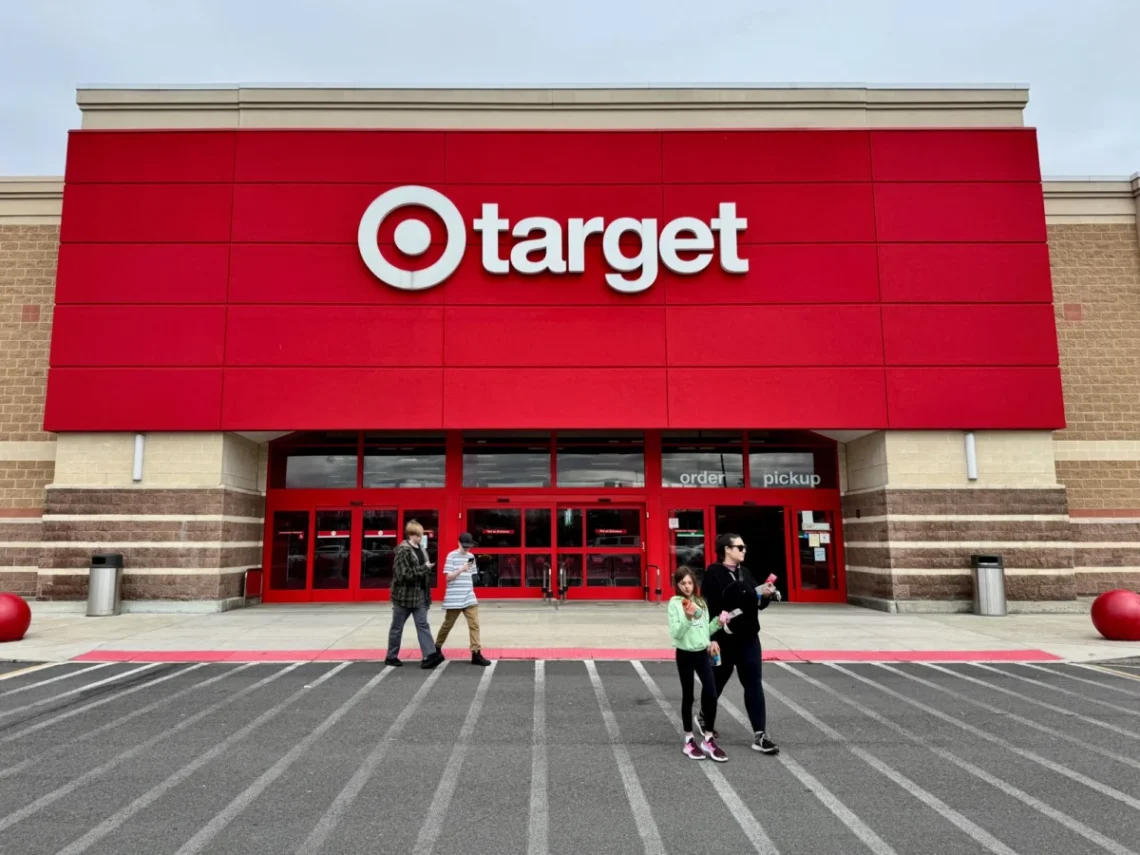
In a move that underscores the mounting friction between ambitious environmental, social, and governance (ESG) targets and the harsh realities of global supply chain logistics, retail giant Target has officially announced a recalibration of its climate strategy. The Minneapolis-based retailer, which operates more than 2,000 stores across the United States,…
-
As the field of corporate sustainability matures, the C-suite landscape is experiencing a period of significant volatility. Recent months have seen a wave of high-profile departures, strategic reassignments, and executive exits across major global corporations and standards-setting organizations. This "great reshuffle" suggests that the role of the Chief Sustainability Officer…
-
As the global regulatory landscape for corporate sustainability shifts from voluntary disclosure to rigorous accountability, a significant trend has emerged: companies are no longer treating their carbon inventories as static snapshots. Instead, they are increasingly viewing them as living, evolving data sets. As Greenhouse Gas (GHG) emissions data collection systems…
-
In the landscape of modern corporate strategy, "sustainability" was long synonymous with carbon accounting, supply chain transparency, and ESG reporting. It was a practice of measuring the past to inform the future. However, a volatile confluence of "wild card" events—unexpected, high-impact disruptions—is rapidly rendering those backward-looking metrics obsolete. From the…
-
In a move that underscores the widening gap between corporate climate ambition and operational reality, retail giant Target has officially downgraded its long-term emission reduction goals. The company, which operates nearly 2,000 stores across the United States, announced in its latest annual sustainability report that it is pushing its net-zero…