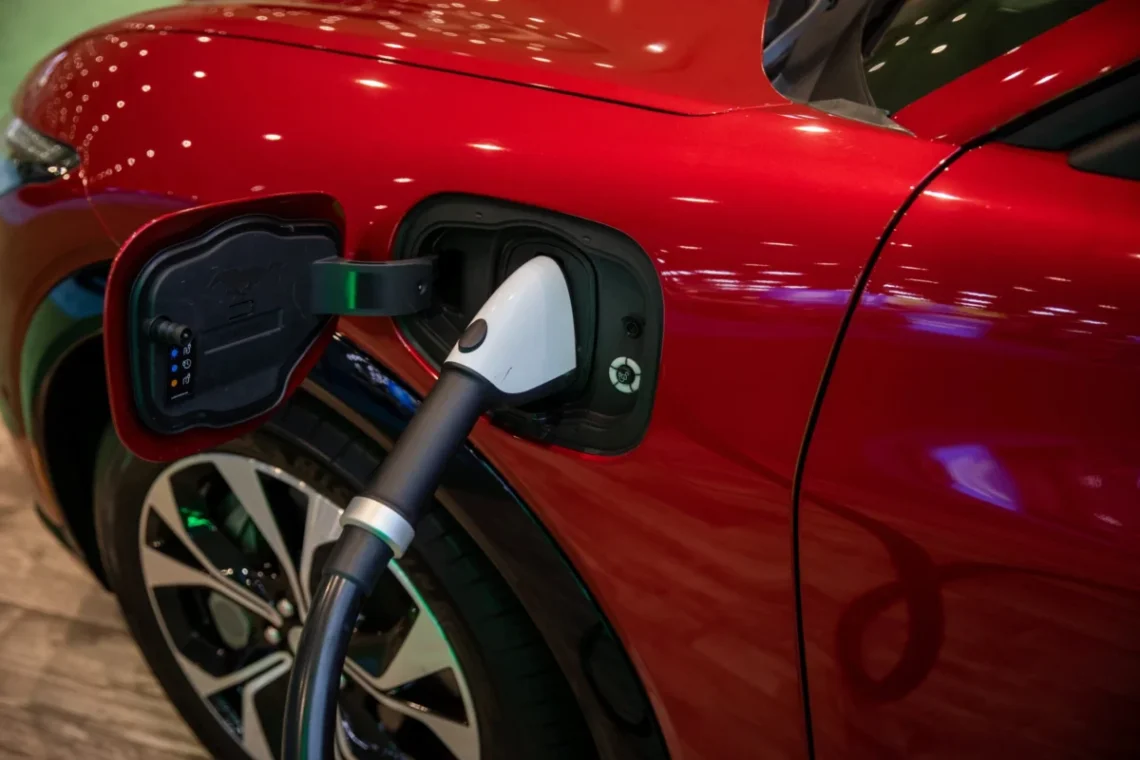
For years, the "range anxiety" conversation in the electric vehicle (EV) sector has been dominated by a singular, persistent fear: the charging experience. For millions of prospective buyers, the prospect of plugging in has been synonymous with broken hardware, cryptic software, and the dread of being stranded on the side of a highway.
However, a dramatic shift is underway. What was once a fragmented, unreliable landscape is rapidly maturing into a robust, high-performance ecosystem. A recent 600-mile road trip to Montreal serves as a microcosm of this evolution—a journey that, just three years ago, would have been a logistical nightmare, but today stands as a testament to the industry’s newfound maturity.
The Turning Point: From "Bill of Rights" to Reality
In 2023, the frustration with public charging was reaching a boiling point. Following a particularly disastrous road trip characterized by non-functional stations and endless customer service calls, I drafted an "EV Fast-Charging Bill of Rights." It outlined seven non-negotiable improvements—ranging from standardized payment methods to uptime guarantees—that networks needed to adopt to earn the public’s trust.
At the time, the skepticism was entirely justified. AAA’s industry surveys consistently placed public charging infrastructure as the primary barrier to entry for potential EV owners. But looking at the landscape in 2026, the contrast is stark. The infrastructure has not only grown in size; it has fundamentally improved in quality.
Chronology of a Road Trip: A Tale of Two Eras
To understand the progress, we must look at the user experience through a longitudinal lens.
The 2023 Experience: A Litany of Failures
Three years ago, a 350-mile round trip to Maine was a test of patience. Despite using advanced route planning software, the reality on the ground was chaotic. I encountered chargers that would initiate a session but fail to deliver power, stations that reported as "online" in apps but were physically dead, and a support infrastructure that required hours of phone calls to navigate. The result was a journey marred by anxiety, where the car’s capability was overshadowed by the inadequacy of the network.
The 2026 Experience: Seamless Travel
By contrast, my recent 600-mile trip to Montreal in an Audi e-tron—a vehicle with a modest 220-mile range—was remarkably frictionless. Utilizing A Better Route Planner (ABRP), the journey was optimized with precision. The software accounted for variables like battery degradation, ambient temperature, and wind resistance, providing a reliable roadmap for the trip.
The stops were defined by stability:
- Lebanon, New Hampshire: Utilizing a high-speed Rivian-branded charging hub, we found six 300-kilowatt chargers, all fully operational. The "plug-and-charge" nature of the experience—which accepted a standard credit card without the need for proprietary apps—was the gold standard of what EV charging should be.
- Montreal Transit: A brief stop at a Circuit Électrique station presented the only minor hurdle of the trip. A finicky card reader required a quick app download, but the session itself was efficient.
In total, the three charging sessions required to traverse the 600-mile route lasted roughly 20 minutes each—a duration that perfectly coincided with necessary meal and rest breaks. We spent zero time waiting for a charger to become available, and the experience was as predictable as stopping at a gas station.
Supporting Data: The Infrastructure Surge
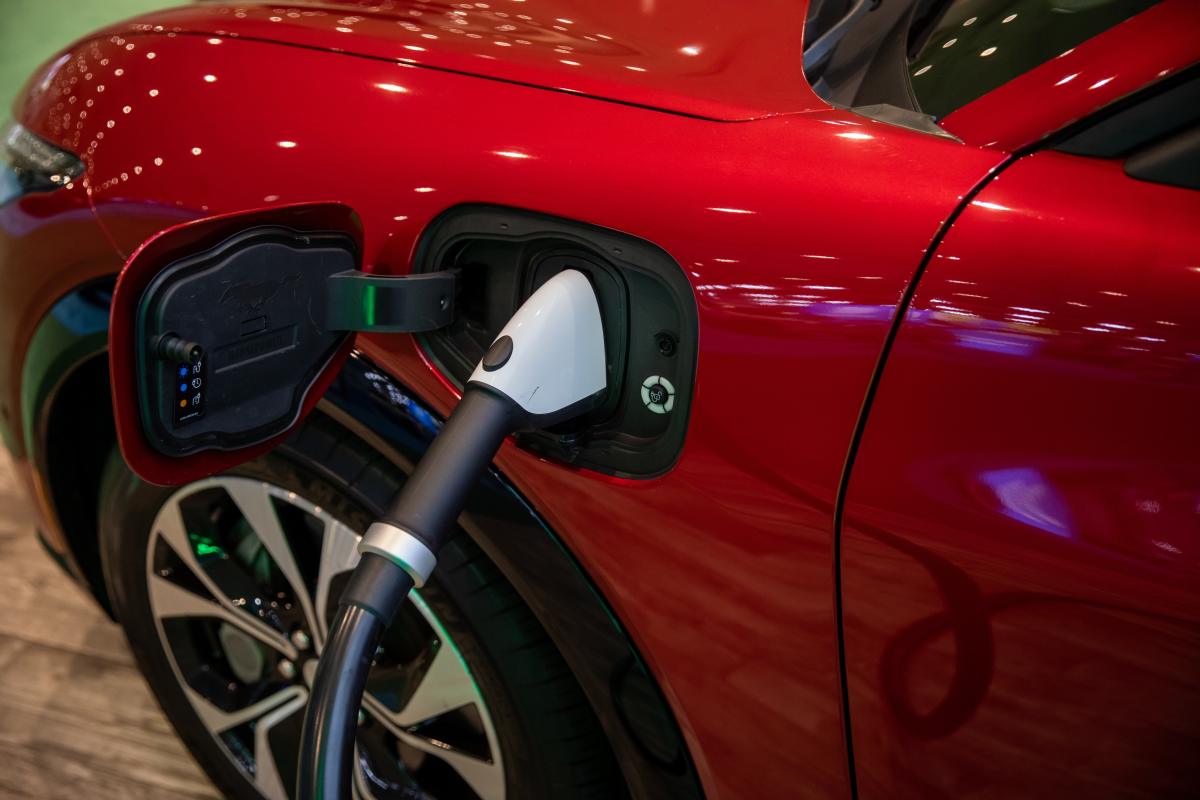
The anecdotal success of a single road trip is backed by compelling industry data. According to the Joint Office of Energy and Transportation, the U.S. had approximately 32,000 DC fast chargers in July 2023. Today, that number has more than doubled.
The expansion is not merely quantitative; it is qualitative. Data from Paren’s reliability index shows a significant uptick in uptime, with national reliability climbing from 85% in 2025 to the mid-90s in 2026. This jump represents a concerted industry effort to prioritize maintenance, hardware standardization, and better software integration.
Furthermore, the "Tesla effect" cannot be overstated. The opening of the Supercharger network to non-Tesla EVs was the single most impactful event in the history of American EV charging. By integrating the most reliable network in the world with the broader automotive market, the government and private sector effectively leveled the playing field for all EV drivers.
Official Responses and Industry Shifts
The transformation is largely driven by a combination of public policy and private competition. The National Electric Vehicle Infrastructure (NEVI) program, which provides federal funding to states to build out charging corridors, has mandated higher uptime requirements for operators. Companies that fail to maintain a 97% uptime rate face financial penalties, a regulation that has forced networks like Electrify America, ChargePoint, and EVgo to pivot toward more aggressive maintenance schedules.
"We are seeing a maturation of the business model," says one industry analyst. "Charging is no longer a pilot project for these companies. It is a critical revenue stream that depends on customer loyalty. If the station doesn’t work, the customer doesn’t return. That market pressure is the best regulator we have."
Implications: The End of "Range Anxiety"?
As we look toward the future, the implications of this improved infrastructure are profound. The barrier to adoption is no longer the car’s range—it is the consumer’s perception of the charging network.
- Normalization of Long-Distance Travel: With the reliability of DC fast charging now approaching "gas station parity," the rationale for keeping an internal combustion vehicle for "long trips" is rapidly evaporating.
- Increased Market Penetration: As the public recognizes that the infrastructure is finally catching up to the technology, the next wave of buyers—those who are risk-averse—will likely enter the market.
- The Rise of Smart Integration: The future of charging lies in deeper integration between the vehicle’s Battery Management System (BMS) and the charger. We are moving toward a world where your car effectively "negotiates" with the charger to optimize power delivery based on your specific arrival time and state of charge.
Conclusion: The Path Forward
It is important to acknowledge that the system is not yet perfect. Rural gaps remain, and older, legacy hardware still causes periodic headaches in specific regions. However, the trajectory is unmistakable. We have moved past the "Wild West" phase of EV charging and entered an era of utility and reliability.
For those who have been holding out, waiting for the charging network to "prove itself," the message is clear: the proof is in the data, and more importantly, it is on the road. The anxiety that defined the last decade of EV adoption is being replaced by the mundane efficiency of a modern, electrified transportation network. The transition has been slower than many hoped, but the destination—a fully reliable, nationwide charging infrastructure—is finally within reach.
As we look at the trajectory of the next three years, the question is no longer whether we can build the network, but how quickly we can continue to scale it to meet the inevitable surge in demand. The infrastructure is ready; the question now is whether the public is ready to embrace the shift.